Are you puzzled by the choice between metal and plastic containers for your kitchen line? You’re not alone.
Picking the right material is essential for maintaining your kitchen’s efficiency and hygiene. Imagine reaching into your pantry and finding exactly what you need, stored perfectly in a container that offers both safety and convenience. We’re diving into the real differences between metal and plastic containers.
We’ll explore which one keeps your food fresher, saves you money, and fits seamlessly into your daily routine. Stick with us, and you’ll discover the best option that meets your needs and enhances your cooking experience. Let’s unravel this mystery together and make your kitchen work smarter, not harder.
Credit: shopping.yahoo.com
Material Properties
Choosing the right container material affects your kitchen work. Metal and plastic containers have different strengths and weaknesses. Understanding these helps you decide which fits your kitchen needs best.
We will look at four key material properties. These are durability and strength, weight and handling, heat resistance, and chemical safety.
Durability And Strength
Metal containers are strong and can last many years. They resist dents and cracks well. Plastic containers can break or warp over time. Some plastics are tough, but they may not hold heavy loads as well as metal.
Weight And Handling
- Plastic containers are light and easy to carry.
- Metal containers tend to be heavier.
- Light containers reduce strain when moving food.
- Heavy metal containers offer stability on shelves.
Heat Resistance
| Material | Heat Resistance | Common Use |
| Metal | High – can handle ovens and hot stovetops | Cooking, baking, storing hot food |
| Plastic | Low to medium – some melt or release fumes when hot | Cold storage, microwaving (certain types only) |
Chemical Safety
Metal containers do not usually react with food. Stainless steel is safe and does not leach chemicals. Some plastics can release harmful substances, especially if scratched or heated. Always check for food-safe labels on plastic containers.

Credit: welldo.en.made-in-china.com
Storage And Preservation
Choosing the right container for your kitchen can affect how long food stays fresh. Both metal and plastic containers have benefits for storing and preserving food.
This guide looks at four key factors: airtight sealing, moisture control, odor retention, and light protection.
Airtight Sealing
Metal containers often have tight lids that seal well. They keep air out and help food stay fresh longer. Plastic containers can also seal tightly, but the quality varies.
Moisture Control
Metal does not absorb moisture. This stops food from becoming soggy. Plastic may trap moisture inside, which can cause spoilage if not used properly.
Odor Retention
Plastic containers can sometimes hold odors from strong-smelling foods. Metal containers usually do not absorb smells, keeping food flavors pure.
Light Protection
| Container Type | Light Protection | Effect on Food |
| Metal | Blocks light completely | Prevents nutrient loss and spoilage |
| Plastic | Lets some light through | May reduce shelf life of light-sensitive foods |
Cleaning And Maintenance
Choosing the right container for your kitchen line means thinking about cleaning and maintenance. Metal and plastic containers differ in how easy they are to clean and keep fresh.
Proper cleaning helps containers last longer and stay safe for food use. Let’s look at how metal and plastic compare in cleaning and maintenance.
Ease Of Cleaning
Metal containers usually clean easily. Their hard surfaces do not trap dirt or food particles. Scrubbing metal is simple with a sponge or brush.
Plastic containers can be harder to clean. Scratches on plastic hold food and bacteria. Some plastics need gentle cleaning to avoid damage.
Stain And Odor Absorption
Metal containers resist stains and odors well. They do not absorb smells from food. This keeps your kitchen smelling fresh.
Plastic containers can absorb stains and smells. Strong foods like garlic or tomato can leave lasting odors. Stains may also change the container’s color.
- Metal containers stay cleaner over time
- Plastic may need extra care to prevent odors
- Replacing plastic containers is often needed if stained
Dishwasher Compatibility
Most metal containers are dishwasher safe. They can handle high heat and strong detergents without damage.
Some plastic containers are dishwasher safe, but not all. High heat can warp or melt certain plastics. Check the label before using a dishwasher.
- Metal works well with dishwashers
- Plastic needs careful checking for dishwasher use
- Hand washing plastic can help it last longer
:max_bytes(150000):strip_icc()/spr-the-container-store-bathroom-under-sink-starter-kit-stella-yu-13-3c28f6b102c94851a0429325c3f90691.jpeg)
Credit: www.thespruce.com
Environmental Impact
Choosing between metal and plastic containers affects the environment in many ways. This guide looks at how each material impacts the planet.
We focus on recyclability, sustainability, and waste to help you decide which container is better for your kitchen.
Recyclability
Metal containers are easier to recycle and can be reused many times without losing quality. Plastic containers often degrade after recycling and may only be recycled a few times.
- Metal can be recycled endlessly
- Plastic recycling is limited and may lower quality
- Metal recycling saves more energy than plastic
- Plastic waste often ends in landfills or oceans
Sustainability
Metal containers come from mining, which uses energy but produces durable products. Plastic comes from oil, a non-renewable resource, and creates pollution during production.
| Material | Source | Energy Use | Durability |
| Metal | Mining | High initial, low on reuse | High |
| Plastic | Oil | Moderate initial, low on reuse | Moderate |
Waste And Degradation
Plastic containers take hundreds of years to break down and release toxins. Metal containers degrade very slowly but do not emit harmful chemicals.
- Plastic: Breaks down in 400+ years, toxic release
- Metal: Breaks down in 50+ years, no toxins
- Plastic often ends in oceans, harming wildlife
- Metal waste is less common and easier to manage
Cost And Availability
Choosing metal or plastic containers for your kitchen line depends on cost and availability. Both materials have pros and cons that affect your budget and supply.
Understanding these factors helps you pick the best option for your kitchen needs.
Initial Investment
Metal containers usually cost more upfront than plastic ones. Metals like stainless steel need more processing, making them pricier.
Plastic containers are cheaper to produce and buy. They are lighter and easier to handle, which lowers initial costs.
- Metal: Higher cost due to materials and production
- Plastic: Lower cost and easier to manufacture
- Metal may require special storage or care
Long-term Value
Metal containers last longer and resist damage better than plastic. This can save money over time by reducing replacements.
Plastic containers may need to be replaced more often. They can crack or wear out with heavy use or heat exposure.
- Metal: Durable and long-lasting
- Plastic: May degrade and need frequent replacement
- Metal holds value better for long use
Market Options
Plastic containers are widely available in many sizes and shapes. They are easy to find in stores and online.
Metal containers come in fewer styles but are common in professional kitchens. They may need special suppliers.
- Plastic: Large variety and easy to buy
- Metal: Limited styles, often for commercial use
- Plastic availability suits most kitchen needs
Aesthetic And Design
Choosing between metal and plastic containers affects your kitchen’s look. Both materials offer unique design qualities. Understanding their visual impact helps match your kitchen style.
This guide covers visual appeal, customization options, and space efficiency. Each factor plays a role in kitchen organization and decoration.
Visual Appeal
Metal containers often have a sleek, modern look. They reflect light and add shine to kitchen shelves. Plastic containers come in many colors and shapes. They can brighten up a space or blend in quietly.
- Metal containers give a polished, professional appearance.
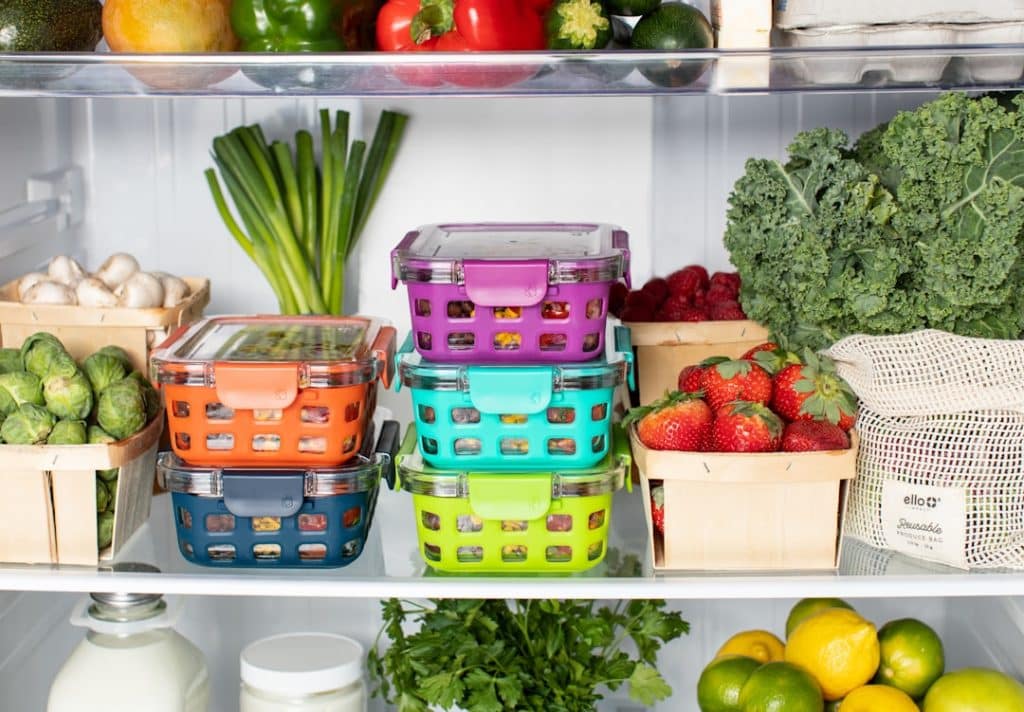
- Plastic containers offer more color variety.
- Metal tends to look more durable and high-end.
- Plastic can look casual and fun.
Customization Options
Customization helps containers fit your kitchen theme. Metal containers can be engraved or painted. Plastic containers can come with labels or be transparent to see contents.
| Material | Customization Type | Example |
| Metal | Engraving | Kitchen logo or name |
| Metal | Painting | Matte black or metallic finishes |
| Plastic | Labels | Write-on or printed stickers |
| Plastic | Transparency | See food inside easily |
Space Efficiency
Space efficiency keeps kitchens neat and organized. Metal containers often stack well but can be heavier. Plastic containers are lighter and sometimes nest inside each other.
- Choose stackable metal containers for uniform shapes.
- Use nesting plastic containers to store unused ones.
- Pick containers with lids that seal tightly to avoid spills.
- Opt for clear plastic to quickly find items without opening.
Safety Considerations
Choosing the right containers for your kitchen affects food safety. Metal and plastic containers have different safety features. It is important to understand these differences.
This guide reviews safety points about metal and plastic containers. It helps you make safer choices for your kitchen line.
Food Safety Standards
Food safety standards ensure containers do not harm food quality. Both metal and plastic containers must meet these rules. These standards check materials for safe use with food.
Metal containers often meet high heat and corrosion standards. Plastic containers must be food-grade and BPA-free to pass safety tests.
- Metal containers resist bacteria growth due to solid surfaces
- Food-grade plastics prevent chemicals from leaching into food
- Proper labeling shows compliance with safety standards
Potential Health Risks
Some containers can release harmful substances into food. Metal containers may leach metals if damaged or acidic food is stored. Plastic containers risk chemical leaching if low quality.
Using containers that meet safety standards lowers health risks. Avoid scratched metal or non-food-grade plastic to protect health.
- Metal rust or corrosion can contaminate food
- Cheap plastics may release BPA or phthalates
- Heat and sunlight increase chemical release risk
Regulatory Compliance
Regulatory bodies set rules for kitchen containers. These rules protect consumers and ensure safe food storage. Both metal and plastic containers must follow these laws.
Check for certifications like FDA approval or EU food contact compliance. Using certified containers helps avoid legal and safety problems.
- FDA regulates food-contact materials in the United States
- EU sets standards for materials in direct food contact
- Certifications confirm containers meet safety requirements
Use Cases And Recommendations
Choosing the right containers for your kitchen line affects food storage and organization. Metal and plastic containers serve different purposes.
This guide helps you decide which container type suits your kitchen needs best. Learn when to use metal or plastic containers.
Best Uses For Metal Containers
Metal containers are strong and durable. They work well for heavy-duty kitchen tasks.
Use metal containers for storing hot foods or items that need protection from damage.
- Storing cooked meals that are still warm
- Holding sharp or heavy kitchen tools
- Transporting food that needs secure sealing
- Using in ovens or grills (if heat safe)
- Long-term storage of dry goods like flour or rice
Best Uses For Plastic Containers
Plastic containers are lightweight and often transparent. They suit everyday food storage and meal prep.
They are good for storing leftovers and items in the fridge or freezer.
- Keeping fresh fruits and vegetables
- Storing leftovers for short-term use
- Organizing dry snacks or small kitchen items
- Freezing soups or sauces
- Using for microwave reheating (if labeled safe)
Choosing Based On Kitchen Needs
Think about how you use containers daily. Match the container type to your cooking and storage habits.
Consider factors like temperature, weight, and ease of cleaning before picking containers.
| Factor | Metal Containers | Plastic Containers |
|---|---|---|
| Heat Resistance | High, good for hot foods | Low to medium, check labels |
| Weight | Heavier, sturdy | Light and easy to carry |
| Durability | Very durable, long-lasting | Less durable, can crack |
| Visibility | Opaque, cannot see inside | Usually clear, easy to check contents |
| Cleaning | Easy to clean, dishwasher safe | Easy but may stain or retain odors |
Frequently Asked Questions
Are Metal Containers Safer Than Plastic For Food Storage?
Metal containers are generally safer as they don’t leach harmful chemicals. They resist stains and odors better than plastic. However, ensure the metal is food-grade, like stainless steel, to avoid contamination. Plastic containers may release toxins when heated or scratched, making metal a safer choice for many kitchens.
Which Containers Keep Food Fresher Longer?
Metal containers, especially stainless steel, provide an airtight seal that helps keep food fresh longer. They prevent moisture and air exposure better than most plastic containers. Plastic can absorb odors and stains, reducing freshness. Overall, metal containers are more effective for preserving food quality over time.
Are Metal Or Plastic Containers More Durable For Kitchen Use?
Metal containers are more durable and resistant to cracking or breaking compared to plastic. They withstand high temperatures and heavy use without damage. Plastic containers can warp, crack, or stain over time. For long-lasting kitchen storage, metal containers offer superior durability and reliability.
Do Metal Containers Affect Food Taste Or Quality?
High-quality metal containers like stainless steel do not affect food taste or quality. They are non-reactive and don’t impart any flavors. However, some cheaper metals may react with acidic foods, altering taste. Plastic containers may absorb odors, but metal is generally better for maintaining food integrity.
Conclusion
Choosing metal or plastic containers depends on your kitchen needs. Metal containers are strong and last long. They keep food fresh and handle heat well. Plastic containers are light and easy to carry. They come in many shapes and colors.
Think about what you store and how you use the containers. Both types have good and bad points. Pick the one that fits your style and budget best. Good containers make cooking and storing easier. Simple choices help keep your kitchen neat and safe.