Have you ever stopped to think about the simple things in your kitchen that play a big role every day? A pot and a kettle might seem ordinary, but they are essential tools that can transform your cooking and make your life easier.
Whether you’re brewing your morning tea or simmering a hearty stew, understanding these kitchen basics can change the way you approach your meals. Keep reading, and you’ll discover how these two items are more important than you might realize—and how using them right can bring more flavor, convenience, and comfort to your kitchen routine.
Choosing The Right Pot
Picking the right pot is important for cooking well. The right pot helps food cook evenly and tastes better.
You should think about the pot’s material, size, shape, and how it heats up. These details make a big difference.
Materials And Their Benefits
Pots come in many materials. Each type has good points for cooking different foods.
Choose materials that match your cooking style and needs.
- Stainless steel is strong and easy to clean.
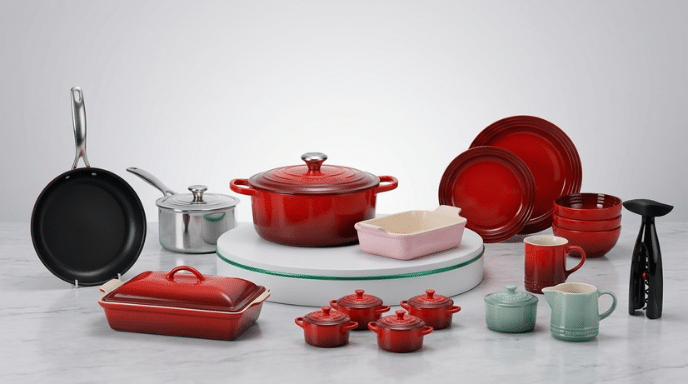
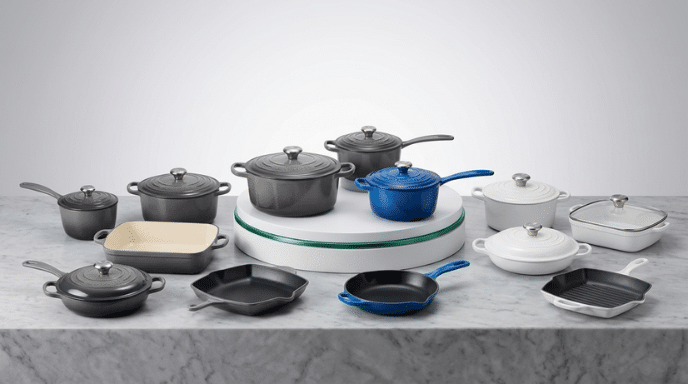
- Cast iron holds heat well and cooks evenly.
- Aluminum heats up fast and is lightweight.
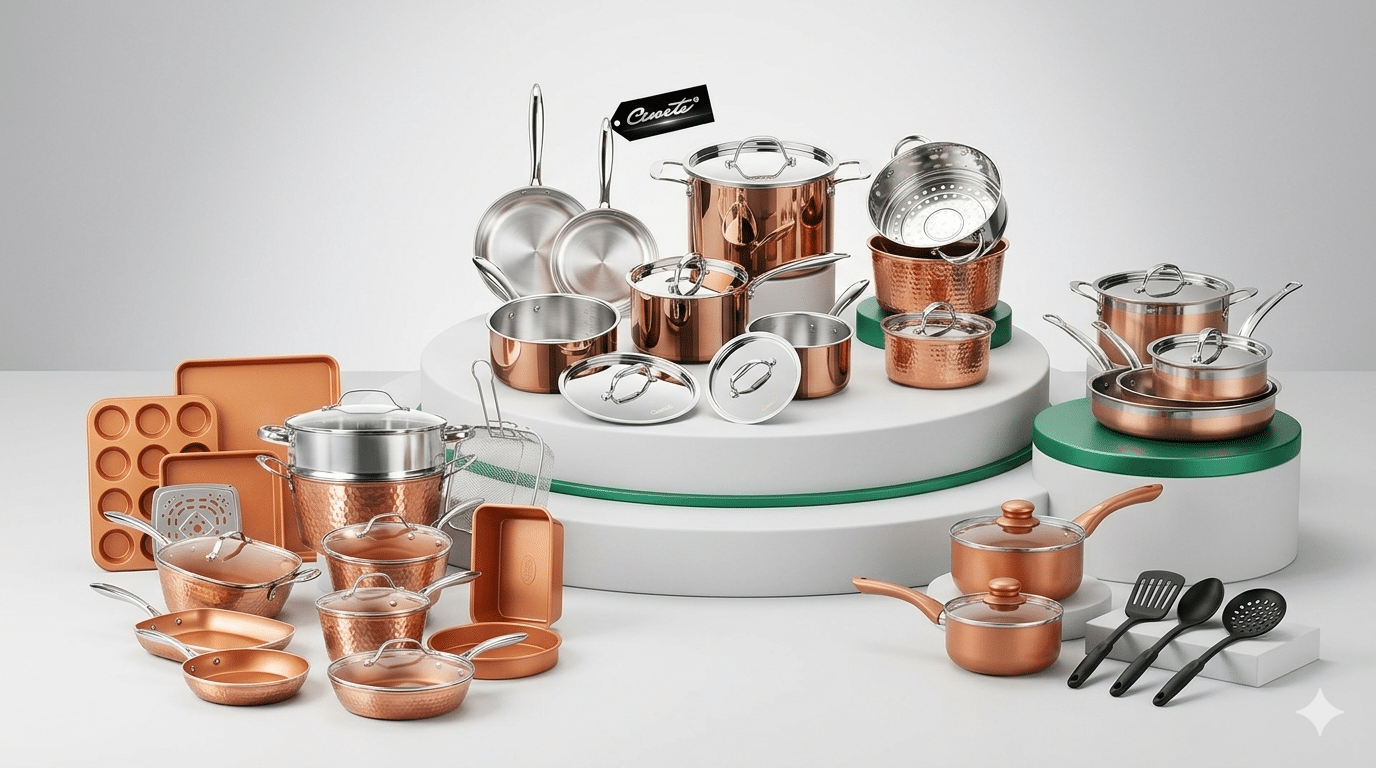
- Copper offers excellent heat control but needs care.
- Non-stick pots are good for low-fat cooking and easy cleaning.
Sizes And Shapes
Pick the right size pot for the food you cook. Small pots are good for sauces. Big pots work for soups and stews.
The shape also matters. Wide pots help food cook faster. Tall pots hold more liquid for boiling.
- Small pots: 1 to 3 quarts, good for sauces and small meals.
- Medium pots: 4 to 6 quarts, great for soups and pasta.
- Large pots: 7 quarts or more, ideal for big batches and stews.
- Wide pots: good for frying and reducing sauces.
- Tall pots: best for boiling pasta or making stock.
Heat Conductivity
Heat conductivity tells how fast and evenly a pot heats. Good heat conductivity helps avoid hot spots.
Materials like copper and aluminum heat quickly. Cast iron heats slower but keeps heat longer.
| Material | Heat Conductivity | Cooking Benefit |
|---|---|---|
| Copper | Very high | Precise temperature control |
| Aluminum | High | Quick heating |
| Cast Iron | Low | Even heat retention |
| Stainless Steel | Low to medium | Durable and stable |
Credit: www.carawayhome.com
Selecting The Perfect Kettle
Choosing the right kettle can make your kitchen tasks easier. A good kettle heats water quickly and safely.
Think about the types, materials, and size before buying a kettle. This guide helps you decide.
Types Of Kettles
There are different kettles for various needs. Some are electric, while others use the stove.
- Electric kettles heat water fast and turn off automatically.
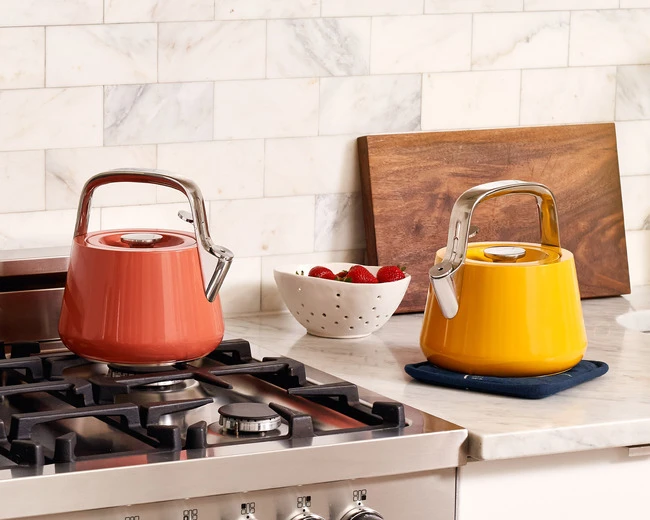
- Stovetop kettles work on gas or electric burners.
- Whistling kettles signal when water boils.
- Cordless kettles offer easy pouring and mobility.
Material Choices
Kettles come in many materials. Each has benefits and care needs.
| Material | Advantages | Care Tips |
| Stainless Steel | Durable, rust-resistant | Wipe clean, avoid harsh cleaners |
| Glass | See water level, modern look | Handle with care, clean inside often |
| Ceramic | Retains heat well | Use gently to avoid cracks |
| Plastic | Lightweight, affordable | Check for BPA-free labels |
Capacity Considerations
Pick a kettle size that fits your household and use. Large kettles hold more water but take longer to boil.
- Small kettles (1–1.5 liters) suit singles or couples.
- Medium kettles (1.5–2 liters) fit small families.
- Large kettles (2+ liters) work for groups or frequent use.
Maintenance Tips
Keeping your pots and kettles in good shape makes cooking safer and easier. Regular care helps your kitchen tools last longer.
Learn simple ways to clean, protect, and store your cookware correctly.
Cleaning Techniques
Clean your pots and kettles after each use to avoid stains and buildup. Use warm water and mild soap to keep them shiny.
- Use a soft sponge to avoid scratches.
- Remove burnt food with baking soda paste.
- Rinse well and dry immediately after washing.
- Avoid harsh chemicals that can damage the surface.
Preventing Rust And Damage
Rust can ruin your pots and kettles. Follow these tips to keep them rust-free and safe to use.
| Tip | How to Do It |
| Keep dry | Always dry your cookware after washing. |
| Use oil | Lightly oil cast iron pots to protect from rust. |
| Store properly | Store in a dry place away from moisture. |
| Avoid metal tools | Use wooden or silicone utensils to prevent scratches. |
Storage Solutions
Proper storage keeps your pots and kettles safe and ready to use. Organize them to save space and avoid damage.
- Stack pots with soft cloth between each piece.
- Hang kettles by their handles to avoid dents.
- Use shelves or racks designed for cookware.
- Keep lids stored separately to prevent scratches.

Credit: www.amazon.ca
Cooking Efficiency
Using the right pot and kettle can save time and energy in the kitchen. It helps cook food faster and keeps heat where you need it.
Choosing pots and kettles that fit your stove type improves cooking results. This also lowers your energy bills.
Matching Pot And Kettle To Stove Type
Different stoves need different pots and kettles for best use. For example, gas stoves work well with heavy-bottomed pots.
Induction stoves need pots and kettles with magnetic bottoms. This type heats quickly and evenly.
- Gas stove: Use thick, heavy pots to spread heat
- Electric stove: Flat-bottomed pots work best
- Induction stove: Use magnetic stainless steel or cast iron
Energy-saving Tips
To save energy, use lids on pots and kettles. This keeps heat inside and cooks food faster.
Match the pot size to the burner size. A small pot on a large burner wastes heat and energy.
- Cover pots to keep heat in
- Choose the right pot size for the burner
- Use pots with good heat conductors like copper or stainless steel
Multi-purpose Uses
Pots and kettles can be used for many kitchen tasks. You can boil, steam, or even bake with the right cookware.
Using one pot for several tasks saves space and reduces cleaning time.
- Boil water or cook soups in kettles and pots
- Steam vegetables using a pot with a steamer insert
- Bake bread or cakes in heavy pots with lids
Safety Measures
The kitchen is a busy place where accidents can happen. Taking safety measures keeps everyone safe. Learning simple rules helps prevent injuries.
This guide covers key safety tips for handling hot surfaces, avoiding common accidents, and childproofing the kitchen.
Handling Hot Surfaces
Hot pots and pans can cause burns. Always use oven mitts or pot holders. Do not touch hot surfaces with bare hands.
- Turn pot handles inward to avoid knocking them over.
- Keep flammable items away from the stove.
- Use a timer to remind you when food is cooking.
- Check that burners are off after cooking.
Avoiding Common Accidents
Many kitchen accidents happen due to slips, cuts, and fires. Keep the floor dry and clean. Use sharp knives carefully and store them safely.
| Accident Type | Prevention Tips |
|---|---|
| Slips and Falls | Clean spills immediately. Use non-slip mats. |
| Cuts | Cut away from your body. Use proper cutting boards. |
| Fires | Keep flammable items away from heat. Have a fire extinguisher nearby. |
Childproofing The Kitchen
Children need extra protection in the kitchen. Lock cabinets with sharp tools or cleaning products. Keep hot items out of reach.
Childproofing tips:
- Install stove knob covers to prevent turning on burners.
- Use safety latches on drawers and cabinets.
- Place electrical cords out of reach.
- Never leave children unattended near cooking areas.
Credit: blog.blueapron.com
Budget-friendly Choices
Creating a kitchen that fits your budget is possible with smart choices. You can find good materials and shops without spending too much.
Think about what lasts and where to buy. These ideas help you save money while making your kitchen look great.
Affordable Materials
Choosing the right materials keeps costs low. Look for durable and low-cost options like laminate countertops or ceramic tiles.
- Laminate: budget-friendly and easy to clean
- Ceramic tiles: affordable and come in many styles
- Vinyl flooring: cost-effective and durable
- Melamine cabinets: cheaper than solid wood
Where To Shop
Look for stores that offer discounts or secondhand goods. Online marketplaces also have deals on kitchen items.
- Local hardware stores with sales
- Big-box retailers for bulk discounts
- Online sellers for used or clearance items
- Thrift shops and garage sales for unique finds
Long-term Value
Invest in items that last longer to save money over time. Sometimes spending a bit more upfront helps avoid future costs.
| Item | Price Range | Durability | Maintenance |
|---|---|---|---|
| Laminate Countertops | Low | Medium | Easy |
| Solid Wood Cabinets | High | High | Moderate |
| Ceramic Tiles | Low | High | Easy |
| Vinyl Flooring | Low | Medium | Easy |
Frequently Asked Questions
What Does "a Pot And A Kettle Are Kitchen" Mean?
This phrase highlights common kitchen essentials. It signifies cookware often used daily. Pots and kettles are vital for boiling, cooking, and preparing meals efficiently.
Why Are Pots And Kettles Important In Kitchens?
Pots and kettles help cook various dishes. They are versatile, durable, and essential for heating water or making soups. Their presence simplifies meal preparation.
How To Choose The Best Pot And Kettle?
Look for materials like stainless steel or cast iron. Consider size, heat conductivity, and durability. Choose items that suit your cooking needs and kitchen style.
Can Pots And Kettles Enhance Cooking Efficiency?
Yes, using the right pot or kettle saves time and energy. They ensure even heat distribution and faster cooking, improving meal quality and kitchen productivity.
Conclusion
A pot and a kettle are essentials in every kitchen. They help cook meals efficiently. Both tools are versatile and durable. They are perfect for boiling and simmering. Pots and kettles come in various sizes. They fit every cooking need.
Their sturdy materials ensure long-lasting use. Choosing the right ones enhances your cooking experience. A good pot or kettle makes a big difference. Invest in quality for better results. Enjoy the simplicity and reliability they offer. Your kitchen deserves the best tools.
Happy cooking!