A+ Kitchen Clay Pot: Benefits, Uses & Buying Guide
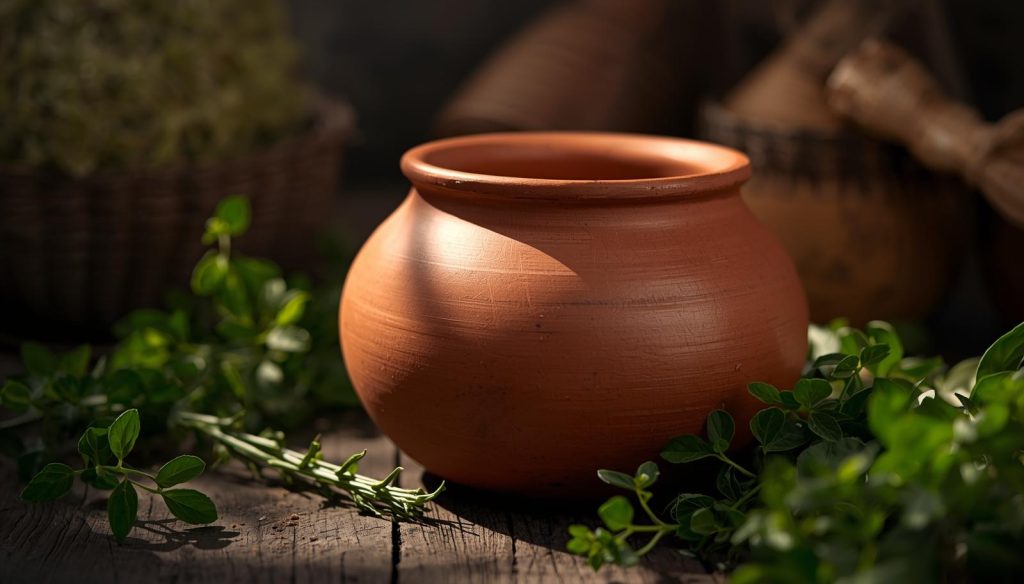
Imagine bringing the rich, earthy aroma of traditional cooking into your home with just one piece of cookware. The A+ Kitchen Clay Pot is not just any kitchen accessory; it’s a game-changer that promises to revolutionize the way you cook.
If you’re tired of meals that lack depth and are seeking a way to infuse your dishes with authentic flavors, you’re in the right place. This clay pot is your ticket to culinary excellence, offering a simple way to elevate your everyday meals into unforgettable experiences.
Curious about how this humble pot can transform your kitchen adventures? Keep reading and discover the secrets that make the A+ Kitchen Clay Pot a must-have in your culinary arsenal.

Credit: www.ebay.com.au
Benefits Of Clay Pot Cooking
Cooking with clay pots is an old tradition that many people still love. Clay pots help food cook slowly and evenly. This method brings many advantages that improve your meals.
Using clay pots can change how your food tastes and how healthy it is. The natural material helps keep flavors and nutrients in your dishes.
Nutrient Retention
Clay pots cook food at low temperatures for a long time. This slow cooking helps keep vitamins and minerals in the food. It also stops nutrients from breaking down fast.
- Food cooks gently, preserving nutrients.
- Minerals from the clay add to food quality.
- No need for extra oils or fats.
Enhanced Flavor
Clay pots give food a unique, rich taste. The porous surface lets steam circulate inside. This keeps food moist and full of flavor. The clay also adds an earthy aroma.
| Flavor Benefit | Effect on Food |
|---|---|
| Moisture retention | Keeps food juicy and tender |
| Slow steaming | Enhances natural flavors |
| Earthy aroma | Adds subtle, pleasant taste |
Natural Heat Distribution
Clay pots heat food evenly from all sides. This avoids hot spots that burn food. The heat stays steady, so food cooks well without rushing.
- Even heat helps cook food thoroughly.
- Prevents burning or overcooking.
- Maintains temperature for longer.

Credit: fromspain.com
Choosing The Right Clay Pot
Clay pots have been used for cooking for centuries. They add a unique flavor to your food.
Picking the right clay pot can improve your cooking experience and results.
Types Of Clay Pots
There are several types of clay pots. Each type suits different cooking styles and recipes.
- Unglazed Pots:These pots absorb moisture and release it slowly. They are great for slow cooking.
- Glazed Pots:These have a smooth surface. They are easier to clean and good for soups and stews.
- Terracotta Pots:Made from natural clay, they give a rustic taste to food and are good for baking.
- Salt-Glazed Pots:Have a hard surface. They resist stains and odors well.
Size And Shape Options
Clay pots come in many sizes and shapes. The choice depends on the meals you cook.
| Shape | Best For | Typical Size |
| Round | Soups, stews | 1-5 liters |
| Oval | Roasting meats | 3-7 liters |
| Shallow | Grilling, frying | 2-4 liters |
| Tall | Slow cooking, beans | 4-8 liters |
Quality Indicators
Good quality clay pots last longer and cook better. Look for these signs when buying.
- Check for cracks or chips on the pot surface.
- Tap the pot lightly; a clear sound means good quality clay.
- Make sure the pot has thick walls for even heat distribution.
- Verify that the pot is properly fired to avoid water absorption.
- Choose pots with smooth interiors to prevent food from sticking.
Preparing Your Clay Pot
Using a clay pot for cooking can bring out rich flavors in your food. Before you start, it is important to prepare the pot properly. This helps the pot last longer and cook better.
Preparing your clay pot involves seasoning, cleaning, and careful handling. Each step protects the pot and improves your cooking experience.
Seasoning Techniques
Seasoning a clay pot helps seal its surface and prevents it from cracking. It also stops food from sticking during cooking. Use simple seasoning methods for the best results.
One common way is to soak the pot in water for a few hours. Then rub it with oil and bake it slowly. This process fills tiny holes in the clay and makes the pot stronger.
- Soak the pot in water for 2 to 4 hours
- Dry it with a clean cloth
- Coat the pot inside and outside with cooking oil
- Bake the pot in an oven at 350°F (175°C) for about 1 hour
- Let the pot cool down slowly inside the oven
Cleaning Before Use
Cleaning your clay pot before cooking removes dust and dirt. Use water and a soft brush or cloth. Avoid soap or detergents because they can soak into the clay.
After cleaning, let the pot air dry completely. Make sure no water stays inside. This helps keep the pot in good shape and ready for seasoning or cooking.
- Rinse with warm water
- Use a soft brush or sponge to clean
- Do not use soap or harsh chemicals
- Dry the pot in a warm, airy place
Preventing Cracks
Clay pots can crack if they change temperature too fast. To avoid cracks, heat and cool the pot slowly. Avoid sudden temperature shocks during cooking and cleaning.
Always use low to medium heat when cooking. Do not put a cold pot on a hot stove. Also, avoid pouring cold water into a hot pot. These steps keep your pot safe and strong.
- Heat the pot gradually on low heat
- Do not expose the pot to direct flames
- Let the pot cool before washing
- Avoid sudden temperature changes
Cooking Tips For Clay Pots
Clay pots are great for cooking because they heat food slowly and evenly. They keep food moist and bring out strong flavors.
Using clay pots needs special care. Here are some tips to help you cook well with them.
Heat Management
Always start cooking with low heat to avoid cracking the clay pot. Gradually raise the heat after a few minutes.
Clay pots hold heat longer. Turn off the stove a little early to let food finish cooking in the pot.
- Use low or medium heat settings
- Preheat the pot slowly before adding food
- Do not expose the pot to sudden temperature changes
- Keep the lid on to keep heat and moisture inside
Suitable Recipes
Clay pots work well for slow-cooked meals. They are great for stews, soups, and rice dishes.
Try recipes that need long cooking times. The pot will make food tender and flavorful.
- Vegetable and meat stews
- Beans and lentils
- Rice and biryani dishes
- Slow-cooked soups and broths
Avoiding Common Mistakes
Do not heat an empty clay pot. This can cause it to crack or break.
Never put a hot clay pot into cold water. Sudden temperature changes can damage it.
- Soak new clay pots in water for 15 minutes before first use
- Use wooden or silicone utensils to avoid scratching
- Clean the pot gently with warm water and soft sponge
- Store the pot in a dry place to prevent mold
Maintaining And Caring For Clay Pots
Clay pots need special care to last a long time. Proper cleaning and storage keep them safe. Small repairs help avoid bigger problems.
Follow simple steps to keep your clay pots in good condition. This guide covers cleaning, storing, and fixing minor damages.
Cleaning After Cooking
Clean clay pots gently to avoid cracks. Use warm water and a soft brush or sponge. Avoid strong detergents or metal scrubbers.
- Rinse with warm water soon after use
- Use mild soap if needed
- Scrub lightly with a soft brush
- Dry completely before storing
Storage Recommendations
Store clay pots in a dry, ventilated place. Avoid stacking them tightly to prevent chips and cracks. Use cloth or paper between pots.
| Storage Tip | Reason |
| Keep pots dry | Prevents mold and mildew |
| Use soft padding between pots | Avoids scratches and cracks |
| Store upright | Maintains shape and balance |
| Ventilated area | Allows moisture to escape |
Repairing Minor Damages
Small cracks and chips can be fixed at home. Use natural clay mixed with water to fill cracks. Let the pot dry fully before use.
- Clean damaged area before repair
- Mix clay and water into thick paste
- Apply paste to cracks or chips
- Let dry for 24 hours
- Fire the pot lightly if possible
Health Advantages Of Clay Pot Meals
Clay pot cooking offers a natural way to prepare healthy meals. It uses gentle heat that helps keep food tasty and nutritious.
Many people choose clay pots because they help make food healthier without adding extra ingredients.
Reduced Oil Usage
Clay pots require less oil because their surface is naturally non-stick. This helps reduce fat in your meals.
- Less oil means fewer calories in your food
- Reduced oil lowers the risk of heart disease
- Cooking with less oil makes meals lighter and easier to digest
Preservation Of Nutrients
Clay pot cooking keeps vitamins and minerals intact. The slow cooking process helps preserve nutrients better than fast cooking methods.
| Cooking Method | Vitamin Retention | Mineral Retention |
| Clay Pot | High | High |
| Metal Pan | Medium | Medium |
| Microwave | Low | Low |
Chemical-free Cooking
Clay pots are made from natural materials without chemicals. This avoids harmful substances from leaching into your food.
Benefits of chemical-free cooking with clay pots:
- No toxic coatings or metals
- Safe for all types of food
- Natural earthy flavor enhances taste
Popular Dishes Made In Clay Pots
Clay pots have been used for cooking for hundreds of years. They keep food moist and add a unique flavor.
Many dishes taste better when cooked slowly in a clay pot. The heat spreads evenly and keeps food tender.
Stews And Soups
Stews and soups cook well in clay pots. The slow heat helps develop deep flavors in the broth.
Meats become soft, and vegetables blend nicely with spices. Clay pots keep the heat steady for hours.
- Beef stew with root vegetables
- Lentil soup with herbs
- Chicken stew with tomatoes and garlic
- Fish soup with lemon and dill
Rice And Grain Recipes
Clay pots are perfect for cooking rice and grains. They help the grains cook evenly without burning.
Rice absorbs flavors from spices and other ingredients. The pot also helps keep the rice fluffy and moist.
- Clay pot biryani with spices and meat
- Steamed rice with vegetables
- Barley cooked with mushrooms and herbs
- Quinoa with beans and vegetables
Vegetable And Meat Combinations
Cooking vegetables with meat in clay pots creates rich and tasty meals. The pot locks in juices and flavors.
This method makes meats tender and vegetables soft. The slow cooking helps all ingredients mix well.
- Chicken with potatoes and carrots
- Lamb with eggplant and tomatoes
- Pork with cabbage and onions
- Mixed vegetables with beef chunks
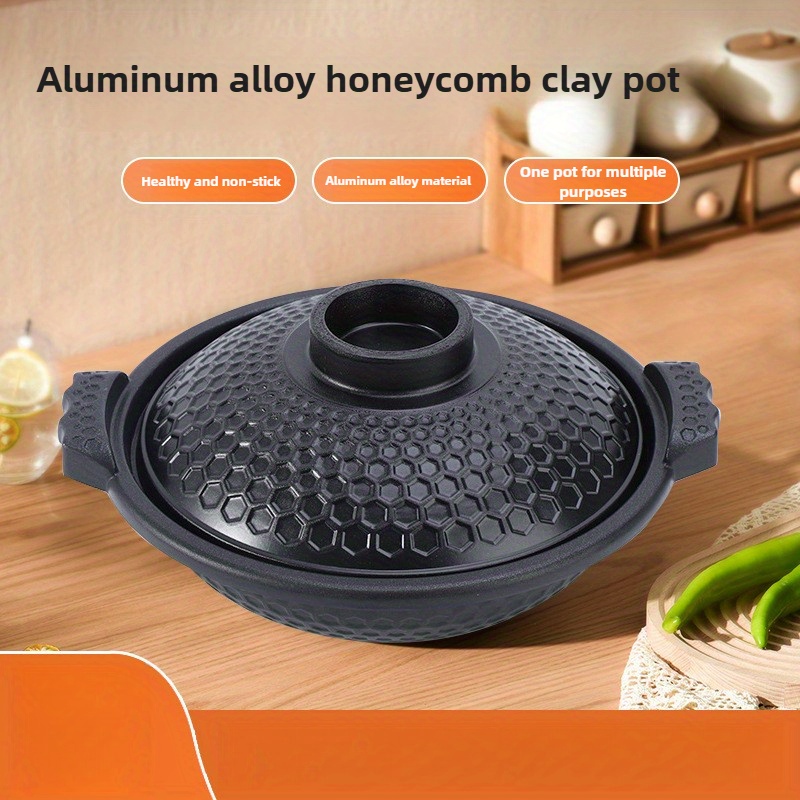
Credit: www.temu.com
Frequently Asked Questions
What Makes A+ Kitchen Clay Pot Special?
A+ Kitchen Clay Pots are made from natural, high-quality clay. They ensure even heat distribution and enhance food flavor. These pots are durable, eco-friendly, and free from harmful chemicals, making them a healthy cooking choice.
How Do You Season An A+ Kitchen Clay Pot?
To season, soak the pot in water for 24 hours. Then, apply a thin layer of oil inside. Bake it at low heat for 30 minutes. This process strengthens the pot and prevents cracking during cooking.
Can A+ Kitchen Clay Pots Be Used On Stovetops?
Yes, A+ Kitchen Clay Pots are stovetop safe. Use low to medium heat to avoid sudden temperature changes. Always heat gradually to prevent the pot from cracking or breaking during cooking.
How Should I Clean My A+ Kitchen Clay Pot?
Clean the pot with warm water and a soft brush. Avoid using soap or harsh detergents as they can absorb into the clay. Let it air dry completely before storing to prevent mold growth.
Conclusion
Choosing an A+ kitchen clay pot brings many benefits to your cooking. It heats food evenly and keeps flavors fresh. Clay pots are natural and safe for daily use. They also add a rustic charm to your kitchen. Easy to clean and durable, they last long with care.
Cooking with clay pots makes meals tastier and healthier. Try one to enjoy simple, traditional cooking at home. Your dishes will taste better, and cooking will feel more enjoyable. A clay pot is a smart choice for every kitchen.