Imagine having a clear vision of your perfect kitchen before a single cabinet is built. A drawing of a kitchen can turn your ideas into reality, helping you see every detail and make smart choices.
Whether you’re planning a full remodel or just want to refresh your space, this simple step can save you time, money, and stress. Ready to discover how a kitchen drawing can transform your home? Keep reading to unlock the secrets of designing a kitchen you’ll love.
Kitchen Layouts
Designing a kitchen starts with choosing the right layout. The layout helps decide where appliances and cabinets go. A good plan makes cooking easier and more fun.
There are many kitchen layouts. Each one fits different spaces and needs. Some layouts are open and bright. Others save space in small rooms.
Open Concept Designs
Open concept kitchens have no walls between rooms. This design joins the kitchen with the dining or living room. It creates a large, open space.
This layout is good for families and guests. People can cook and talk at the same time. It lets in more light and feels roomy.
Galley Kitchens
Galley kitchens are narrow and long. Cabinets and appliances line two opposite walls. This design uses space well in small homes.
It creates a simple work triangle for cooking. This layout is easy to move around. It is best for one or two cooks.
L-shaped Arrangements
L-shaped kitchens have cabinets on two connected walls. They form a right angle. This layout fits many kitchen sizes and shapes.
This design offers good counter space and storage. It leaves room for a dining table or island. It works well for small to medium kitchens.
U-shaped Plans
U-shaped kitchens have cabinets on three walls. This layout creates plenty of work surface. It surrounds the cook with storage and appliances.
This design is great for big kitchens. It allows several people to work together. It keeps everything close for easy access.

Credit: www.youtube.com
Color Palettes
Choosing the right color palette is important for a kitchen drawing. Colors set the mood and style.
Different color palettes create unique feelings and designs for kitchens.
Neutral Tones
Neutral tones use colors like beige, white, gray, and brown. They create calm and simple kitchens.
These colors make the kitchen look clean and timeless. They match many styles.
- Soft beiges add warmth
- Gray adds modern touch
- White makes space look bigger
- Brown brings natural feel
Bold And Bright Colors
Bold colors like red, blue, and yellow bring energy to a kitchen drawing. They make it stand out.
Bright colors can highlight cabinets or walls. Use them to create a fun space.
- Red adds excitement
- Blue feels fresh and clean
- Yellow brings happiness
- Green gives a natural vibe
Pastel Shades
Pastel colors are soft and light. They create a gentle and welcoming kitchen look.
Use pastel blues, pinks, or greens for a calm and fresh design.
- Pastel pink adds warmth
- Pastel blue feels peaceful
- Pastel green connects to nature
- Pastel yellow gives soft cheer
Monochromatic Schemes
Monochromatic schemes use different shades of one color. This creates a clean and organized look.
It is easy to mix and match tones for balance and style in the kitchen drawing.
- Light blue with dark blue accents
- Soft gray with charcoal details
- Beige mixed with brown shades
- Green with mint and forest tones
Material Choices
Choosing the right materials is key for a kitchen drawing. It shows how your kitchen will look and feel.
Materials affect durability, style, and ease of cleaning. Think about what suits your needs best.
Countertops And Surfaces
Countertops need to be strong and easy to clean. Popular options include stone, wood, and laminate.
Stone surfaces like granite and quartz are durable and look elegant. Wood adds warmth but needs care.
- Granite: heat-resistant, scratch-resistant
- Quartz: non-porous, low maintenance
- Wood: natural, can be refinished
- Laminate: budget-friendly, many designs
Cabinet Finishes
Cabinet finishes change the kitchen’s style and protect the wood. You can choose paint, stain, or veneer.
Paint offers many colors, while stain shows the wood grain. Veneer is a thin wood layer for a smooth look.
- Paint: smooth, many color choices
- Stain: highlights natural wood grain
- Veneer: thin wood layer, uniform look
- Lacquer: glossy, durable finish
Flooring Options
Kitchen floors must handle spills and heavy use. Materials like tile, wood, and vinyl are common choices.
Tile is water-resistant and easy to clean. Wood adds warmth but needs protection. Vinyl is soft and budget-friendly.
- Tile: durable, water-resistant
- Hardwood: warm, natural look
- Vinyl: soft, affordable, easy care
- Laminate: scratch-resistant, looks like wood
Backsplash Ideas
Backsplashes protect walls and add style. Popular materials include tile, glass, and metal.
Tile offers many shapes and colors. Glass looks sleek and is easy to clean. Metal adds a modern touch.
- Ceramic tile: classic, many designs
- Glass tile: shiny, easy to clean
- Metal: modern, reflective surface
- Stone: natural, textured look
Lighting Solutions
Lighting plays a key role in kitchen design. It affects mood and function.
Choosing the right lighting makes cooking safer and more enjoyable.
Natural Light Integration
Natural light brightens the kitchen and saves energy. Large windows and skylights help.
Use light curtains to keep the room bright without glare.
Pendant Lights
Pendant lights hang from the ceiling and add style. They focus light on islands or counters.
- Choose warm bulbs for a cozy look
- Match size to the kitchen area
- Place them at eye level for best effect
Under-cabinet Lighting
Under-cabinet lights brighten work surfaces. They reduce shadows when chopping or reading recipes.
| Type | Advantages | Best Use |
| LED strips | Energy saving, long-lasting | Task lighting |
| Fluorescent bars | Bright, cost-effective | General lighting |
| Puck lights | Focused spots | Accent lighting |
Ambient And Task Lighting
Ambient lighting provides overall light in the kitchen. Task lighting helps with specific jobs.
Good kitchen lighting combines both types:
- Ambient lights like ceiling fixtures fill the room with soft light
- Task lights focus on cooking and cleaning areas
Storage Innovations
Kitchen storage has changed a lot in recent years. New ideas help keep kitchens neat and easy to use.
Smart storage makes cooking and cleaning faster. It also saves space in small kitchens.
Pull-out Shelves
Pull-out shelves slide out like drawers. They help you reach items in the back easily.
These shelves keep pots, pans, and food organized. You can see everything without bending down.
- Easy to access deep cabinet spaces
- Reduces clutter by showing all items
- Works well for heavy kitchenware
Corner Cabinets
Corner cabinets often waste space. Special designs make these corners useful for storage.
Lazy Susans and swing-out racks help store items neatly. They bring everything within reach.
- Maximizes awkward corner spaces
- Easy access to pots and pans
- Prevents items from getting lost
Open Shelving
Open shelves keep dishes and jars visible. This makes it easy to find what you need.
They add a modern look to kitchens. You can decorate shelves with plants or cookbooks.
- Quick access to everyday items
- Displays attractive kitchenware
- Encourages keeping shelves tidy
Built-in Pantry
A built-in pantry offers lots of space for food storage. It keeps everything organized in one place.
Pantries can have shelves, drawers, or baskets. They help you sort items by type or use.
- Keeps food fresh and easy to find
- Reduces clutter on counters
- Customizable to fit kitchen size

Credit: www.youtube.com
Appliance Integration
Appliance integration means fitting kitchen appliances smoothly into the kitchen design. It helps keep a clean and organized look in the kitchen.
Good integration makes the kitchen easier to use and looks modern. It also saves space and hides clutter.
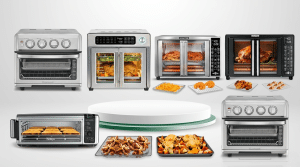
Built-in Appliances
Built-in appliances fit directly into cabinets or walls. They blend well with the kitchen style. This makes the space look neat and tidy.
Common built-in items include ovens, microwaves, and refrigerators. These appliances save counter space and create a smooth flow.
- Built-in ovens and microwaves save countertop space
- Built-in refrigerators match cabinet colors and styles
- Dishwashers can be hidden behind cabinet doors
Smart Kitchen Gadgets
Smart kitchen gadgets connect to the internet and offer easy control. They help with cooking, cleaning, and managing food.
These devices can be controlled by phone or voice. They make the kitchen more efficient and save time.
- Smart refrigerators monitor food and suggest recipes
- Voice-controlled ovens adjust cooking settings
- Smart faucets save water and control temperature
Energy-efficient Models
Energy-efficient appliances use less power and reduce bills. They also help protect the environment by saving energy.
These models work well and last longer. They are good choices for any kitchen design.
- Energy Star-rated refrigerators and dishwashers
- LED lighting in ovens and microwaves
- High-efficiency washers and dryers
Hidden Appliance Storage
Hidden appliance storage keeps small appliances out of sight. This keeps counters clear and the kitchen tidy.
Storage options include pull-out shelves and built-in cabinets. These hide appliances when not in use.
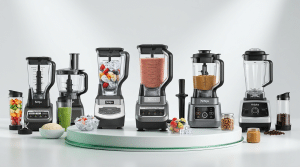
- Pull-out trays for mixers and blenders
- Cabinet doors that hide toasters and coffee makers
- Under-counter storage for small appliances
Decorative Elements
Decorative elements make a kitchen feel warm and personal. They add style and character to the space.
Small touches can change the look and mood of your kitchen. Choose items that fit your taste and space.
Artwork And Wall Decor
Artwork adds color and personality to kitchen walls. Choose pieces that inspire you or match your style.
Wall decor can include framed prints, plates, or metal signs. These items create focal points and add interest.
- Framed food or nature prints
- Decorative plates or platters
- Chalkboards for notes and menus
- Metal wall art with kitchen themes
Plants And Greenery
Plants add life and fresh air to the kitchen. They bring a natural feel and soften hard surfaces.
Choose easy-care plants that thrive indoors. Herbs are great because they are pretty and useful.
- Small potted herbs like basil or mint
- Succulents and cacti for low care
- Hanging plants to save counter space
- Fresh flowers in simple vases
Textiles And Rugs
Textiles add softness and color to the kitchen. Rugs help define areas and provide comfort underfoot.
Use dish towels, curtains, and cushions to add patterns and textures. Rugs can be small or large depending on space.
- Patterned dish towels for color and function
- Cushions on kitchen chairs for comfort
- Area rugs to brighten floor space
- Window curtains to soften light
Unique Hardware
Hardware like knobs and pulls add detail to cabinets. Unique pieces can change the whole look of the kitchen.
Choose hardware that matches your kitchen style. Metal finishes and shapes create different effects.
- Brushed nickel for a modern look
- Antique brass for vintage style
- Colored ceramic knobs for fun accents
- Leather pulls for a natural touch

Credit: www.freepik.com
Frequently Asked Questions
What Tools Are Best For Drawing A Kitchen?
Pencils, rulers, erasers, and graph paper are ideal for kitchen drawings. Digital tools like CAD software also help create precise designs and layouts efficiently.
How Do You Create A Functional Kitchen Drawing?
Start with a floor plan, mark appliances and storage, and ensure enough workspace. Consider traffic flow and ergonomic placement for comfort and convenience.
What Details Should A Kitchen Drawing Include?
Include cabinets, countertops, appliances, windows, doors, and lighting fixtures. Accurate measurements and material notes enhance clarity and help during construction or remodeling.
Why Is Kitchen Drawing Important Before Renovation?
It helps visualize the space, plan layouts, and avoid costly mistakes. Proper drawings ensure efficient use of space and smooth communication with contractors.
Conclusion
Creating a kitchen drawing offers a unique creative outlet. It blends design with function. This activity sharpens observation skills. You notice details you might miss otherwise. It also fosters a deeper appreciation for kitchen layouts. Anyone can start, no need for special skills.
Just grab a pencil and paper. Enjoy the process, don’t rush. It’s about expressing your vision. Share your drawing with friends. They might see your kitchen in a new light. Engage with other art enthusiasts. Learn from each other and grow.
Happy drawing!