How to Clean Messy Kitchen No Dishwasher | Quick Easy Guide
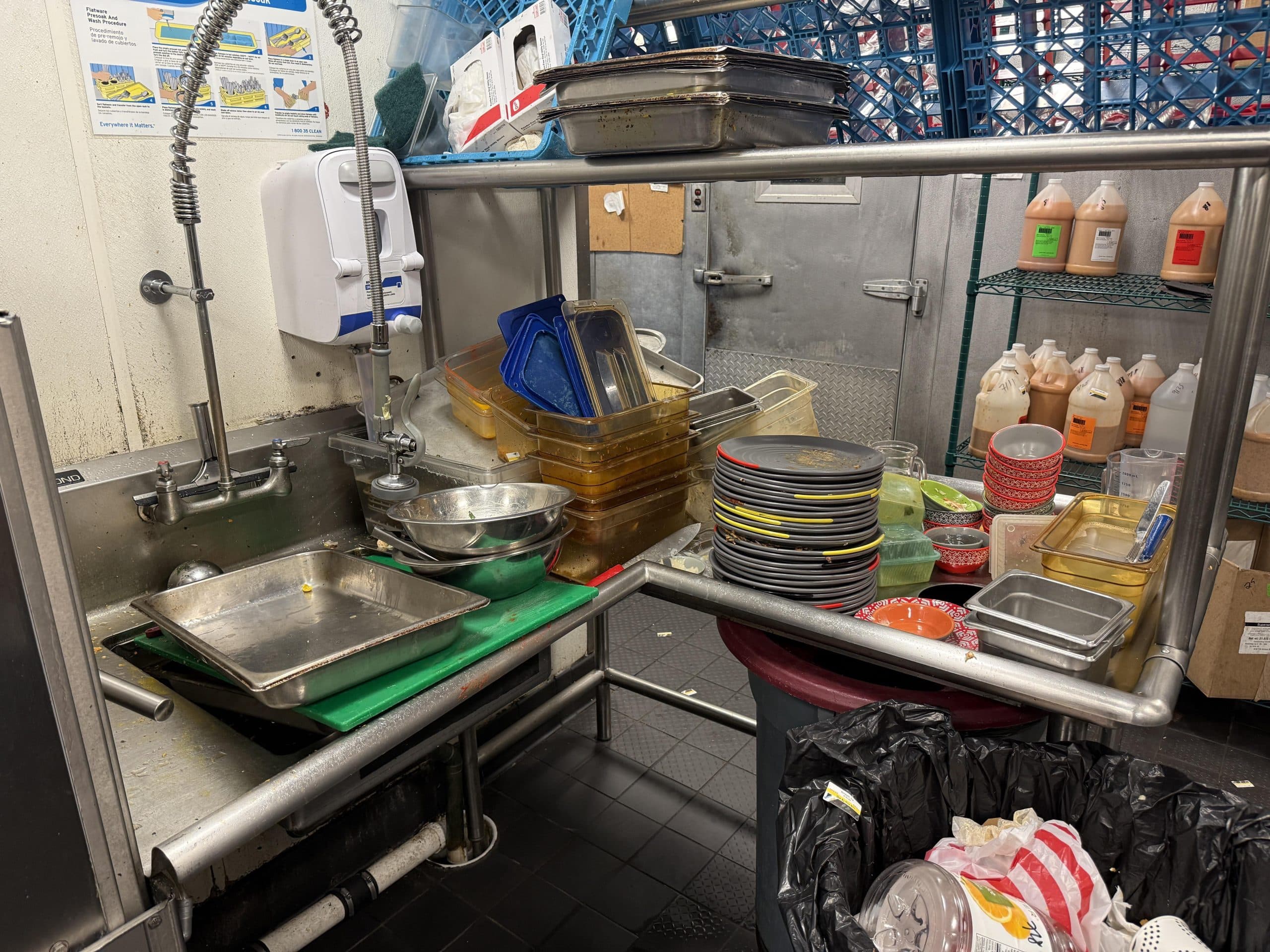
Picture this: you walk into your kitchen after a delicious home-cooked meal, only to be greeted by a mountain of dirty dishes and a countertop covered in crumbs and spills. Without a dishwasher to save the day, the task of cleaning up can feel overwhelming.
But don't worry—you're not alone. Many people face this challenge, and with the right strategies, you can tackle that messy kitchen quickly and efficiently. Imagine transforming your chaotic kitchen into a spotless, welcoming space, all without the help of a machine.
Intrigued? Let's dive into simple, effective techniques that make cleaning up a breeze, leaving you with more time to enjoy the things you love.
Prepare Your Cleaning Supplies
Cleaning a messy kitchen without a dishwasher needs good preparation. Having the right supplies makes the job easier.
Gathering all your tools before starting saves time and keeps you organized.
Gather Dish Soap And Sponges
Dish soap helps remove grease and food from dishes and surfaces. Choose a soap that cuts through grease well.
Use soft sponges for delicate dishes and rough scrubbers for pots and pans. Have both ready to clean efficiently.
- Liquid dish soap
- Soft sponges
- Scrubbing pads
Fill A Sink Or Basin With Hot Water
Hot water helps loosen food stuck on dishes. Fill your sink or a large basin with hot water before you start.
Add some dish soap to the water to create suds. This will make washing faster and easier.
Prepare Drying Towels Or Racks
After washing, dishes need a clean place to dry. Use dry towels or a drying rack to keep things tidy.
Make sure towels are clean and dry to avoid spreading germs or dirt back onto dishes.
- Clean kitchen towels
- Drying rack or tray
Have A Trash Bin And Compost Ready
Clearing food scraps and trash helps keep your kitchen clean. Keep a trash bin and compost container nearby.
This makes it easy to throw away waste while you clean dishes and surfaces.
- Trash bin for waste
- Compost container for food scraps
Use Cleaning Cloths And Surface Cleaner
Cleaning cloths help wipe counters and tables after washing dishes. Use microfiber cloths for best results.
Choose a surface cleaner safe for your kitchen counters. This keeps your space fresh and germ-free.
Clear The Clutter First
Cleaning a messy kitchen without a dishwasher starts with clearing the clutter. Removing unnecessary items helps you see what needs to be cleaned. It also makes the process faster and easier.
Focus on three main tasks: gathering dirty dishes, organizing food items, and removing trash and recycling. Each step prepares your kitchen for a thorough cleaning.
Gather Dirty Dishes
Collect all dirty dishes from around the kitchen and dining areas. Stack plates, cups, and utensils neatly to save space. This will help you wash them efficiently by hand.
- Scrape leftover food into the trash
- Soak tough stains in warm soapy water
- Separate fragile items to avoid breaking
- Use a drying rack to air dry dishes
Organize Food Items
Clear off counters and shelves by grouping food items. Check for expired products and throw them away. Arrange the rest neatly for easy access and better storage.
| Food Type | Storage Tip |
| Canned Goods | Stack by expiration date |
| Fresh Produce | Keep in the fridge or fruit bowl |
| Dry Ingredients | Use airtight containers |
| Spices | Store in a cool, dark place |
Remove Trash And Recycling
Empty all trash bins and recycling containers. This prevents odors and frees space for cleaning. Sort items correctly to help with waste management.
Follow this simple sorting guide:
- Plastic bottles and containers go in recycling
- Food scraps belong in compost or trash
- Paper and cardboard should be clean and dry
- Glass bottles and jars need rinsing before recycling
Hand Wash Efficiently
Cleaning a messy kitchen without a dishwasher can be quick and easy. You just need the right approach to hand washing dishes.
Focus on using simple techniques to save water, time, and effort while keeping your dishes clean.
Soak Stubborn Pots And Pans
Fill pots and pans with hot water and a little dish soap. Let them soak for 15 to 30 minutes.
This loosens stuck food and grease, making scrubbing easier and faster.
Use The Two-basin Method
Fill one basin with hot soapy water for washing. Fill the other with clean water for rinsing.
Wash dishes in the soapy water, then rinse them in the clean water. This saves water and keeps dishes spotless.
- Wash dishes from least dirty to most dirty
- Use a sponge or brush for better cleaning
- Change rinse water if it gets dirty
Dry And Store Dishes Properly
Use a clean dish rack or towel to dry dishes after rinsing. Air drying reduces germs and spots.
Store dishes in their proper places once dry to keep your kitchen organized and ready for the next meal.

Credit: www.aol.com
Clean Countertops And Surfaces
Cleaning your kitchen countertops and surfaces is key to a tidy space. Without a dishwasher, you need simple ways to keep everything clean.
Focus on wiping down surfaces regularly and dealing with stains quickly. This keeps your kitchen fresh and safe for cooking.
Wipe Down With Natural Cleaners
Natural cleaners like vinegar and lemon work well on kitchen surfaces. They clean without harsh chemicals and leave no strong smell.
Mix equal parts water and vinegar in a spray bottle. Spray the surface and wipe with a clean cloth for a quick clean.
- Use lemon juice to remove grease and shine surfaces
- Use baking soda paste for gentle scrubbing
- Always test cleaners on a small area first
Sanitize Cutting Boards
Cutting boards can hold bacteria from raw food. Clean them well to keep your kitchen safe.
Use hot soapy water to wash boards after use. Then, wipe with a vinegar solution to kill germs.
- Use separate boards for meat and vegetables
- Apply lemon and salt to remove stains and odors
- Air dry boards completely before storing
Handle Stubborn Stains
Some stains on countertops need extra care. Act fast to stop stains from setting in.
Make a paste with baking soda and water. Rub it gently on the stain and let it sit for 10 minutes before wiping off.
- Avoid harsh scrubbing to protect surfaces
- Repeat treatment if stains stay after first try
- Use a soft brush for textured surfaces
Tackle The Sink Area
The sink area is often the messiest part of a kitchen without a dishwasher. Cleaning it well makes your kitchen feel fresh and neat.
Focus on scrubbing the sink, cleaning the faucet and drain, and preventing clogs to keep this area clean and functional.
Scrub The Sink
Start by removing any dishes or food scraps. Use warm water and dish soap to scrub the sink with a sponge or brush.
Pay attention to corners and the drain area where grime builds up. Rinse thoroughly to remove soap and dirt.
Clean The Faucet And Drain
Wipe the faucet with a damp cloth and some mild cleaner. Clean around the base to remove water spots and grime.
Use a small brush or an old toothbrush to scrub the drain cover and faucet handles for better hygiene.
Prevent Clogs
Avoid pouring grease or food scraps down the drain. Use a drain strainer to catch debris before it goes in.
- Dispose of food scraps in the trash or compost
- Rinse dishes before washing to remove large particles
- Flush drains regularly with hot water to clear buildup

Credit: www.delish.com
Organize Kitchen Tools And Utensils
Cleaning a messy kitchen without a dishwasher can be easier with good organization. Keeping your tools and utensils sorted helps save time and reduces clutter.
Organizing your kitchen items makes cleaning faster and keeps your space neat. This guide focuses on how to organize tools and utensils effectively.
Sort By Frequency Of Use
Keep the items you use daily within easy reach. Store less-used tools in drawers or cupboards further away.
Sorting helps you find what you need quickly and reduces mess on counters and in drawers.
- Place everyday utensils near the stove or prep area
- Store seasonal or rare tools in higher cabinets
- Group similar items together for faster access
Use Storage Solutions
Use containers, racks, or drawer dividers to keep tools organized. This prevents items from mixing and cluttering your space.
Vertical storage and wall hooks save counter space and keep things visible.
- Drawer dividers separate spoons, forks, and knives
- Magnetic strips hold knives safely on the wall
- Utensil holders keep tools upright on the counter
- Hanging racks store pots, pans, or measuring cups
Maintain Order Daily
Put tools back in their place after each use. This habit stops clutter from building up again.
Spend a few minutes each day tidying to keep your kitchen ready for cooking and cleaning.
- Clean and dry tools before storing them
- Check storage areas weekly to keep things neat
- Remove broken or unused items regularly
Speed Up Future Cleanups
Cleaning a messy kitchen without a dishwasher can feel like a big task. Planning ahead helps make future cleanups faster and easier. Simple habits and tools can save time and effort.
Try these tips to keep your kitchen tidy and reduce the mess after cooking.
Clean As You Cook
Cleaning while you cook stops mess from piling up. Wash and dry dishes as you finish using them. Wipe counters after chopping or mixing. This keeps your workspace clear and saves time later.
- Rinse utensils after each use
- Place used pots in the sink right away
- Wipe spills immediately
- Clear empty containers and packaging
Use Multipurpose Cleaning Tools
Choose cleaning tools that work on many surfaces. A good sponge, scrub brush, and microfiber cloth can handle most jobs. This reduces the number of tools you need, saving space and time.
| Tool | Uses | Care Tips |
| Sponge | Washing dishes, wiping counters | Rinse well, air dry after use |
| Scrub Brush | Cleaning pots, scrubbing sinks | Remove food debris, dry properly |
| Microfiber Cloth | Dusting, polishing, wiping surfaces | Wash regularly without fabric softener |
Set A Cleaning Schedule
Make cleaning a habit by setting a schedule. Decide which tasks to do daily, weekly, or monthly. This keeps your kitchen organized and prevents mess buildup.
- Daily: Wash dishes, wipe counters, sweep floor
- Weekly: Clean fridge, mop floor, scrub sink
- Monthly: Deep clean oven, organize cabinets

Credit: www.moveoutcleaningserviceaustin.com
Frequently Asked Questions
How To Wash Dishes Quickly Without A Dishwasher?
Start by soaking dishes in warm, soapy water. Use a scrubber to clean each item thoroughly. Rinse with hot water and dry with a clean towel. Organize dishes by type to speed up the process.
What Are The Best Tools For Hand Washing Dishes?
Use a soft scrub brush or sponge, dish soap, and a drying rack. A basin helps soak tough stains. Microfiber cloths are perfect for drying and polishing glassware without streaks.
How To Keep Kitchen Counters Clean During Dishwashing?
Clear the counters of clutter before washing dishes. Use a damp cloth to wipe spills immediately. Keep a spray cleaner handy to disinfect surfaces after washing.
Can I Clean Greasy Pans Without A Dishwasher?
Yes, soak greasy pans in hot, soapy water for 15-20 minutes. Use a scrubber or baking soda paste to remove stubborn grease. Rinse thoroughly and dry.
Conclusion
Cleaning a messy kitchen without a dishwasher is possible. Start with sorting dishes and clearing the counters. Use warm water and soap to wash by hand. Dry dishes with a clean towel to avoid spots. Clean as you go to save time and effort.
Keep your kitchen tidy daily to prevent big messes. Small steps make cleaning easier and quicker. A neat kitchen feels good and works better. Try these simple tips for a fresh, clean space.