
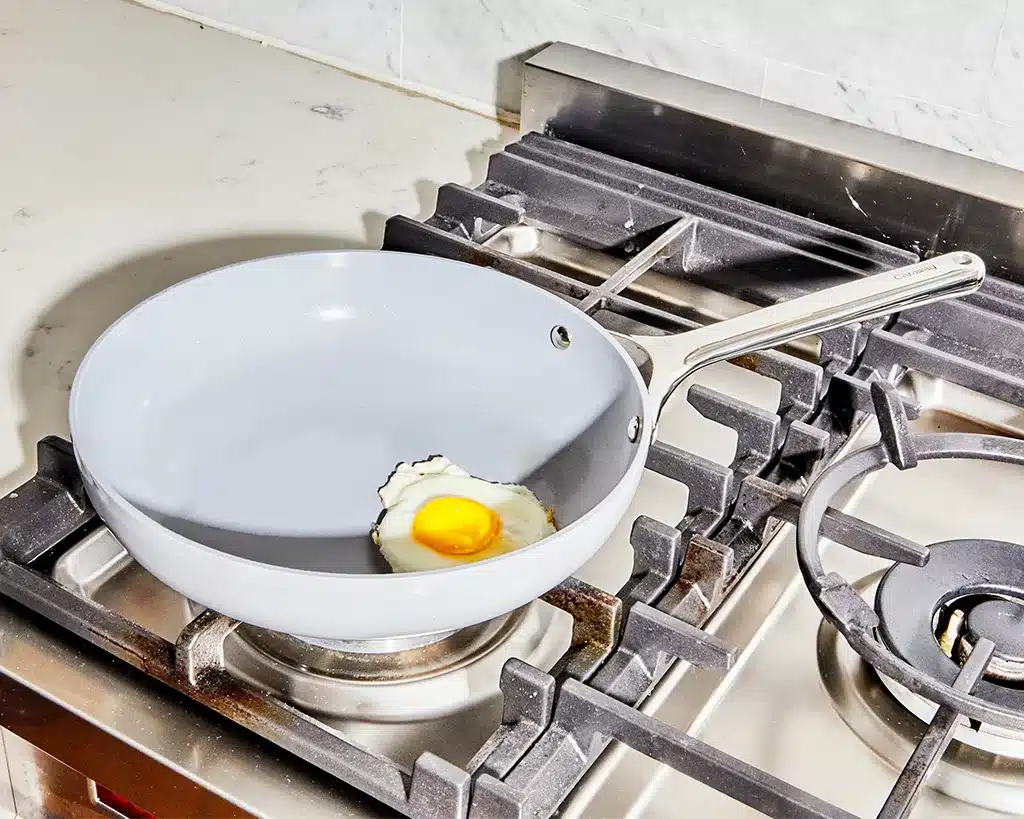
Are your old kitchen pots and pans starting to pile up, and you're wondering if they can be recycled? You're not alone.
Many of us face the same dilemma when it's time to replace those trusty cooking companions. After all, knowing the right way to dispose of kitchenware can make a big difference for our planet and your peace of mind. Imagine the satisfaction of clearing out your kitchen clutter while contributing to a greener world.
If you're curious about the fate of your aging cookware and how you can make eco-friendly choices, you're in the right place. Let's dive into the possibilities of recycling your kitchen pots and pans, and discover how you can become an eco-conscious kitchen hero.
Types Of Kitchen Pots And Pans
Kitchen pots and pans come in many types. They differ in shape, size, and use. Knowing their materials helps to understand recycling options.
This guide looks at common materials and coatings used in cookware. It explains what they are and how they affect recycling.
Materials Used In Cookware
Cookware can be made from metals, ceramics, or combinations. Each material has unique features and recycling rules.
- Aluminum:Lightweight and good for heat conduction. Often recycled easily.
- Stainless Steel:Durable and resistant to rust. Widely recyclable.
- Cast Iron:Heavy and holds heat well. Can be recycled but needs cleaning.
- Copper:Excellent heat conductor but often mixed with other metals. Recycling depends on purity.
- Ceramic:Non-metal, not usually recyclable in metal streams.
- Non-stick materials:Usually on metal bases, but coatings can affect recycling.
Common Coatings And Finishes
Cookware often has coatings to improve cooking or cleaning. These layers affect durability and recyclability.
| Coating Type | Description | Recycling Notes |
| Non-stick (PTFE) | Prevents food from sticking, often Teflon-based. | Hard to recycle with metals; may require special handling. |
| Ceramic Coating | Made from inorganic materials; scratch-resistant. | Can complicate metal recycling; often discarded with waste. |
| Enamel | Glass coating fused on metal surfaces. | Recyclable if metal base is accepted; enamel can cause issues. |
| Polished Stainless Steel | Shiny finish for appearance and corrosion resistance. | Fully recyclable as metal. |
Recyclability Of Different Materials
Kitchen pots and pans come in many materials. Some are easy to recycle, while others are more difficult.
Knowing which materials can be recycled helps reduce waste and protects the environment.
Aluminum And Stainless Steel
Aluminum pots and pans are highly recyclable. Recycling aluminum saves a lot of energy compared to making new aluminum.
Stainless steel is also recyclable. It can be melted down and reused without losing quality.
- Aluminum recycling is common and widely accepted.
- Stainless steel recycling requires special facilities.
- Both metals keep their properties after recycling.
Cast Iron And Copper
Cast iron pans are recyclable but need heavy metal recycling centers. Recycling cast iron helps save natural resources.
Copper pots and pans are also recyclable. Copper is valuable and can be reused many times.
- Cast iron recycling is less common but possible.
- Copper recycling is highly efficient and widely done.
- Both metals require proper sorting before recycling.
Non-stick And Ceramic Coatings
Non-stick pans often have coatings that make recycling harder. The coatings can release harmful chemicals if not handled properly.
Ceramic-coated pans are difficult to recycle. The ceramic layer does not melt with metal and must be removed first.
- Non-stick coatings limit metal recycling options.
- Ceramic coatings require special recycling methods.
- Check local rules before recycling these pans.
Challenges In Recycling Cookware
Recycling kitchen pots and pans is not easy. These items often have parts that make recycling hard.
Understanding the challenges helps us find better ways to recycle cookware safely and effectively.
Mixed Materials And Coatings
Many pots and pans use different metals like aluminum and steel. They also have coatings to stop food from sticking.
These mixed materials and coatings make it hard to separate parts for recycling. Coatings can also damage recycling machines.
- Multiple metals joined together
- Non-stick or ceramic coatings
- Handles made from plastic or rubber
Contamination And Wear
Cookware often has food residue or grease inside. This contamination makes recycling less efficient.
Old pots and pans can be scratched or rusted. Worn cookware can lower the quality of recycled materials.
- Food and oil residue
- Rust and scratches
- Burn marks and stains
Local Recycling Restrictions
Many recycling centers do not accept cookware. They lack the tools to recycle mixed materials safely.
Rules vary by location. Some places ask you to throw pots and pans in the trash instead of recycling.
- Limited recycling programs for cookware
- Different rules in each city or town
- Special drop-off points may be needed
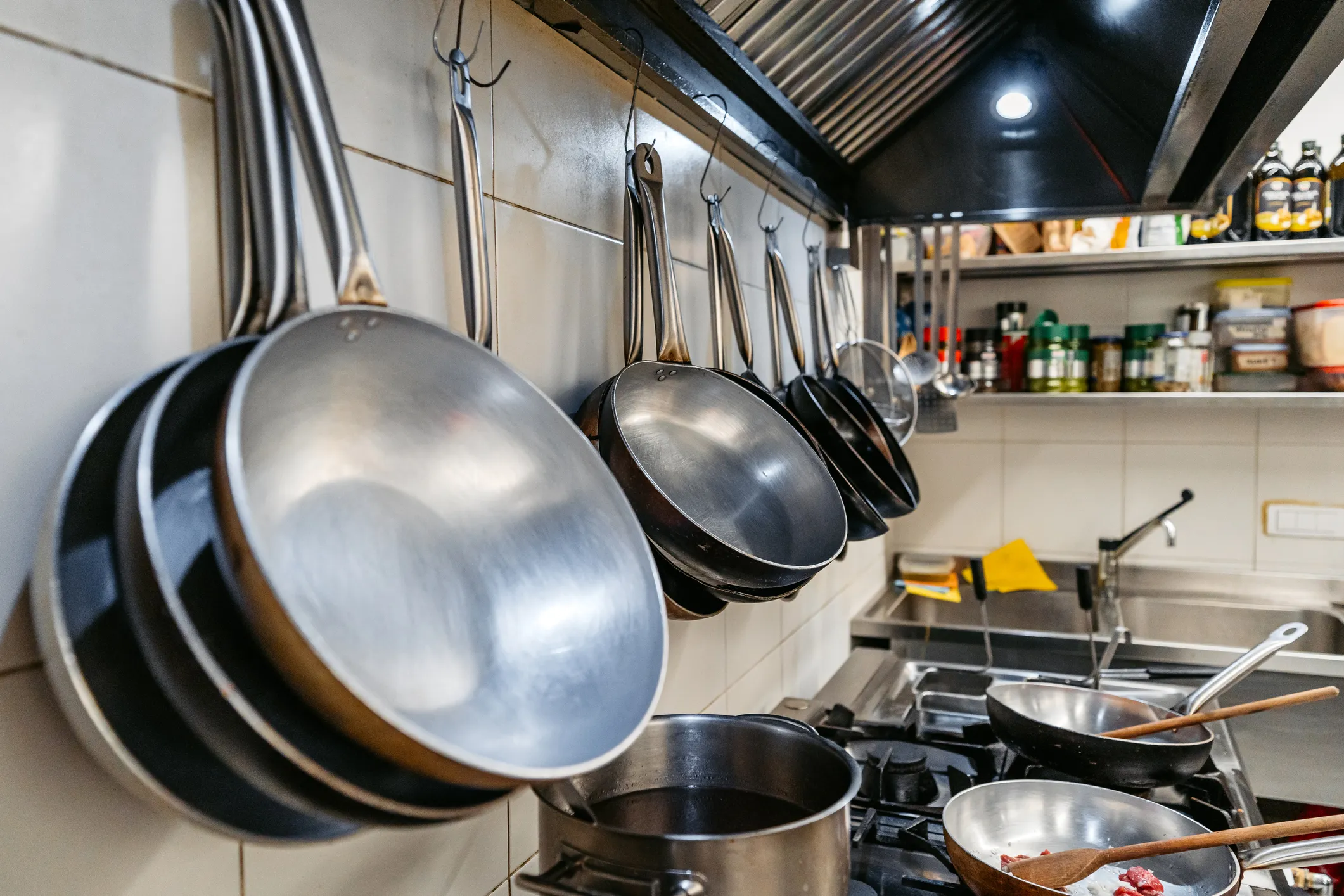
Credit: schaumburgspecialties.com
Eco-friendly Disposal Options
Kitchen pots and pans can last a long time but may need disposal when worn out. Finding eco-friendly ways to dispose of them helps reduce waste.
Many materials in pots and pans can be reused or recycled. Learning about these options keeps metal out of landfills.
Donating And Reusing
If your pots and pans still work, consider donating them. Someone else can use them instead of buying new ones.
Community centers, shelters, and thrift stores often accept kitchen items. Reusing helps extend the product’s life.
Scrap Metal Recycling Centers
Old pots and pans made of metal can be taken to scrap metal recycling centers. These places melt down metal to create new products.
Separate any plastic or non-metal parts before recycling. Recycling metal saves energy and reduces mining for new materials.
- Look for local scrap metal recycling centers
- Clean and remove non-metal parts
- Drop off the metal pots and pans for recycling
Creative Upcycling Ideas
Upcycling means turning old pots and pans into new useful items. This reduces waste and adds charm to your home.
Some pots can become planters, storage containers, or even light fixtures. Upcycling lets you reuse without needing special tools.
- Use old pans as garden planters
- Turn pots into bird feeders
- Make a lamp shade from a metal pan
- Create storage for small tools or craft supplies
Preparing Cookware For Recycling
Many people wonder if kitchen pots and pans can be recycled. Most metal cookware can be recycled, but you need to prepare it first.
Preparing your cookware properly helps recycling centers process the items more easily. This guide explains how to get your pots and pans ready.
Cleaning And Removing Non-metal Parts
Before recycling, clean your pots and pans well. Remove all food residue and grease. Dirty items can cause problems during recycling.
Check for parts that are not metal. These may include rubber or plastic coatings, stickers, or labels. Removing these parts helps keep the metal pure.
- Wash pots and pans with soap and water
- Scrape off stuck-on food
- Peel off stickers and labels
- Remove any rubber or plastic coatings
Separating Handles And Lids
Many pots and pans have handles and lids made from different materials. Handles can be wood, plastic, or metal. Lids might have glass or plastic parts.
Take off handles and lids if possible. Separate metal parts from non-metal parts. This makes recycling easier and more effective.
- Unscrew or unclip handles if you can
- Remove glass lids or plastic knobs
- Sort metal parts apart from other materials
Checking Local Guidelines
Recycling rules vary by location. Check your local recycling program before you recycle pots and pans. Some places accept metal cookware in curbside bins.
Other areas may require you to take cookware to special scrap metal centers. Knowing the rules helps you recycle correctly and avoid contamination.
- Visit your city or town’s recycling website
- Call your waste management service
- Ask if metal cookware is accepted curbside
- Find locations for scrap metal drop-off
Benefits Of Recycling Kitchen Cookware
Recycling kitchen pots and pans helps reduce waste. It saves materials and energy for new products.
Recycling old cookware supports a cleaner environment. It lowers pollution and conserves resources.
Reducing Landfill Waste
Old pots and pans take up space in landfills. Recycling them keeps trash out of these areas.
Less landfill waste means less soil and water pollution. This protects plants, animals, and people.
Conserving Natural Resources
Recycling cookware saves metal and other raw materials. This reduces the need to mine or extract new resources.
Using recycled materials lowers damage to forests and water sources. It helps keep nature healthy.
Lowering Carbon Footprint
Making new pots and pans uses a lot of energy. Recycling uses less energy and cuts greenhouse gases.
Lower carbon emissions slow down climate change. Recycling kitchen cookware helps fight global warming.
Alternatives To Traditional Cookware
Traditional pots and pans often have coatings that can harm the environment. Choosing alternatives helps reduce waste and pollution. Many options use safer materials and last longer.
This article explores sustainable materials and cookware that can be repaired or reused. These choices support eco-friendly kitchens and reduce the need for frequent replacements.
Sustainable Materials
Cookware made from sustainable materials uses natural or recycled resources. These materials often have lower environmental impact than traditional metals or non-stick coatings.
- Ceramic cookware uses natural clay and minerals.
- Cast iron is durable and recyclable.
- Stainless steel can be recycled and lasts many years.
- Glass pots and pans do not release toxins and can be recycled.
- Recycled aluminum reduces mining and waste.
Long-lasting And Repairable Options
Cookware that lasts longer lowers waste by avoiding frequent disposal. Repairable pots and pans save money and reduce landfill waste. Look for designs that allow parts to be fixed or replaced.
| Type | Durability | Repair Options |
| Cast Iron | Very High | Can be re-seasoned and restored |
| Stainless Steel | High | Handles and lids can be replaced |
| Ceramic | Moderate | Chips can sometimes be repaired |
| Non-stick | Low | Usually not repairable |
Credit: www.recyclecoach.com
Credit: www.idealhome.co.uk
Frequently Asked Questions
Are Kitchen Pots Recyclable In Standard Recycling Bins?
Most kitchen pots are not recyclable in standard bins due to mixed materials. Metal pots may need special scrap metal recycling. Non-metal or coated pots often require disposal through designated facilities.
How Can I Recycle Non-stick Pans Safely?
Non-stick pans are difficult to recycle because of chemical coatings. Check with local recycling centers for specific guidelines. Some centers accept them as scrap metal after coating removal.
Can Cast Iron Pans Be Recycled Or Reused?
Cast iron pans are highly recyclable and reusable. They can be melted down at scrap metal centers or refurbished for cooking. Reusing is often preferred due to their durability.
What Should I Do With Damaged Aluminum Cookware?
Damaged aluminum cookware can usually be recycled as scrap metal. Clean the cookware and take it to a metal recycling facility. Avoid placing it in curbside recycling bins.
Conclusion
Kitchen pots and pans can often be recycled, but it depends on the material. Metals like aluminum and stainless steel are usually accepted by recycling centers. Non-metal items, such as those with plastic or non-stick coatings, may not be recyclable.
Always check local recycling rules before tossing old cookware. Recycling helps reduce waste and saves resources. It’s a simple way to care for the environment. Keep your kitchen green by recycling pots and pans properly. Small actions can make a big difference.


