How to Disinfect a Wooden Cutting Board: Safe, Natural, and Effective Methods
Wondering how to disinfect a wooden cutting board properly? You’re not alone. While wooden boards are a kitchen staple, they can harbor bacteria if not disinfected correctly.
But don’t worry—keeping your board spotless and safe is easier than you think. Imagine cooking your favorite meals with confidence, knowing your cutting board is not only clean but hygienic for your family.
In this guide, you’ll discover simple and effective methods on how to disinfect a wooden cutting board, ensuring it remains a healthy part of your kitchen routine.
Ready to transform your cleaning habits? Let’s dive in and uncover the secrets to a germ-free kitchen staple.
Choosing The Right Cleaning Tools
Cleaning a wooden cutting board well keeps it safe and lasting longer. Using the right tools helps remove germs and stains. Some tools clean better without harming the wood.
This guide covers two key cleaning tools to pick: soft brushes and sponges, and natural cleaning agents. Each plays a special role in safe board care.
Soft Brushes And Sponges
Soft brushes and sponges clean wood gently. Hard scrubbing can scratch and damage the board. These tools help remove food particles and dirt without rough contact.
- Choose brushes with soft bristles to avoid scratches.
- Use non-abrasive sponges to clean the surface carefully.
- Replace sponges often to prevent bacteria growth.
- Rinse brushes and sponges well after each use.
Natural Cleaning Agents
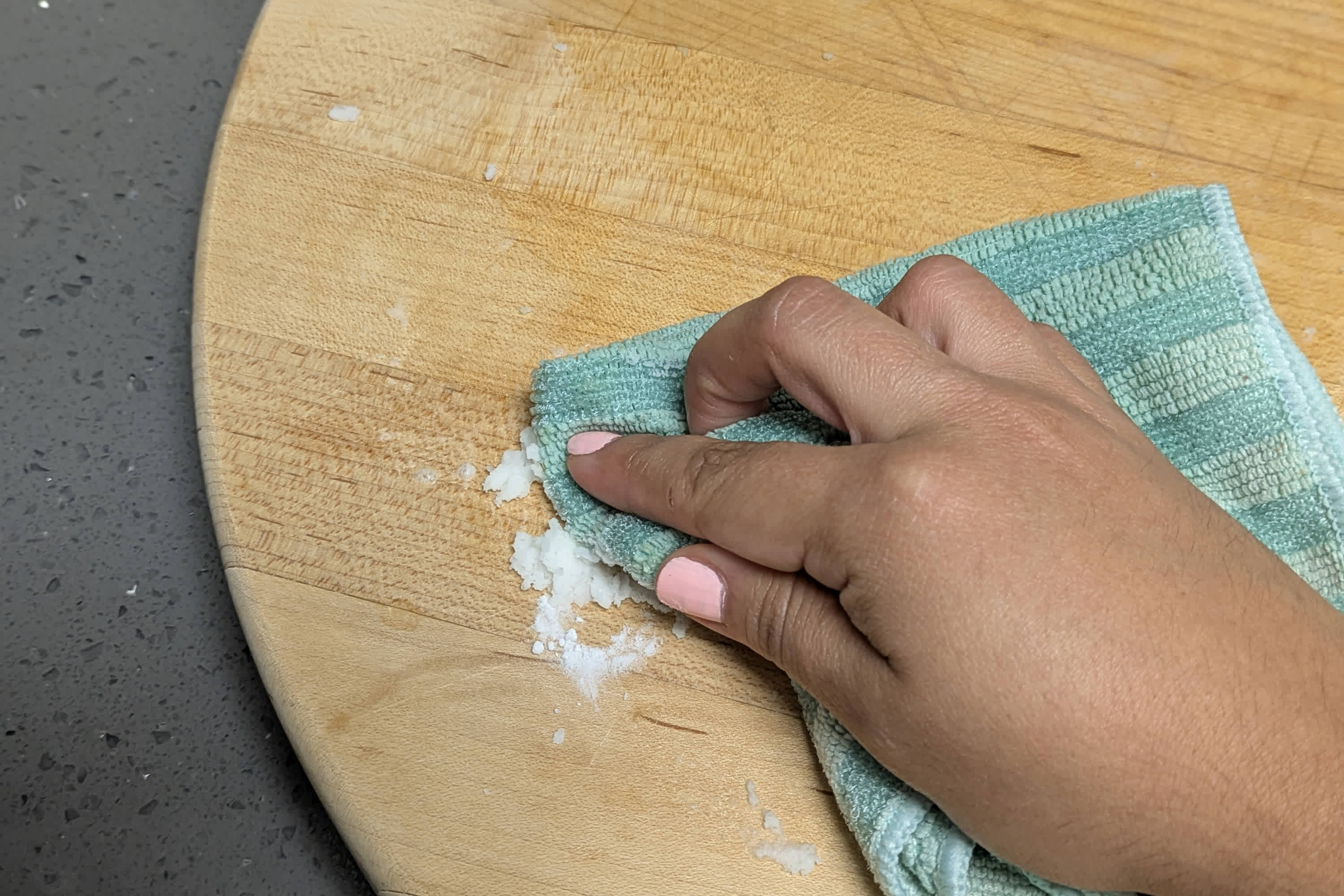
Natural cleaners are safe and effective for wooden boards. They kill germs without harsh chemicals. Some common natural agents include vinegar, lemon, and baking soda.
| Cleaning Agent | Use | Benefits |
| White Vinegar | Spray or wipe on board | Kills bacteria, deodorizes |
| Lemon Juice | Rub on surface, then rinse | Removes stains, adds fresh scent |
| Baking Soda | Sprinkle and scrub gently | Neutralizes odors, mild abrasive |
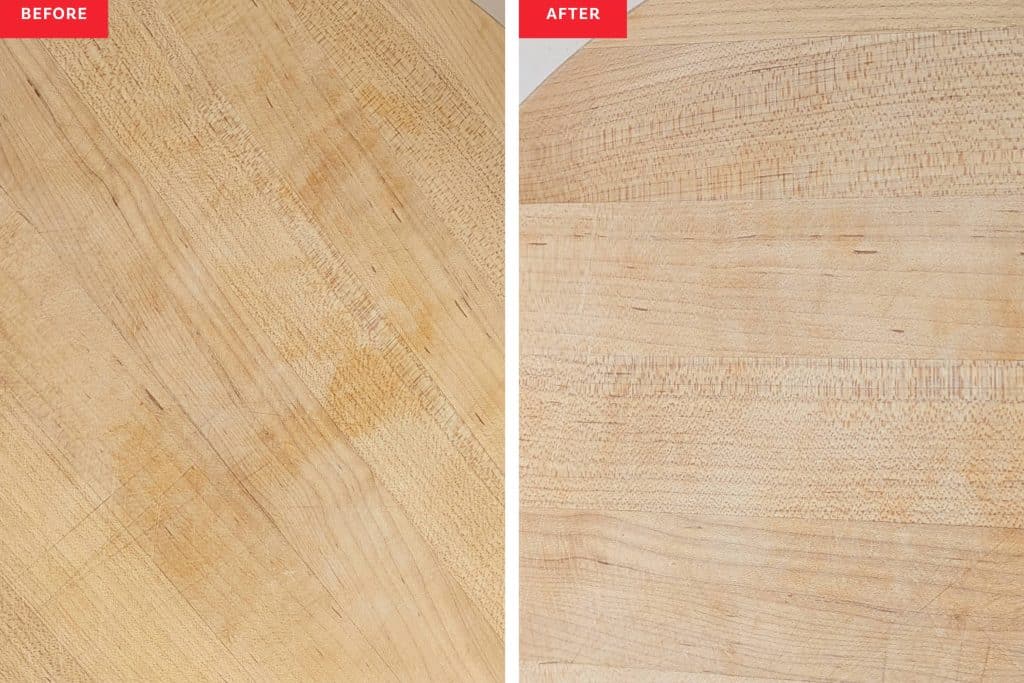
Credit: www.thekitchn.com
Daily Cleaning Steps
Keeping your wooden cutting board clean is important for food safety. Daily cleaning helps stop bacteria from growing.
Follow these simple steps to disinfect your wooden cutting board every day.
Removing Food Residue
Start by scraping off leftover food with a plastic scraper or the back of a knife. This removes bits that can hold bacteria.
Rinse the board under warm running water to wash away loose particles before washing with soap.
Washing With Soap And Water
Use a mild dish soap and warm water to wash the board. Avoid soaking the board as wood can absorb water and warp.
- Apply dish soap to a sponge or cloth.
- Scrub the entire surface well.
- Rinse thoroughly with warm water.
- Repeat if needed for tough stains or odors.
Drying Properly
| Drying Method | Reason |
|---|---|
| Air dry standing up | Allows all sides to dry and prevents warping |
| Use a clean towel | Removes extra moisture quickly |
| Keep in a well-ventilated area | Speeds up drying and stops bacteria growth |
Deep Disinfection Methods
Wooden cutting boards need careful cleaning to remove germs. Deep disinfection helps keep your board safe for food use.
Using natural ingredients can kill bacteria without harming the wood. Here are three strong methods to disinfect your wooden cutting board deeply.
Using Vinegar And Hydrogen Peroxide
White vinegar and hydrogen peroxide kill bacteria fast. Use them one after the other to clean your board deeply.
- Spray white vinegar on the board and let it sit for a few minutes.
- Rinse the board with water.
- Spray 3% hydrogen peroxide over the board to kill remaining germs.
- Let it sit for 5 minutes, then rinse and dry.
Applying Lemon And Salt
Lemon and salt make a natural scrub that cleans and disinfects wood. The lemon juice kills germs while salt scrubs away dirt.
| Ingredient | Purpose |
|---|---|
| Half a lemon | Disinfects and freshens |
| Coarse salt | Scrubs and removes stains |
Rub the lemon with salt over the board’s surface. Let it sit for 5 minutes before rinsing with warm water and drying.
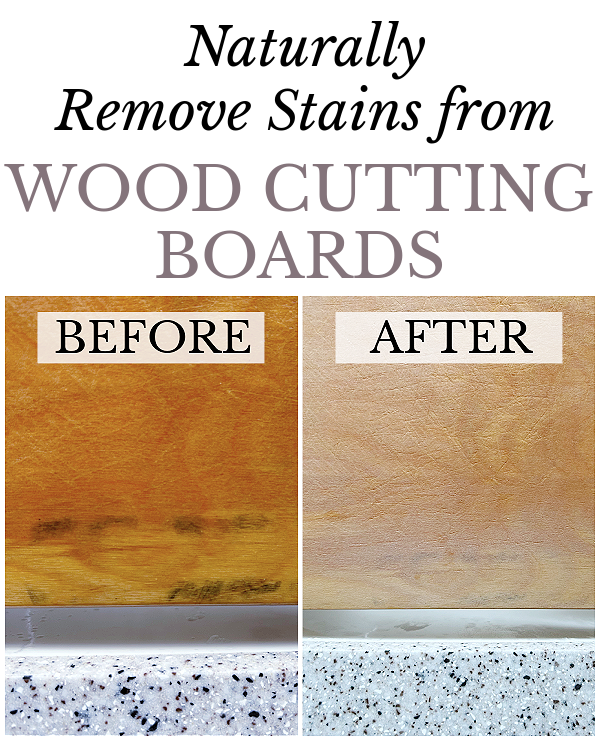
Utilizing Baking Soda Paste
Baking soda paste cleans and disinfects by removing odors and bacteria. It is gentle on wood.
- Mix baking soda with water to make a thick paste.
- Spread the paste over the cutting board.
- Let it sit for 10 minutes to kill germs.
- Scrub gently with a sponge, then rinse and dry.
Credit: www.lemonslavenderandlaundry.com
Preventing Bacterial Growth
Wooden cutting boards need good care to stay safe and clean. Bacteria can grow if you do not clean or store them right.
Using simple methods helps keep your cutting board free from germs and lasts longer.
Regular Oiling Techniques
Oiling your wooden cutting board protects the wood and keeps it from drying out. Dry wood can crack and trap bacteria.
- Use food-grade mineral oil for best results.
- Apply oil evenly with a clean cloth.
- Let the oil soak in for several hours or overnight.
- Wipe off any extra oil before use.
- Oil your board once a month or more if used often.
Avoiding Excess Moisture
Too much water causes wood to swell and crack. Bacteria can grow in these cracks.
After washing, dry your board well. Avoid soaking it in water or putting it in the dishwasher.
| Do | Don’t |
| Wash with warm, soapy water | Soak in water |
| Dry with a towel immediately | Put in dishwasher |
| Air dry standing up | Store while wet |
Storing Cutting Boards Safely
Proper storage keeps your board dry and clean. It stops bacteria from growing on damp surfaces.
- Store boards in a dry, well-ventilated area.
- Keep boards upright to allow air flow.
- Do not stack wet boards on top of each other.
- Use separate boards for meat and vegetables to avoid cross-contamination.
Signs To Replace Your Cutting Board
Wooden cutting boards can last a long time if cared for properly. But some signs show when it is time to get a new one. These signs help keep your kitchen safe and clean.
Look closely at your cutting board often. Watch for damage or smells that do not go away. These signs mean your board is no longer safe to use.
Deep Cracks And Gouges
Over time, knives make cuts and scratches on wooden boards. Deep cracks and gouges can trap food bits and germs. These areas are hard to clean well.
- Cracks wider than 1/8 inch are risky
- Large gouges can weaken the board
- Visible splits let bacteria hide
Persistent Odors
Wood can absorb strong smells from food. If your cutting board smells bad after cleaning, it may be time to replace it. Persistent odors show bacteria may be inside the wood.
| Smell Type | Possible Cause | Action |
| Sour or rancid | Old food residue | Deep clean or replace |
| Fishy | Seafood absorption | Replace recommended |
| Mildew or musty | Moisture trapped | Dry thoroughly or replace |
Warping And Splitting
Wood boards can warp or split from water and heat. Warping makes the board uneven and unsafe. Splitting breaks the board and can cause injury.
Signs of warping and splitting include:
- Board no longer lies flat on the counter
- Edges lift up or bend
- Visible cracks along the grain of the wood
- Pieces of wood breaking off

Credit: www.youtube.com
Frequently Asked Questions
How Often Should I Disinfect A Wooden Cutting Board?
Disinfect your wooden cutting board after each use, especially when cutting raw meat or fish. Regular cleaning prevents bacteria buildup and ensures food safety.
What Natural Disinfectants Work On Wooden Cutting Boards?
White vinegar and lemon juice are effective natural disinfectants. They kill bacteria without harming the wood and leave a fresh scent.
Can Bleach Be Used On Wooden Cutting Boards?
Bleach is not recommended for wooden boards. It can damage the wood fibers and leave harmful residues. Use mild disinfectants instead.
How Do I Dry A Wooden Cutting Board After Disinfecting?
Dry the board thoroughly with a clean towel and air dry upright. Proper drying prevents warping and bacterial growth.
Conclusion
Cleaning a wooden cutting board keeps your kitchen safe and fresh. Use simple steps like soap, water, and vinegar for good results. Avoid soaking the board to protect the wood. Regular cleaning stops germs from spreading to your food. A clean board helps you prepare meals with confidence.
Keep your cutting board dry after washing to prevent cracks. Small habits make a big difference in kitchen hygiene. Trust these easy tips to keep your wooden board healthy and strong. Safe food starts with a clean cutting surface.