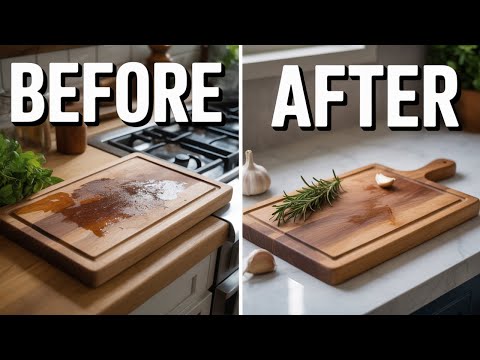
Are you concerned about keeping your kitchen safe and hygienic? Your wood cutting board is a vital kitchen tool, but it can also harbor harmful bacteria if not properly cleaned.
Ensuring it’s disinfected is crucial for the health of your family. In this guide, you’ll learn simple and effective methods to keep your wood cutting board clean and safe. Imagine the peace of mind you’ll have knowing that every meal you prepare is free from harmful germs.
Stay with us as we reveal the secrets to maintaining a spotless and germ-free kitchen companion. Your health is worth it, so let’s get started!
Why Disinfect Wood Boards Matter
Wood cutting boards are popular in many kitchens. They are strong and last a long time.
Disinfecting wood boards keeps your food safe. It stops harmful germs from spreading.
Health Risks From Bacteria
Bacteria can grow on cutting boards after use. Some bacteria cause food poisoning and sickness.
Raw meat and vegetables can leave germs on the board. These germs can spread to other foods.
- Salmonella and E. coli are common harmful bacteria
- They cause stomach pain, vomiting, and diarrhea
- Cleaning alone may not remove all bacteria
- Disinfecting helps kill these germs
Wood Vs Plastic: Safety Comparison
Wood and plastic boards both have safety pros and cons. Wood can absorb some juices, hiding germs.
Plastic boards are easier to clean in a dishwasher. But they can get deep cuts where bacteria hide.
- Wood boards can self-heal small cuts and cracks
- Plastic boards may hold more bacteria in deep cuts
- Both need regular cleaning and disinfecting
- Use different boards for meat and vegetables
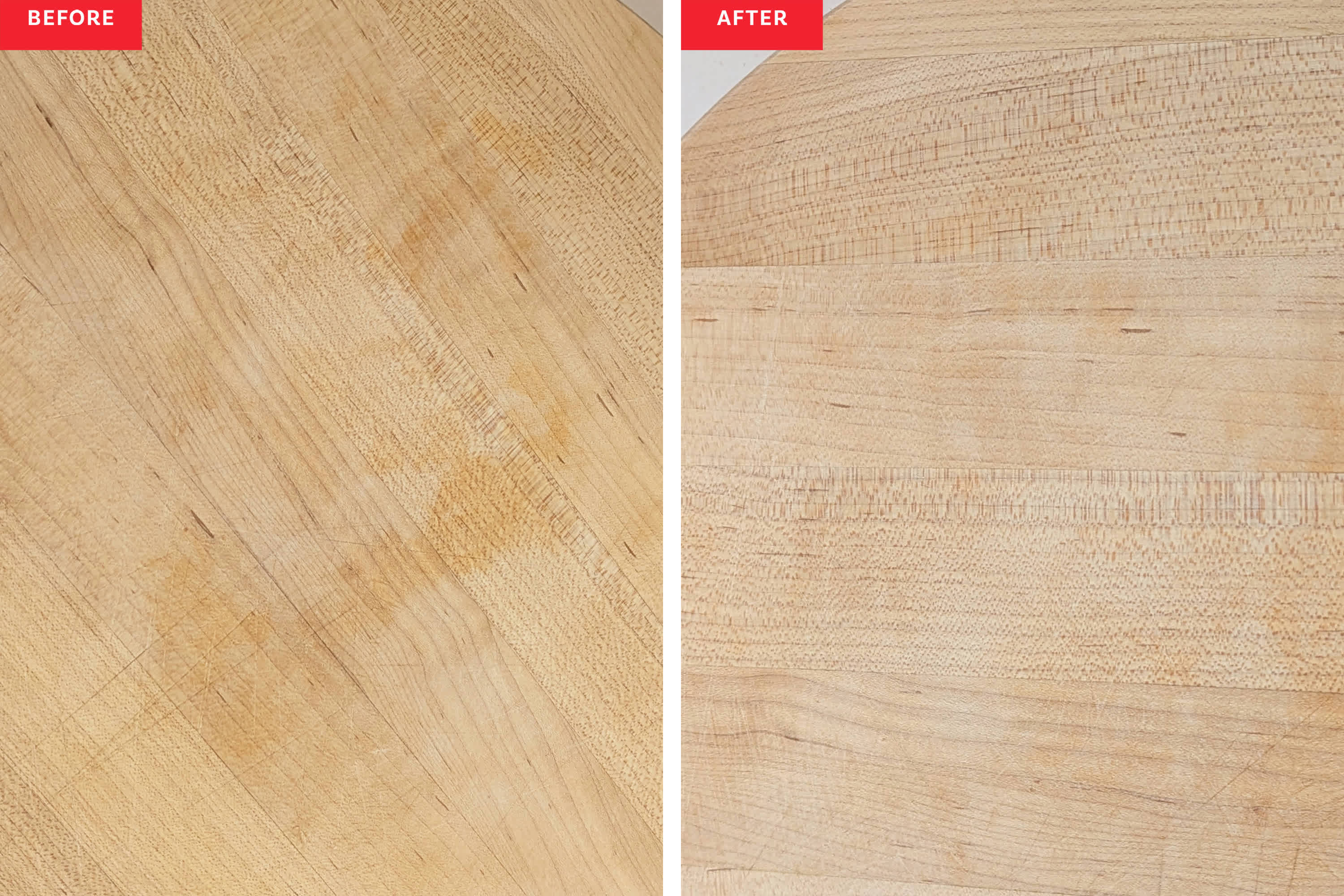
Credit: www.thekitchn.com
Daily Cleaning Tips
Keeping your wood cutting board clean is important to stop germs. You should clean it every day after use.
Simple steps like washing and drying can keep your board safe for food prep.
Washing With Soap And Water
Use warm water and mild dish soap to clean your wood board. Scrub it well with a sponge or brush.
Rinse the board thoroughly to remove all soap and food particles. Avoid soaking the board in water.
- Use warm water, not hot
- Apply mild dish soap
- Scrub with a soft brush or sponge
- Rinse well with clean water
- Do not soak the board
Drying Properly
Dry the wood board quickly after washing to prevent cracks and bacteria growth. Use a clean towel to wipe it down.
Stand the board upright or place it in a well-ventilated area. This helps air flow around the board to dry it fully.
- Wipe dry with a clean towel
- Stand board on its side to dry
- Keep in a dry, ventilated place
- Do not leave wet or flat on the counter
Natural Disinfecting Methods
Wood cutting boards need regular cleaning to stay safe. Natural methods can kill germs without harsh chemicals.
These natural options are easy to use and good for the environment. They help keep your board fresh and clean.
Using White Vinegar
White vinegar is a natural disinfectant. It can kill many bacteria on wood cutting boards.
- Pour white vinegar directly on the board.
- Spread it evenly with a clean cloth or sponge.
- Let it sit for five minutes to kill germs.
- Rinse the board with warm water.
- Dry the board with a clean towel.
Lemon And Salt Scrub
Lemon and salt work together to clean and deodorize wood boards. Salt scrubs away dirt, and lemon adds natural acid.
| Ingredient | Purpose | How to Use |
|---|---|---|
| Coarse Salt | Acts as a scrub to remove stains | Sprinkle over the board surface |
| Lemon | Kills bacteria and freshens smell | Cut in half and rub on salt-covered board |
| Warm Water | Rinses off salt and lemon juice | Use after scrubbing to clean the board |
After scrubbing, rinse the board well and dry it completely to keep it in good shape.
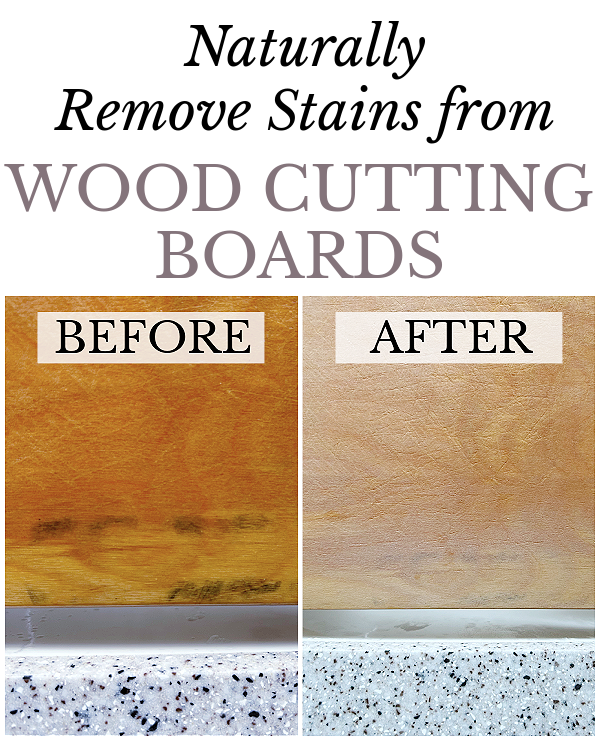
Credit: www.lemonslavenderandlaundry.com
Commercial Disinfectants For Wood
Wood cutting boards need proper cleaning to stay safe. Commercial disinfectants help kill germs on wood surfaces.
Choosing the right product and using it well keeps your board safe and lasts longer.
Choosing Safe Products
Not all disinfectants work well on wood. Some can damage the wood or leave harmful chemicals behind.
Look for products labeled safe for use on wood surfaces and food contact areas.
- Check for EPA approval or similar certifications
- Avoid bleach or harsh chemicals that can weaken wood
- Choose products that do not require rinsing if possible
- Use food-safe disinfectants for kitchen use
Applying Disinfectants Correctly
Apply disinfectants according to the instructions to kill germs effectively. Using too little or too much can cause problems.
Make sure the board stays wet with the disinfectant for the recommended time.
- Clean the board first with soap and water
- Apply the disinfectant evenly over the surface
- Keep the surface wet for the time on the label
- Rinse if the product instructions say to do so
- Let the board air dry completely before use
Deep Cleaning Techniques
Wood cutting boards need regular deep cleaning to stay safe. Dirt and bacteria can hide in the wood grain.
Using natural cleaners helps remove germs without harming the wood. Two good options are hydrogen peroxide and baking soda paste.
Hydrogen Peroxide Application
Hydrogen peroxide kills bacteria and whitens stains on wood boards. Use a 3% solution for safety.
- Pour hydrogen peroxide directly on the board.
- Spread it evenly with a clean cloth or sponge.
- Let it sit for 5 to 10 minutes to kill germs.
- Rinse the board with warm water.
- Dry it completely with a clean towel.
Baking Soda Paste
Baking soda paste cleans and deodorizes wood cutting boards. It also helps remove stuck-on food and stains.
| Ingredient | Amount | Purpose |
|---|---|---|
| Baking Soda | 2 tablespoons | Cleaning agent and deodorizer |
| Water | 1 tablespoon | To make paste |
Mix baking soda and water to form a thick paste. Rub it on the board using a sponge or cloth. Let it sit for 10 minutes, then rinse well and dry.

Credit: homewithgraceandjoy.com
Preventing Odors And Stains
Wood cutting boards can absorb smells and stains from food. Cleaning and care help keep them fresh and looking good.
Using the right methods prevents odors and stops stains from setting in the wood.
Regular Oil Treatments
Oiling your wood cutting board keeps it smooth and sealed. This prevents water and food juices from soaking in and causing stains or smells.
- Clean the board with warm soapy water and dry it well.
- Apply a food-safe mineral oil or board cream evenly over the surface.
- Let the oil soak in for several hours or overnight.
- Wipe off any extra oil with a clean cloth.
- Repeat this treatment once a month or when the board looks dry.
Avoiding Harsh Chemicals
Strong chemicals can damage wood and leave bad smells. Use gentle cleaning methods to protect your board and keep it safe for food.
| Chemical | Effect on Wood | Better Alternative |
|---|---|---|
| Bleach | Dries and cracks wood, leaves residue | White vinegar diluted with water |
| Ammonia | Weakens wood fibers | Soap and warm water |
| Harsh detergents | Removes natural oils, dulls finish | Mild dish soap |
Maintaining Your Cutting Board
Taking care of your wood cutting board keeps it safe and lasting longer. Regular cleaning and maintenance prevent bacteria build-up and damage.
Simple upkeep steps protect your board’s surface and keep it looking good. Learn how to sand, repair, and store your board properly.
Sanding And Repairing
Over time, your cutting board may get scratches and small cuts. Sanding smooths the surface and removes grooves that trap bacteria.
- Use fine-grit sandpaper to gently sand the surface.
- Sand along the wood grain to avoid damage.
- Clean the board well after sanding.
- Apply mineral oil or board conditioner to protect the wood.
- Fill deep cuts with food-safe wood filler if needed.
Storage Tips
Proper storage keeps your cutting board dry and clean. Avoid places where moisture or heat can cause warping or mold.
| Storage Method | Benefit |
| Store upright on a rack | Allows air circulation |
| Keep in a dry place | Prevents mold growth |
| Avoid direct sunlight | Prevents wood from cracking |
| Do not store near heat sources | Prevents warping and drying out |
Frequently Asked Questions
How Often Should I Disinfect My Wood Cutting Board?
Disinfect your wood cutting board after every use with raw meat or seafood. For other uses, disinfect weekly to prevent bacteria buildup and maintain hygiene.
What Household Items Disinfect Wood Cutting Boards Safely?
Use white vinegar, hydrogen peroxide, or lemon juice to disinfect wood cutting boards. These natural cleaners kill bacteria effectively without damaging the wood surface.
Can I Use Bleach To Disinfect A Wood Cutting Board?
Yes, but only a diluted bleach solution (1 tablespoon bleach per gallon water). Rinse thoroughly after use to avoid chemical residue and wood damage.
How Do I Remove Odors While Disinfecting Wood Cutting Boards?
Sprinkle baking soda, scrub gently, then rinse. Baking soda neutralizes odors and complements disinfecting agents like vinegar or lemon juice for fresh boards.
Conclusion
Cleaning your wood cutting board keeps it safe and fresh. Use simple disinfecting steps to stop germs. Regular care helps the board last longer. Avoid harsh chemicals that can damage wood. Dry the board well after washing to prevent cracks.
A clean board makes cooking healthier and more enjoyable. Keep these tips in mind for daily use. Your kitchen stays safe, and your food tastes better. Easy habits make a big difference every day.