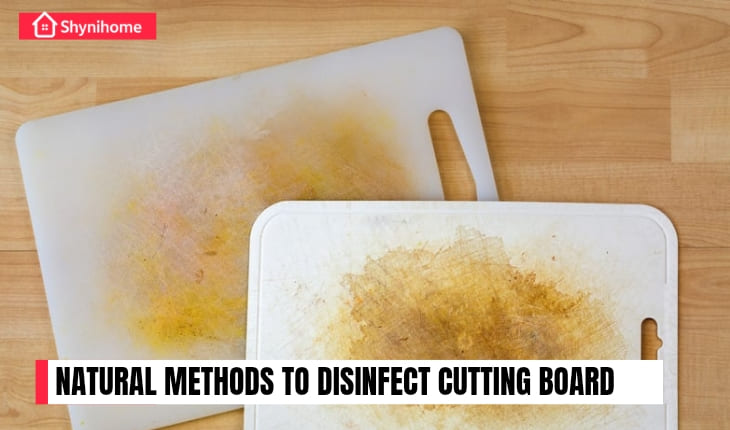
How to Sanitize Plastic Cutting Board: You love cooking, but have you ever wondered about the cleanliness of your plastic cutting board? It’s a kitchen essential, yet it can harbor harmful bacteria if not properly sanitized.
Imagine confidently chopping your vegetables, knowing your board is as clean as it can be. That’s peace of mind you deserve, right? In this guide, you’ll discover simple, effective methods to ensure your plastic cutting board is spotless and safe.
Keep reading, because your health—and your culinary creations—depend on it.
Why Sanitize Plastic Cutting Boards
Plastic cutting boards are common in many kitchens. They help prepare food safely if cleaned well.
Sanitizing cutting boards removes germs and bacteria. This keeps food safe and prevents illness.
Risks Of Unsanitized Boards
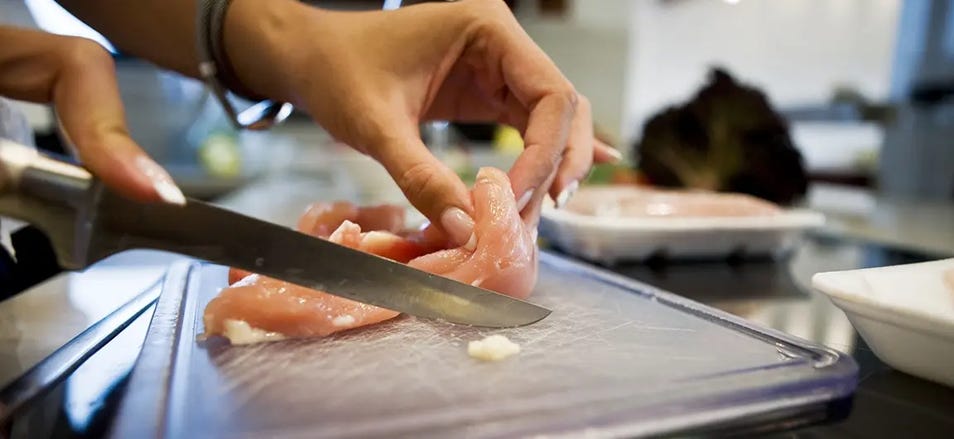
Using dirty cutting boards can spread harmful bacteria. These bacteria may come from raw meat or vegetables.
Cross-contamination can cause food poisoning. This makes people sick with stomach problems.
- Bacteria like Salmonella and E. coli can grow on boards
- Raw meat juices can infect other foods
- Illness risk increases without proper cleaning
- Food tastes and smells can change
Benefits Of Regular Cleaning
Cleaning cutting boards often keeps your kitchen safe. It stops bacteria from spreading to your food.
Regular cleaning also makes boards last longer. It removes stains and bad smells from the plastic.
- Protects your health by killing germs
- Prevents cross-contamination between foods
- Keeps boards looking clean and fresh
- Helps maintain good kitchen hygiene
Daily Cleaning Tips
Plastic cutting boards need regular cleaning to stay safe. Dirt and germs can hide in scratches and cuts.
Cleaning your cutting board every day helps stop bacteria from growing. Use simple tools you have at home.
Using Soap And Hot Water
Wash your plastic cutting board with warm water and dish soap. Hot water helps remove grease and food bits.
Scrub the surface well using a sponge or brush. Clean all sides to get rid of germs and stains.
- Apply dish soap to the board
- Use hot water to help clean better
- Scrub every part of the board
- Focus on scratches where dirt hides
Rinsing And Drying Properly
Rinse the cutting board with clean water to remove soap and food particles. Make sure no soap is left behind.
Dry the board completely with a clean towel or air dry it standing up. A dry board stops bacteria from growing.
- Rinse thoroughly with warm water
- Check for soap or food spots
- Dry with a clean cloth or paper towel
- Store the board in a dry place
Deep Sanitizing Methods
Plastic cutting boards can hold bacteria if not cleaned properly. Deep sanitizing kills harmful germs and keeps your kitchen safe. Use simple ingredients to sanitize your cutting board well.
These deep sanitizing methods use common household items. Each method helps remove bacteria and stains from plastic boards.
Bleach Solution Technique
Bleach is a strong sanitizer that kills almost all germs. Use a diluted bleach solution to sanitize your plastic cutting board safely.
Mix one tablespoon of bleach with one gallon of water. Soak the cutting board in the solution for a few minutes. Rinse it well with clean water and let it air dry.
- Mix 1 tablespoon bleach with 1 gallon water
- Soak board for 2 to 5 minutes
- Rinse thoroughly with water
- Air dry completely before use
Vinegar And Baking Soda Approach
Vinegar and baking soda work well to clean and sanitize plastic cutting boards. Vinegar is acidic and kills bacteria. Baking soda helps scrub off stains and odors.
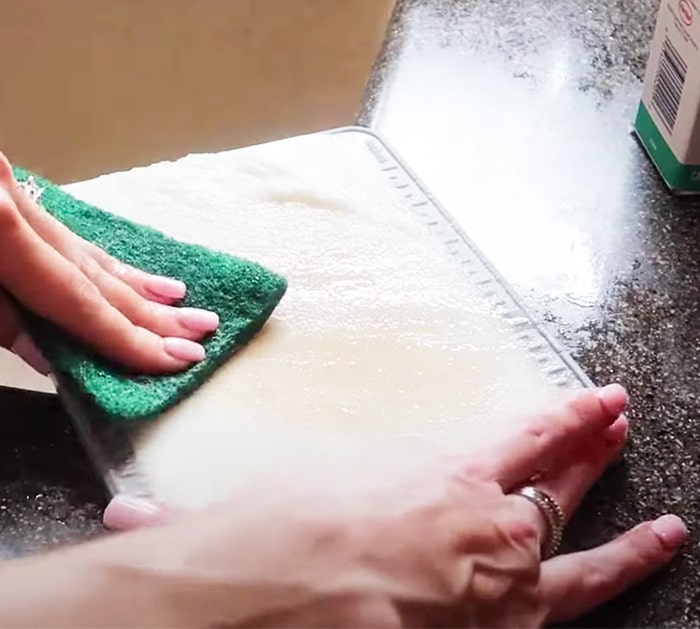
Sprinkle baking soda on the board. Spray or pour vinegar over it. Let it bubble and sit for a few minutes. Scrub the surface gently, then rinse with water.
- Sprinkle baking soda on the board
- Pour or spray vinegar over baking soda
- Wait 5 minutes for bubbling action
- Scrub lightly with a brush or sponge
- Rinse well with water and dry
Using Hydrogen Peroxide
Hydrogen peroxide is a safe sanitizer that kills bacteria and viruses. Use 3% hydrogen peroxide for deep cleaning plastic cutting boards.
Pour hydrogen peroxide on the board. Spread it evenly and let it sit for 10 minutes. Rinse with water and dry. This method helps remove germs and stains.
- Pour 3% hydrogen peroxide on the board
- Spread evenly over the surface
- Let it sit for 10 minutes
- Rinse thoroughly with water
- Dry completely before use
Credit: www.lysol.com
Dishwasher Safety
Sanitizing your plastic cutting board in the dishwasher is a quick way to kill germs. You must know the right time and method to avoid damage.
Using a dishwasher can keep your cutting board clean without extra effort. Follow simple tips to protect your board.
When To Use Dishwasher
Dishwashers work well for plastic boards that are dishwasher safe. Check the bottom of your board for a dishwasher-safe label. Use the dishwasher after cutting raw meat or fish to kill bacteria.
- Place the board on the top rack for best results.
- Use hot water and a full cycle for proper sanitizing.
- Avoid washing wooden boards in the dishwasher.
- Do not overload the dishwasher to ensure water reaches all surfaces.
Avoiding Warping And Damage
Plastic boards can warp or crack if exposed to high heat for too long. Some boards handle heat better than others. Follow these tips to keep your board safe.
| Cause | Effect | Tip |
| High heat | Warping or bending | Use top rack, away from heating element |
| Strong detergents | Surface damage | Use mild dishwasher detergent |
| Long cycles | Cracking over time | Choose shorter cycle if possible |
Maintaining Cutting Board Longevity
Plastic cutting boards can last a long time with proper care. Cleaning and sanitizing them regularly helps keep them safe and in good shape.
Following simple steps protects your cutting board from damage and reduces the chance of germs spreading in your kitchen.
Avoiding Cross-contamination
Use separate cutting boards for different foods like meat, vegetables, and bread. This stops germs from spreading from one food to another.
Clean and sanitize your cutting board after each use. Use hot soapy water, then wipe with a solution of one tablespoon bleach per gallon of water.
- Rinse the board with warm water after washing
- Dry the board completely before storing
- Do not use the same board for raw meat and ready-to-eat foods
Replacing Worn Boards
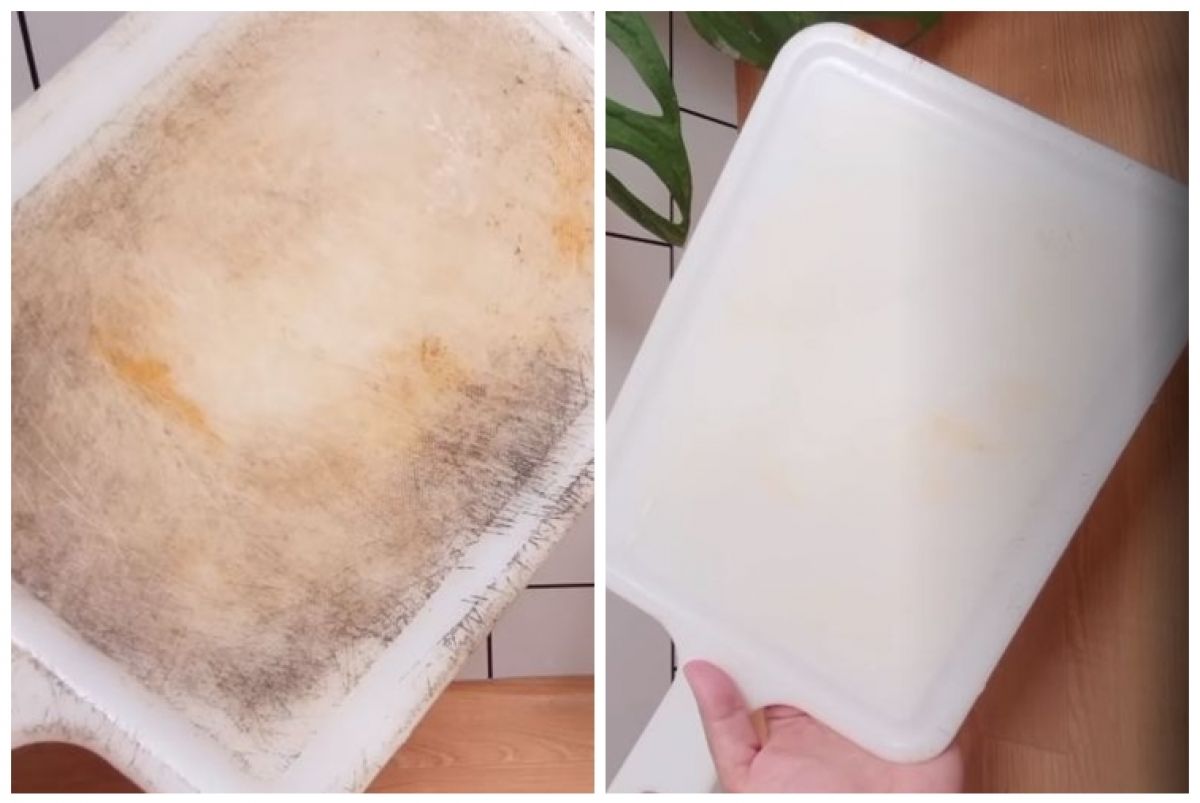
Check your plastic cutting board for deep cuts or grooves. These can trap bacteria and make cleaning harder.
Replace the board if it becomes heavily scratched or warped. Using a damaged board can cause food safety risks and shorten its life.
- Inspect the board regularly for cracks or deep cuts
- Discard boards that are hard to clean or damaged
- Choose a new board with good thickness and quality plastic
Credit: en.brilio.net
Quick Tips For On-the-go Sanitizing
Sanitizing your plastic cutting board keeps it safe and clean. This is important when you are away from home. Quick methods help stop bacteria from spreading.
Using simple tools and sprays can make sanitizing easy. You can keep your cutting board fresh even while traveling or camping.
Sanitizing Sprays
Sanitizing sprays are handy for cleaning plastic cutting boards fast. They kill germs without needing water. Choose sprays safe for food contact surfaces.
Spray the board evenly and let it sit for a few minutes. Wipe with a clean cloth or paper towel after. This method works well when you don’t have a sink nearby.
- Use a spray with at least 70% alcohol
- Spray all surfaces and edges
- Allow the spray to dry or wipe it off
- Avoid sprays with harsh chemicals
Portable Cleaning Solutions
Portable cleaning solutions include wipes and small bottles of soap or sanitizer. These are easy to carry in a bag or pocket. They help clean your board quickly and safely.
Use wipes to scrub the cutting board surface. Soap and water bottles let you wash the board if you have a water source. Always dry the board well before use.
- Carry antibacterial wipes for quick cleaning
- Use small soap bottles with water if possible
- Dry the board with a clean towel or air dry
- Store cleaning items in a sealed bag
Credit: diyjoy.com
Frequently Asked Questions
How Often Should I Sanitize My Plastic Cutting Board?
Sanitize your plastic cutting board after every use to prevent bacteria buildup. Regular cleaning keeps your kitchen safe and hygienic.
What Is The Best Method To Sanitize Plastic Cutting Boards?
Use a bleach solution or white vinegar spray to sanitize plastic cutting boards. Let it sit for a few minutes, then rinse thoroughly.
Can I Sanitize Plastic Cutting Boards In The Dishwasher?
Yes, most plastic cutting boards are dishwasher-safe. The high heat and detergent effectively sanitize them and remove bacteria.
Is Bleach Safe For Sanitizing Plastic Cutting Boards?
Yes, diluted bleach is safe and effective for sanitizing. Always rinse well after applying to avoid chemical residue.
Conclusion
Sanitizing your plastic cutting board keeps your kitchen safe and clean. Use simple methods like soap, hot water, and vinegar. Regular cleaning stops germs from spreading to your food. Always dry the board well to avoid bacteria growth. Clean boards help prevent foodborne illnesses.
Your health and family depend on it. Keep these tips in mind for safer meal prep. A clean cutting board means healthier cooking every day.