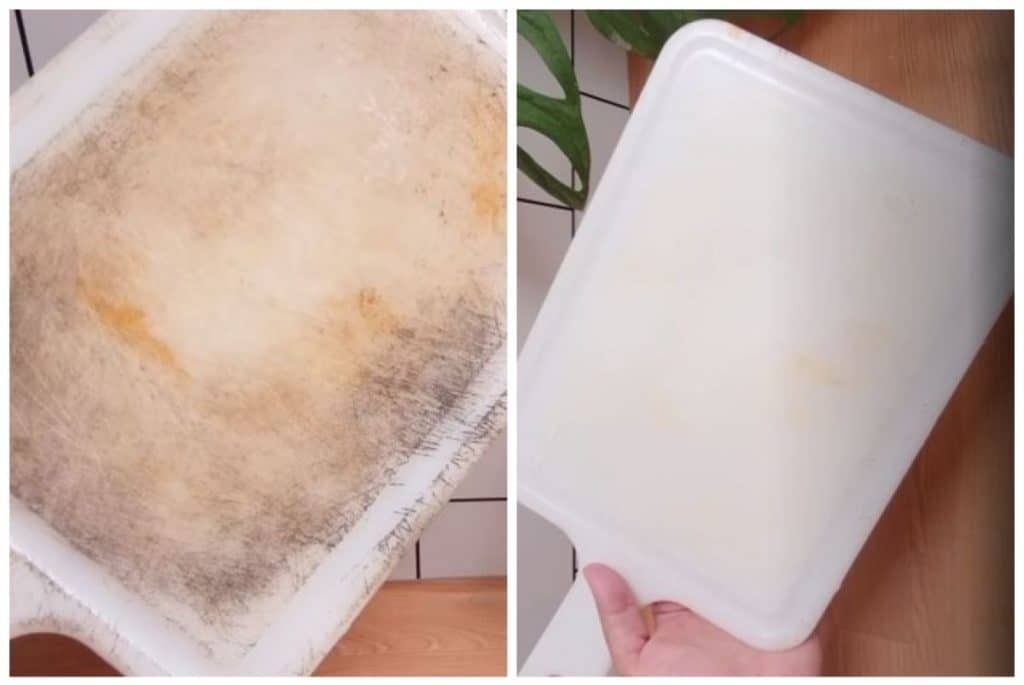
How to Clean White Plastic Cutting Board: Are you tired of seeing stains and lingering odors on your white plastic cutting board? You’re not alone.
Many people find it challenging to keep their boards looking fresh and pristine. But what if you could easily restore your cutting board to its original spotless state? Imagine the satisfaction of seeing it gleaming on your kitchen counter, free from unsightly marks and smells.
In this guide, you’ll discover simple and effective methods to clean your white plastic cutting board, ensuring it remains a hygienic and attractive tool in your culinary arsenal. Let’s dive in and transform your kitchen cleaning routine into something quick, efficient, and surprisingly satisfying.
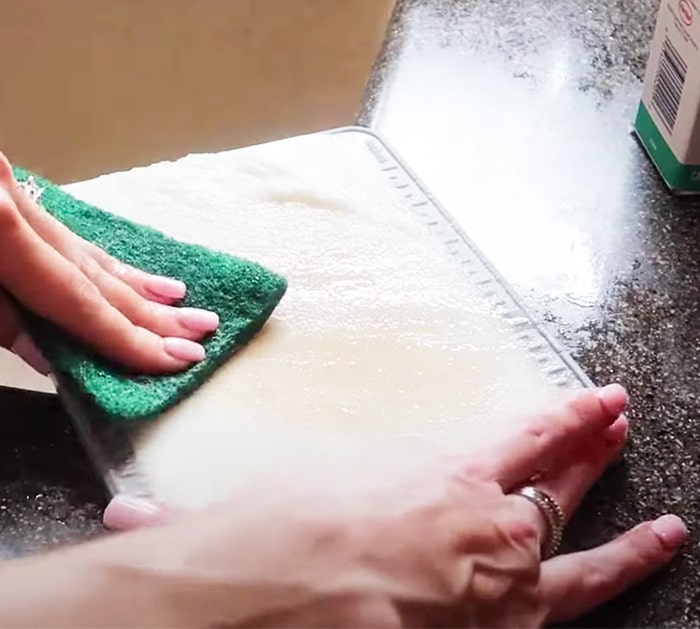
Credit: diyjoy.com
Choosing The Right Cleaner
Cleaning a white plastic cutting board is important to keep it safe and fresh. Choosing the right cleaner helps remove stains and bacteria.
Some cleaners are strong and may damage the plastic. Others are gentle but still effective. Let’s look at common cleaners you can use.
Common Household Cleaners
Many household cleaners work well on white plastic cutting boards. They kill germs and clean stains quickly.
Use liquid dish soap with warm water for daily cleaning. It removes food residue and light stains.
- Dish soap and warm water
- White vinegar for disinfecting
- Hydrogen peroxide to remove stains
- Baking soda paste for scrubbing
- Bleach diluted for deep cleaning
Be careful with bleach. Use it diluted and rinse well to avoid plastic damage.
Natural Cleaning Solutions
Natural solutions are safe and easy to find. They clean without harsh chemicals.
Lemon juice is a natural whitener and freshener. It helps remove stains and smells.
- Lemon juice mixed with salt for scrubbing
- Baking soda and water paste to scrub stains
- White vinegar as a natural disinfectant
- Sunlight to bleach and freshen the board
These natural cleaners work well for light stains and regular cleaning. They keep your board safe and fresh.
Daily Cleaning Routine
Keeping your white plastic cutting board clean is important for safety. Daily cleaning removes germs and food residues.
Use simple steps to clean your board well after every use. This helps keep your kitchen healthy.
Rinsing And Scrubbing
Start by rinsing the cutting board under warm running water to remove loose debris. Use a mild dish soap for cleaning.
- Apply dish soap evenly over the surface.
- Use a scrub brush or sponge to scrub both sides of the board.
- Focus on any stains or grooves where food might hide.
- Rinse the board thoroughly to remove all soap.
Drying Techniques
Dry your cutting board fully to prevent bacteria growth. Use proper drying methods to keep it in good shape.
| Drying Method | Details |
| Air Dry | Place board upright on a rack or drying stand. |
| Towel Dry | Use a clean kitchen towel to wipe the board dry. |
| Sun Dry | Leave the board in direct sunlight for a short time. |
Removing Stains And Odors
White plastic cutting boards often get stains and smells from food. Cleaning them well keeps your kitchen safe and fresh.
Simple household items can remove stains and odors easily. Use these natural ways to keep your cutting board clean.
Using Baking Soda Paste
Baking soda is a gentle cleaner that removes stains and odors. Make a thick paste by mixing baking soda with water.
Apply the paste on the cutting board and scrub with a sponge. Let it sit for 10 minutes before rinsing well.
- Mix 3 tablespoons baking soda with 1 tablespoon water
- Spread paste over stained areas
- Scrub gently with sponge or brush
- Wait 10 minutes before rinsing
Applying Lemon And Salt
Lemon juice and salt help lift stains and kill odors. The lemon’s acidity breaks down stains, and salt acts as a scrub.
Cut a lemon in half and sprinkle salt on the board. Rub the lemon over the surface and let it sit for 5 minutes.
- Sprinkle coarse salt on the cutting board
- Use half a lemon to scrub the board
- Let the juice and salt sit for 5 minutes
- Rinse thoroughly with warm water
Hydrogen Peroxide Treatment
Hydrogen peroxide cleans and whitens plastic cutting boards. It kills bacteria and removes deep stains safely.
Pour 3% hydrogen peroxide on the board and spread it evenly. Let it sit for 10 minutes, then rinse with warm water.
- Use 3% hydrogen peroxide from the store
- Pour enough to cover the surface
- Let it sit for 10 minutes without rubbing
- Rinse with warm water and dry
Deep Cleaning Methods
White plastic cutting boards can get stained and hold bacteria over time. Deep cleaning helps remove dirt and germs. It keeps your cutting board safe and looking good.
Regular cleaning is not enough for tough stains or smells. Use deep cleaning methods to freshen your board thoroughly.
Soaking In Vinegar Solution
Vinegar is a natural cleaner that kills bacteria and removes stains. Soaking your cutting board in vinegar helps clean it deeply.
Fill a basin with equal parts white vinegar and warm water. Place the cutting board in the solution and soak for 10 to 15 minutes.
- Use white vinegar to avoid discoloring the board
- Make sure the board is fully covered by the solution
- After soaking, scrub with a brush or sponge
- Rinse well with warm water and dry fully
Dishwasher Use Guidelines
Most white plastic cutting boards can be cleaned in a dishwasher. The hot water and detergent kill germs and remove stains.
Place the cutting board upright in the dishwasher. Use the hottest water setting available. Avoid overcrowding to let water reach all surfaces.
- Check if your cutting board is dishwasher safe before use
- Use a high-temperature wash to disinfect properly
- Remove the board after the cycle to air dry
- Do not place wooden or fragile boards in the dishwasher
Preventing Damage And Discoloration
White plastic cutting boards can get damaged or stained easily. Taking care of them helps keep them clean and safe to use.
This guide shows simple ways to avoid damage and discoloration on your cutting board.
Avoiding Harsh Chemicals
Strong chemicals can harm the surface of a white plastic cutting board. They cause cracks and stains that are hard to remove.
- Use mild dish soap and warm water for cleaning.
- Avoid bleach or ammonia-based cleaners.
- Do not use abrasive scrubbers that can scratch the board.
- Try natural cleaners like vinegar or baking soda for tough stains.
- Rinse the board well after cleaning to remove all soap.
Proper Storage Tips
Storing your cutting board correctly helps prevent warping and yellowing over time.
| Storage Method | Benefit |
| Store upright in a dry place | Allows air circulation to keep board dry |
| Avoid stacking heavy items on top | Prevents warping and surface damage |
| Keep away from direct sunlight | Reduces yellowing and discoloration |
| Use a cutting board rack if possible | Keeps board stable and clean |
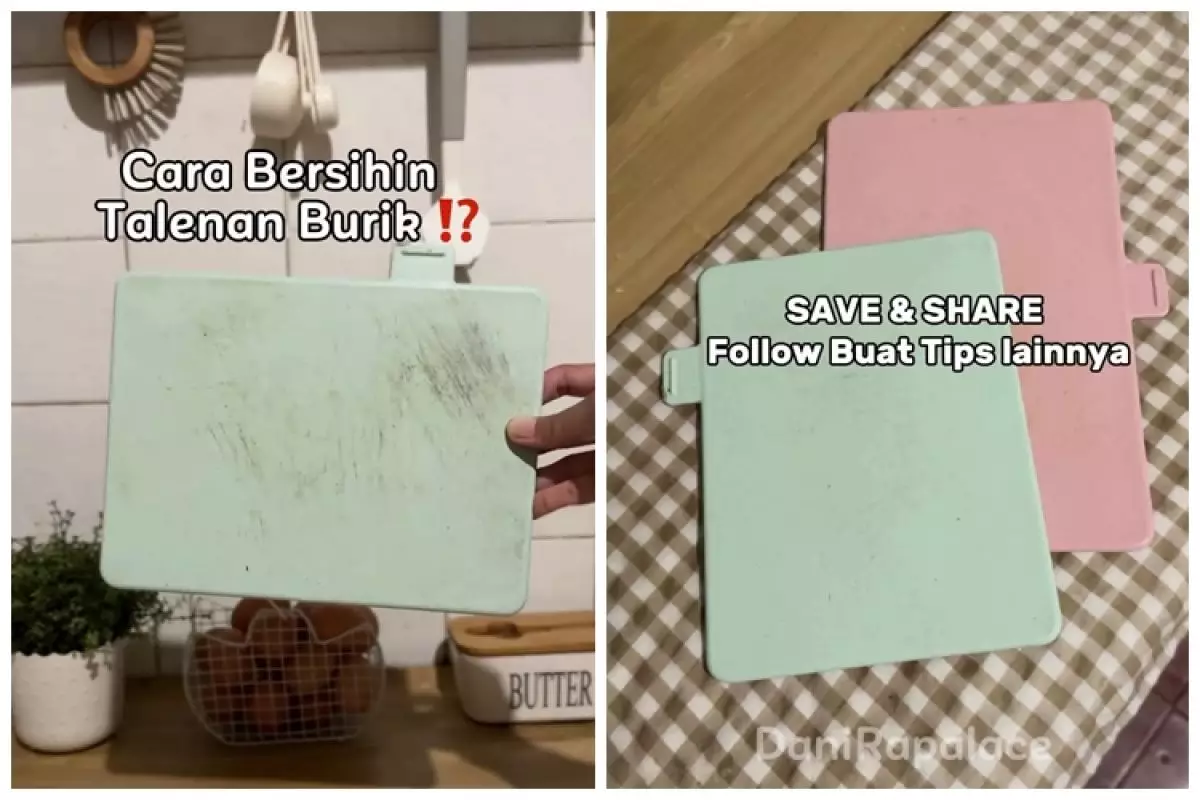
Credit: en.brilio.net
Maintaining Cutting Board Longevity
Keeping a white plastic cutting board clean helps it last longer. Proper care stops stains and damage. This guide explains how to check your board and when to replace it.
Regular cleaning and inspection keep your cutting board safe and useful. Watch for signs that show it needs a change.
Regular Inspection
Check your cutting board often for scratches, cracks, and stains. These can hide bacteria and make cleaning hard. A clean board protects your food and health.
- Look closely for deep cuts or grooves
- Notice if the surface feels rough or worn
- Check for discoloration or stains that won’t wash away
- Smell the board for any bad odors
When To Replace Your Board
Knowing when to replace your cutting board helps avoid food risks. If damage is severe, it is safer to get a new one.
| Condition | Action |
| Deep cracks or large grooves | Replace immediately |
| Persistent stains or odors | Consider replacing soon |
| Surface worn thin or uneven | Replace to avoid damage |
| Minor scratches and stains | Clean well and monitor |

Credit: www.lysol.com
Frequently Asked Questions
How Do I Remove Stains From A White Plastic Cutting Board?
Use a paste of baking soda and water to scrub stains gently. Let it sit for 10 minutes before rinsing. Repeat if necessary. This method effectively lifts stains without damaging the plastic surface.
Can I Use Bleach To Clean A White Plastic Cutting Board?
Yes, dilute bleach with water (1 tablespoon bleach per gallon). Soak or wipe the board for a few minutes. Rinse thoroughly to remove any residue and ensure food safety.
How Often Should I Sanitize My Plastic Cutting Board?
Sanitize after every use, especially when handling raw meat. Regular cleaning prevents bacteria buildup and cross-contamination. Use hot soapy water and disinfect with bleach or vinegar.
Is It Safe To Clean Plastic Cutting Boards In A Dishwasher?
Most white plastic cutting boards are dishwasher-safe. The high heat sanitizes and removes tough stains effectively. Check manufacturer guidelines to avoid warping or damage.
Conclusion
Cleaning your white plastic cutting board keeps it safe and looking new. Use soap, warm water, and a scrub brush to remove stains. For tough spots, try baking soda or vinegar. Always dry the board well before storing it. Regular cleaning stops germs and bad smells.
Small steps make a big difference in kitchen hygiene. Keep your cutting board fresh and ready for every meal. Simple care helps your board last longer and stay clean. A clean board means safer food and a healthier kitchen.