How to Restore a Wooden Cutting Board? Imagine slicing fresh vegetables or carving a succulent roast on a surface that’s smooth, polished, and just like new. Your wooden cutting board can be that pristine, central kitchen tool once again.
Over time, however, even the most cherished cutting boards can become worn, scratched, or stained. But don’t worry—restoring your wooden cutting board is easier than you might think. In this guide, you’ll discover simple yet effective steps to breathe new life into your cutting board.
Picture the satisfaction of revealing its natural beauty and the confidence of using a hygienic surface for meal prep. Stay with us, and you’ll soon see how a few simple techniques can make a world of difference. Whether you’re a seasoned chef or a home cook, your cutting board deserves this transformation. Let’s dive in and get started!

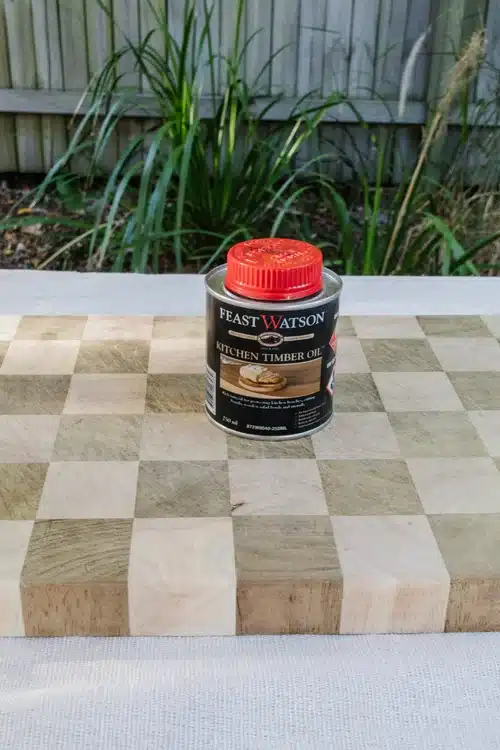
Credit: www.slightlycrookedworkshop.com
Signs Your Cutting Board Needs Renewal
Wooden cutting boards can last a long time with care. Still, they show signs when they need attention or repair. Recognizing these signs helps keep your board safe and clean for food use.
Look closely at your cutting board regularly. Some problems may seem small but can affect your food’s safety and the board’s life.
Visible Cracks And Splits
Cracks and splits appear from cutting or drying out. These can trap bacteria and food bits, making cleaning hard. Deep cracks weaken the board and may cause it to break.
- Check for wide cracks on the surface
- Look for splits along the edges
- Notice if the board feels uneven or rough
Persistent Stains And Odors
Some stains and smells stay even after washing. They come from strong foods like garlic or beetroot. These signs mean your board may need deep cleaning or renewal.
| Type | Cause | Sign |
| Stains | Food color or juice | Dark or colored spots |
| Odors | Strong-smelling foods | Smell stays after washing |
| Bacteria | Trapped in cracks | Musty or sour smell |
Dryness And Warping
Wood needs moisture to stay strong. Too dry boards can crack or warp. Warping makes the board uneven and hard to use safely.
Signs of dryness and warping include:
- Board edges lifting or bending
- Surface feels rough or splintered
- Board does not lie flat on the counter
Essential Tools And Materials
Restoring a wooden cutting board requires specific tools and materials. Using the right supplies ensures a smooth surface and long-lasting protection.
This guide explains the essential items you need for sanding, cleaning, and conditioning your cutting board.
Sanding Supplies
Sanding removes old stains, scratches, and rough spots. It smooths the wood and prepares it for oiling.
- Sandpaper with different grits (80, 120, and 220 grit)
- Sanding block or electric sander for even pressure
- Clean cloth to wipe off dust after sanding
Cleaning Agents
Cleaning removes dirt, bacteria, and odors from the board. It helps keep the wood healthy before oiling.
| Agent | Use | Notes |
| White vinegar | Disinfect and deodorize | Use diluted with water |
| Baking soda | Scrub stains | Make a paste with water |
| Mild dish soap | Clean surface dirt | Rinse well after use |
Wood Oil And Conditioners
Oiling protects the wood from drying out and cracking. It also improves the board’s look and durability.
- Food-grade mineral oil (safe and odorless)
- Beeswax-based wood conditioner for extra protection
- Coconut oil (refined, to avoid rancidity)
Cleaning And Sanitizing
Keeping a wooden cutting board clean is important for safe food preparation. Cleaning removes dirt and food scraps. Sanitizing kills germs and stops smells.
Follow easy steps to restore your board and keep it safe to use. Use gentle cleaning to protect the wood.
Removing Surface Debris
Start by scraping off any leftover food or dirt. Use a plastic scraper or a spatula to avoid scratching the wood. Wipe the surface with a damp cloth to lift small particles.
Wash the board with warm water and mild dish soap. Use a soft sponge to clean the surface gently. Avoid soaking the board in water to prevent warping.
Eliminating Bacteria And Odors
Sanitize the board to remove harmful bacteria and smells. Use natural cleaners like vinegar or lemon juice. These are safe and effective for wooden surfaces.
- Spray or wipe white vinegar on the board and let it sit for a few minutes.
- Rub half a lemon over the surface to freshen and break down odors.
- Rinse with warm water and dry the board with a clean towel.
Allow the board to air dry fully before storing. This stops bacteria from growing in damp spots.
Sanding The Surface
Sanding is an important step to restore your wooden cutting board. It removes old stains and smooths the surface.
Proper sanding prepares the board for oiling and keeps it safe for food use.
Choosing The Right Grit
Start sanding with a coarse grit to remove deep scratches and stains. Then use finer grits to smooth the surface.
Using the right grit helps avoid damage and gives a nice finish.
- Coarse grit (80-100) removes rough spots
- Medium grit (120-150) smooths the wood
- Fine grit (220) prepares for oiling
Sanding Techniques For Smoothness
Sand in the direction of the wood grain to avoid scratches. Use even pressure for a smooth finish.
Change sanding pads or paper as needed to keep the surface clean and smooth.
- Start with coarse grit and sand with the grain
- Switch to medium grit and repeat the process
- Finish with fine grit for a smooth surface
- Wipe away dust between grits
Applying Oil And Conditioner
Restoring a wooden cutting board is easy with the right oil and conditioner. These protect the wood and keep it from drying out.
Applying oil regularly helps keep your board smooth and safe for food use. Conditioner adds extra protection and shine.
Selecting The Best Oil
Choose oils that are safe for food and absorb well into wood. Avoid oils that can go rancid or leave sticky residue.
- Mineral oil is a popular, food-safe choice.
- Coconut oil works but may smell.
- Walnut oil is natural but can cause allergies.
- Beeswax conditioners add a protective layer.
- Avoid vegetable and olive oils as they spoil quickly.
Proper Application Methods
Apply oil and conditioner evenly to cover all surfaces. Use a clean cloth or paper towel for best results.
- Clean the board thoroughly and dry it well.
- Pour a small amount of oil on the surface.
- Rub the oil into the wood in circular motions.
- Let the oil soak in for several hours or overnight.
- Wipe off any excess oil with a dry cloth.
- Apply conditioner if desired for extra protection.
Frequency Of Treatment
How often you oil your board depends on use and dryness. Regular treatment keeps the wood healthy and strong.
| Use Level | Oiling Frequency | Conditioner Use |
|---|---|---|
| Light (few times a week) | Once a month | Every 2 months |
| Moderate (daily use) | Every 2 weeks | Monthly |
| Heavy (multiple times daily) | Weekly | Every 2 weeks |

Credit: homewithgraceandjoy.com
Maintenance Tips For Longevity
Wooden cutting boards need care to last a long time. Proper maintenance keeps them safe and strong.
Simple habits can prevent damage and keep your board looking good. Follow these tips to extend its life.
Regular Cleaning Practices
Clean your wooden board after each use to stop bacteria growth. Use warm water and mild soap.
Do not soak the board in water. Dry it quickly with a clean towel to avoid warping.
- Wash with warm water and gentle soap
- Rinse quickly and do not soak
- Dry immediately with a towel
- Air dry standing up if possible
Avoiding Water Damage
Too much water can make the wood crack or warp. Keep the board dry to protect it.
Never put wooden boards in the dishwasher. Heat and water will damage the wood and finish.
- Do not soak or leave the board in water
- Keep away from dishwasher and high heat
- Apply mineral oil regularly to seal the wood
Storage Recommendations
Store your cutting board in a dry place with good air flow. Avoid closed spaces that trap moisture.
Keep the board standing on its side to help it dry evenly and prevent warping or mold.
- Store in a dry, well-ventilated area
- Place the board on its side, not flat
- Avoid stacking heavy items on top

Credit: homewithgraceandjoy.com
Frequently Asked Questions
How Do You Remove Stains From A Wooden Cutting Board?
To remove stains, sprinkle coarse salt and rub with lemon. Let it sit for five minutes, then rinse. This natural method brightens the board without harsh chemicals.
What Oil Is Best For Restoring Wooden Cutting Boards?
Food-grade mineral oil is best for wooden cutting boards. It penetrates wood, preventing drying and cracking. Apply generously and let it soak overnight for best results.
How Often Should I Restore My Wooden Cutting Board?
Restore your cutting board every month if used daily. Regular oiling keeps the wood hydrated and prevents damage. Clean and dry it thoroughly before oiling.
Can Sanding Improve The Surface Of A Wooden Cutting Board?
Yes, sanding removes deep scratches and stains. Use fine-grit sandpaper and sand evenly. After sanding, clean the board and apply oil to restore the finish.
Conclusion
Restoring a wooden cutting board brings it back to life. Clean it well and sand rough spots gently. Apply mineral oil to keep wood strong and safe. Regular care helps your board last longer. A well-maintained board stays beautiful and useful.
Small efforts make a big difference in durability. Enjoy cooking with a fresh, smooth cutting surface. Keep your kitchen tools working like new. Easy steps save money and reduce waste. Try these tips to restore your cutting board today.