What Speed to Beat Eggs in a Mixer: Have you ever found yourself standing in your kitchen, mixer in hand, wondering what speed you should use to beat your eggs? You’re not alone.
Getting the right speed is crucial for achieving that perfect texture, whether you’re making a fluffy omelette or a delicate meringue. Too fast, and you risk overbeating; too slow, and you might not get the volume you need. But don’t worry—you’re about to discover the simple secrets to mastering this essential kitchen skill.
By the end of this article, you’ll know exactly which speed to choose for every dish, ensuring your culinary creations are always a hit. Stick with us, and transform your cooking game today!
Choosing The Right Mixer Speed
Beating eggs in a mixer needs the right speed to get good results. Using the correct speed helps you reach the desired texture faster. It also makes sure the eggs do not get overmixed or undermixed.
Different stages of beating eggs call for different speeds. You should know when to use low, medium, or high speed for the best outcome.
Low Speed For Initial Mixing
Start beating eggs on low speed. This helps to mix the yolks and whites slowly. Low speed prevents splashing and keeps the mixture smooth. It also helps add sugar or other ingredients evenly.
Medium Speed For Soft Peaks
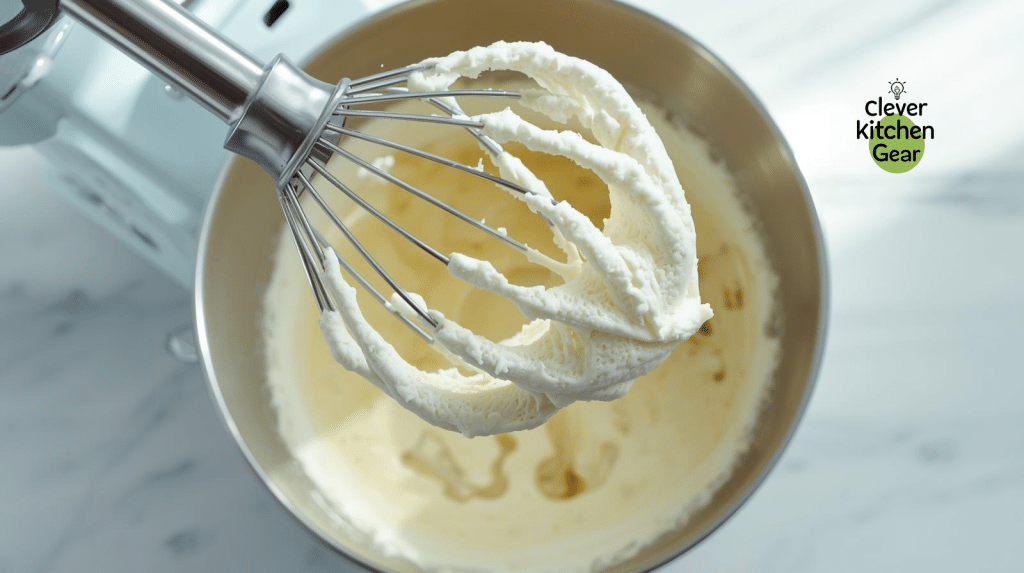
Use medium speed to beat eggs until soft peaks form. Soft peaks are when the egg whites hold their shape but the tips fall softly. This speed gives you good volume and a light texture.
- Egg whites look foamy and thick
- Peaks bend down when the whisk is lifted
- Mixture is shiny and smooth
High Speed For Stiff Peaks
Switch to high speed for stiff peaks. Stiff peaks stand straight up and hold their shape. This speed traps air inside the eggs, making them firm and stable.
| Speed Level | Egg Texture | Use For |
| Low | Initial mixing | Combining ingredients without splashing |
| Medium | Soft peaks | Light and airy mixtures like mousses |
| High | Stiff peaks | Firm structures like meringues |
Factors Affecting Beating Speed
Beating eggs with a mixer needs the right speed. The speed depends on many things. Knowing these helps get the best results.
Eggs can be whipped fast or slow. The mixer speed changes how eggs turn fluffy or stiff. Some factors change how fast you should beat eggs.
Egg Temperature
Cold eggs take longer to beat. They do not whip well at first. Room temperature eggs are easier to beat fast. They form more volume and soft peaks quickly.
Take eggs out of the fridge 30 minutes before beating. This helps them reach the right temperature. Warm eggs mix better with air.
Freshness Of Eggs
Fresh eggs are better for beating. They have thick whites that trap air. Older eggs have thinner whites that do not whip well. This means you need to beat fresh eggs faster and longer.
Use eggs that are less than two weeks old. This helps make stable foam and good volume when beating.
Bowl And Whisk Type
Metal or glass bowls work best for beating eggs. They do not hold grease or water. Plastic bowls can make beating slower. Whisks with thin wires trap more air and beat faster.
- Use a clean, dry metal or glass bowl
- Choose a balloon whisk or mixer whisk attachment
- Avoid plastic bowls or dirty whisks
Signs Of Perfect Egg Peaks
Beating eggs to the right peak is key in many recipes. It affects texture and how well your dish rises.
Knowing the signs of perfect egg peaks helps you avoid common mistakes like under or overbeating.
Soft Peak Characteristics
Soft peaks form when egg whites hold shape but the tips fold over. They look shiny and smooth.
- Peaks bend down when you lift the whisk
- Mixture is glossy and slightly thickened
- Egg whites still move gently in the bowl
Stiff Peak Characteristics
Stiff peaks stand straight and hold their shape firmly. They look bright and dry on the surface.
| Feature | Soft Peaks | Stiff Peaks |
|---|---|---|
| Peak Shape | Curves down when whisk lifts | Stands straight without bending |
| Texture | Glossy and smooth | Bright and firm |
| Use | For folding gently into mixtures | For firm meringues and toppings |
Avoiding Overbeating
Overbeating eggs causes dryness and grainy texture. It makes folding harder and can break the foam.
- Clumps form and look curdled
- Mixture looks dry and dull
- Egg whites separate from liquid
Stop beating as soon as peaks hold shape without cracking.
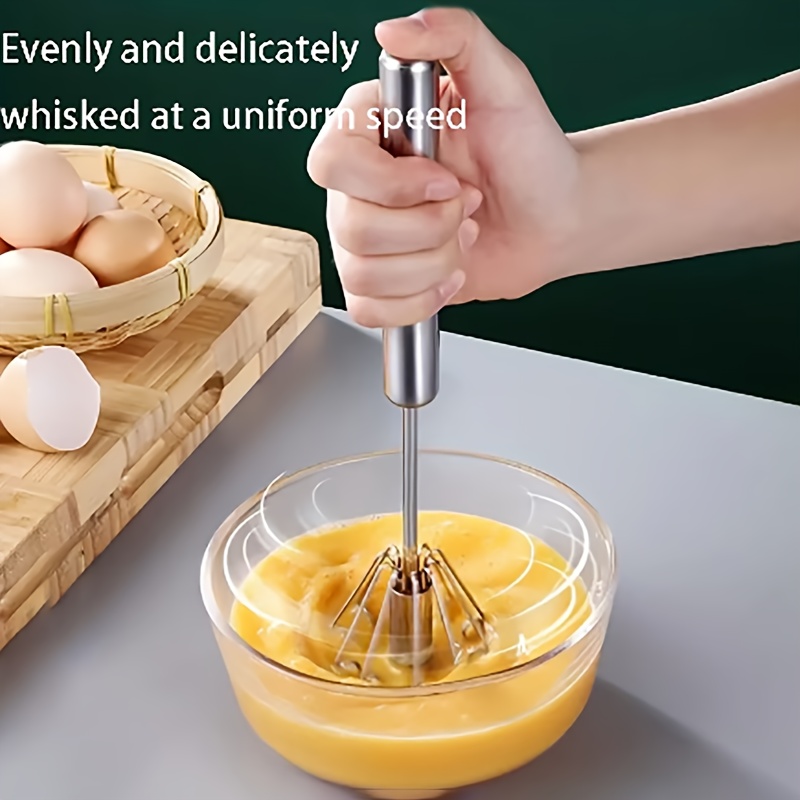
Credit: www.temu.com
Common Mistakes To Avoid
Beating eggs in a mixer is easy if you know the right speed. Using the wrong speed can ruin your recipe. Avoid these common mistakes to get perfect results every time.
This guide covers three frequent errors: starting at too high speed, using dirty equipment, and adding sugar too early.
Starting At Too High Speed
Starting to beat eggs at a very high speed can cause problems. The eggs may splash out or not whip properly. It is better to start slow and then increase speed.
- Begin at low speed to mix eggs gently.
- Increase speed gradually as eggs thicken.
- Stop if eggs look frothy or watery.
Using Dirty Equipment
Mixers and bowls must be clean and dry. Any grease or water can stop eggs from whipping properly. Dirt can also add bad flavors.
| Equipment | Why Clean? | Effect if Dirty |
|---|---|---|
| Bowl | Removes grease and dust | Eggs do not whip well |
| Whisk or Beater | Prevents contamination | Flavors spoil, eggs separate |
| Hands | Keeps mixture pure | Introduces bacteria |
Adding Sugar Too Early
Sugar should be added only after eggs start to foam. Adding sugar too early stops egg whites from rising. It makes the mixture heavy and slow.
Remember these points about sugar:
- Wait until soft peaks form before adding sugar.
- Add sugar slowly, one tablespoon at a time.
- Mix well after each addition for smooth texture.
Expert Tips For Consistent Results
Beating eggs in a mixer needs the right speed and timing. This affects the texture and volume of your mixture.
Use these tips to get perfect results every time you beat eggs with a mixer.
Gradually Increasing Speed
Start mixing eggs at a low speed. This helps break the yolks without splashing. Slowly raise the speed to medium or high for better aeration.
- Begin at low speed for 20-30 seconds
- Increase to medium speed for 1-2 minutes
- Finish with high speed for stiff peaks if needed
Timing Your Beating
| Beating Stage | Approximate Time | Result |
| Low Speed | 20-30 seconds | Mixes eggs without splashing |
| Medium Speed | 1-2 minutes | Light and airy texture |
| High Speed | Up to 3 minutes | Stiff peaks form |
Do not overbeat eggs. Stop as soon as you see the desired texture. Overbeating can cause dryness or breaking.
Using Room Temperature Eggs
Eggs at room temperature beat easier and produce more volume. Cold eggs take longer to whip.
Keep eggs out of the fridge for about 30 minutes before beating. This simple step helps you get better results.

Credit: www.amazon.in

Credit: www.amazon.co.za
Frequently Asked Questions
What Speed Should I Use To Beat Eggs In A Mixer?
Use medium speed to beat eggs in a mixer. This speed ensures even mixing without splattering. It helps incorporate air for fluffy results. High speed can cause mess and over-beating, while low speed might not mix well. Medium speed balances efficiency and control.
Can I Use High Speed To Beat Eggs Quickly?
High speed can beat eggs quickly but may cause splashes. It risks over-beating eggs, leading to a dense texture. For better control and fluffiness, start at low speed, then increase to medium. Avoid high speed unless the recipe specifically requires it.
Why Is Medium Speed Ideal For Beating Eggs?
Medium speed is ideal because it mixes eggs uniformly and adds air. This speed prevents splattering and over-beating. It gives eggs a light, fluffy texture perfect for baking. Medium speed also offers better control compared to high speed mixing.
How Does Speed Affect Egg Texture When Beating?
Speed affects how much air is incorporated into eggs. Low speed mixes gently but may not aerate well. Medium speed introduces enough air for fluffiness. High speed can overbeat eggs, making them dense or curdled. Proper speed ensures desired egg texture for recipes.
Conclusion
Beating eggs at the right speed helps achieve the best texture. Start slow to mix ingredients without splashing. Increase speed for fluffy, light results. Too fast can cause eggs to break down. Watch for soft peaks to know when to stop.
Practice helps you find the perfect rhythm. This simple tip improves your baking every time. Give it a try and notice the difference.