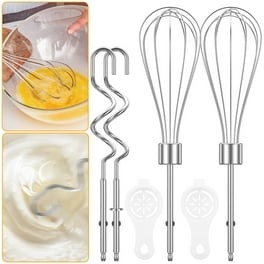

Have you ever wondered why your homemade pizza dough doesn't quite match up to your favorite pizzeria's? The secret might lie in something as simple as your mixer's speed setting.
When crafting the perfect pizza dough, the speed at which you mix can make all the difference between a chewy, airy crust and a dense, disappointing one. Imagine biting into a slice where the crust has just the right amount of crispiness and chewiness.
Sounds delightful, right? In this post, we're diving into what mixer speed you should use for pizza dough to transform your homemade pizza game. Get ready to unlock the magic of perfectly mixed dough that will have your taste buds dancing with joy. Don’t miss out on these game-changing tips that can elevate your pizza-making skills to new heights!

Credit: www.stadlermade.com
Choosing The Right Mixer
Mixing pizza dough needs the right speed and tool. A good mixer saves time and makes dough smooth.
Selecting a mixer depends on the dough amount and your kitchen setup. Let’s look at mixer types and features.
Types Of Mixers For Dough
There are many mixers made for dough. Each type fits different needs and dough amounts.
- Stand Mixers:Common in homes. They come with dough hooks for kneading.
- Spiral Mixers:Used in bakeries. They mix dough gently and fast.
- Planetary Mixers:Mix ingredients well. They have various attachments.
- Hand Mixers:Best for small batches. Not ideal for heavy dough.
Features To Look For
Choosing the right mixer means checking its power, speed settings, and durability.
| Feature | Why It Matters | What to Check |
| Motor Power | Strong motor handles thick dough | Minimum 300 watts for home use |
| Speed Settings | Adjust speed for proper kneading | At least 3 speed levels |
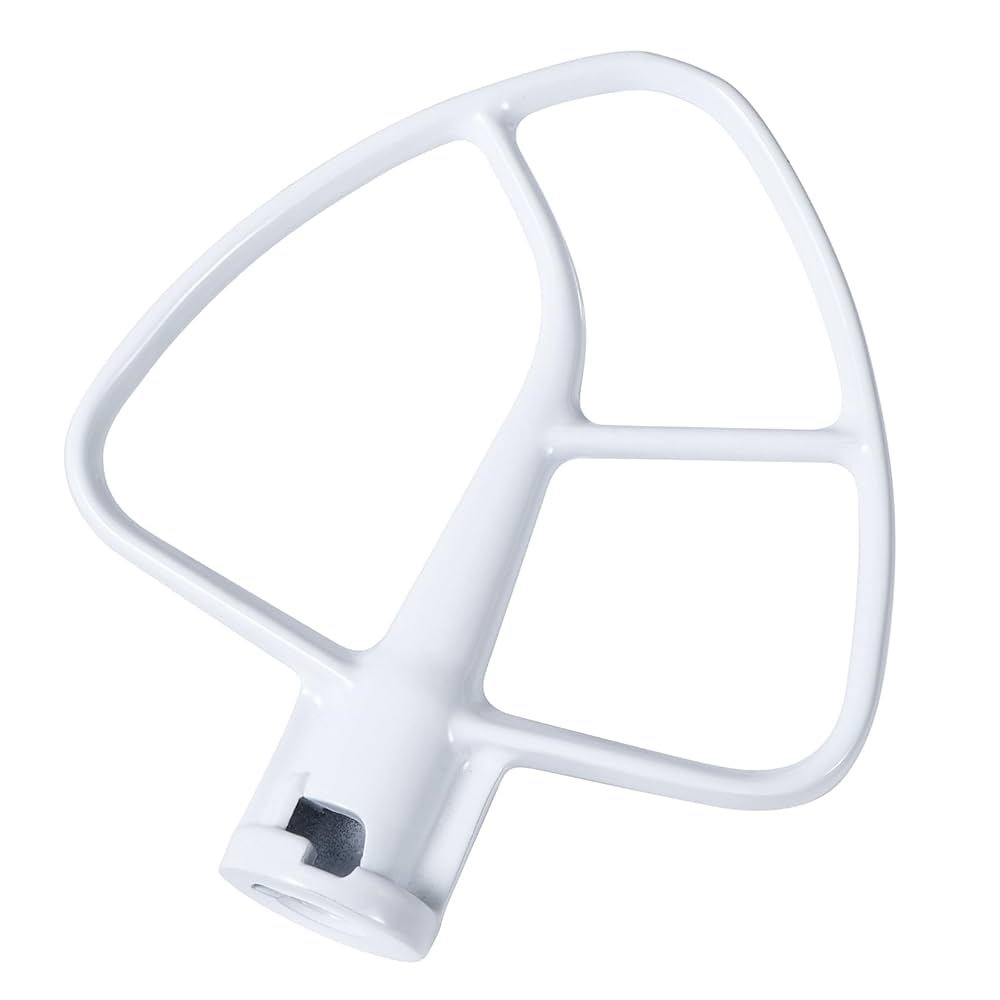
| Attachments | Versatile mixing options | Dough hook and paddle included |
| Bowl Size | Matches dough batch size | 5 quarts or more for pizza dough |
| Build Quality | Long-lasting and stable mixer | Metal body preferred |

Credit: www.amazon.ca
Mixer Speeds Explained
Choosing the right mixer speed is key for making good pizza dough. Different speeds affect dough texture and gluten development.
This guide explains how low, medium, and high mixer speeds change your dough and what to expect from each.
Low Speed Benefits
Low speed mixing gently combines ingredients. It helps the dough develop strong gluten without overheating. This speed keeps the dough smooth and elastic.
- Prevents dough from getting too warm
- Builds gluten slowly and evenly
- Reduces the risk of overmixing
- Helps keep dough texture soft
Medium Speed Uses
Medium speed is good for mixing dough faster while still controlling texture. It works well for many pizza dough recipes to balance time and quality.
| Speed Level | Effect on Dough |
| Low | Gentle gluten development, cooler dough |
| Medium | Faster mixing, balanced texture |
| High | Risk of overheating and overworking dough |
High Speed Risks
High speed mixing can damage dough if used too long. It makes the dough warm and tough, which hurts pizza crust quality.
- Dough overheating
- Overdeveloped gluten causing toughness
- Possible damage to mixer and ingredients
Ideal Speed For Pizza Dough
Mixing pizza dough at the right speed is important. It helps develop gluten and makes the dough smooth. Using the wrong speed can cause problems.
This guide explains how to use mixer speed properly for pizza dough. It covers starting slow, increasing speed, and avoiding overmixing.
Starting Slow For Mixing
Begin mixing pizza dough on a low speed. This helps combine the flour and water evenly. It prevents flour from flying out of the bowl.
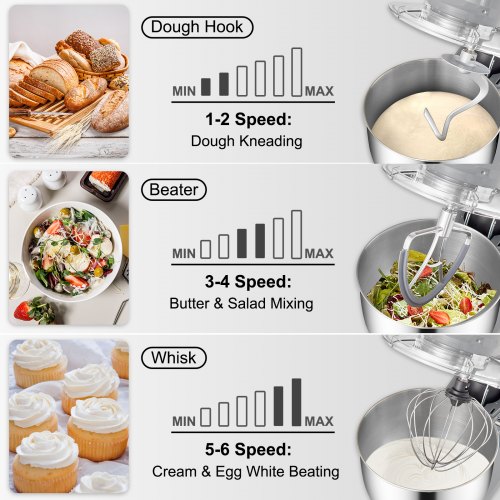
- Use speed 1 or 2 on your mixer.
- Mix for about 2 to 3 minutes.
- Make sure all ingredients are wet and combined.
Increasing Speed For Kneading
After mixing, increase the speed for kneading. This helps build the dough’s strength and elasticity. Use a medium speed to avoid heat build-up.
| Mixer Speed | Purpose | Time |
| Low (1-2) | Mix ingredients | 2-3 minutes |
| Medium (3-4) | Knead dough | 5-7 minutes |
| High (5+) | Not recommended | 0 minutes |
Avoiding Overmixing
Do not mix dough at high speed for too long. Overmixing can break gluten strands. This makes dough sticky and hard to shape.
Signs of overmixing:
- Dough feels very sticky.
- Dough loses elasticity.
- Dough tears easily when stretched.
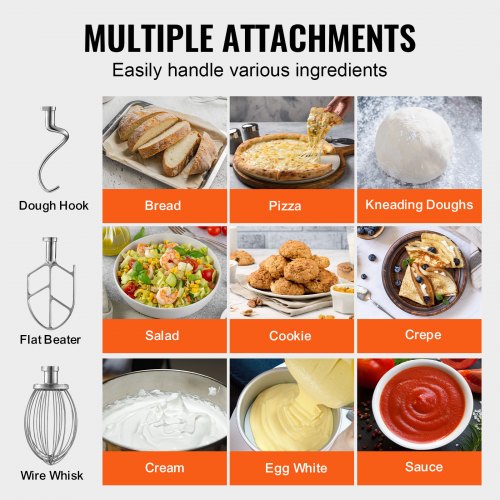
Credit: www.vevor.ca
Signs Of Well-kneaded Dough
Kneading pizza dough is key to its texture and rise. Using the right mixer speed helps form the gluten.
You can tell the dough is ready by checking its feel and stretch. These signs show good kneading.
Texture And Elasticity
Well-kneaded dough feels smooth and slightly tacky but not sticky. It should stretch without tearing.
The dough should bounce back when pressed gently. This shows it has good elasticity from gluten development.
- Smooth surface with no lumps
- Soft but firm to touch
- Springs back when poked
- Stretches easily without breaking
Windowpane Test
To check dough strength, stretch a small piece thinly. It should form a thin, translucent layer.
If the dough tears quickly, it needs more kneading. A good windowpane means strong gluten and good structure.
- Take a small dough piece
- Stretch it gently into a thin sheet
- Look for a translucent, light-passing film
- No tearing or holes means good gluten
Common Mistakes With Mixer Speed
Choosing the right mixer speed is important for making good pizza dough. Using the wrong speed can hurt the dough’s texture and rise.
This guide explains common mistakes with mixer speed and how they affect your dough.
Too Fast Mixing
Mixing pizza dough too fast can break the gluten strands. This makes the dough weak and sticky.
Fast mixing also heats the dough. Warm dough can ferment too quickly and lose flavor.
- Gluten breaks down, causing poor dough structure
- Dough becomes sticky and hard to shape
- Heat speeds up fermentation, affecting taste
Too Slow Mixing
Mixing too slow does not develop the gluten well. The dough will be dense and hard to stretch.
Slow mixing wastes time and may leave ingredients unevenly mixed.
- Gluten is weak, making dough tough
- Dough does not rise well
- Ingredients may not blend evenly
Ignoring Dough Consistency
Focusing only on mixer speed without checking dough feel is a mistake. Dough consistency tells you if mixing is right.
Sticky or dry dough means you need to adjust speed or mixing time.
- Sticky dough may need slower speed or less mixing
- Dry dough may need more mixing or higher speed
- Check dough texture often during mixing
Tips From Experts
Choosing the right mixer speed makes pizza dough better. Different flours and water amounts need different speeds. Experts share tips to get it right every time.
Using a timer helps keep mixing consistent. These tips will guide you on speed and timing for great dough.
Adjusting For Different Flours
Flours vary in protein and texture. High-protein flours need slower mixing to protect gluten. Soft flours mix faster but need less time.
- Use low speed for bread or high-gluten flours
- Medium speed works well for all-purpose flour
- Soft flours like cake flour need gentle mixing
- Adjust speed to avoid overheating dough
Adapting Speed For Hydration Levels
Water affects dough texture and mixing. Higher hydration doughs are sticky and need slower speeds. Lower hydration doughs mix well at medium speed.
| Hydration Level | Recommended Mixer Speed | Mixing Notes |
| Below 60% | Medium | Dough is firm; mixes quickly |
| 60% to 70% | Low to Medium | Dough is soft; mix gently |
| Above 70% | Low | Dough is very sticky; slow mixing needed |
Using Timer For Precision
Mixing time matters as much as speed. Using a timer helps keep dough texture consistent. Experts suggest timing for each mixing phase.
| Mixing Phase | Time Range (minutes) |
|---|---|
| Initial Mixing | 2-3 |
| Gluten Development | 5-7 |
| Final Kneading | 2-3 |
Troubleshooting Dough Issues
Mixing pizza dough at the right speed affects its texture and rise. Dough problems often come from incorrect mixer settings. Fixing these issues helps make better pizza crusts.
This guide covers common dough problems and how to adjust mixer speed to solve them. Learn quick fixes for sticky dough, tough dough, and uneven mixing.
Sticky Dough Fixes
Sticky dough usually means too much water or under-mixing. The mixer speed may be too low to develop the gluten properly.
- Increase mixer speed to medium to help gluten form faster.
- Add flour slowly while mixing to reduce stickiness.
- Mix dough for 8 to 10 minutes to reach the right texture.
- Check dough temperature; it should be cool but not cold.
Tough Dough Solutions
Tough dough can result from too much flour or over-mixing at high speed. This tightens gluten strands too much, making the dough hard to stretch.
| Cause | Fix | Recommended Mixer Speed |
|---|---|---|
| Too much flour added | Reduce flour amount, add water if needed | Low to medium |
| Over-mixing dough | Mix shorter time, stop when dough is smooth | Low |
| High mixer speed | Lower speed to protect gluten structure | Low |
Uneven Mixing Problems
Uneven dough means some parts are not mixed well. This happens if the mixer speed is too low or the bowl is overloaded.
- Use medium speed to ensure all ingredients combine well.
- Do not overfill the mixing bowl; use smaller batches if needed.
- Stop mixer occasionally and scrape down sides of the bowl.
- Mix until dough is smooth and uniform in texture.
Frequently Asked Questions
What Is The Ideal Mixer Speed For Pizza Dough?
The ideal mixer speed for pizza dough is low to medium. Start mixing on low to combine ingredients, then increase to medium for kneading. High speeds can overwork the dough and heat the yeast, affecting texture and rise.
Can High Mixer Speed Damage Pizza Dough?
Yes, high mixer speed can damage pizza dough. It can overheat the dough, killing yeast and causing tough gluten. Mixing at too high speed also risks over-kneading, resulting in dense, chewy crust instead of a light and airy texture.
How Long Should You Mix Pizza Dough At Medium Speed?
Mix pizza dough at medium speed for 8 to 10 minutes. This duration develops gluten properly for elasticity and strength. Avoid over-mixing to keep the dough soft and workable, ensuring a perfect pizza crust after baking.
Why Start Mixing Pizza Dough On Low Speed?
Starting on low speed prevents flour from scattering and allows ingredients to combine evenly. It ensures yeast activates gently without sudden stress. This step promotes consistent dough texture and better gluten development for ideal pizza dough.
Conclusion
Choosing the right mixer speed helps make perfect pizza dough. Start slow to mix ingredients well. Then, increase speed to develop gluten. Avoid using too high speed. It can heat the dough and spoil texture. Watch the dough closely for the right feel.
Soft and elastic means it is ready. Proper mixing saves time and effort. Your pizza will bake with a great crust. Simple steps lead to delicious results every time. Enjoy making your pizza dough with confidence.