Are you ready to transform your backyard barbecue into a feast of mouthwatering, smoky perfection? If you’re wondering what temperature to cook ribs in a smoker, you've landed in the right place.
Achieving that perfect, fall-off-the-bone tenderness might seem like a secret reserved for pitmasters, but it's easier than you think. In this blog post, you’ll discover the magic number that ensures your ribs are cooked to perfection every time. Imagine impressing your friends and family with ribs that are not just cooked, but perfectly smoked to capture all those rich flavors.
Stay with us, and by the end, you’ll be armed with the knowledge to elevate your BBQ game and make every cookout unforgettable.
Choosing The Right Cut
Cooking ribs in a smoker needs the right cut for best flavor and texture. Pick ribs that suit your taste and cooking style.
Different ribs cook at different temperatures and times. Knowing your cut helps you set the smoker right.
Baby Back Ribs Vs Spare Ribs
Baby back ribs come from the upper part of the rib cage, near the spine. They are smaller and leaner than spare ribs.
Spare ribs are larger and have more fat. They come from the lower part of the rib cage and need longer cooking times.
- Baby back ribs cook faster at 225°F to 250°F
- Spare ribs need low and slow heat at 225°F for longer
- Baby backs are tender and lean
- Spare ribs are meatier and fattier
Selecting Fresh Or Prepped Ribs
Fresh ribs have a better taste and texture. Look for pink color and firm meat when buying fresh ribs.
Prepped ribs may be trimmed and ready to cook. They save time but check for added sauces or preservatives.
- Choose fresh ribs for control over seasoning
- Prepped ribs are good for quick cooking
- Check expiration dates on prepped ribs
- Trim excess fat if needed before smoking
Credit: blog.thermoworks.com
Preparing Ribs For Smoking
Smoking ribs takes time and care. Proper preparation helps you get tender, flavorful meat.
Before smoking, you need to clean and season the ribs. This improves taste and texture.
Removing The Membrane
The membrane is a thin layer on the back of ribs. It can be tough and chewy when cooked.
Take a paper towel to grip the membrane. Pull it off gently but firmly. Removing it helps smoke and rubs penetrate better.
- Slide a knife under the membrane to loosen it
- Use a paper towel for a better grip
- Pull slowly to remove the entire membrane
- Remove any small pieces left behind
Applying Rubs And Marinades
Rubs and marinades add flavor and help create a tasty crust on the ribs. Apply them evenly for best results.
Use dry rubs for a spicy or sweet taste. Marinades add moisture and can tenderize the meat.
- Pat ribs dry before applying rub or marinade
- Apply rub generously over both sides
- Massage marinade into the meat for deeper flavor
- Let ribs rest for 30 minutes or more before smoking
Ideal Smoking Temperatures
Cooking ribs in a smoker needs the right temperature. This affects taste, texture, and juiciness.
Different temperatures change how fast ribs cook and how tender they become.
Low And Slow: Benefits Of 225°f
Smoking ribs at 225°F takes more time but gives great results. The meat cooks slowly and stays juicy.
This temperature helps break down fat and connective tissues well. It makes ribs tender and flavorful.
- Meat stays moist and tender
- Smoke flavor fully develops
- Fat melts evenly for softness
- Low risk of drying out ribs
Faster Cooking At 250°f To 275°f
Raising the smoker temperature to 250°F–275°F cooks ribs faster. It saves time but still keeps good flavor.
This range is good if you want tender ribs in less time. The meat cooks more quickly but can stay juicy.
- Cook ribs in less time
- Still get good smoke taste
- Keep ribs tender and juicy
- Watch closely to avoid drying
Credit: blog.thermoworks.com
Maintaining Consistent Heat
Cooking ribs in a smoker needs steady heat. Consistent temperature helps ribs cook evenly and stay juicy.
Fluctuating heat can dry out ribs or leave them undercooked. Use good tools and techniques to keep heat steady.
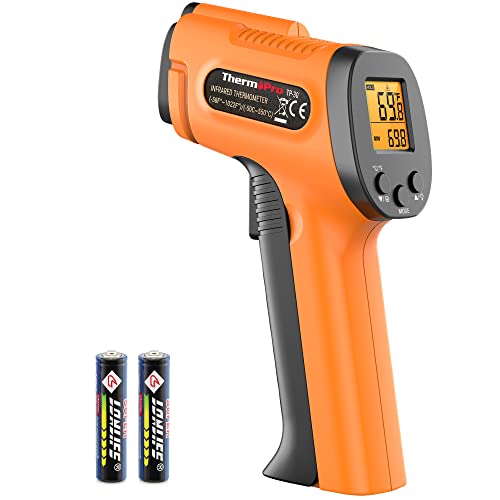
Using A Reliable Smoker Thermometer
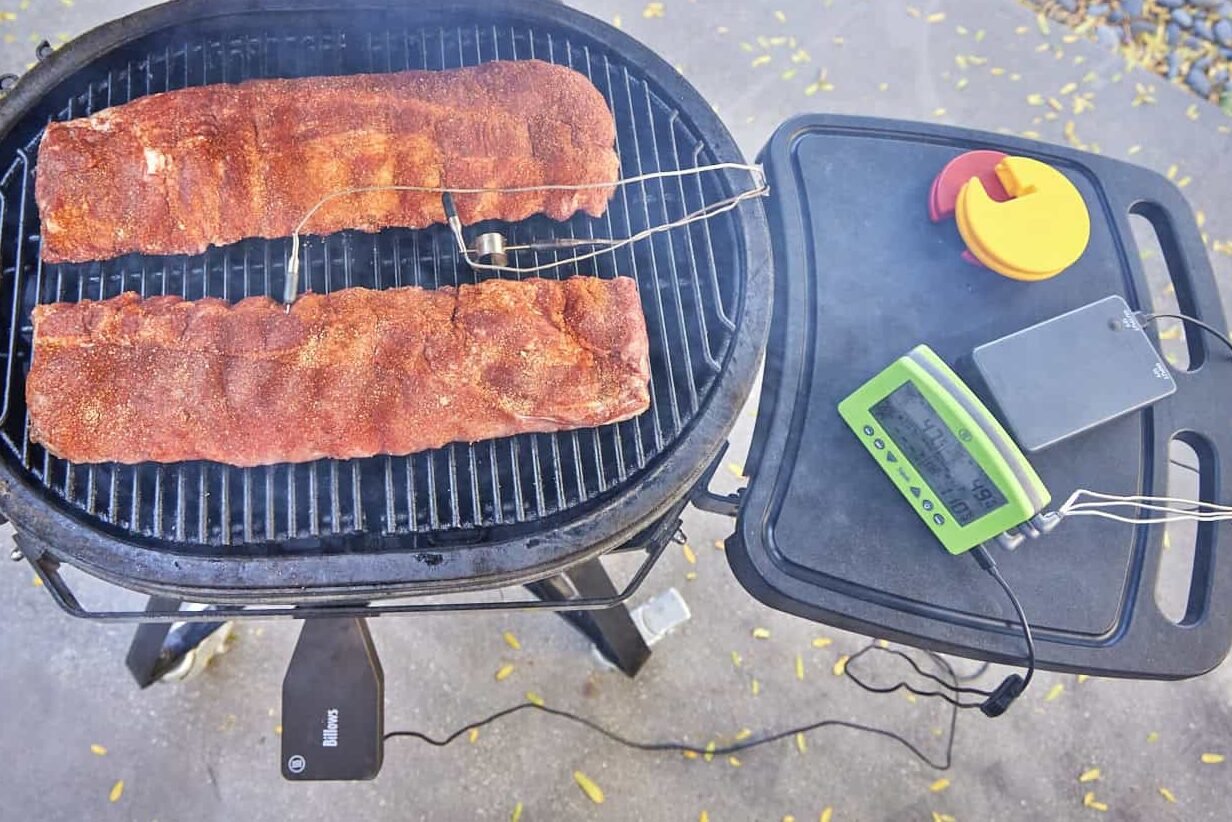
A good smoker thermometer shows the exact temperature inside your smoker. It helps avoid guessing and keeps heat steady.
- Place the thermometer near the ribs for accurate reading.
- Check the temperature often to catch changes early.
- Use digital or dial thermometers with clear displays.
- Calibrate your thermometer to ensure it shows the correct temperature.
Managing Smoke And Airflow
Controlling smoke and airflow affects temperature and flavor. Proper airflow keeps heat steady and smoke flowing.
| Airflow Control | Effect on Heat |
| Open vents more | Increases oxygen, raises temperature |
| Close vents slightly | Reduces oxygen, lowers temperature |
| Keep vents steady | Maintains consistent heat |
Timing And Internal Temperature
Cooking ribs in a smoker takes time and patience. The right temperature and timing make ribs tender and tasty.
Knowing the target internal temperature helps you cook ribs perfectly every time.
Target Internal Temp For Tenderness
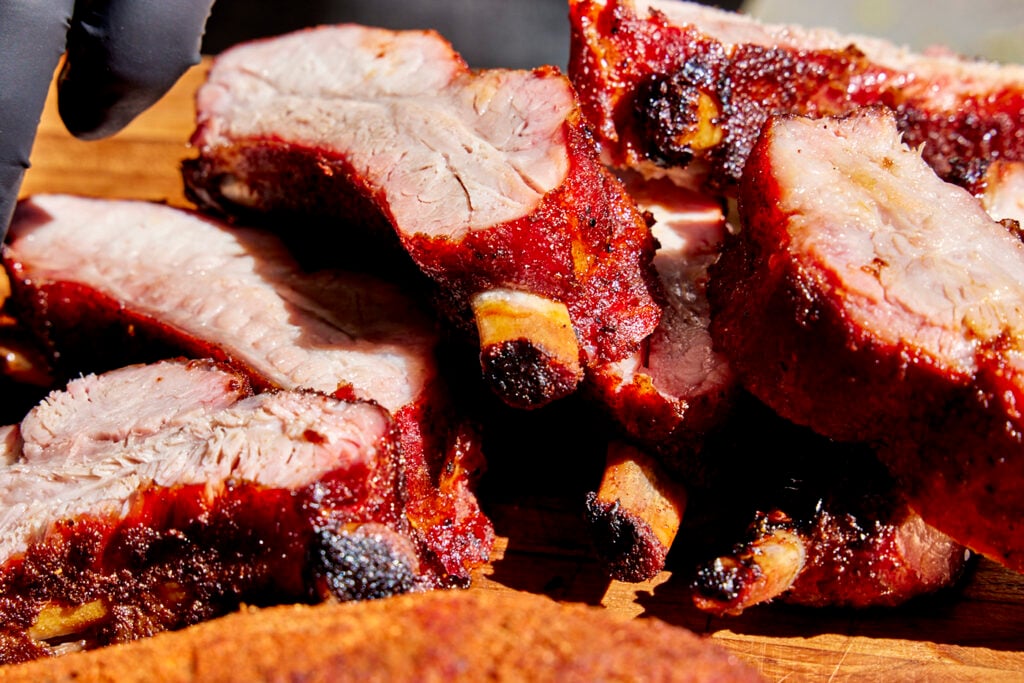
Ribs are best when cooked to an internal temperature of 190°F to 203°F. This range makes the meat soft and easy to pull away from the bone.
Use a meat thermometer to check the temperature inside the thickest part of the ribs. Avoid touching the bone with the thermometer.
- 190°F: Ribs are tender but still firm.
- 195°F to 203°F: Ribs become very tender and juicy.
- Above 203°F: Meat may dry out if cooked too long.
The 3-2-1 Smoking Method
The 3-2-1 method is a popular way to smoke ribs low and slow. It uses three stages of cooking at about 225°F.
This method helps break down the meat and makes ribs very tender without drying them out.
- 3 hours:Smoke the ribs unwrapped to add flavor.
- 2 hours:Wrap ribs in foil with sauce or liquid to keep moisture.
- 1 hour:Unwrap ribs and cook again to firm up the outside.

Credit: butcherbbq.com
Wrapping And Resting Ribs
Cooking ribs in a smoker takes patience. Wrapping and resting are key steps. They help keep ribs moist and tender.
Using the right wrap and resting time can improve your rib’s texture and flavor. Let’s explore these important parts.
Using Foil Or Butcher Paper
Wrapping ribs during smoking helps lock in moisture. You can use either foil or butcher paper. Each has its benefits and effects on the ribs.
- Foil:Seals tightly, trapping steam for softer ribs. It can speed up cooking slightly.
- Butcher Paper:Breathes more than foil. It keeps bark firmer and adds smoky flavor.
Most cooks wrap ribs after 3 hours at about 225°F (107°C). Then, place them back in the smoker for 1 to 2 more hours wrapped.
Resting Time For Juicy Results
Resting ribs after cooking is vital. It lets juices redistribute inside the meat. This makes the ribs juicy and tender.
| Resting Time | Purpose | Tip |
| 10-15 minutes | Allows juices to settle | Wrap ribs in foil to keep heat |
| Up to 30 minutes | Enhances tenderness | Rest on a warm plate or cutting board |
Do not cut ribs right after smoking. Wait for the rest time. This simple step improves taste and texture greatly.
Common Mistakes To Avoid
Cooking ribs in a smoker needs the right temperature. Many people make mistakes that ruin their ribs. Knowing what to avoid helps you cook better ribs.
This guide explains common mistakes about temperature. Fix these errors for juicy and tender ribs.
Overcooking Or Undercooking
Cooking ribs too long makes them dry and tough. Cooking too short leaves them chewy and hard to eat. Both ruin the flavor and texture.
Use a meat thermometer to check ribs. The best temperature is usually 195°F to 203°F inside the ribs. This range makes ribs tender and juicy.
- Check ribs after about 4 hours of smoking
- Don’t guess the cooking time, use temperature
- Rest ribs after cooking to keep juices inside
Ignoring Temperature Fluctuations
Smoker temperature changes can harm ribs. If heat drops too low, ribs cook slowly and dry out. If heat is too high, ribs burn outside but stay raw inside.
Keep the smoker steady at 225°F to 250°F for best results. Use a good thermometer to watch the heat. Add wood or charcoal as needed to keep steady heat.
- Check smoker temperature every 30 minutes
- Adjust vents to control airflow and heat
- Keep water pan filled to keep ribs moist
Enhancing Flavor Post-smoking
After smoking ribs to the right temperature, adding flavor can make them even better. Post-smoking steps bring out new tastes and textures.
Two common ways to enhance flavor are adding sauces or glazes and giving the ribs a final sear or broil. Both add richness and improve the rib’s look.
Adding Sauces And Glazes
Applying sauces or glazes after smoking keeps the smoky taste but adds a sweet, tangy, or spicy layer. Brush them on gently to avoid washing away the bark.
- Choose a sauce that matches your flavor preference, like barbecue, honey mustard, or a spicy glaze.
- Apply sauce in thin layers to build flavor without sogginess.
- Let the ribs rest after saucing to let the flavors soak in.
- Use a mop or brush for even coverage.
- Reheat ribs gently if needed to set the glaze.
Final Sear Or Broil
A quick sear or broil adds a caramelized crust that contrasts the tender meat. This step boosts texture and appearance.
| Method | Time | Effect |
| Sear on Grill | 2–3 minutes per side | Creates a smoky crust and slightly chars the sauce |
| Broil in Oven | 3–5 minutes | Melts glaze and adds a caramelized top layer |
Frequently Asked Questions
What Is The Ideal Smoker Temperature For Ribs?
The ideal smoker temperature for ribs is between 225°F and 250°F. This range ensures slow cooking, tender meat, and smoky flavor.
How Long Should Ribs Cook In A Smoker?
Ribs typically take 4 to 6 hours at 225°F to 250°F. Cooking time varies by rib size and smoker consistency.
Should Ribs Be Cooked Low And Slow In A Smoker?
Yes, cooking ribs low and slow preserves tenderness and enhances smoky flavor. High heat can dry out the meat.
Can Ribs Be Smoked At Higher Temperatures?
Smoking ribs above 275°F is possible but risks drying them. Lower temperatures yield juicier, more tender ribs.
Conclusion
Cooking ribs in a smoker needs the right temperature for best taste. Keep the smoker between 225°F and 250°F for tender ribs. This range helps the meat cook slow and stay juicy. Avoid high heat to prevent dry, tough ribs.
Use a thermometer to check the smoker’s temperature often. Patience pays off with smoky, flavorful ribs. Try this simple tip for your next cookout. Enjoy ribs that melt in your mouth every time.