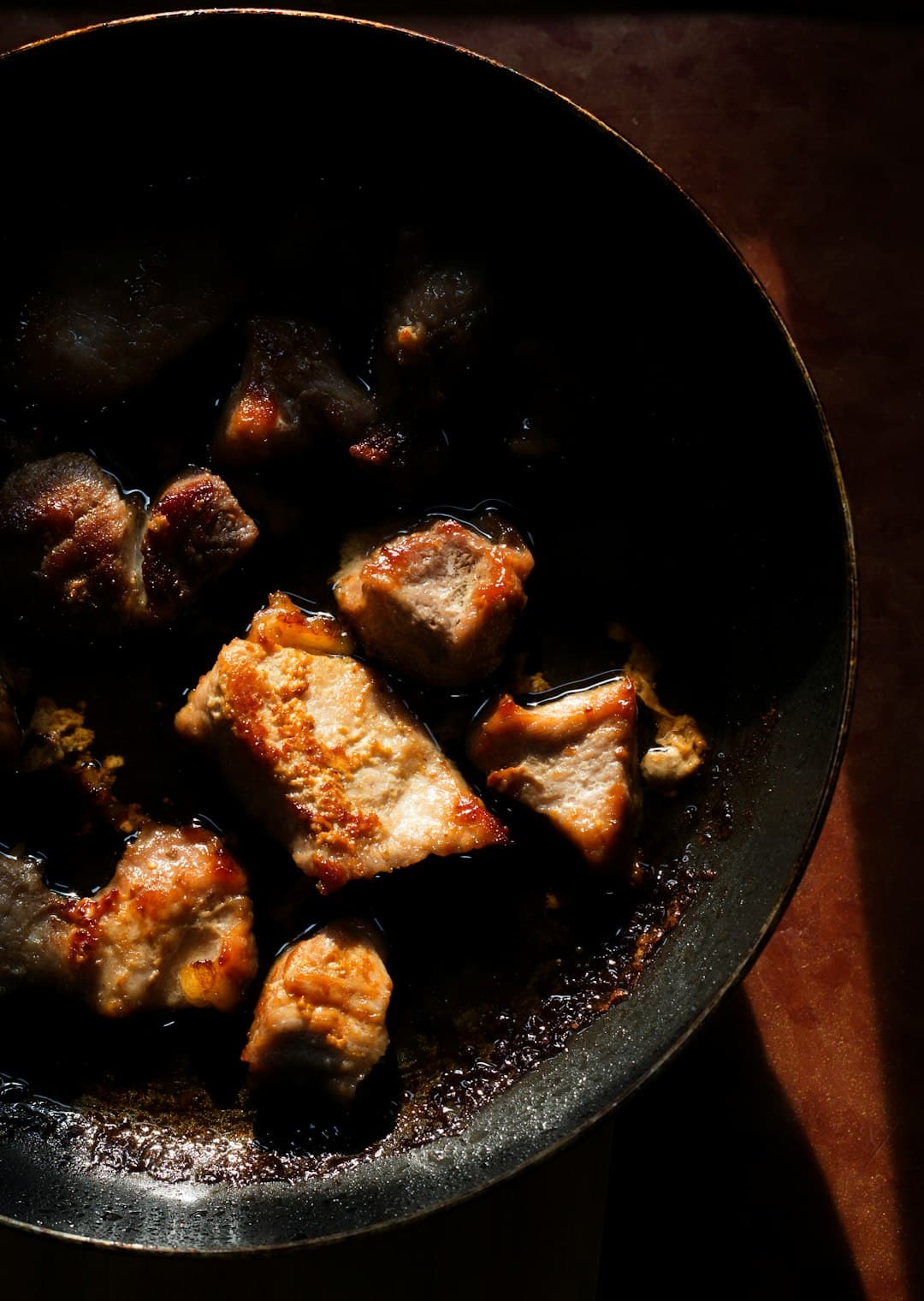
Imagine the sizzle of a perfectly cooked pork chop hitting a hot frying pan. The aroma fills your kitchen, teasing your senses and making your mouth water.
Cooking pork chops in a frying pan can seem daunting, but it's simpler than you think. You don't need to be a master chef to create a dish that's juicy and full of flavor. With just a few easy steps, you can transform a simple pork chop into a delicious meal that will impress your family and friends.
Stick with me, and you’ll discover the secrets to achieving that perfect golden crust and tender inside. Ready to elevate your cooking game? Let’s dive right in!
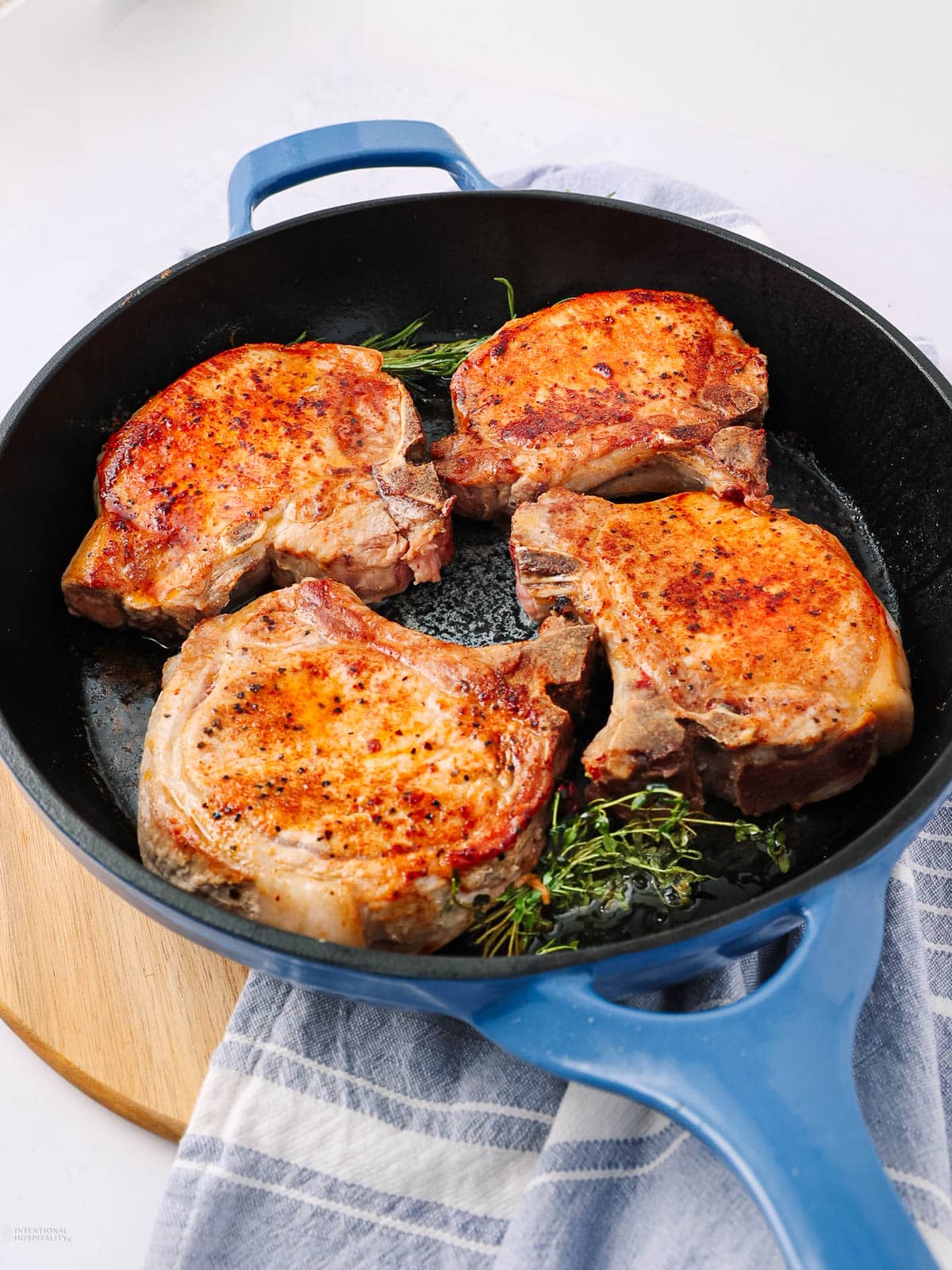
Credit: intentionalhospitality.com
Choosing The Right Pork Chops
Picking the right pork chops is key for a tasty meal. The right cut affects cooking time and flavor.
Knowing the differences helps you cook pork chops perfectly in a frying pan.
Bone-in Vs Boneless
Bone-in pork chops have the bone left inside. Boneless chops have no bone.
Bone-in chops often taste juicier and cook more evenly. Boneless chops cook faster and are easier to eat.
- Bone-in chops keep meat moist.
- Boneless chops are quick to cook.
- Bone-in may need longer cooking time.
- Boneless chops are good for quick meals.
Thickness Matters
Thickness changes how long pork chops need to cook. Thin chops cook fast but can dry out.
Thicker chops stay juicy but need careful cooking. Choose thickness based on your cooking skill and time.
- Thin chops: about 1/2 inch thick
- Thick chops: 1 inch or more
- Thick chops need lower heat, longer time
- Thin chops cook quickly on medium heat
Freshness And Quality
Fresh pork chops taste better and are safer to eat. Look for bright pink color and firm texture.
Avoid chops with a bad smell or slimy feel. High-quality meat has little fat and no dark spots.
- Fresh chops have a pink color
- Firm to the touch, not soft or sticky
- No bad or sour smell
- Choose chops with minimal fat
Preparing Pork Chops For Cooking
Cooking pork chops well starts with proper preparation. Preparing the meat correctly helps you get better flavor and texture.
Follow these simple tips to prepare your pork chops before frying them in a pan.
Trimming And Patting Dry
Trim off any excess fat or silver skin from the pork chops. This helps the meat cook evenly and avoids chewy parts.
Pat the pork chops dry with paper towels. Dry meat browns better and creates a nice crust in the pan.
Seasoning Ideas
- Salt and black pepper are basic but effective.
- Try garlic powder and paprika for extra flavor.
- Add dried herbs like thyme or rosemary.
- Use a little brown sugar for a sweet crust.
Apply seasoning evenly on both sides before cooking. Let the pork chops sit for a few minutes to absorb the flavors.
Brining For Juiciness
Brining helps keep pork chops juicy and tender. Use this simple brine recipe:
| Ingredient | Amount |
|---|---|
| Water | 4 cups |
| Salt | 1/4 cup |
| Sugar | 2 tablespoons |
| Optional spices (peppercorns, bay leaf) | To taste |
Soak pork chops in the brine for 30 minutes to 2 hours. Rinse and pat dry before cooking.
Selecting The Best Pan And Oil
Cooking pork chops in a frying pan needs the right pan and oil. These choices affect taste and texture.
Choosing a good pan and cooking fat helps cook pork chops evenly and keeps them juicy.
Cast Iron Vs Non-stick
Cast iron pans hold heat well and give pork chops a nice crust. They can cook at high temperatures.
Non-stick pans need less oil and are easy to clean. They cook pork chops gently without sticking.
- Cast iron: great for searing and browning
- Non-stick: good for delicate cooking and easy cleanup
- Cast iron needs seasoning and care
- Non-stick wears out over time
Choosing Cooking Fats
Pick oils or fats with a high smoke point. This stops oil from burning and tasting bad.
Butter adds flavor but burns fast. Combine it with oil for best results.
- Vegetable oil and canola oil: good smoke points
- Olive oil: use light or refined types for frying
- Butter: adds flavor, use with oil to prevent burning
- Lard or bacon fat: adds rich taste
Preheating Techniques
Preheat your pan before adding oil. This helps pork chops cook evenly and get a crisp crust.
Heat the pan on medium heat for a few minutes. Then add oil and wait until it shimmers.
- Place pan on burner and heat for 3-5 minutes
- Add oil and watch for shimmer or light smoke
- Put pork chops in the pan carefully
- Avoid crowding the pan to keep heat steady

Credit: herbsandflour.com
Cooking Techniques For Juicy Chops
Cooking pork chops in a frying pan can be quick and easy. The goal is to keep the meat juicy and tender.
Using the right techniques helps seal in moisture and avoid dry chops. Let’s explore key tips for the best results.
Searing To Lock Moisture
Searing pork chops on high heat creates a crust that traps juices inside. This step is crucial for a juicy chop.
Make sure your pan is hot before adding the chops. Cook without moving them for a few minutes until browned.
- Pat chops dry before cooking
- Use a small amount of oil to prevent sticking
- Sear each side for 2-3 minutes
- Do not press down on the meat
Adjusting Heat Levels
After searing, lower the heat to cook the chops through without burning. Medium or medium-low heat works best.
Cook slowly to let the heat reach the center. This helps keep the meat tender and juicy.
- Start on high heat for searing
- Reduce to medium or medium-low to finish cooking
- Flip chops occasionally for even cooking
- Use a meat thermometer if possible
Using A Lid Or Foil
Covering the pan with a lid or foil traps steam. This moist heat helps keep pork chops juicy.
Use a lid or foil after searing and lowering the heat. Check chops often to avoid overcooking.
- Place a lid on the pan after searing
- Cook on low heat to keep moisture
- Remove lid near the end to brown if needed
- Use foil if you don’t have a lid
Checking For Doneness
Cooking pork chops in a frying pan requires careful attention to doneness. Properly cooked pork chops are safe to eat and juicy.
There are simple ways to check if your pork chops are done. You can use a meat thermometer or rely on visual and tactile signs.
Using A Meat Thermometer
A meat thermometer is the most accurate way to check pork chop doneness. Insert the probe into the thickest part of the chop without touching bone.
The USDA recommends cooking pork chops to an internal temperature of 145°F (63°C). After reaching this, let the meat rest for three minutes.
- Insert thermometer in the thickest part
- Avoid touching bone or fat
- Look for 145°F (63°C) for safe cooking
- Rest chops for 3 minutes before serving
Visual And Tactile Cues
If you don’t have a thermometer, use visual and touch cues. Cooked pork chops change color and feel firmer.
Check the pork chop’s juices. Clear juices usually mean the meat is done. Pink or red juices suggest more cooking is needed.
- Look for a light pink to white color inside
- Press the meat; it should feel firm, not soft
- Clear juices mean the chop is cooked
- Pink juices mean cook longer
Resting And Serving Tips
Resting pork chops after frying helps keep them juicy and tender. Serving them with the right sauces and sides makes the meal complete.
Use these tips to enhance the flavor and texture of your pork chops before serving.
Importance Of Resting
Let the pork chops rest for at least 5 minutes after cooking. This lets the juices spread evenly inside the meat. Cutting too soon causes the juices to run out, making the pork dry.
Cover the pork chops loosely with foil while resting to keep them warm.
Sauce And Garnish Ideas
Adding sauces and garnishes can bring extra flavor and color to your pork chops. Choose simple sauces that match the pork’s taste.
- Apple sauce for a sweet contrast
- Mushroom gravy for richness
- Chimichurri for a fresh, herby note
- Fresh herbs like parsley or thyme as garnish
Side Dish Pairings
Good side dishes balance the pork chops and complete the meal. Pick sides that add texture and color.
| Side Dish | Why It Works |
| Mashed potatoes | Creamy and mild to balance the meat |
| Steamed green beans | Adds crunch and freshness |
| Roasted carrots | Sweetness complements pork flavor |
| Caesar salad | Offers a crisp and tangy contrast |
Common Mistakes To Avoid
Cooking pork chops in a frying pan is simple, but some mistakes can spoil the taste. Avoid these common errors for juicy and tasty pork chops every time.
Knowing what not to do helps you cook pork chops like a pro. Let’s look at the biggest mistakes to avoid.
Overcrowding The Pan
Putting too many pork chops in the pan at once lowers the pan’s temperature. This stops the meat from browning well and makes it cook unevenly.
Leave space between each chop. Cook in batches if needed. This helps each chop get a nice crust and cook evenly inside.
- Use a pan large enough for the chops.
- Cook 2-3 chops at a time, depending on pan size.
- Give each chop room to brown on all sides.
Skipping The Resting Period
Many cooks skip resting the pork chops after cooking. Resting lets the juices settle inside the meat. Cutting too soon makes the meat dry and tough.
After cooking, let your pork chops rest for 5 minutes on a plate. Cover them lightly with foil to keep warm. This keeps the meat juicy and tender.
Cooking At Too High Heat
Cooking pork chops on very high heat burns the outside before the inside cooks. This leads to burnt crust and raw meat inside.
Use medium or medium-high heat. This cooks the pork chops evenly and keeps them juicy. Adjust the heat if you see burning too fast.
- Start with medium-high heat to sear.
- Lower heat to medium to finish cooking.
- Use a meat thermometer to check doneness.

Credit: www.theseasonedmom.com
Frequently Asked Questions
How Long To Cook Pork Chops In A Frying Pan?
Cook pork chops in a frying pan for 4-5 minutes per side. Use medium heat for even cooking. Ensure internal temperature reaches 145°F (63°C) for safety. Rest chops for 3 minutes before serving to retain juices and flavor.
What Oil Is Best For Frying Pork Chops?
Use oils with high smoke points like canola, vegetable, or avocado oil. These oils prevent burning and add a neutral flavor. Avoid olive oil at high heat as it can smoke and alter taste.
How To Prevent Pork Chops From Drying Out?
Avoid overcooking and use medium heat. Marinate chops before cooking to add moisture. Let the meat rest after frying to keep juices locked inside for tender results.
Should Pork Chops Be Covered While Frying?
No, pork chops should not be covered while frying. Cooking uncovered allows proper browning and crispiness. Covering traps steam, making the meat soggy and less flavorful.
Conclusion
Cooking pork chops in a frying pan is simple and quick. Start with fresh meat and season well. Heat the pan before adding the chops for a nice sear. Cook each side evenly until golden brown and juicy inside. Let the meat rest a few minutes before serving.
This method keeps pork chops tender and full of flavor. Try it tonight for a tasty, home-cooked meal. Enjoy the process and the delicious results!