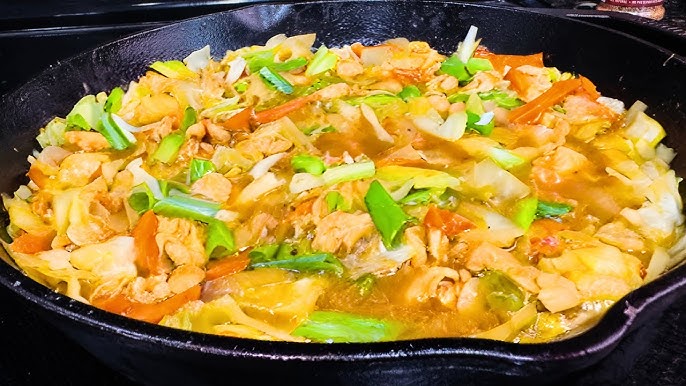
Cooking cabbage in a frying pan is a simple yet transformative kitchen experience. If you've ever wondered how to turn this humble vegetable into a delicious and satisfying dish, you're in the right place.
Imagine the satisfying sizzle as fresh cabbage hits the hot pan, releasing an enticing aroma that fills your kitchen. You're about to discover how easy it is to create a flavorful side dish or main course with just a few ingredients and a frying pan.
This method not only brings out the natural sweetness of the cabbage but also allows you to experiment with different flavors and textures. Ready to elevate your cooking skills and impress your taste buds? Let's dive into the art of cooking cabbage in a frying pan and unlock its delicious potential.
Choosing The Right Cabbage
Choosing the right cabbage is key to cooking it well in a frying pan. Different cabbages have unique flavors and textures. Picking fresh cabbage makes your dish taste better.
This guide helps you decide between green and red cabbage. It also shares tips to find fresh cabbage at the store.
Green Vs. Red Cabbage
Green cabbage has a mild, slightly sweet flavor. It cooks faster and becomes tender in a frying pan. Red cabbage has a stronger taste and stays a bit crunchy when cooked.
| Type | Color | Flavor | Texture When Cooked |
|---|---|---|---|
| Green Cabbage | Light to dark green | Mild, sweet | Soft and tender |
| Red Cabbage | Deep purple-red | Stronger, slightly peppery | Crunchy with some bite |
Freshness Tips
Fresh cabbage has firm, crisp leaves and a fresh smell. Avoid heads with brown spots or wilted leaves. The heavier the cabbage, the juicier it usually is.
- Look for tight, compact heads
- Check for bright, unblemished leaves
- Feel the weight to judge freshness
- Avoid soft or slimy spots

Credit: www.bbcgoodfood.com
Preparing Cabbage For Cooking
Cabbage is a healthy and tasty vegetable. Preparing it well helps keep its flavor and texture. Cleaning and cutting cabbage properly is the first step before cooking.
This guide shows how to wash and slice cabbage for frying in a pan. Follow simple steps to get your cabbage ready quickly and safely.
Washing And Cleaning
Clean cabbage removes dirt and bugs that hide in the leaves. Washing also improves the taste and safety of your food.
- Remove outer leaves that look damaged or dirty.
- Cut the cabbage into halves or quarters to expose inner leaves.
- Rinse each piece under cold running water carefully.
- Soak the cabbage pieces in a bowl of water for 5 minutes to loosen dirt.
- Drain and pat dry with a clean towel or use a salad spinner.
Slicing Techniques
Slicing cabbage the right way helps it cook evenly in the pan. Use a sharp knife and follow these safe cutting methods.
| Cut Type | Description | Use |
| Shredding | Cut into thin strips using a sharp knife or mandoline. | Best for quick frying and stir-fries. |
| Chunking | Cut into bite-sized pieces, about 1 to 2 inches wide. | Good for slower cooking or braising. |
| Quartering | Cut cabbage into four large wedges along the core. | Useful for grilling or roasting before frying. |
Essential Ingredients And Tools
Cooking cabbage in a frying pan is simple and quick. You only need a few ingredients and tools to get started.
Using the right seasonings, oils, and pan helps make tasty cabbage every time.
Basic Seasonings
Basic seasonings bring out the natural flavor of cabbage. Salt and pepper are the most common choices.
You can add garlic or onion powder for extra taste. A pinch of chili flakes gives a nice mild heat.
- Salt
- Black pepper
- Garlic powder
- Onion powder
- Chili flakes (optional)
Recommended Oils And Fats
Oils and fats help cook the cabbage evenly and add flavor. Choose oils with a high smoke point for frying.
Butter adds richness but can burn if the heat is too high. Vegetable oil and olive oil are good choices.
- Vegetable oil
- Olive oil
- Butter (use carefully)
- Canola oil
Frying Pan Selection
Choosing the right frying pan helps cook cabbage well. A non-stick pan prevents sticking and makes cleaning easier.
Cast iron pans hold heat evenly but need more care. Use a medium size pan to cook 1 to 2 servings.
- Non-stick frying pan
- Cast iron skillet
- Medium size (8 to 10 inches)
Cooking Steps
Cooking cabbage in a frying pan is quick and easy. You can make a tasty side dish in just a few minutes.
Follow these simple steps to get soft, flavorful cabbage with a nice texture.
Heating The Pan
Start by placing your frying pan on the stove. Turn the heat to medium to warm the pan evenly.
Wait about 1 to 2 minutes until the pan feels hot. This helps the cabbage cook well without sticking.
Adding Oil And Aromatics
Pour a small amount of cooking oil into the hot pan. Use oils like olive oil or vegetable oil for best results.
Add aromatics like chopped garlic or onions now. These add flavor and make the cabbage taste better.
- Use 1 to 2 tablespoons of oil
- Add 1 clove garlic or 1 small onion, chopped
- Cook aromatics for 1 to 2 minutes until soft
Sautéing The Cabbage
Cut the cabbage into thin strips or bite-sized pieces. Add the cabbage to the pan once aromatics are ready.
Stir the cabbage often to cook it evenly. It should soften but still have a little crunch.
- Cook for 5 to 7 minutes
- Stir every 1 to 2 minutes
- Use a spatula to mix well
Adjusting Heat For Best Texture
If the cabbage cooks too fast or burns, lower the heat to medium-low. This keeps it tender without burning.
If the cabbage is too soft, raise the heat slightly and cook for less time next time. Find the right heat for your stove.
Flavor Enhancements
Cooking cabbage in a frying pan can be simple and tasty. Adding flavors makes it even better.
Using herbs, spices, and other ingredients helps bring out the best taste in cabbage.
Using Herbs And Spices
Fresh or dried herbs add aroma and depth to cabbage. Spices give warmth and complexity.
Try adding these herbs and spices while cooking:
- Thyme for a subtle earthy taste
- Caraway seeds for a nutty flavor
- Paprika to add mild heat and color
- Black pepper for sharpness
- Chili flakes if you like it spicy
Adding Garlic And Onions
Garlic and onions give cabbage a rich, savory base. They soften and sweeten when cooked.
Chop or slice garlic and onions finely. Sauté them first in the pan for the best flavor.
- Use one or two cloves of garlic, minced
- Slice half a medium onion thinly
- Cook until golden before adding cabbage
- This step adds a sweet and fragrant touch
Incorporating Sauces And Vinegars
Sauces and vinegars bring tang and balance to the cabbage. They add moisture and shine.
Some good choices to add near the end of cooking are:
- Soy sauce for salty umami flavor
- Balsamic vinegar for sweet and tart notes
- Apple cider vinegar for a bright tang
- Hot sauce for a spicy kick
- Honey or maple syrup to add sweetness
Serving Suggestions
Cabbage cooked in a frying pan makes a tasty side dish. It pairs well with many main meals. You can also add toppings to enhance the flavor.
Below are ideas for pairing cabbage with main dishes and topping it for extra taste and texture.
Pairing With Main Dishes
Pan-cooked cabbage goes well with a variety of main dishes. It balances rich and hearty meals nicely. Here are some good options to serve with it.
- Grilled or roasted chicken
- Pork chops or sausages
- Beef stew or meatloaf
- Baked fish or seafood
- Vegetarian dishes like lentil stew
Topping Ideas
Toppings can add crunch, color, and extra flavor to fried cabbage. You can mix and match toppings to suit your taste.
| Topping | Description |
| Crispy Bacon Bits | Add smoky flavor and crunch |
| Toasted Sesame Seeds | Bring nutty taste and texture |
| Fresh Chopped Herbs | Use parsley, dill, or chives for freshness |
| Grated Cheese | Parmesan or cheddar melts nicely on warm cabbage |
| Crushed Red Pepper | Give a spicy kick |
Troubleshooting Common Issues
Cooking cabbage in a frying pan is quick and easy. Still, some common problems can happen. These problems can change the texture and taste of your dish.
Knowing how to fix these issues will help you cook better cabbage every time. Let's look at some common problems and how to avoid them.
Avoiding Soggy Cabbage
Soggy cabbage happens when it cooks too long or has too much water. This makes it soft and mushy instead of crispy and fresh.
To avoid soggy cabbage, use high heat and cook quickly. Do not add water to the pan. Drain cabbage well before cooking if it is washed.
- Use fresh cabbage for better texture.
- Cut cabbage into larger pieces to keep it crisp.
- Cook on medium-high heat to evaporate moisture fast.
- Do not cover the pan while cooking.
Preventing Burning
Burning happens when the pan is too hot or the cabbage is left too long. Burned cabbage tastes bitter and looks dark.
Use moderate heat and stir often. Add oil or butter to help cook evenly. Watch the cabbage closely during cooking.
- Preheat the pan on medium heat, not high.
- Stir the cabbage every 1-2 minutes.
- Add enough oil to coat the pan.
- Remove cabbage from heat as soon as it softens.
Balancing Flavors
Cabbage can taste bland or too strong if flavors are not balanced. Salt, acid, and spices help bring out the best taste.
Add salt carefully and use lemon juice or vinegar for brightness. Use mild spices like pepper or garlic for extra flavor without overpowering.
- Season cabbage with salt during cooking.
- Add a splash of lemon juice or vinegar at the end.
- Use garlic, pepper, or herbs to enhance flavor.
- Taste and adjust seasoning before serving.

Credit: greendale.com

Credit: www.tasteofhome.com
Frequently Asked Questions
How Long Does It Take To Cook Cabbage In A Frying Pan?
Cooking cabbage in a frying pan usually takes 8 to 12 minutes. It depends on the heat level and cabbage thickness. Stir frequently for even cooking. This method softens the cabbage while preserving its flavor and nutrients.
What Oil Is Best For Frying Cabbage?
Use oils with high smoke points like olive oil, canola oil, or vegetable oil. These oils prevent burning and add a mild flavor. Avoid strong oils that overpower cabbage’s natural taste.
Should I Cover The Pan While Cooking Cabbage?
Covering the pan helps steam the cabbage faster. It keeps moisture inside, softening the cabbage evenly. Remove the lid near the end to allow some browning and crispiness.
How Do I Make Fried Cabbage Crispy?
Cook cabbage over medium-high heat without overcrowding the pan. Use enough oil and stir occasionally. Let it brown slightly before stirring to develop a crispy texture.
Conclusion
Cooking cabbage in a frying pan is simple and quick. You only need a few ingredients and basic steps. The cabbage stays crunchy and tasty when cooked this way. Try adding your favorite spices for extra flavor. This method saves time and keeps the cabbage healthy.
Enjoy your meal with easy, delicious cabbage today. Give it a try and see how good it tastes. Cooking at home has never been this easy.