Cooking an omelet in a frying pan might seem like a simple task, yet it's an art that can turn your morning meal into a delightful experience. Have you ever struggled with a rubbery texture or watched your omelet fall apart before it reaches your plate?
You're not alone. Mastering the perfect omelet is a skill that can elevate your breakfast game and leave your taste buds satisfied. In this guide, you'll discover the secrets to making an omelet that's fluffy, flavorful, and cooked to perfection every time.
Stick around, and you'll soon be whipping up omelets that not only look stunning but taste incredible too. Whether you're a seasoned cook or a beginner in the kitchen, this step-by-step guide is designed to make the process easy and enjoyable for you. Ready to transform your breakfast routine? Let's get started.

Credit: www.youtube.com
Choosing Ingredients
Cooking a tasty omelet starts with picking the right ingredients. Fresh and quality items make a big difference in flavor.
This guide will help you select eggs, fillings, toppings, and seasonings for your omelet.
Selecting Fresh Eggs
Choose eggs that are fresh and clean. Fresh eggs have firmer whites and rounder yolks, making your omelet fluffier.
- Check the sell-by date on the carton
- Look for eggs without cracks or dirt
- Store eggs in the refrigerator to keep them fresh
- Perform a water test by placing the egg in water; fresh eggs sink
Picking Fillings And Toppings
Fillings and toppings add taste and texture to your omelet. Pick items that you enjoy and that cook quickly.
| Filling | Flavor | Cooking Tip |
| Cheese | Rich and creamy | Use shredded cheese for easy melting |
| Bell Peppers | Sweet and crunchy | Chop small for fast cooking |
| Mushrooms | Earthy and soft | Sauté before adding to omelet |
| Spinach | Fresh and mild | Wilt lightly to remove water |
| Ham | Salty and savory | Use diced pieces for even cooking |
Choosing Seasonings
Seasonings bring out the flavors in your omelet. Use simple herbs and spices to keep the taste balanced.
Common seasonings include:
- Salt for enhancing flavors
- Black pepper for a mild kick
- Chopped chives or parsley for freshness
- Paprika for a smoky taste
Credit: www.foodnetwork.com
Preparing The Eggs
Cooking a tasty omelet starts with preparing the eggs correctly. This step affects the texture and flavor of your omelet.
Follow simple tips to make your eggs smooth and ready for cooking in a frying pan.
Cracking And Beating Eggs
Crack the eggs gently on a flat surface to avoid shell pieces in the bowl. Use fresh eggs for the best taste.
Beat the eggs with a fork or whisk until the yolks and whites mix well. Aim for a smooth, even texture.
Adding Milk Or Water
Add a small amount of milk or water to the beaten eggs. This makes the omelet softer and fluffier.
Use about one tablespoon of liquid for every two eggs. Mix well to combine the liquid evenly.
Seasoning The Mixture
Season the egg mixture with salt and pepper to taste. This adds flavor to your omelet before cooking.
You can also add herbs or spices like parsley or paprika for extra taste. Mix them well into the eggs.
Preheating The Pan
Preheating the pan is an important step to cook a perfect omelet. It helps the eggs cook evenly and prevents sticking.
Taking time to heat the pan correctly makes your omelet fluffy and smooth.
Choosing The Right Pan
Pick a non-stick frying pan for easy cooking and cleaning. A small to medium size pan works best for omelets.
A pan with low sides helps flip the omelet without breaking it.
Setting The Heat Level
Heat your pan on medium or medium-low. This heat cooks the eggs gently without burning them.
Too high heat cooks the omelet too fast and can make it dry or burnt.
Adding Butter Or Oil
Add a small amount of butter or oil to the preheated pan. This keeps the eggs from sticking and adds flavor.
- Use about one teaspoon of butter or oil for a small pan.
- Wait until butter melts and foams before adding eggs.
- Spread the butter or oil evenly across the pan surface.
Cooking The Omelet
Cooking an omelet in a frying pan is simple and quick. You only need a few basic steps to get it right.
This guide covers pouring the egg mixture, cooking the base, adding fillings, and folding techniques.
Pouring The Egg Mixture
First, heat the frying pan over medium heat and add some butter or oil. Pour the beaten eggs evenly into the pan.
Make sure the egg mixture spreads out in a thin, even layer to cook well.
Cooking The Base
Let the eggs cook without stirring for a minute or two. The edges will start to set while the center remains soft.
- Check if the edges lift easily from the pan.
- Use a spatula to gently lift the edges.
- If the base is golden, it is ready for fillings.
Adding Fillings
Sprinkle your choice of fillings over one half of the omelet. Common fillings include cheese, vegetables, and ham.
| Filling | Tip |
| Cheese | Use shredded cheese for quick melting |
| Vegetables | Pre-cook to soften before adding |
| Ham | Chop small for even distribution |
Folding Techniques
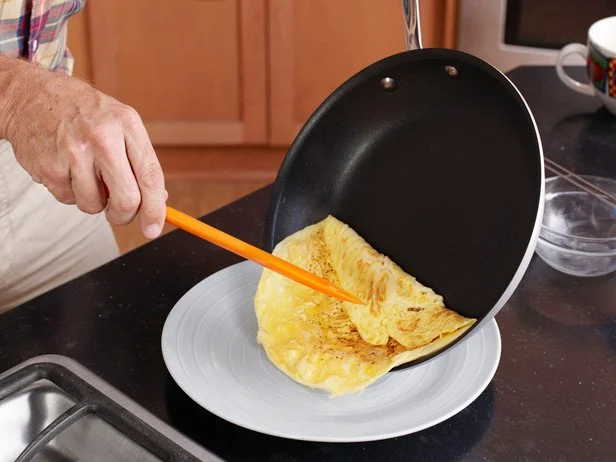
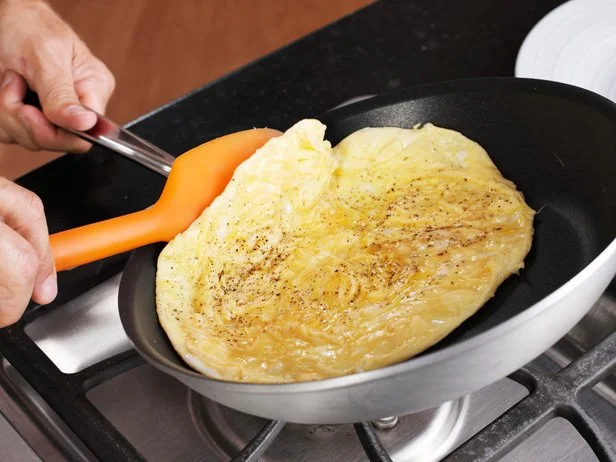
Carefully fold the omelet in half using a spatula. This traps the fillings inside and helps finish cooking.
Here are tips for folding:
- Fold gently to avoid breaking the omelet.
- Cook folded omelet for 30 seconds to 1 minute.
- Slide the omelet onto a plate carefully.
Serving Tips
Serving an omelet nicely makes it look more tasty. Simple steps can make your dish inviting.
Use good plating, fresh garnishes, and fitting sides. These small touches improve your meal.
Plating The Omelet
Place the omelet in the center of a clean plate. Fold it neatly or serve flat.
Use a white or light-colored plate to make the omelet stand out. Avoid overcrowding the plate.
Garnishing Ideas
Add fresh herbs like parsley or chives on top. They add color and fresh flavor.
- Sliced tomatoes or avocado for a fresh touch
- Sprinkle of black pepper or paprika for color
- Grated cheese melted on top for extra taste
- A small side of salsa or hot sauce
Pairing With Sides
Serve the omelet with light and simple sides. They balance the meal well.
- Toast or warm bread for a crunchy contrast
- Fresh fruit like berries or orange slices
- Light salad with lettuce and cucumber
- Roasted potatoes or hash browns for more filling
Credit: www.foodnetwork.com
Troubleshooting Common Issues
Cooking an omelet in a frying pan is simple but can be tricky. Some common problems like overcooking, sticking, or runny eggs can ruin the dish. This guide helps you fix these issues quickly.
Read each section to learn easy tips for a perfect omelet every time. These tricks save you time and improve your cooking results.
Avoiding Overcooking
Overcooked omelets become dry and tough. Watch the heat and cooking time closely to keep them soft and tasty.
- Use medium-low heat to cook gently.
- Remove the pan from heat as soon as eggs set.
- Cover the pan with a lid to cook evenly without drying out.
- Check omelet every 20 seconds near the end of cooking.
- Slide the omelet onto a plate quickly to stop cooking.
Preventing Sticking
Sticking makes it hard to flip or fold the omelet. Proper pan preparation and cooking methods stop sticking.
| Cause | Solution |
| Cold pan or oil | Heat pan first, add oil, then heat oil until shimmering |
| Low-quality pan surface | Use a non-stick or well-seasoned cast iron pan |
| Insufficient oil or butter | Use enough fat to cover the pan evenly |
| High heat causing burning | Cook on medium or medium-low heat |
Fixing Runny Eggs
Runny eggs happen when the omelet is undercooked. Cook longer or use these tips to fix it.
Try these fixes:
- Cover the pan with a lid to trap heat and cook the top gently.
- Lower the heat and cook slowly to avoid burning the bottom.
- Fold the omelet in half and cook for another 30 seconds.
- If very runny, slide the omelet into a warm pan to finish cooking.
Frequently Asked Questions
How Do I Prevent Omelet From Sticking To The Pan?
Use a non-stick frying pan or add enough butter or oil. Preheat the pan properly before pouring the eggs. Cooking on medium-low heat helps prevent sticking and ensures even cooking.
What Is The Best Heat Level For Cooking An Omelet?
Cook your omelet on medium-low heat. High heat can burn the eggs and cause uneven cooking. Medium-low heat allows the omelet to cook gently and remain tender.
How Long Should I Cook An Omelet In A Frying Pan?
Cook the omelet for about 2 to 3 minutes. When the edges set and the center is slightly runny, fold and cook another minute. Avoid overcooking for a soft texture.
Can I Add Vegetables Or Cheese To My Omelet?
Yes, you can add vegetables, cheese, or meats. Add fillings after the eggs start to set but before folding. This ensures even heating and a flavorful omelet.
Conclusion
Cooking an omelet in a frying pan is simple and quick. You need just a few ingredients and basic tools. Practice helps you get the perfect texture and taste. Try adding your favorite fillings to make it special. Enjoy your homemade omelet anytime for breakfast or a light meal.
Keep experimenting and have fun cooking!