Are you ready to transform your kitchen into a culinary haven with just a frying pan and some delicious chicken tenderloins? Cooking chicken tenderloins in a frying pan is not only simple and quick, but it also brings out flavors that will make your taste buds dance.
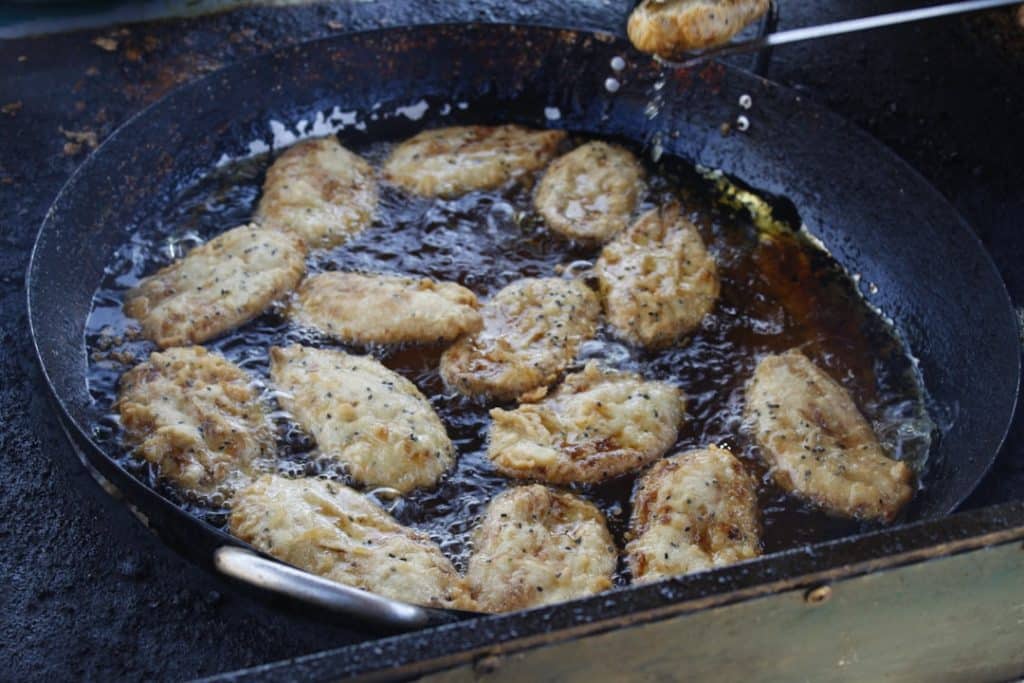
Imagine the sizzle of tenderloins hitting the hot pan, the aroma wafting through your home, and the golden-brown crust that forms, locking in all the juicy goodness. Whether you’re a seasoned chef or just starting out, mastering this technique is a game-changer for your weekday dinners.
Stick around, and you’ll discover the secrets to perfectly cooked chicken tenderloins that will leave your family asking for seconds.
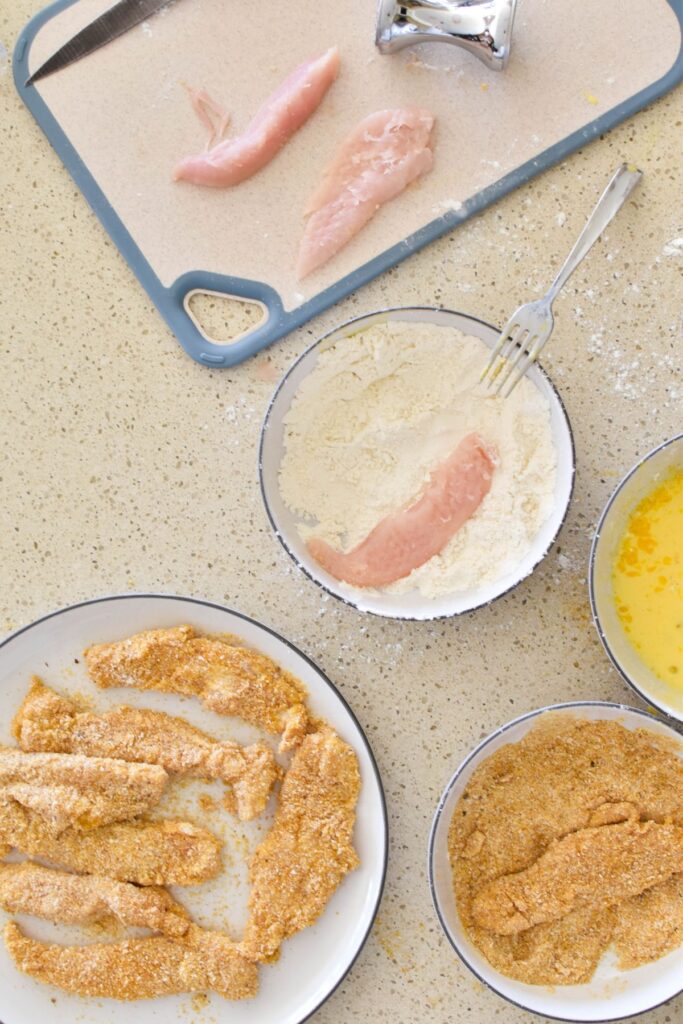
Credit: www.cookingwithnanaling.com
Choosing The Right Tenderloins
Picking the right chicken tenderloins makes cooking easier and tastier. The quality of the tenderloins affects the final dish. Knowing what to choose helps you get the best results in your frying pan.
This guide covers fresh versus frozen options and tips on size and thickness. These points help you find tenderloins that cook evenly and taste great.
Fresh Vs Frozen Options
Fresh tenderloins have a soft texture and mild smell. They cook quickly and stay juicy. Frozen tenderloins last longer but need to be thawed properly. Thawing in the fridge overnight is best to keep safety and flavor.
- Choose fresh tenderloins if cooking the same day.
- Buy frozen if you want to store for a longer time.
- Check for any freezer burn on frozen packages.
- Always thaw frozen tenderloins safely before cooking.
Size And Thickness Tips
Size and thickness affect cooking time and texture. Small or thin tenderloins cook fast but can dry out. Thick tenderloins take longer and cook evenly. Choose tenderloins that are similar in size for even cooking.
| Size | Cooking Time | Tip |
| Small & Thin | 3-4 minutes per side | Watch closely to avoid overcooking |
| Medium | 5-6 minutes per side | Ideal for even cooking and juiciness |
| Large & Thick | 7-8 minutes per side | Use medium heat to cook through |
Preparing Tenderloins For Cooking
Chicken tenderloins are soft strips of meat under the breast. They cook quickly and taste great. Proper preparation helps make them juicy and tasty.
Cleaning and seasoning are important before cooking. These steps improve flavor and texture. Let’s look at how to prepare tenderloins well.
Trimming And Cleaning
Start by rinsing the tenderloins under cold water. This removes any surface dirt or residue. Pat them dry with paper towels after rinsing.
Look for silver skin or excess fat on the tenderloins. Use a sharp knife to trim these parts off. Removing them helps the meat cook evenly and taste better.
- Rinse tenderloins gently under cold water
- Pat dry with clean paper towels
- Trim silver skin and extra fat carefully
- Check for any small bones and remove them
Marinating And Seasoning Ideas
Marinating tenderloins adds flavor and moisture. You can use simple ingredients like lemon juice, olive oil, and herbs. Let the meat soak for at least 30 minutes.
For quick seasoning, sprinkle salt, pepper, and garlic powder. These basic spices enhance natural chicken taste. You can add paprika or chili powder for a mild kick.
- Basic marinade: lemon juice, olive oil, salt, pepper
- Herbs: rosemary, thyme, parsley
- Spices: garlic powder, paprika, chili powder
- Marinate 30 minutes to 2 hours for best taste
Selecting The Best Pan And Oil
Cooking chicken tenderloins in a frying pan needs the right tools. Picking the best pan and oil helps make tasty and healthy meals.
The pan type and oil choice affect how the chicken cooks and tastes. Let’s explore good options for both.
Non-stick Vs Cast Iron
Non-stick pans heat quickly and stop food from sticking. They are easy to clean and good for delicate tenderloins.
Cast iron pans hold heat well and add a nice crust. They need more care but last long and improve flavor with use.
- Non-stick pans: easy cooking and cleaning
- Cast iron pans: even heat and great sear
- Cast iron requires seasoning and gentle washing
- Non-stick pans can wear out faster
Healthy Oil Choices
Choosing the right oil affects flavor and health. Use oils that handle heat without smoking or burning.
Oils with a high smoke point are best. They cook chicken well and keep nutrients intact.
- Olive oil: good flavor, medium smoke point
- Avocado oil: high smoke point, neutral taste
- Canola oil: high smoke point, heart-healthy fats
- Coconut oil: medium smoke point, adds sweetness
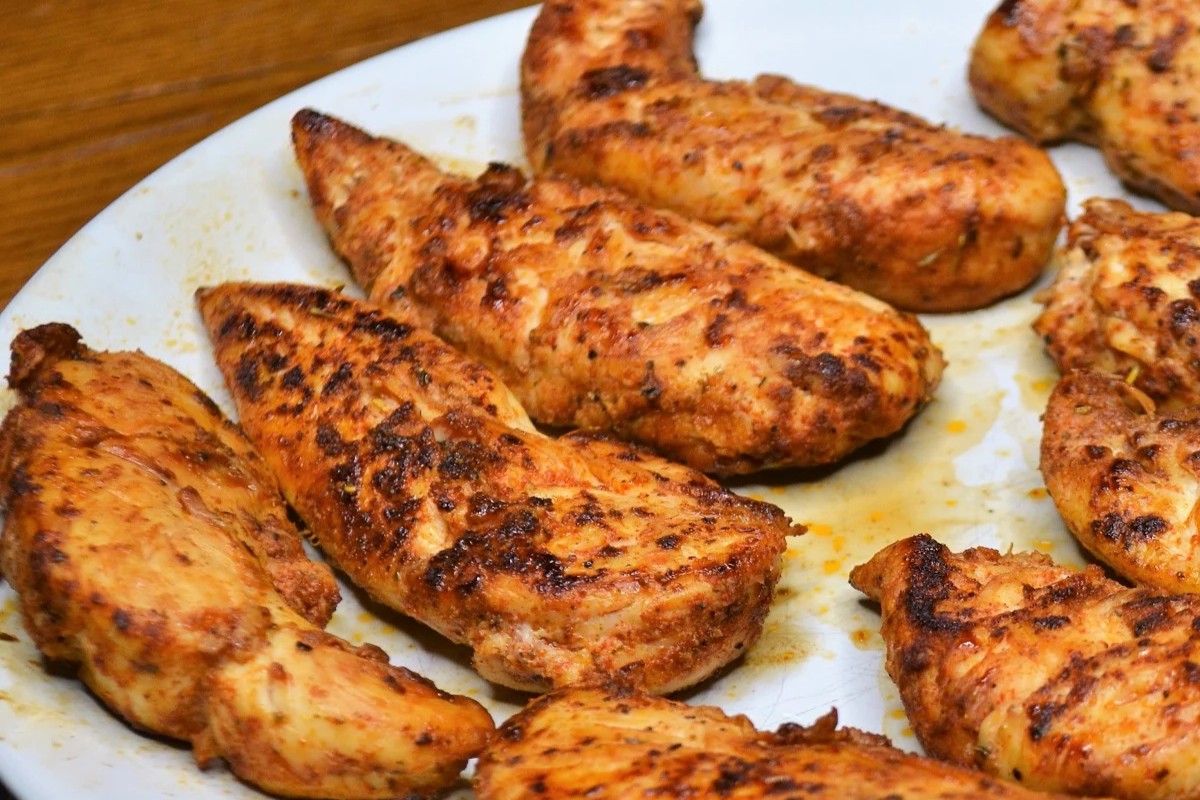
Credit: gastrodome.com.my
Step-by-step Cooking Process
Cooking chicken tenderloins in a frying pan is quick and easy. Follow the steps carefully for tasty and juicy results.
Use simple tools and common ingredients. This guide shows you how to prepare the pan, sear the chicken, and cook it perfectly.
Preheating The Pan
Start by heating your frying pan over medium heat. Let the pan get hot before adding oil or chicken. This helps to cook the meat evenly.
- Place the pan on the stove and turn on medium heat.
- Wait 2 to 3 minutes until the pan feels hot.
- Add a small amount of cooking oil to the pan.
- Heat the oil until it shimmers but does not smoke.
Searing Techniques
Searing locks in juices and gives the chicken a nice brown color. Use these tips to sear chicken tenderloins correctly.
- Place tenderloins flat in the hot pan without overcrowding.
- Press them gently with a spatula for even contact.
- Cook without moving for 2 to 3 minutes until golden brown.
- Flip carefully and sear the other side for another 2 minutes.
- Adjust heat if the chicken browns too fast or burns.
Cooking Times For Juicy Results
Cooking time depends on the size of the tenderloins. Check the internal temperature to make sure they are safe and juicy.
| Thickness | Cooking Time per Side | Internal Temperature |
|---|---|---|
| Thin (¼ inch) | 2 minutes | 165°F (74°C) |
| Medium (½ inch) | 3 minutes | 165°F (74°C) |
| Thick (¾ inch or more) | 4 minutes | 165°F (74°C) |
Use a meat thermometer to check the temperature. Let the chicken rest for 3 minutes before serving.
Checking Doneness
Cooking chicken tenderloins in a frying pan needs careful attention. Checking if they are fully cooked is important for safety and taste.
There are two main ways to check doneness: using a meat thermometer and observing visual and texture cues. Both methods help ensure your chicken is juicy and safe to eat.
Using A Meat Thermometer
A meat thermometer gives a precise way to check if chicken tenderloins are done. Insert the thermometer into the thickest part of the tenderloin.
- The internal temperature should reach 165°F (74°C).
- A digital thermometer gives a quick reading.
- Clean the thermometer before and after use.
- Check multiple pieces for even cooking.
Visual And Texture Cues
If you do not have a thermometer, use sight and touch to check doneness. Look for color and feel the texture of the chicken.
| Sign | What to Look For |
| Color | White or light tan inside, no pink |
| Juices | Clear juices when pierced with a fork |
| Texture | Firm but not rubbery or soft |
| Surface | Golden brown on outside |
Tips For Enhancing Flavor
Cooking chicken tenderloins in a frying pan can be simple and tasty. Adding herbs, spices, butter, and garlic helps boost the flavor. These tips will make your chicken more delicious and enjoyable.
Using fresh ingredients and the right cooking methods will bring out the best taste. Small changes can make a big difference in your dish.
Adding Herbs And Spices
Herbs and spices add aroma and depth to chicken tenderloins. You can mix and match to suit your taste. Fresh herbs give a bright flavor, while dried spices add warmth.
- Use rosemary or thyme for a woodsy flavor
- Add paprika or chili powder for mild heat
- Sprinkle black pepper and salt for basic seasoning
- Try cumin or coriander for a nutty touch
- Use fresh parsley or basil at the end for freshness
Using Butter And Garlic
Butter and garlic make chicken tenderloins rich and tasty. Cooking garlic in butter releases flavors that soak into the meat. This combo creates a smooth and savory taste.
| Ingredient | Benefit | How to Use |
| Butter | Adds richness and helps browning | Cook chicken in melted butter over medium heat |
| Garlic | Gives a fragrant, savory flavor | Crush or chop garlic and sauté with butter before chicken |
| Combination | Creates a smooth, full-bodied taste | Use garlic butter to baste chicken while cooking |
Serving Suggestions
Chicken tenderloins cooked in a frying pan are quick and tasty. Serving them with the right sides and sauces makes a complete meal.
Choose simple, fresh sides and flavorful sauces to enhance the chicken’s taste. Here are some ideas for pairing and garnishing.
Pairing With Sides
Serve chicken tenderloins with sides that add texture and flavor. Vegetables and grains work well to balance the meal.
- Steamed broccoli or green beans
- Mashed potatoes or roasted sweet potatoes
- Rice pilaf or quinoa salad
- Fresh garden salad with light dressing
- Grilled or sautéed bell peppers and onions
Sauce And Garnish Ideas
Adding sauces and garnishes gives chicken extra flavor and appeal. Use herbs, citrus, or creamy sauces to complement the dish.
| Sauce | Description |
| Lemon Butter | Rich butter sauce with fresh lemon juice |
| Garlic Herb | Mix of garlic, parsley, and thyme |
| Honey Mustard | Sweet and tangy mustard blend |
| Spicy Sriracha Mayo | Creamy mayo with a spicy kick |
| Classic BBQ | Smoky barbecue sauce |
Top the chicken with chopped parsley, sliced green onions, or lemon wedges. These add color and fresh taste.

Credit: www.wholesomelicious.com
Common Mistakes To Avoid
Cooking chicken tenderloins in a frying pan is quick and easy. But some mistakes can ruin the taste and texture.
Knowing what to avoid helps you get juicy and tender chicken every time.
Overcrowding The Pan
Putting too many tenderloins in the pan lowers the heat. This causes the chicken to steam, not brown.
- Cook in batches if needed
- Leave space between pieces
- Use a larger pan for more chicken
- Keep the heat medium-high for a good sear
Overcooking Tenderloins
Chicken tenderloins cook fast and can dry out if left too long. Overcooked chicken feels tough and stringy.
| Cooking Time | Doneness Level | Texture |
| 2-3 minutes per side | Perfectly cooked | Juicy and tender |
| 4-5 minutes per side | Overcooked | Dry and tough |
Frequently Asked Questions
How Long To Cook Chicken Tenderloins In A Frying Pan?
Cook chicken tenderloins for about 3-4 minutes per side on medium heat. Ensure the internal temperature reaches 165°F (74°C) for safety. Avoid overcooking to keep them juicy and tender.
What Oil Is Best For Frying Chicken Tenderloins?
Use oils with high smoke points like olive oil, avocado oil, or vegetable oil. These oils prevent burning and add a subtle flavor to the chicken. Avoid butter alone as it burns quickly.
Should Chicken Tenderloins Be Seasoned Before Frying?
Yes, seasoning enhances flavor. Use salt, pepper, garlic powder, and herbs before cooking. Marinating for 15-30 minutes also adds moisture and taste, making tenderloins more flavorful and juicy.
How To Know When Chicken Tenderloins Are Fully Cooked?
Check the internal temperature with a meat thermometer; it should read 165°F (74°C). The meat should be white and opaque with no pink inside. Juices running clear also indicate doneness.
Conclusion
Cooking chicken tenderloins in a frying pan is quick and simple. You only need a few ingredients and basic steps. The result is juicy, tasty chicken every time. Use medium heat to avoid burning and keep the meat tender. Try different spices to match your taste.
Serve with your favorite sides for a complete meal. Enjoy cooking and sharing this easy dish with family or friends. Practice makes cooking even better. Give it a try today!