Imagine waking up to the aroma of perfectly cooked eggs sizzling in a frying pan. It’s a simple delight that can transform an ordinary morning into something special.
Whether you’re making breakfast for yourself or impressing guests with your culinary skills, knowing how to cook eggs in a frying pan is a must-have skill. But here’s the thing: not all eggs are created equal when they hit the pan.
Have you ever wondered why some turn out fluffy and others stick to the pan? Or why some have that perfect golden hue while others end up overcooked? If these questions sound familiar, you’re in the right place. This guide will walk you through the art of cooking eggs just the way you like them. You’ll discover tips and tricks that can make all the difference, from choosing the right pan to mastering the perfect heat level. Ready to crack the secret to flawless eggs every time? Let’s dive in and get cooking!
Choosing The Right Eggs
Picking the right eggs helps you cook better eggs in a frying pan. The type and freshness of eggs affect taste and texture.
Learn how fresh eggs differ from older eggs and explore different types of eggs you can buy.
Fresh Vs. Older Eggs
Fresh eggs have firmer whites and rounder yolks. They hold their shape better when frying.
Older eggs spread out more and the yolks may break easily. They may not taste as rich.
- Fresh eggs are best for frying sunny side up or poaching.
- Older eggs work well in baking or scrambled eggs.
- Check the date on the carton to find fresh eggs.
Types Of Eggs
Eggs come in different types like regular, free-range, and organic. Each type has unique features.
Choose eggs based on how the hens are raised and your cooking needs.
- Regular eggs:Most common and affordable.
- Free-range eggs:Hens can roam outdoors. Eggs taste richer.
- Organic eggs:From hens fed organic food. No chemicals used.
- Brown vs. white eggs:No big taste difference, just shell color.

Credit: food52.com
Selecting Your Frying Pan
Choosing the right frying pan helps you cook eggs better. A good pan makes eggs easy to flip and clean.
Think about the material and size before you buy a frying pan. These affect how your eggs cook.
Non-stick Vs. Stainless Steel
Non-stick pans stop eggs from sticking. They need less oil and are easy to clean. This helps you cook eggs gently.
Stainless steel pans heat evenly and last long. They can give eggs a nice crust if you use enough oil. But eggs may stick if the pan is not hot enough.
- Non-stick pans: easy to use and clean
- Stainless steel pans: durable and heat well
- Non-stick: better for soft eggs
- Stainless steel: better for crispy edges
Pan Size And Shape
Choose a pan size that fits your stove and how many eggs you cook. Small pans are good for one or two eggs.
Round pans with sloped sides make it easy to flip eggs. Flat pans give even heat but can be harder to flip eggs in.
- 8-inch pan: good for 1-2 eggs
- 10-inch pan: good for 3-4 eggs
- Round shape helps with flipping eggs
- Flat bottom gives even cooking
Preparing The Pan
Cooking eggs in a frying pan starts with preparing the pan correctly. A well-prepared pan ensures even cooking and prevents sticking.
Follow simple tips to heat the pan and choose the right fat to cook your eggs perfectly.
Heating The Pan
Start by placing your frying pan on the stove over medium heat. Let it warm up for a minute or two before adding any fat. A hot pan helps cook eggs evenly and avoids sticking.
- Place the pan on medium heat
- Wait 1–2 minutes to warm up
- Test heat by flicking a drop of water; it should sizzle
Using Oil Or Butter
Choose oil or butter to coat the pan. Both add flavor and help eggs cook without sticking. Butter gives a rich taste, while oil has a higher smoke point.
| Fat Type | Smoke Point | Flavor | Best Use |
| Butter | 350°F (175°C) | Rich, creamy | Low to medium heat |
| Olive Oil | 375°F (190°C) | Fruity | Medium heat |
| Vegetable Oil | 400°F (205°C) | Neutral | Medium to high heat |
Pour a small amount of oil or add a pat of butter to the hot pan. Let it melt and spread evenly. The pan is ready for your eggs when the fat shimmers or bubbles slightly.

Credit: food52.com
Cooking Methods
Eggs cook quickly and taste great with simple methods. Using a frying pan makes it easy to prepare eggs in many ways.
Each cooking style changes the texture and flavor. Learn four common ways to cook eggs in a frying pan.
Sunny Side Up
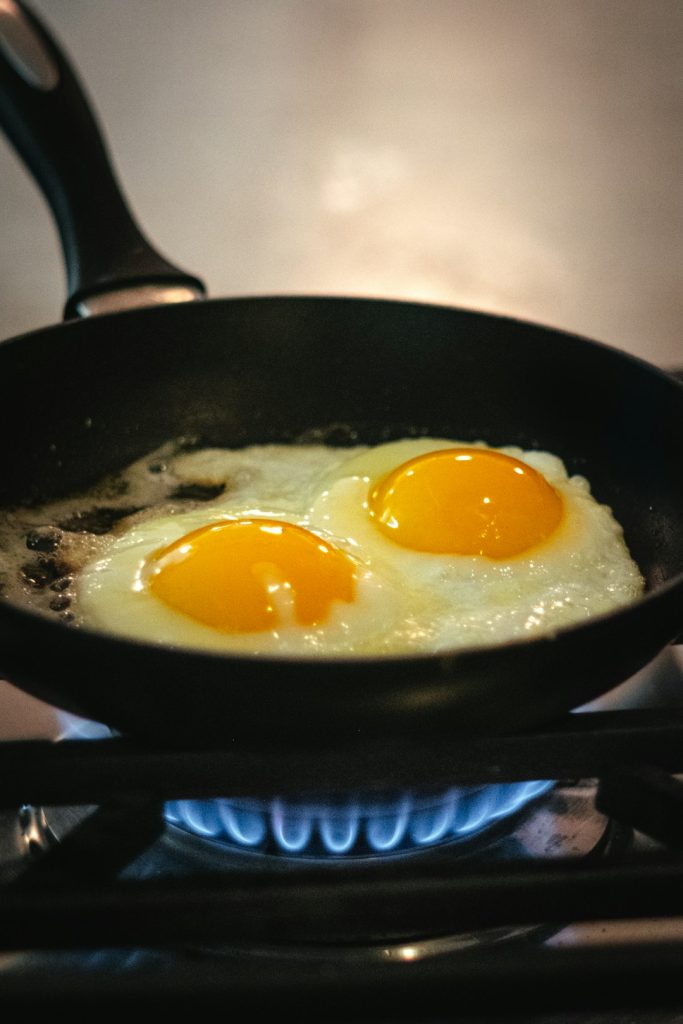
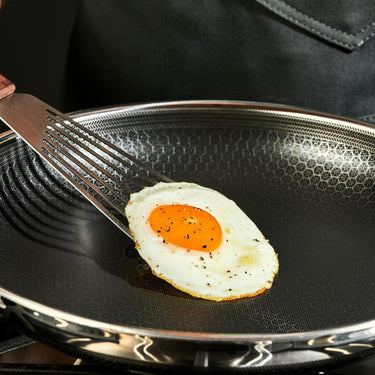
Sunny side up eggs cook only on one side. The yolk stays runny and bright yellow. Cook on low heat to avoid burning the edges.
Use a non-stick pan and a little oil or butter. Cover the pan to help the top of the egg set without flipping.
Over Easy And Over Hard
Over easy and over hard eggs cook on both sides. Flip the egg gently after the first side is set.
- Cook the egg sunny side up.
- Flip the egg carefully using a spatula.
- For over easy, cook for 10-20 seconds more.
- For over hard, cook until the yolk is firm.
Scrambled Eggs
Scrambled eggs mix yolks and whites before cooking. Stir the eggs gently in the pan to form soft curds.
Cook on medium-low heat and keep stirring to avoid burning. Remove from heat while eggs are still slightly runny for creamy texture.
Poached In A Pan
Poached eggs cook in water in the frying pan. Use fresh eggs and gently slide them into simmering water.
| Step | Action |
| 1 | Fill pan with 2 inches of water and heat until simmering. |
| 2 | Add a splash of vinegar to help egg whites set. |
| 3 | Crack egg into a small cup, then slide into water. |
| 4 | Cook for 3-4 minutes until whites are firm and yolk is soft. |
| 5 | Remove gently with a slotted spoon and drain on paper towel. |
Timing And Temperature Tips
Cooking eggs in a frying pan needs the right heat and timing. These two help you get eggs just how you like.
Using the right temperature affects texture and taste. Timing helps avoid overcooking or undercooking eggs.
Low Vs. High Heat
Low heat cooks eggs gently. It keeps eggs soft and creamy. High heat cooks fast but can make eggs tough.
- Use low heat for scrambled or fried eggs that stay tender.
- High heat is good for quick cooking, like when frying sunny-side up.
- High heat may brown the edges faster, which some prefer.
- Low heat needs more time but gives better control.
When To Flip Or Stir
| Egg Style | When to Flip or Stir | Timing Tips |
| Sunny-side up | Do not flip | Cook on low heat for 3-4 minutes |
| Over-easy | Flip after whites set | Flip gently after 2-3 minutes, cook 30 seconds more |
| Scrambled | Stir gently | Stir every 20-30 seconds until soft curds form |
| Omelette | Flip once if desired | Cook 2-3 minutes before flipping or folding |
Timing your flip or stir keeps eggs from breaking or drying out. Watch the edges and whites for clues.
Seasoning And Flavor Enhancements
Cooking eggs in a frying pan is simple, but seasoning makes them taste better. Adding the right flavors helps eggs become more enjoyable.
Different seasonings and toppings bring out unique tastes. You can keep it basic or add herbs and cheese for more flavor.
Basic Seasonings
Salt and pepper are the most common seasonings for eggs. Salt enhances the natural taste, and pepper adds a slight spice.
You can sprinkle these seasonings before or after cooking. Use just a little salt to avoid making eggs too salty.
- Use fine salt for even flavor
- Freshly ground black pepper adds a sharp taste
- Try garlic powder or onion powder for extra aroma
- Pinch of paprika can add mild heat and color
Adding Herbs And Cheese
Fresh or dried herbs add freshness and depth to eggs. Parsley, chives, and basil are popular choices.
Cheese gives eggs a creamy and rich flavor. Grated cheddar, feta, or Parmesan work well.
- Chop fresh herbs finely and sprinkle on cooked eggs
- Add dried herbs while cooking for stronger flavor
- Sprinkle cheese during the last minute of cooking
- Mix cheese into eggs for creamy texture
Common Mistakes To Avoid
Cooking eggs in a frying pan is simple but easy to get wrong. Small errors can ruin taste and texture.
Knowing what to avoid helps you cook perfect eggs every time. Here are common mistakes and tips to fix them.
Overcooking
Overcooked eggs become dry, rubbery, and lose their flavor. It is important to watch cooking time closely.
- Cook eggs on medium or low heat to prevent burning.
- Remove eggs from the pan while still slightly soft; they will keep cooking from residual heat.
- Use a timer to avoid guessing cooking time.
- Stir gently for scrambled eggs to keep them creamy.
- Check eggs often to stop cooking at the right moment.
Using Too Much Oil
Using too much oil makes eggs greasy and heavy. It also hides their natural flavor.
| Oil Amount | Effect on Eggs |
|---|---|
| Too much (more than 1 tbsp) | Greasy texture, heavy taste |
| Just enough (about 1 tsp) | Prevents sticking, keeps eggs light |
| Too little or none | Eggs stick and break apart |
Serving Suggestions
Cooking eggs in a frying pan is quick and easy. How you serve them can make your meal more enjoyable.
Try different ways to plate and pair your eggs. This adds flavor and makes your dish look nice.
Plating Ideas
Presentation matters when serving eggs. Use colorful plates to make your eggs stand out.
Add fresh herbs like parsley or chives on top. It gives a fresh look and taste.
- Place eggs on a bed of spinach or arugula
- Serve with sliced avocado on the side
- Top with a sprinkle of cheese or pepper
- Use a toasted bread slice as a base
Pairing With Other Foods
Eggs taste great with many foods. Pairing them well can balance your meal.
Try combining eggs with fruits, vegetables, and grains to create a full plate.
- Toast or English muffins for crunch
- Grilled tomatoes for a juicy side
- Bacon or sausage for extra protein
- Fresh fruit like berries or orange slices
- Hash browns or roasted potatoes
Credit: hexclad.ca
Frequently Asked Questions
How Do I Prevent Eggs From Sticking To The Pan?
Use a non-stick frying pan and preheat it on medium heat. Add a small amount of butter or oil before cracking eggs. This creates a barrier that prevents sticking and ensures easy flipping or removal of eggs.
What Is The Best Heat Setting For Cooking Eggs?
Cook eggs on medium to low heat to avoid burning. High heat cooks eggs too fast, causing rubbery texture. Medium-low heat ensures even cooking and better taste.
How Long Should I Cook Eggs In A Frying Pan?
Cooking time depends on egg style. For sunny-side up, cook 2-3 minutes. Scrambled eggs take about 3-4 minutes. Over-easy eggs need 1-2 minutes per side.
Can I Cook Eggs Without Oil Or Butter?
Yes, you can cook eggs without oil using a non-stick pan. Cooking on low heat helps prevent sticking. However, adding butter or oil enhances flavor and texture.
Conclusion
Cooking eggs in a frying pan is simple and quick. Start with a clean pan and use medium heat. Choose your favorite style—scrambled, fried, or sunny side up. Watch the eggs closely to avoid overcooking. A little practice helps you get the timing right.
Enjoy fresh, tasty eggs any time of day. Cooking eggs yourself saves money and tastes better. Try different seasonings for new flavors. Keep it easy and have fun in the kitchen!