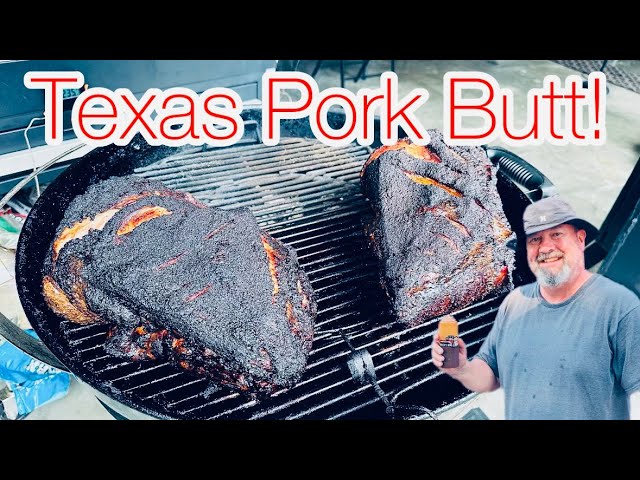
How to Cook Smoked Pork Butt in Smoker: Are you ready to elevate your barbecue game to a whole new level? If you've ever dreamed of serving up melt-in-your-mouth smoked pork butt that leaves your friends and family raving, you're in the right place.
Cooking smoked pork butt in a smoker is not just about following a recipe; it's an art that combines patience, precision, and a touch of passion. Imagine the aroma of perfectly smoked pork wafting through the air, teasing your senses long before the first bite.
By the end of this guide, you'll have all the tips and tricks you need to transform a simple cut of meat into a show-stopping centerpiece. Let's dive into the secrets that will make you the go-to pitmaster in your circle.
Choosing The Right Pork Butt
Cooking smoked pork butt starts with picking the right cut. The right pork butt ensures good flavor and tenderness.
Knowing the differences in pork butt helps you get the best results in your smoker.
Bone-in Vs Boneless
Bone-in pork butt has the bone left inside. It adds flavor and helps keep the meat moist while cooking.
Boneless pork butt is easier to handle and slice. It cooks faster but may dry out more easily.
- Bone-in adds extra flavor and moisture
- Boneless is easier to trim and slice
- Bone-in may take longer to cook
- Boneless cooks faster but needs careful monitoring
Size And Quality Tips
Pick a pork butt that weighs between 6 to 8 pounds. This size works well for smoking and serving.
Look for fresh meat with good marbling. Fat inside the meat keeps it juicy during long cooking times.
- Choose pork with a pinkish-red color
- Good marbling means fat spread evenly through the meat
- Avoid cuts with dry or brown spots
- Fresh smell is a sign of quality
Preparing The Pork Butt
Preparing the pork butt correctly is important for a tasty smoked meal. This process includes trimming fat, adding flavors, and sometimes marinating.
Each step helps the meat cook evenly and absorb smoky flavors better. Follow these tips for the best results.
Trimming Excess Fat
Remove large fat pieces from the pork butt to avoid greasy meat. Leave a thin layer of fat to keep the pork moist during smoking.
- Use a sharp knife for clean cuts
- Trim thick fat caps to about 1/4 inch thickness
- Remove any silver skin or tough membranes
- Keep some fat to protect meat from drying out
Applying A Dry Rub
A dry rub adds flavor and forms a tasty crust on the pork butt. Use spices that match your taste preferences.
| Common Dry Rub Ingredients | Purpose |
| Salt | Enhances flavor |
| Pepper | Adds heat |
| Paprika | Gives color and mild sweetness |
| Garlic powder | Boosts aroma |
| Brown sugar | Creates caramelized crust |
Apply the rub evenly and press it into the meat. Let the pork sit with the rub for at least 30 minutes before smoking.
Marinating Options
Marinating pork butt can add moisture and deepen flavor. Choose a marinade that complements the dry rub or your smoke wood.
- Mix ingredients like apple cider vinegar, oil, and spices
- Place the pork butt in a large bag or container
- Pour the marinade over the meat
- Seal and refrigerate for 4 to 12 hours
- Remove and pat dry before applying dry rub
Setting Up Your Smoker
Cooking smoked pork butt starts with setting up your smoker right. This ensures even heat and great smoke flavor. Getting the smoker ready takes some time and care.
In this guide, we cover choosing wood, controlling temperature, and preparing the smoker. Follow these tips for a tasty smoked pork butt.
Selecting Wood Types
Wood type changes the flavor of your pork. Some woods give a mild taste, while others add a strong smoky flavor. Choose wood that fits your taste and cooking time.
- Hickory: Adds a strong, bacon-like smoke flavor.
- Apple: Gives a sweet and mild fruity smoke.
- Cherry: Offers a mild, sweet, and fruity flavor.
- Mesquite: Has a bold, earthy smoke, best for quick cooks.
- Pecan: Provides a rich and nutty flavor, milder than hickory.
Temperature Control
Keep your smoker at a steady temperature to cook pork butt evenly. Aim for a low and slow heat around 225°F to 250°F. Use a thermometer to watch the heat closely.
| Temperature Range | Purpose |
| 225°F - 250°F | Low and slow cooking for tender meat |
| 250°F - 275°F | Faster cook, risk of drying meat |
| Above 275°F | Not recommended for pork butt |
Preparing The Smoker For Cooking
Prepare your smoker before adding the pork butt. Clean the grates and check the water pan. Add wood chunks or chips, and preheat the smoker to the target temperature.
- Remove old ashes and clean grates.
- Fill the water pan to keep moisture inside.
- Add wood pieces for smoke flavor.
- Preheat the smoker to 225°F - 250°F.
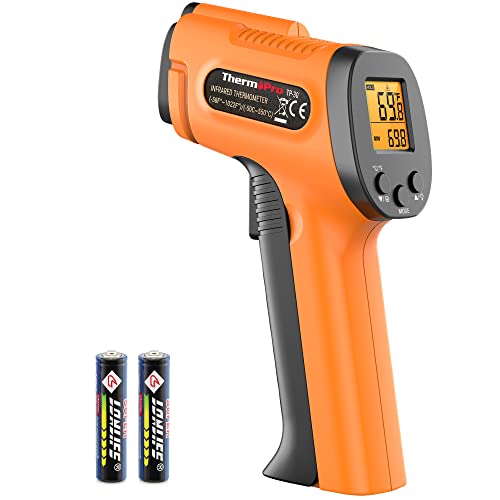
- Use a digital thermometer to check internal smoker heat.
Smoking Process Essentials
Smoking a pork butt takes patience and the right technique. The smoking process creates tender and flavorful meat.
Understanding the key parts of smoking helps you get the best results. Focus on temperature, heat, and moisture.
Ideal Smoking Temperature
Keep the smoker temperature between 225°F and 250°F. This range cooks the pork slowly and evenly.
- Below 225°F, the cooking will be too slow.
- Above 250°F, the meat may dry out.
- Use a reliable thermometer to watch the temperature.
- Adjust air vents to control heat inside the smoker.
Maintaining Consistent Heat
Consistent heat keeps the smoking process steady. Fluctuating temperatures can cause uneven cooking.
| Tip | Why It Helps |
| Check charcoal or wood every hour | Keeps fuel burning steadily |
| Adjust air vents carefully | Controls oxygen and heat flow |
| Avoid opening smoker too often | Prevents heat loss |
| Use a digital thermometer | Monitors temperature in real time |
Using A Water Pan
A water pan adds moisture to the smoker. This helps keep the pork butt juicy and tender.
Place a shallow pan of water below the pork butt inside the smoker. The water will evaporate slowly, adding humidity.
- Helps maintain even temperature
- Prevents meat from drying out
- Improves smoke flavor absorption
Monitoring And Managing Smoke
Cooking smoked pork butt needs careful smoke control. Smoke adds flavor but too much can spoil taste.
Watch smoke closely to keep it clean and light. Adjust wood and airflow to keep smoke steady.
Smoke Color And Density
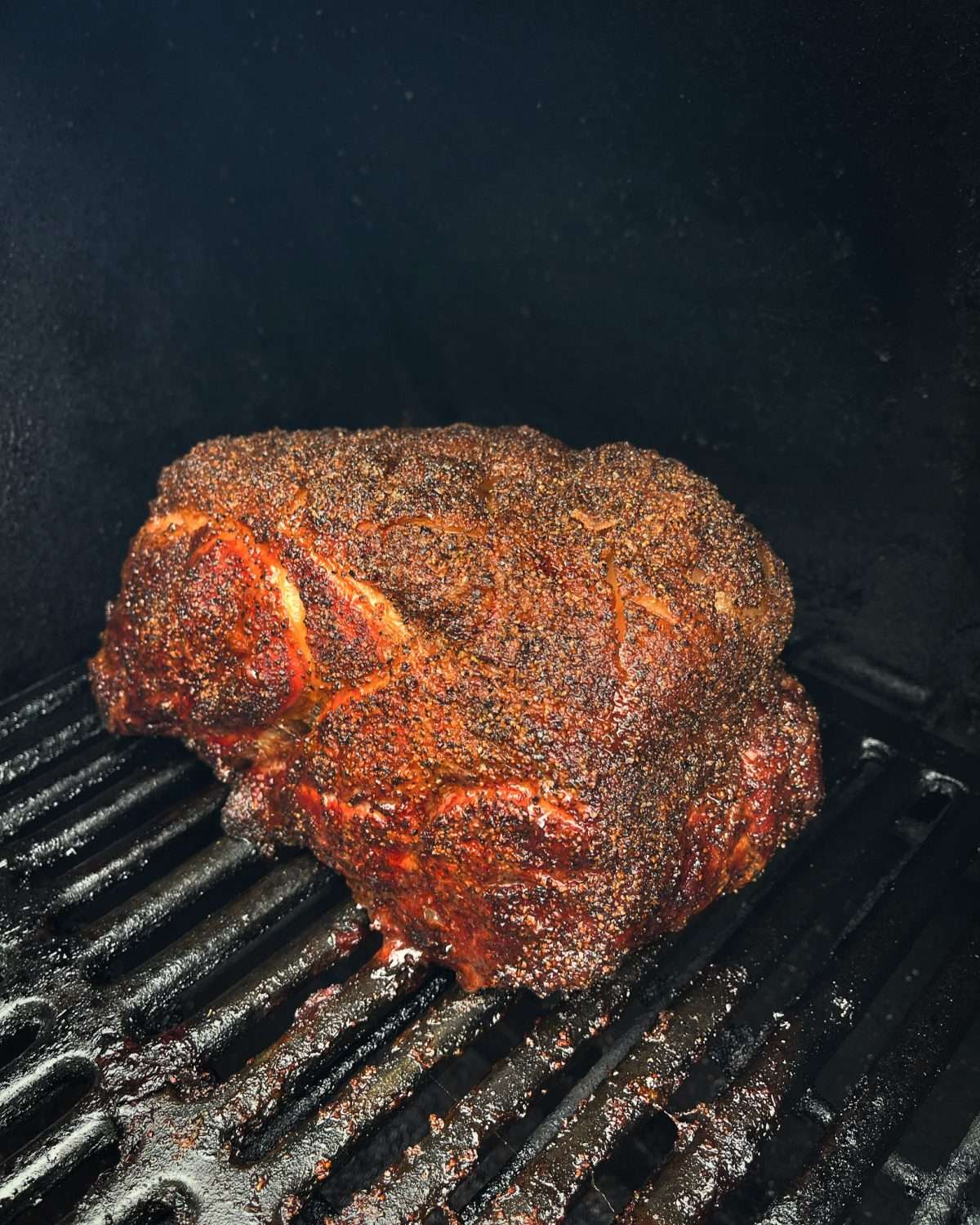
Good smoke looks thin and blue. Thick, white smoke can make meat bitter.
- Blue smoke means clean burning wood and good flavor.
- White smoke is often from wet wood or poor airflow.
- Black smoke shows incomplete burning and can taste harsh.
- Adjust your fire to keep smoke thin and steady.
When To Add More Wood
Add wood to keep smoke steady without overloading the fire. Too much wood causes thick smoke.
| Timing | Signs to Add Wood | Tips |
| Early Cook | Smoke fades or fire gets low | Add small pieces to keep heat steady |
| Mid Cook | Smoke thins or temperature drops | Use dry wood for steady smoke |
| Late Cook | Fire burns down | Add wood sparingly to avoid thick smoke |
Credit: saltbuttersmoke.com
Cooking Time And Internal Temperature
Cooking smoked pork butt takes patience and care. The right time and temperature help make it tender and tasty.
Understanding how long to cook and what temperature to reach is key to good results.
Estimating Cooking Duration
Cooking time depends on the size of the pork butt and the smoker temperature. Usually, it takes many hours to cook well.
Plan about 1.5 to 2 hours per pound at 225°F (107°C) for smoking pork butt.
- Smaller pork butt (4-6 lbs): 6 to 12 hours
- Larger pork butt (8-10 lbs): 12 to 20 hours
- Keep smoker temperature steady for even cooking
Using A Meat Thermometer
A meat thermometer helps check the inside temperature of the pork butt. This shows when it is done.
Insert the thermometer into the thickest part, avoiding bones. This gives the most accurate reading.
- Use a probe thermometer for continuous reading
- Check temperature often during cooking
- Do not open the smoker too much to keep heat steady
Target Internal Temperatures
The pork butt is safe to eat at 145°F (63°C), but it will be tough at this temperature. For tender meat, cook higher.
To get pulled pork texture, aim for 195°F to 205°F (90°C to 96°C). This breaks down the fat and connective tissue.
- 145°F (63°C): Safe but tough meat
- 190°F (88°C): Start of tender range
- 195°F to 205°F (90°C to 96°C): Ideal pulled pork temperature
Wrapping And Resting
After hours of smoking, wrapping and resting your pork butt are key steps. They help keep the meat tender and juicy.
These steps lock in moisture and improve the overall texture. Let’s look at how to do this properly.
The Texas Crutch Method
The Texas Crutch Method means wrapping the pork butt tightly in foil or butcher paper. This traps heat and steam inside.
- Wrap the pork butt when it reaches about 160°F internal temperature.
- Use heavy-duty aluminum foil or pink butcher paper for wrapping.
- Seal the edges tightly to prevent steam from escaping.
- Place the wrapped pork back in the smoker or oven.
- Cook until the internal temperature hits 195°F to 205°F.
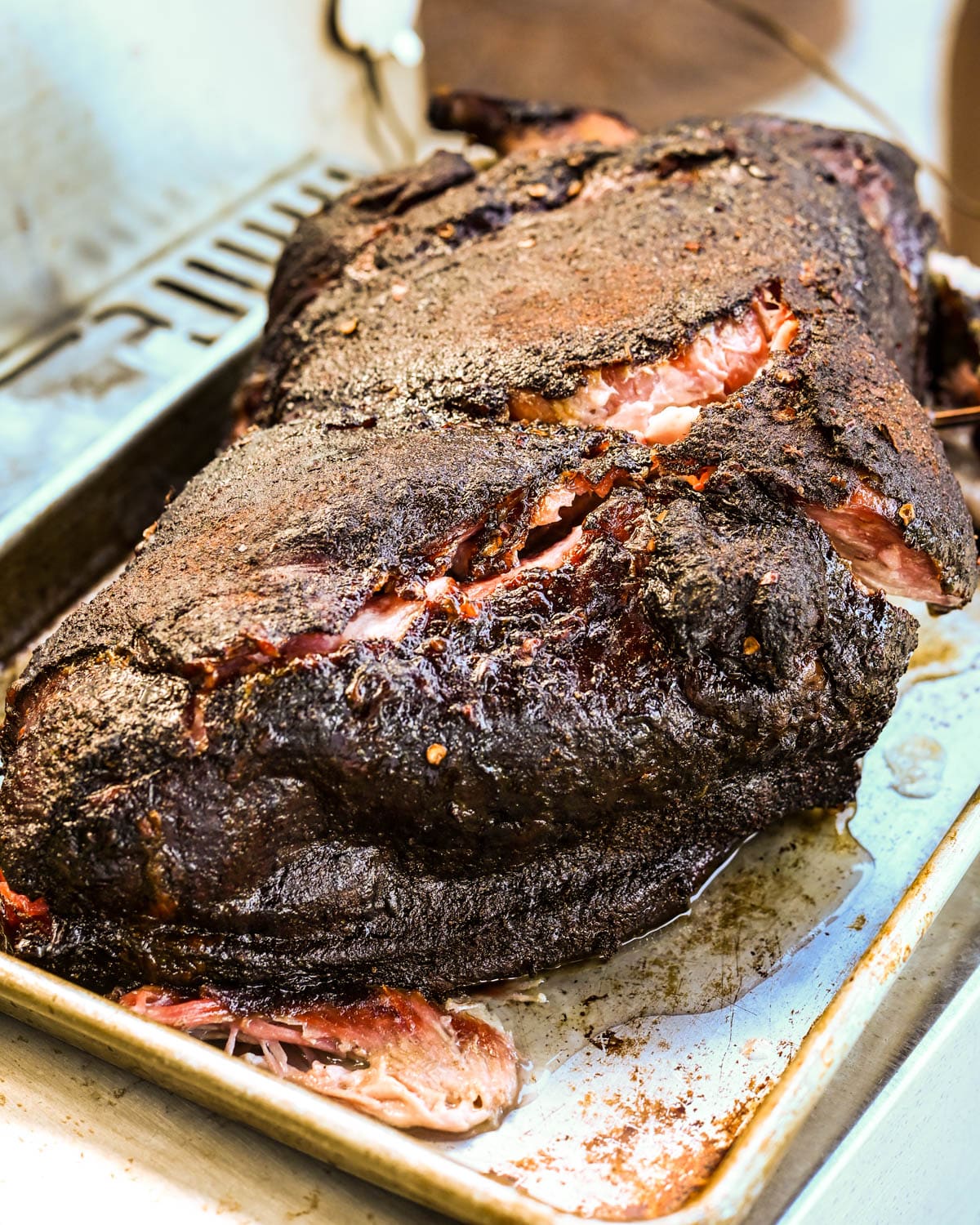
This method speeds up the cooking and helps the meat stay moist. It also softens the bark without making it soggy.
Resting For Juiciness
Resting the smoked pork butt after cooking lets the juices redistribute. This makes every bite juicy and tender.
| Resting Time | Purpose |
| 30 minutes to 1 hour | Allows juices to settle inside the meat |
| Keep wrapped in foil or butcher paper | Retains heat and moisture during rest |
| Rest at room temperature or inside a cooler | Prevents the meat from cooling too fast |
Do not cut the pork butt right after smoking. Waiting gives the best flavor and texture.
Serving And Storing Smoked Pork Butt
Smoked pork butt is a tasty dish that you can enjoy in many ways. Knowing how to serve and store it keeps the meat fresh and flavorful.
Proper serving makes your meal better. Storing leftovers the right way helps avoid waste and keeps the meat safe.
Slicing Vs Pulling
You can serve smoked pork butt by slicing or pulling the meat. Each way gives a different texture and experience.
Slicing works well if the meat is cooked firm. It keeps the pieces neat and easy to eat.
Pulling is best when the meat is very tender. Use two forks to shred the pork into small pieces.
- Sliced pork looks good on a plate or sandwich.
- Pulled pork mixes well with sauces and sides.
- Pulling helps spread flavor evenly in dishes.
Storage Tips For Leftovers
Store leftover smoked pork butt in an airtight container. This keeps the meat moist and stops it from drying out.
Refrigerate leftovers within two hours after cooking. Eat them within 3 to 4 days for best taste and safety.
- Cool the meat before placing it in the fridge.
- Freeze leftovers if you want to keep them longer.
- Label containers with the date for easy tracking.
- Reheat slowly to keep the meat tender and juicy.
Common Mistakes To Avoid
Cooking smoked pork butt takes time and patience. Avoiding common mistakes helps you get the best flavor and texture.
Pay attention to key details during smoking. This guide covers three common errors and how to avoid them.
Over-smoking
Too much smoke can make pork butt taste bitter and harsh. Use quality wood and control smoke levels carefully.
- Use small amounts of wood chips or chunks.
- Maintain a thin, blue smoke instead of thick white smoke.
- Avoid adding wood too often or in large pieces.
Temperature Fluctuations
Keeping a steady temperature is key. Fluctuations can affect cooking time and meat texture.
| Problem | Effect | Solution |
| Too low temperature | Longer cook time, dry meat | Check smoker vents and fuel |
| Too high temperature | Burnt outside, undercooked inside | Adjust vents and heat source |
| Sudden temperature changes | Uneven cooking | Avoid opening smoker often |
Skipping The Rest
Resting pork butt after smoking lets juices redistribute. Skipping this step makes meat dry.
Follow these tips for resting:
- Wrap the pork butt in foil or butcher paper.
- Let it rest for at least 30 minutes.
- Keep it in a warm place during resting.

Credit: www.youtube.com
Credit: www.garlicandzest.com
Frequently Asked Questions
What Is The Ideal Temperature For Smoking Pork Butt?
The ideal smoking temperature for pork butt is 225°F to 250°F. This low and slow heat breaks down connective tissue, making the meat tender and flavorful.
How Long Does It Take To Smoke A Pork Butt?
Smoking pork butt typically takes 1. 5 to 2 hours per pound. Plan for 8 to 12 hours depending on the size and smoker consistency.
Should I Wrap Pork Butt During Smoking?
Wrapping pork butt after 4-5 hours helps retain moisture and speeds cooking. Use foil or butcher paper for the best results.
What Wood Is Best For Smoking Pork Butt?
Hickory, apple, and cherry wood are popular choices. These woods provide a balanced smoky flavor that complements pork butt well.
Conclusion
Cooking smoked pork butt in a smoker takes patience and care. Keep the temperature steady and use the right wood for flavor. Check the meat often and don’t rush the process. Rest the pork after smoking to keep it juicy.
Enjoy the rich, smoky taste you created yourself. Smoking pork butt is a great way to impress family and friends. Try different rubs and techniques to find what you like best. Smoked pork butt makes any meal special and delicious.
Give it a try and enjoy the tasty results.