Are you ready to unlock the secret to perfectly cooked chicken thighs right in your kitchen? Imagine the sizzle as they hit the pan, filling your home with mouth-watering aromas.
You don’t need fancy equipment or a long list of ingredients to achieve delicious results. With just a frying pan and a few simple tips, you can transform ordinary chicken thighs into a juicy, flavorful meal that everyone will love.
This guide will walk you through each step, ensuring your chicken thighs are crispy on the outside and tender on the inside. Keep reading to discover how you can master this essential cooking skill and impress your taste buds with every bite.
Choosing The Right Chicken Thighs
Chicken thighs are a tasty and affordable choice for cooking. Picking the right type helps you get the best flavor and texture.
Think about how you want to cook the chicken and what you like in taste and ease of cooking. This guide helps you choose.
Bone-in Vs Boneless
Bone-in chicken thighs have the bone left inside. They take longer to cook but taste juicier. Boneless thighs cook faster and are easier to eat.
Choose bone-in if you want more flavor and don’t mind extra cooking time. Choose boneless for quick meals and simple dishes.
- Bone-in: More flavor, slower cooking
- Boneless: Faster cooking, easy to eat
Skin-on Vs Skinless
Skin-on chicken thighs have the skin attached. Cooking with skin gives a crispy outside and adds flavor. Skinless thighs are leaner and cook faster.
Use skin-on for frying or roasting to get crispy skin. Pick skinless for recipes where you want less fat or a softer texture.
- Skin-on: Crispy, flavorful, higher fat
- Skinless: Leaner, faster cooking, softer
Fresh Vs Frozen
Fresh chicken thighs taste good and cook evenly. Frozen thighs can be stored longer but need thawing before cooking. Thawing slowly in the fridge is best.
Choose fresh if you plan to cook soon. Choose frozen if you want to keep chicken longer or buy in bulk.
- Fresh: Best taste, cook soon
- Frozen: Longer storage, needs thawing
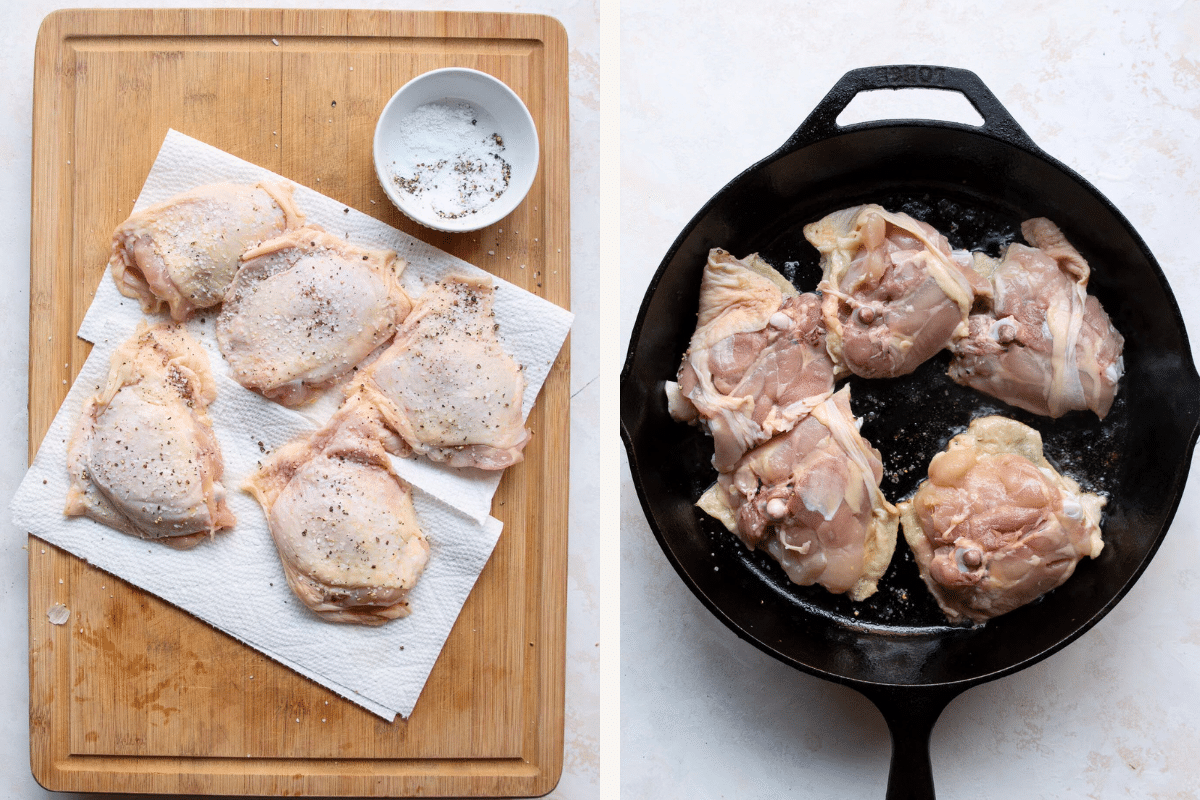
Credit: www.primaverakitchen.com
Preparing Chicken Thighs For Cooking
Cooking chicken thighs in a frying pan starts with good preparation. Properly preparing the meat helps it cook evenly and taste better.
Follow simple steps to trim, dry, season, or marinate your chicken thighs before cooking. This will improve the final dish.
Trimming And Patting Dry
Remove any extra skin or fat from the chicken thighs. This helps the meat cook more evenly and reduces splatter in the pan.
Use paper towels to pat the chicken dry. Dry skin will crisp better and brown nicely in the frying pan.
Seasoning Tips
- Use salt and pepper to enhance the natural flavor of chicken thighs.
- Add garlic powder or smoked paprika for extra taste.
- Season both sides evenly for balanced flavor.
- Let the seasoning sit on the meat for 10 minutes before cooking.
Marinating Options
| Marinade | Main Ingredients | Flavor Profile |
|---|---|---|
| Classic Lemon Herb | Lemon juice, olive oil, garlic, thyme | Fresh and tangy |
| Spicy BBQ | BBQ sauce, chili powder, honey | Sweet and spicy |
| Asian Soy | Soy sauce, ginger, garlic, sesame oil | Salty and savory |
Marinate chicken thighs for at least 30 minutes. This helps the flavors soak into the meat and makes it tender.
Selecting The Best Frying Pan
Cooking chicken thighs in a frying pan needs the right pan. The pan affects how evenly the meat cooks. It also changes the flavor and texture.
Choosing the best frying pan depends on its material, size, and coating. These features help you cook better chicken thighs.
Material Considerations
Different materials heat and hold heat in different ways. This changes how your chicken cooks. Common materials include stainless steel, aluminum, and cast iron.
- Stainless steel:Durable and easy to clean. It heats evenly but may need more oil.
- Aluminum:Heats quickly and is lightweight. It may warp over high heat.
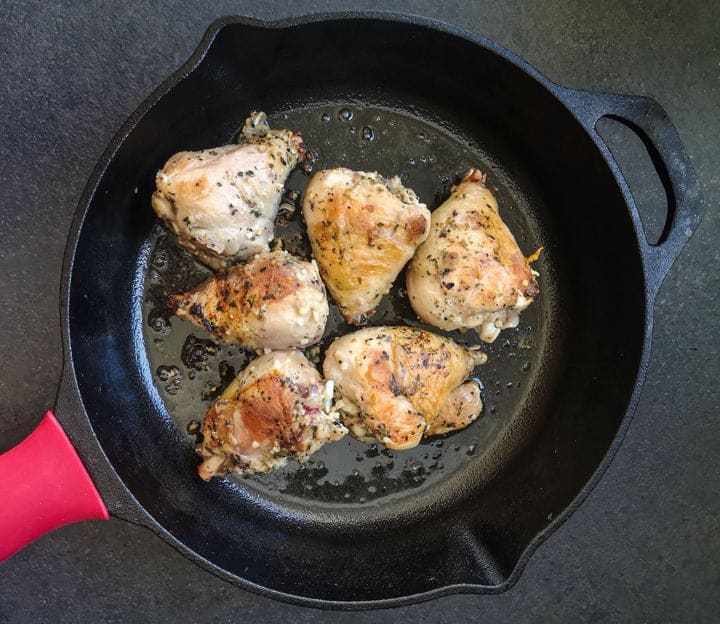
- Cast iron:Holds heat well and cooks evenly. It is heavy and needs seasoning.
Size And Depth
The size and depth of the pan affect how much chicken you can cook at once. A larger pan helps cook more pieces evenly. Depth matters for sauces and juices.
| Pan Size | Best Use | Notes |
|---|---|---|
| 8 inches | Small meals | Good for 1-2 chicken thighs |
| 10-12 inches | Medium meals | Fits 3-4 thighs with space |
| 12+ inches | Large meals | Best for family cooking |
Non-stick Vs Cast Iron
Choosing between non-stick and cast iron changes cooking style and cleanup. Both work well but have pros and cons.
- Non-stick pans:Easy to clean and need less oil. They cook chicken without sticking.
- Cast iron pans:Heat evenly and add flavor. They need seasoning and careful cleaning.
Cooking Techniques For Juicy Thighs
Chicken thighs are delicious and easy to cook in a frying pan. Using the right techniques helps keep them juicy and full of flavor.
Follow these simple steps to cook chicken thighs perfectly every time.
Preheating The Pan
Start by heating your frying pan before adding the chicken. A hot pan helps create a good sear and locks in juices.
Use medium-high heat and let the pan warm for a few minutes. You can test by sprinkling a few drops of water; they should sizzle and evaporate quickly.
Searing The Skin
Place chicken thighs skin-side down in the hot pan. Press gently so the skin touches the surface evenly.
Sear without moving the thighs for 5 to 7 minutes. This step crisps the skin and helps keep the meat juicy.
Adjusting Heat Levels
After searing the skin, lower the heat to medium or medium-low. This prevents burning while cooking the meat inside.
Adjust the heat as needed to keep the chicken cooking gently without smoking or sticking.
Flipping And Timing
Flip the chicken thighs carefully using tongs. Cook the other side for about 6 to 8 minutes.
Check for doneness by cutting near the bone or using a meat thermometer. The internal temperature should reach 165°F (74°C).
Checking Doneness And Resting
Cooking chicken thighs in a frying pan needs close attention. Knowing when the chicken is done keeps it safe and tasty.
Resting the chicken after cooking helps keep the juices inside. This makes the meat soft and flavorful.
Using A Meat Thermometer
A meat thermometer shows the exact temperature inside the chicken thigh. This helps you know if it is fully cooked.
- Insert the thermometer into the thickest part of the thigh.
- Check for a temperature of 165°F (74°C) to ensure safety.
- Avoid touching the bone with the thermometer for an accurate reading.
Visual And Texture Cues
Look for clear juices and firm meat to check doneness without tools. The chicken should not be pink inside.
| Sign | What It Means |
| Juices run clear | Chicken is cooked through |
| Meat feels firm | Cooked and ready to eat |
| Meat is pink or soft | Needs more cooking time |
Resting For Juiciness
Resting lets the juices spread inside the meat. This makes the chicken juicy and tender.
- Remove chicken from the pan after cooking.
- Place it on a plate and cover loosely with foil.
- Let it rest for 5 to 10 minutes before cutting.

Credit: mylifeafterdairy.com
Enhancing Flavor With Sauces And Sides
Cooking chicken thighs in a frying pan is simple and tasty. Adding sauces and sides makes the meal better.
Sauces add moisture and flavor to the chicken. Side dishes balance the meal and make it complete.
Quick Pan Sauces
Use the pan drippings to make a quick sauce. It adds rich flavor to the chicken thighs.
Try these simple sauces that you can make fast in the frying pan.
- Lemon butter sauce: Melt butter, add lemon juice and garlic.
- Honey mustard sauce: Mix honey, mustard, and a splash of vinegar.
- Mushroom sauce: Sauté mushrooms, add cream and season well.
- Garlic herb sauce: Cook garlic with herbs and olive oil.
Recommended Side Dishes
Side dishes add texture and flavor to your chicken meal. Pick sides that match the sauce and chicken.
Here are some easy sides that work well with pan-fried chicken thighs.
- Steamed or roasted vegetables like broccoli or carrots
- Mashed potatoes or rice for a filling base
- Fresh salad with a light dressing for crunch
- Garlic bread or dinner rolls to soak up sauces
Garnishing Ideas
Garnishes make your dish look nice and add fresh flavors. Simple touches lift the meal.
Try these garnishes for your chicken thighs.
- Chopped fresh herbs like parsley, cilantro, or thyme
- Lemon or lime wedges to squeeze on top
- Thin slices of chili for a little heat
- Toasted nuts or seeds for crunch
Troubleshooting Common Issues
Cooking chicken thighs in a frying pan is simple but can have problems. These problems include dry meat, sticking, and uneven cooking. Fixing these issues helps you cook juicy and tasty chicken.
Below are tips to avoid dryness, prevent sticking, and fix uneven cooking. Use these ideas to improve your cooking skills and enjoy your meals.
Avoiding Dryness
Dry chicken thighs happen when cooked too long or at too high heat. Keep the heat medium and watch the cooking time closely. Use a meat thermometer to check the temperature.
Rest the chicken after cooking to keep juices inside. Cover it with foil and wait 5 minutes before cutting or serving.
- Cook chicken thighs on medium heat
- Use a meat thermometer; 165°F (74°C) is safe
- Rest chicken for 5 minutes after cooking
Preventing Sticking
Chicken sticks to the pan if the surface is too dry or cold. Add oil before heating the pan and let the oil get hot. Place chicken only when the pan is hot enough.
Do not move the chicken too soon. Let it cook and release naturally from the pan. Use a non-stick or well-seasoned pan to reduce sticking.
- Heat pan before adding chicken
- Use enough cooking oil or fat
- Do not flip chicken too early
- Use non-stick or cast-iron pan
Fixing Uneven Cooking
Uneven cooking happens when chicken pieces are different sizes or the heat is uneven. Try to cook pieces that are about the same size. Use a pan that heats evenly.
Turn the chicken regularly to cook all sides. Lower the heat if the outside cooks too fast and inside stays raw.
- Choose chicken thighs of similar size
- Use a pan that spreads heat evenly
- Turn chicken pieces often
- Adjust heat to cook slowly if needed
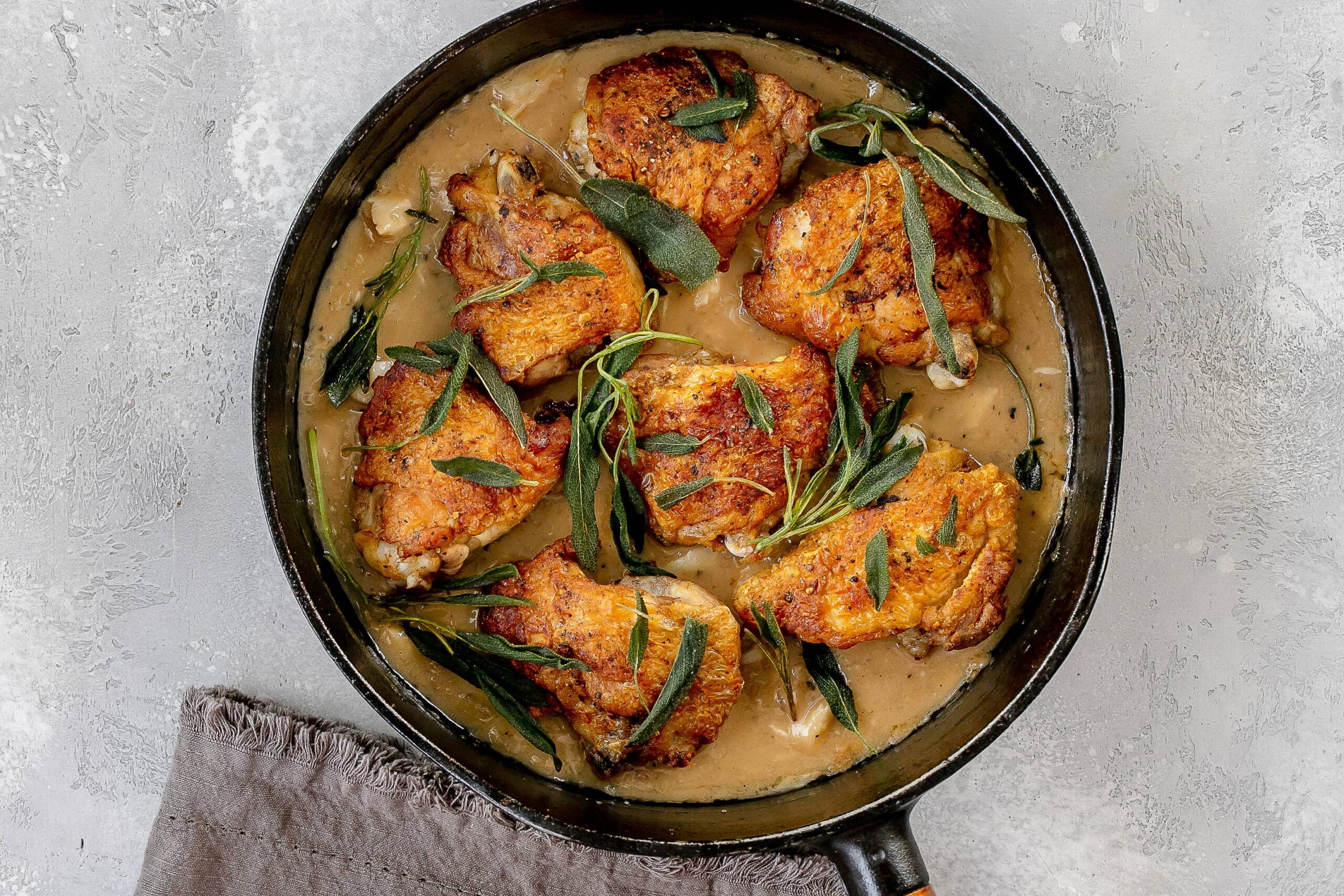
Credit: holisticfoodie.com
Frequently Asked Questions
How Long To Cook Chicken Thighs In A Frying Pan?
Cook chicken thighs for 6-7 minutes per side on medium heat. Ensure internal temperature reaches 165°F (75°C) for safety.
Should Chicken Thighs Be Cooked Skin-side Down First?
Yes, start skin-side down to render fat and crisp the skin. This enhances flavor and texture.
What Oil Is Best For Frying Chicken Thighs?
Use oils with high smoke points like olive oil, canola, or vegetable oil. They prevent burning and add flavor.
How To Keep Chicken Thighs Juicy In A Pan?
Avoid overcooking and cook on medium heat. Let chicken rest 5 minutes before slicing to retain juices.
Conclusion
Cooking chicken thighs in a frying pan is simple and quick. Use medium heat and cook until the skin is golden brown. Flip the thighs to cook evenly on both sides. Check that the inside is fully cooked before serving.
You can add your favorite spices for extra flavor. This method keeps the meat juicy and tasty. Perfect for a weeknight dinner or meal prep. Try it today and enjoy a delicious, easy meal at home.