
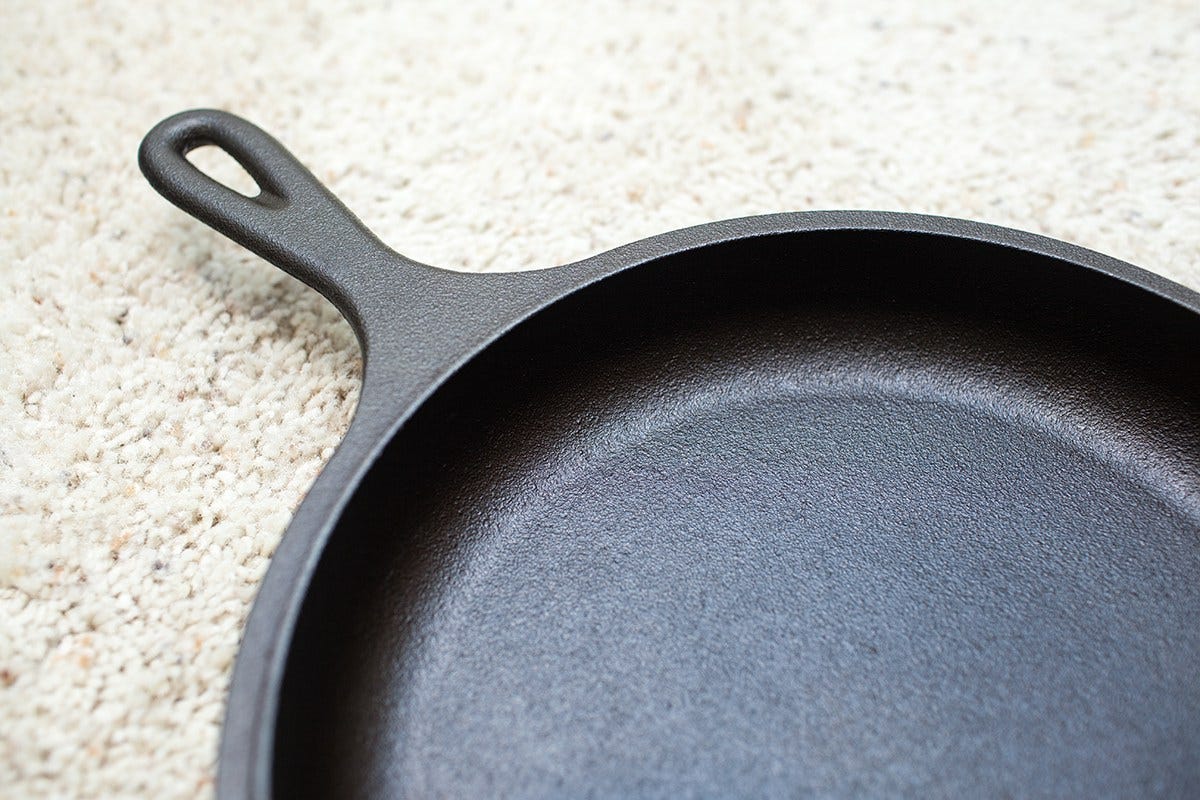
If your cast iron skillet has lost its shine or food starts sticking no matter what you do, it’s time for a fresh start. Stripping and reseasoning your skillet can bring it back to life, making it non-stick, rust-free, and ready for your next meal.
You might think this process is complicated or messy, but it’s simpler than you expect. In this guide, you’ll learn step-by-step how to strip away old seasoning and build a brand-new, durable coating that will improve every dish you cook.
Keep reading—you’re just a few easy steps away from restoring your skillet to perfect cooking condition.
Reasons To Strip Cast Iron
Stripping a cast iron skillet removes old seasoning and rust. It helps restore the skillet’s cooking surface.
When the seasoning is damaged, food can stick and taste bad. Stripping allows you to start fresh with new seasoning.
Signs Your Skillet Needs Stripping
Your skillet may need stripping if it shows rust or sticky patches. These signs mean the seasoning is failing.
If food sticks to the pan even after proper care, it might be time to strip and reseason.
- Rust spots on the surface
- Sticky or gummy residue
- Flaking or peeling seasoning
- Uneven color or dullness
- Food sticks badly during cooking
Common Causes Of Damage
Cast iron can get damaged from improper cleaning or storage. Water left on the pan can cause rust.
Using soap or scrubbing too hard can remove the seasoning. Cooking acidic foods for a long time also harms it.
- Leaving the skillet wet after washing
- Cleaning with soap or harsh detergents
- Scrubbing with metal brushes or steel wool
- Cooking acidic foods like tomatoes often
- Not oiling the pan after cleaning
Choosing The Right Stripping Method
Stripping a cast iron skillet removes old seasoning and rust. Picking the right method depends on how dirty the pan is.
Some methods work better for light residue, while others handle tough buildup. Choose one that fits your skillet’s condition.
Using Oven Cleaner
Oven cleaner breaks down old seasoning and rust quickly. It works well on pans with thick, baked-on residue.
Spray the pan with oven cleaner and place it in a sealed plastic bag. Let it sit for a day, then rinse and scrub.
- Wear gloves and work in a ventilated area
- Avoid using on pans with cracks or damage
- Rinse thoroughly to remove chemical residue
Applying Vinegar Soak
Vinegar soak removes rust without harsh chemicals. Mix equal parts water and white vinegar in a container.
Soak the skillet for up to an hour. Check frequently to avoid over-soaking, which can harm the metal.
- Use a plastic or glass container, not metal
- Rinse and dry the pan immediately after soaking
- Follow up with scrubbing for best results
Scrubbing With Steel Wool
Steel wool scrubs away rust and seasoning manually. It works best on pans with light to moderate buildup.
Apply gentle pressure and use water or soap to help loosen residue. Avoid scrubbing too hard to prevent scratching.
- Use fine or medium steel wool
- Wear gloves to protect your hands
- Rinse and dry the skillet well after scrubbing
Combining Methods For Tough Residue
Sometimes one method is not enough for heavy buildup. Combine methods for better results.
Start with a vinegar soak or oven cleaner to loosen residue. Follow with steel wool scrubbing to remove the rest.
- Use oven cleaner first for baked-on seasoning
- Soak in vinegar to target rust spots
- Finish by scrubbing to clean the surface fully
- Always rinse and dry well between steps
Step-by-step Stripping Process
Stripping your cast iron skillet removes old seasoning and buildup. This process prepares it for reseasoning and cooking.
Follow these steps carefully to restore your skillet’s surface and protect it from rust.
Preparing Your Workspace
Clear a well-ventilated area before starting. Cover surfaces with newspaper or plastic to catch spills. Gather gloves, scrubbers, and your stripping agent.
Cleaning Off Loose Debris
Use a stiff brush or sponge to remove loose dirt and rust flakes. Rinse the skillet with warm water to wash away particles. Avoid using soap at this stage.
Applying The Stripping Agent
- Wear rubber gloves for protection.
- Apply a generous layer of stripping agent over the skillet surface.
- Ensure the agent covers all rusted and seasoned areas evenly.
- Let it sit for the recommended time on the product label.
Scrubbing And Rinsing
After the stripping agent has worked, scrub the skillet thoroughly with a stiff brush or steel wool. Focus on removing all loosened seasoning and rust spots.
| Tool | Use |
|---|---|
| Steel Wool | For tough rust and old seasoning |
| Stiff Brush | For general scrubbing and debris removal |
| Sponge | For rinsing and light cleaning |
Rinse the skillet with warm water until all residue from the stripping agent is gone.
Drying The Skillet Properly
Immediately dry your cast iron skillet to stop rust from forming. Use a clean towel or heat it on the stove over low flame for a few minutes. Make sure it is fully dry before reseasoning.
Credit: underatinroof.com
Preparing For Reseasoning
Reseasoning your cast iron skillet keeps it non-stick and rust-free. Proper preparation helps the oil bond well to the surface.
Before you start, you need to pick the right oil, remove all moisture, and set up your oven correctly. These steps make reseasoning easier and effective.
Choosing The Right Oil
Choose an oil with a high smoke point for seasoning. It forms a strong, durable layer on your skillet.
- Flaxseed oil is popular for its hard finish.
- Canola oil has a good smoke point and is easy to find.
- Grapeseed oil works well and dries quickly.
- Vegetable oil is a simple and affordable option.
Removing Moisture
Moisture stops the oil from bonding well to the skillet. Make sure your pan is fully dry before you apply oil.
After washing, dry the skillet with a towel. Then heat it on the stove or in the oven for a few minutes to remove all water.
Setting Up Your Oven
Preheat your oven to the right temperature for seasoning. This helps the oil to bake into the skillet’s surface.
- Set oven to 450°F (230°C) or according to your oil’s smoke point.
- Place a foil-lined tray on the bottom rack to catch drips.
- Put the skillet upside down on the middle rack.
Reseasoning Techniques
Reseasoning your cast iron skillet restores its non-stick surface and prevents rust. This process needs patience and care to get the best results.
Follow these key steps to apply oil, bake properly, repeat seasoning, and store your skillet correctly.
Applying Thin Oil Layers
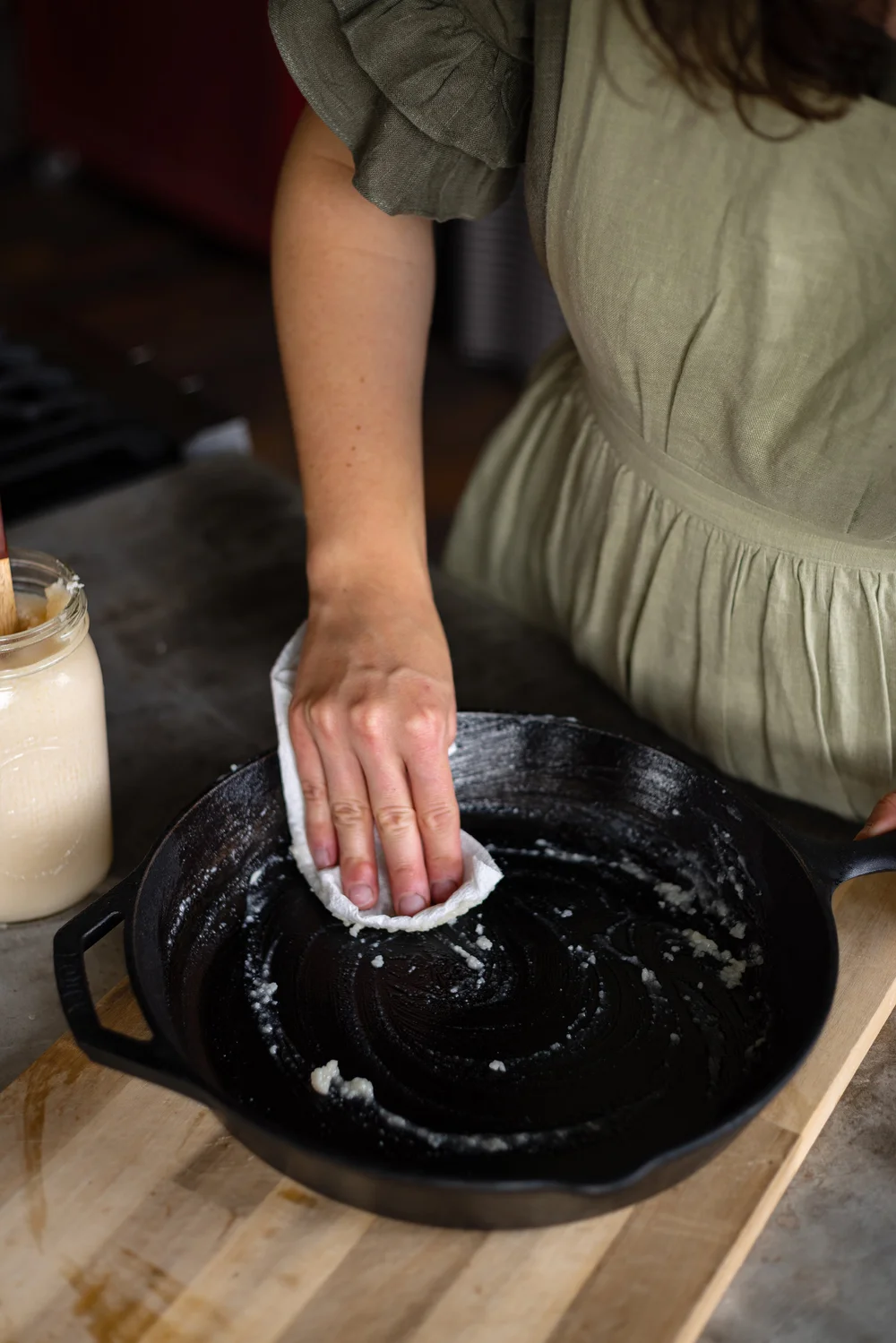
Use a small amount of oil for seasoning. Thick layers can create sticky or uneven surfaces. Spread the oil evenly over the entire skillet, inside and out.
Wipe off excess oil with a clean cloth or paper towel. The skillet should look shiny but not greasy.
Baking At Correct Temperature
Heat your skillet in an oven set between 400°F and 450°F (204°C to 232°C). This temperature allows the oil to bond properly with the cast iron.
Place the skillet upside down on the oven rack. Use foil on the lower rack to catch any drips.
| Temperature | Time |
|---|---|
| 400°F (204°C) | 1 hour |
| 450°F (232°C) | 30-60 minutes |
Repeating The Seasoning Cycle
Repeat the oiling and baking process several times for a stronger seasoning layer. Each cycle adds more protection and improves the skillet’s surface.
- Apply a thin coat of oil.
- Bake at the right temperature.
- Let the skillet cool down.
- Repeat 3 to 4 times.
Cooling Down And Storage Tips
Allow the skillet to cool in the oven after baking. Avoid sudden temperature changes to prevent warping.
Store your cast iron in a dry place. Keep the lid off or place a paper towel inside to absorb moisture.
:max_bytes(150000):strip_icc()/faw-field-company-no-8-cast-iron-skillet-medium-10-25-inch-jennifer-zyman-10-bd8a731366984600b5a3c1495b307284.jpeg)
Credit: www.foodandwine.com
Maintaining Your Cast Iron
Cast iron skillets last for many years with proper care. Keeping them clean and well-seasoned keeps food from sticking. It also protects the skillet from rust.
Simple steps after each use keep your skillet in good shape. Avoiding common mistakes helps preserve the seasoning layer. A reseasoning schedule restores the skillet’s non-stick surface.
Cleaning After Each Use
Clean your cast iron skillet right after cooking. Use warm water and a soft brush or sponge. Avoid soap to keep the seasoning intact.
- Rinse the skillet with warm water
- Scrub gently with a brush or sponge
- Dry completely with a towel or heat on the stove
- Apply a thin layer of oil to prevent rust
Avoiding Common Mistakes
Some habits can damage your cast iron skillet. Avoid these to keep it working well.
| Common Mistake | Why to Avoid | Better Practice |
|---|---|---|
| Using soap or harsh detergents | Strips the seasoning | Clean with warm water and soft brush |
| Soaking in water | Causes rust | Dry immediately after washing |
| Putting skillet in dishwasher | Damages the surface and seasoning | Hand wash only |
| Cooking very acidic foods often | Can eat away at seasoning | Limit acidic dishes or reseason more often |
Periodic Reseasoning Schedule
Reseasoning your skillet keeps the surface smooth and non-stick. Follow this schedule to maintain seasoning.
- Clean the skillet thoroughly by scrubbing with coarse salt and oil
- Rinse and dry completely
- Apply a thin layer of vegetable oil all over the skillet
- Place it upside down in an oven at 450°F (230°C) for one hour
- Let it cool in the oven before storing

Credit: www.reddit.com
Frequently Asked Questions
How Do You Strip A Cast Iron Skillet?
To strip a cast iron skillet, remove all old seasoning and rust. Use oven cleaner or a vinegar soak. Scrub with steel wool or a stiff brush. Rinse and dry completely before reseasoning for a clean cooking surface.
What Is The Best Method To Reseason Cast Iron?
Apply a thin layer of vegetable oil or flaxseed oil to the skillet. Bake it upside down at 450°F (230°C) for one hour. Let it cool in the oven. Repeat 2-3 times for a strong, non-stick seasoning layer.
How Often Should I Reseason My Cast Iron Skillet?
Reseason your cast iron skillet when food starts sticking or it looks dull. Typically, this is every few months with regular use. Proper cleaning and drying after each use help maintain seasoning longer.
Can I Use Soap When Cleaning Cast Iron?
Avoid soap when cleaning cast iron as it can strip seasoning. Instead, use hot water and a brush or scraper. For tough residue, coarse salt scrub works well. Always dry thoroughly and oil lightly after cleaning.
Conclusion
Keeping your cast iron skillet in top shape is simple. Just strip and reseason it regularly. This process ensures your skillet stays non-stick and long-lasting. Remove old seasoning with a good scrub. Dry it thoroughly to prevent rust. Apply a thin coat of oil.
Then bake it in the oven. These steps protect your skillet. They also enhance its cooking performance. With these easy tips, enjoy perfect cooking every time. Your skillet will thank you. Happy cooking!


