How to Clean Old Baking Pans
Are you tired of looking at your old baking pans and feeling a pang of disappointment every time you open your kitchen cabinet? If you’ve ever wondered how to bring those trusty kitchen tools back to their shining glory, you’re in the right place.
Cleaning old baking pans doesn’t have to be a daunting task. With a few simple tricks and some elbow grease, you can make them look almost brand new. Imagine the satisfaction of seeing your pans gleam with cleanliness, making your next baking adventure even more enjoyable.
Stick around, and you’ll discover the secrets to transforming your pans from grimy to gleaming with ease!
Assessing Pan Material
Cleaning old baking pans starts with knowing what material they are made of. Different materials need different care.
Understanding your pan’s material helps avoid damage and keeps it lasting longer.
Identifying Metal Types
Metal pans come in many types like aluminum, stainless steel, and cast iron. Each metal has unique features.
Look for weight and color to identify metal types. Aluminum is light and dull silver. Stainless steel is heavier and shiny. Cast iron is very heavy and dark.
- Aluminum pans are lightweight and conduct heat well.
- Stainless steel pans are strong and resist rust.
- Cast iron pans are heavy and need seasoning to prevent rust.
Non-stick And Ceramic Pans
Non-stick pans have a smooth surface that stops food from sticking. Ceramic pans have a hard, shiny coating.
These pans need gentle cleaning to protect their coatings. Avoid metal scrubbers and harsh cleaners.
- Non-stick pans are usually dark inside with a smooth feel.
- Ceramic pans have a white or light-colored shiny surface.
- Both types clean best with soft sponges and mild soap.
Basic Cleaning Techniques
Old baking pans can build up grease and burnt food. Cleaning them well brings back their shine.
Using simple cleaning methods helps protect the pan’s surface. This keeps pans safe for cooking.
Soaking For Stubborn Residue
Soaking pans loosens stuck food and burnt bits. Use warm water to fill the pan and let it sit.
Let the pan soak for at least 30 minutes. This makes scrubbing easier and prevents damage.
- Fill the pan with warm water
- Add a small amount of dish soap
- Let it sit for 30 minutes or longer
- Use a soft sponge to scrub gently
Using Mild Detergents
Mild detergents clean without harming the pan’s surface. Avoid harsh chemicals or abrasive cleaners.
Apply detergent with a soft cloth or sponge. Rinse well to remove all soap residues after cleaning.
- Choose gentle dish soap
- Use soft sponges or cloths
- Clean the pan carefully
- Rinse the pan thoroughly with water
Natural Cleaning Solutions
Old baking pans can get stained and sticky after many uses. You can clean them well with natural ingredients. These solutions are safe and easy to find at home.
Using natural cleaners helps avoid harsh chemicals. Let’s explore two simple methods that use baking soda, vinegar, lemon, and salt.
Baking Soda And Vinegar
Baking soda and vinegar work well together to remove tough stains and grease. The fizzing action helps lift dirt from the pan.
- Sprinkle baking soda all over the baking pan.
- Pour white vinegar slowly over the baking soda.
- Wait for the mixture to bubble and sit for 10 minutes.
- Scrub the pan gently with a sponge or brush.
- Rinse the pan with warm water and dry it with a cloth.
Lemon And Salt Scrub
Lemon and salt create a natural scrub that removes rust and stains. The lemon’s acidity breaks down grime, while salt acts as a gentle abrasive.
| Ingredient | Purpose |
| Fresh Lemon Juice | Breaks down stains and grease |
| Coarse Salt | Scrubs and removes stuck-on residue |
| Soft Cloth or Sponge | Used to rub the mixture on the pan |
To use this method, sprinkle salt on the pan. Cut a lemon in half and rub it over the salt. Let it sit for a few minutes, then scrub and rinse.

Credit: www.reddit.com
Tackling Tough Stains
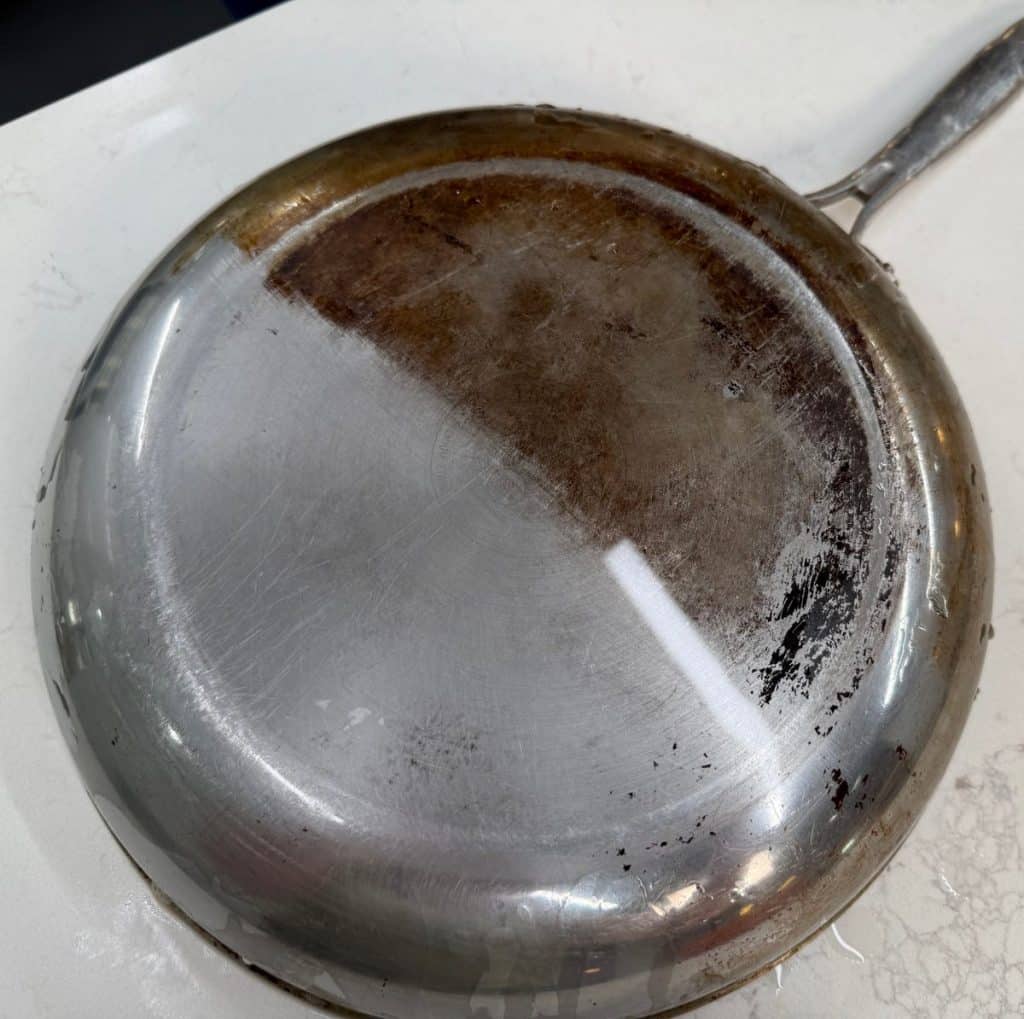
Old baking pans often have tough stains that are hard to clean. These stains include burnt food and rust spots. Cleaning them well can make your pans look almost new.
Using simple household items, you can remove these stubborn stains safely. Let’s learn how to tackle burnt-on food and rust on your baking pans.
Removing Burnt-on Food
Burnt food sticks tightly to baking pans. It can be hard to remove with just soap and water. You need a little extra effort and some common kitchen ingredients.
Start by soaking the pan in hot water and dish soap for 30 minutes. This softens the burnt food and makes it easier to scrub off.
- Fill the pan with hot water and add a few drops of dish soap.
- Let it soak for 30 minutes to loosen burnt food.
- Use a non-scratch scrubber to gently scrub the burnt areas.
- If stains remain, sprinkle baking soda on the spots.
- Add a little water to make a paste and scrub again.
- Rinse the pan well and dry it with a soft cloth.
Dealing With Rust Spots
Rust spots form when baking pans get wet and stay damp. Rust can ruin your pans if you don’t clean it off quickly. You can remove rust with simple household items.
Use white vinegar or lemon juice to break down rust. These acids help lift rust without damaging the metal.
- Pour white vinegar or lemon juice on the rust spots.
- Let it sit for 10 to 15 minutes to dissolve rust.
- Use a soft scrub brush or cloth to scrub the rust away.
- Rinse the pan with water and dry it fully.
- If rust remains, repeat the process until clean.
- Keep pans dry after cleaning to prevent new rust.
Preventing Future Build-up
Cleaning old baking pans is important, but preventing build-up saves time later. Taking care of pans after each use helps keep them clean.
Good habits like drying and storing pans properly can stop food and grease from sticking. Seasoning metal pans also protects the surface.
Proper Drying And Storage
Always dry baking pans completely before storing. Moisture left on pans causes rust and stains. Use a clean towel or air dry them well.
Store pans in a dry place with good air flow. Avoid stacking pans tightly, which can trap moisture and cause scratches.
- Dry pans immediately after washing
- Use a dish towel or drying rack
- Store pans in a cool, dry cabinet
- Place a paper towel between stacked pans
Seasoning Metal Pans
Seasoning metal pans builds a natural non-stick layer. This layer prevents food from sticking and stops rust from forming.
To season, clean the pan well, dry it, and apply a thin coat of cooking oil. Heat the pan in the oven for about an hour, then let it cool.
- Clean and dry pan before seasoning
- Apply a thin layer of vegetable or canola oil
- Heat in oven at 350°F (175°C) for 1 hour
- Let pan cool inside the oven
- Repeat seasoning if needed for better protection
Credit: www.carawayhome.com
Tools That Make Cleaning Easier
Cleaning old baking pans can be tough and tiring. Using the right tools helps finish the job faster. This guide shows which tools work best for cleaning.
Good tools protect your pans and make scrubbing easier. Let’s explore scrubbers and cleaning agents that work well.
Choosing The Right Scrubbers
Pick scrubbers that remove dirt without scratching pans. Soft sponges work well on non-stick surfaces. Stiff brushes suit stainless steel pans.
- Non-scratch sponges for delicate pans
- Steel wool for tough baked-on stains
- Plastic scrub brushes for general cleaning
- Silicone scrubbers for easy rinsing
- Scraper tools to lift stuck food gently
Using Baking Pan Cleaners
Baking pan cleaners help break down grease and burnt food. Use products made for kitchen use to avoid damage.
| Cleaner Type | Best For | How to Use |
| Baking Soda Paste | Light stains | Apply paste, wait 20 minutes, scrub |
| Vinegar Spray | Grease | Spray, let sit 10 minutes, wipe clean |
| Commercial Oven Cleaner | Heavy burnt spots | Follow label instructions carefully |
| Dish Soap & Hot Water | Daily cleaning | Soak pans, scrub with sponge |

Credit: zaulimaids.com
Frequently Asked Questions
How Do I Remove Baked-on Grease From Old Pans?
Use a paste of baking soda and water on the pan. Let it sit 15 minutes. Scrub gently with a sponge. Rinse well and dry. This method breaks down grease safely and restores shine.
Can Vinegar Clean Burnt Residue On Baking Pans?
Yes, vinegar is acidic and dissolves burnt food. Soak the pan in equal parts vinegar and water for 30 minutes. Scrub with a brush, then rinse. Vinegar is natural, effective, and safe for most pans.
What’s The Best Way To Restore Shine To Old Baking Pans?
Use a mixture of baking soda and lemon juice. Apply it, then scrub gently. Rinse and dry thoroughly. This removes stains and brightens the surface without harsh chemicals.
Is It Safe To Use Steel Wool On Old Baking Pans?
Steel wool can scratch pans with non-stick or delicate surfaces. Use it only on heavy-duty metal pans. Always test a small area first to avoid damaging your pan’s finish.
Conclusion
Cleaning old baking pans does not have to be hard. Use common household items like baking soda and vinegar. Scrub gently to avoid damage. Regular care keeps your pans ready for baking. Save money by restoring old pans instead of buying new ones.
A clean pan helps make better food. Try these simple steps to bring your pans back to life. Easy, safe, and effective cleaning works every time. Your kitchen will look neat, and your baking will taste great.