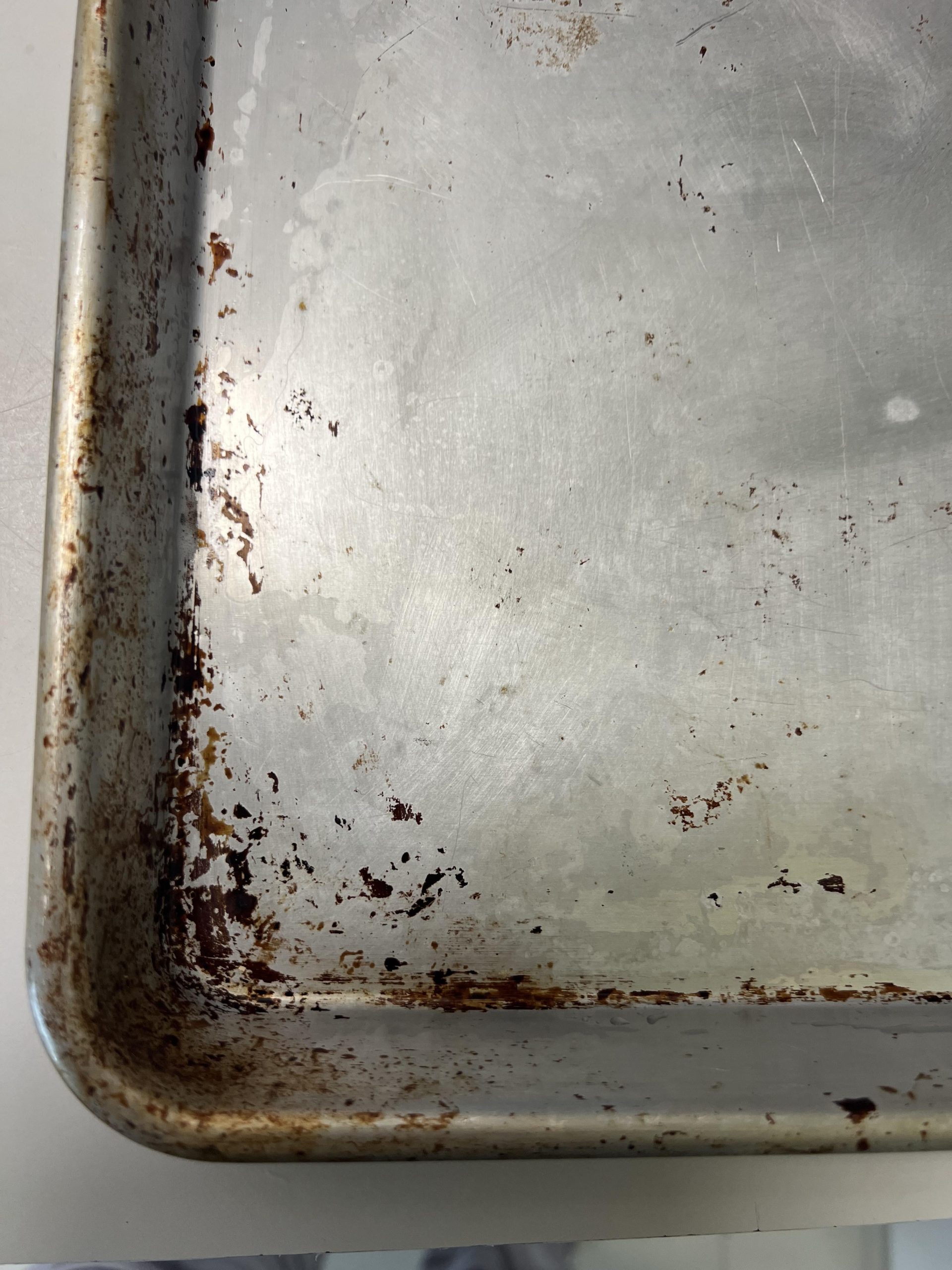
How to Clean Baking Pans: Are your baking pans looking stained or sticky after a delicious meal? Cleaning them might feel like a tough chore, but it doesn’t have to be.
You want your pans to last longer and perform better every time you bake. Imagine pulling out a sparkling clean pan that makes cooking even more enjoyable. You’ll discover simple, effective ways to clean your baking pans without harsh chemicals or scrubbing for hours.
Keep reading, and you’ll learn easy tips that save you time and keep your kitchen tools in perfect shape.
Choosing The Right Cleaner
Cleaning baking pans properly keeps them in good shape. Choosing the right cleaner helps remove stains and grease. Some cleaners are gentle, while others work fast but may harm your pans.
Knowing which cleaner to use saves time and protects your cookware. This guide covers natural cleaners, commercial cleaners, and which chemicals to avoid.
Natural Cleaners
Natural cleaners use simple ingredients that you may already have at home. They clean without strong chemicals and are safe for most pans.
- Baking soda helps remove stuck-on food and stains.
- White vinegar cuts grease and deodorizes pans.
- Lemon juice brightens pans and fights rust.
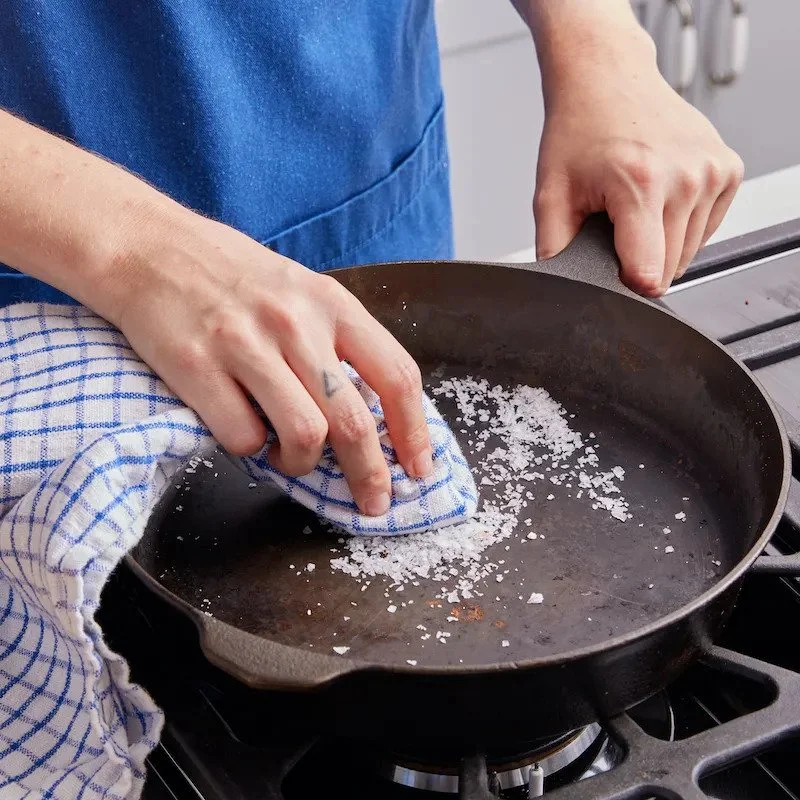
- Salt works as a gentle scrub for tough spots.
Commercial Cleaners
Commercial cleaners are made specifically for baking pans. They often clean quickly and remove tough stains.
| Cleaner Type | Best For | Notes |
| Non-abrasive sprays | Non-stick pans | Safe for coatings |
| Heavy-duty gels | Steel and aluminum | Use with gloves |
| Foam cleaners | General use | Easy to rinse |
Avoiding Harsh Chemicals
Harsh chemicals can damage your baking pans. They may remove coatings or cause rust. Avoid cleaners with bleach, ammonia, or strong acids.
- Do not use oven cleaners on non-stick pans.
- Avoid steel wool on coated surfaces.
- Check labels for warnings about pan damage.
- Test a small area before full cleaning.
Credit: eurotins.co.uk
Prepping The Pan
Cleaning baking pans starts with good preparation. This step helps remove stuck-on food and grease.
Proper prepping saves time and keeps your pans in good shape for longer use.
Soaking Techniques
Soaking your baking pans softens dried food and grease. Use warm water and mild soap to soak the pan.
Let the pan sit in the water for at least 15 to 30 minutes. This loosens tough stains and makes cleaning easier.
- Fill the pan with warm water
- Add a few drops of dish soap
- Let it soak for 15 to 30 minutes
- Use a sponge to scrub after soaking
Removing Loose Debris
Remove loose food bits before washing the pan. This stops food from clogging your sink or sponge.
Use a soft brush or cloth to gently wipe away crumbs and flakes. Avoid metal tools that can scratch the pan.
- Use a soft brush or cloth
- Gently wipe off crumbs
- Discard food debris in the trash
- Check corners and edges carefully
Cleaning Methods
Baking pans often get sticky and stained after use. Cleaning them well keeps them ready for the next bake. Different methods help remove baked-on food and grease.
Some cleaning ways are simple and gentle, while others use natural ingredients or special tools. Choose the right method based on your pan type and dirt level.
Hand Washing Tips
Washing pans by hand helps protect their coating. Use warm water and mild dish soap. Avoid harsh scrubbing that can damage the surface.
- Soak the pan in warm soapy water for 10 to 15 minutes.
- Use a soft sponge or cloth to wipe off food particles.
- Rinse with clean water to remove soap residue.
- Dry with a soft towel to prevent rust or water spots.
Using Baking Soda And Vinegar
Baking soda and vinegar create a natural cleaning mix. It helps lift tough stains and grease without chemicals. This method works well for metal and non-stick pans.
Try this simple recipe:
| Ingredient | Amount | Purpose |
|---|---|---|
| Baking Soda | 2 tablespoons | Scrubs and removes odor |
| White Vinegar | 1/2 cup | Breaks down tough stains |
| Warm Water | Enough to cover pan | Helps dissolve grease |
Mix baking soda and water into a paste. Spread it on the pan's surface. Pour vinegar over the paste. Let it fizz and sit for 15 minutes. Scrub gently, then rinse well.
Scrubbing Tools And Tricks
Choosing the right scrubber helps clean without scratching. Some tools work better on certain pan types or stains.
- Use a soft sponge for non-stick pans to avoid damage.
- Try a nylon brush for tough spots on metal pans.
- Use a plastic scraper for stuck-on food without scratching.
- Steel wool works for heavy rust but avoid on coated pans.

Credit: katieskottage.com
Dealing With Stubborn Stains
Cleaning baking pans can be tough when stains stick hard. Stubborn stains need special care to remove without damage.
Using simple tools and tricks can help restore your pans to clean condition. Try these easy methods for tough stains.
Burnt-on Residue Removal
Burnt food leaves a hard layer on pans. Scrape gently with a plastic spatula first to avoid scratches.
Make a paste with baking soda and water. Apply it on the burnt areas and let it sit for 30 minutes.
- Scrub with a soft sponge
- Rinse with warm water
- Repeat if needed
Using Aluminum Foil
Aluminum foil can replace scrubbers. Crumple a piece into a ball and use it to scrub stains gently.
This method works well on metal pans but avoid using on non-stick surfaces to prevent damage.
- Use small foil balls for better control
- Apply mild dish soap for easier cleaning
- Rinse thoroughly after scrubbing
Long Soak Solutions
Soaking pans helps loosen stuck-on food. Fill the pan with hot water and add a few drops of dish soap.
Let the pan soak for several hours or overnight. After soaking, scrub gently with a sponge or brush.
- Use warm or hot water for best results
- Add vinegar or baking soda for tougher stains
- Never soak wooden or cast iron pans too long
Maintaining Pans For Longevity
Keeping baking pans clean and well cared for helps them last longer. Proper maintenance prevents damage and keeps them safe to use. Small daily habits can protect your pans.
Follow simple steps for drying, storing, and avoiding stains. This guide covers key ways to maintain your baking pans over time.
Proper Drying Techniques
Always dry baking pans completely after washing. Leaving water on the surface can cause rust or damage, especially on metal pans. Use a soft towel to wipe pans dry right after rinsing.
Air drying is okay but only if the pan is placed upside down on a rack. This lets water drip off and keeps moisture from pooling inside the pan.
Storing Baking Pans
Store pans in a dry, cool place. Avoid stacking pans directly on top of each other without protection. This can cause scratches or dents.
- Place a soft cloth or paper towel between stacked pans.
- Keep pans in a cabinet with good air circulation.
- Store pans upright if possible to save space and prevent damage.
- Do not store pans near heat sources or damp areas.
Preventing Future Stains
Stains can build up if pans are not cleaned soon after use. Avoid letting food sit on the surface for hours. Use gentle cleaning methods to keep pans looking new.
| Cleaning Tip | Method | Reason |
| Soak with warm water | Let pan sit in warm water 10–15 minutes | Loosens stuck food and prevents scrubbing damage |
| Use baking soda paste | Mix baking soda and water, scrub gently | Removes stains without harsh chemicals |
| Dry immediately | Wipe with towel after washing | Prevents water stains and rust |
| Avoid metal scrubbers | Use soft sponges or cloths | Protects pan surface from scratches |
Credit: blog.blueapron.com
Frequently Asked Questions
How Do I Remove Burnt Residue From Baking Pans?
To remove burnt residue, soak the pan in hot water and baking soda. Scrub gently with a non-abrasive sponge. Repeat if necessary for tough stains. Avoid harsh chemicals to preserve the pan’s surface.
What Is The Best Natural Cleaner For Baking Pans?
A mix of baking soda and vinegar works best. Sprinkle baking soda on the pan, add vinegar, and let it fizz. Scrub gently, rinse, and dry. This method is safe, effective, and eco-friendly.
Can I Use Dishwasher To Clean Baking Pans?
Most baking pans are dishwasher safe, but check the manufacturer’s instructions. Avoid harsh detergents and high heat settings. Hand washing is recommended for non-stick or delicate pans to extend their lifespan.
How Often Should I Clean My Baking Pans?
Clean baking pans immediately after use to prevent residue buildup. Regular cleaning ensures better cooking results and extends the pan’s life. Avoid letting food dry on the surface for easier maintenance.
Conclusion
Cleaning baking pans doesn't have to be difficult. With the right steps, it becomes easy. Start by soaking the pan in warm, soapy water. Scrub gently with a non-abrasive sponge. For stubborn stains, use baking soda and vinegar. This combination works well.
Rinse thoroughly and dry. Regular cleaning keeps pans in good shape. Plus, it makes cooking more enjoyable. Consistent care extends your pans' lifespan. So, keep these tips in mind. Clean your baking pans today, and enjoy stress-free baking tomorrow. Your kitchen will thank you.