
Are you tired of spending hours in the kitchen, juggling pots and pans just to get a healthy meal on the table? Imagine a world where you can toss your vegetables into a pot, set it, and forget it, only to return to a deliciously cooked dish.
Sounds like a dream, right? But can you really cook vegetables in a slow cooker and still retain all their flavor and nutrients? The answer might surprise you. We’ll explore the ins and outs of using a slow cooker for your veggies, revealing tips and tricks that could revolutionize your cooking routine.
Stick around to discover how this humble kitchen appliance can become your new secret weapon for effortless, tasty meals.
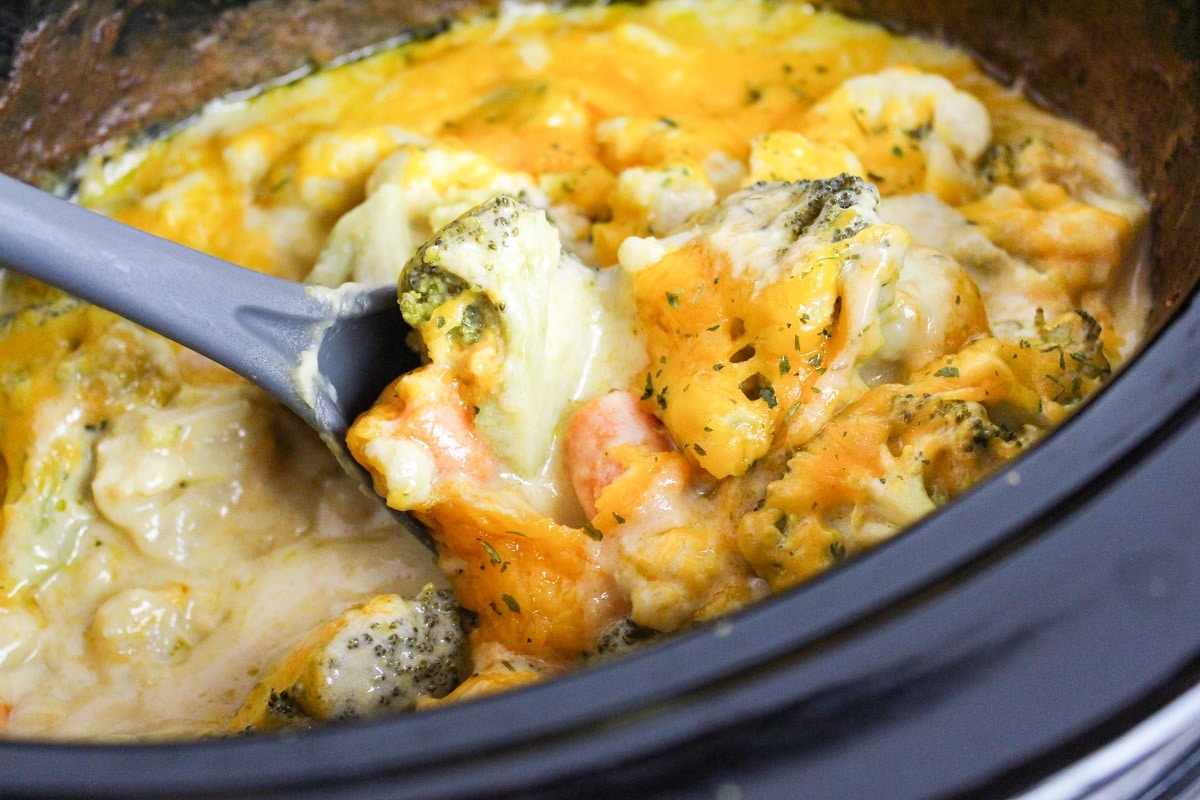
Credit: cheesecurdinparadise.com
Benefits Of Slow Cooking Vegetables
Cooking vegetables in a slow cooker brings many benefits. It allows flavors to develop fully over time.
Slow cooking also helps keep vegetables tender and nutritious. It saves time and effort in meal preparation.
Enhanced Flavor And Texture
Slow cooking lets vegetables cook gently. This process brings out natural sweetness and richness.
- Vegetables stay moist and soft.
- Flavors blend well with spices and herbs.
- Less chance of burning or overcooking.
Nutrient Retention
Slow cooking uses lower temperatures than boiling or frying. This helps keep vitamins and minerals intact.
| Nutrient | Effect of Slow Cooking |
| Vitamin C | Reduced loss compared to boiling |
| Fiber | Remains mostly unchanged |
| Antioxidants | Better preserved |
Convenience And Time-saving
Using a slow cooker means less time watching the stove. You can prepare ingredients, then leave the cooker on low.
- Set and forget cooking method
- Frees up time for other tasks
- Good for busy days or meal prep
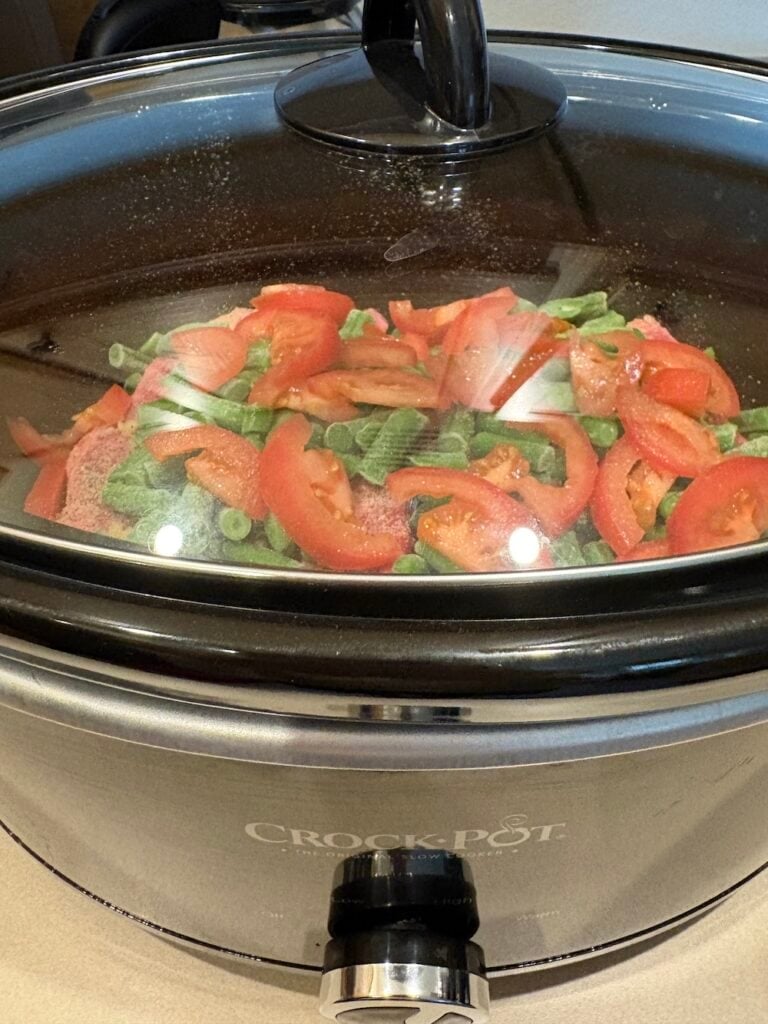
Credit: southernhomeexpress.com
Best Vegetables For Slow Cooking
Slow cookers make vegetables soft and full of flavor. Not all vegetables cook well in a slow cooker. Some get mushy or lose taste.
Picking the right vegetables helps you get a tasty and healthy meal. Let’s look at the best vegetables to use in slow cooking.
Root Vegetables
Root vegetables stay firm and absorb flavors well in slow cooking. They take longer to cook but turn soft and sweet.
- Carrots
- Potatoes
- Turnips
- Beets
- Parsnips
Squash And Pumpkins
Squash and pumpkins cook nicely but can become soft quickly. Use firm types and cut them in large pieces to keep texture.
| Vegetable | Slow Cooking Tip |
| Butternut Squash | Cut large pieces to avoid mushiness |
| Acorn Squash | Use whole or halved pieces for best results |
| Pumpkin | Add in the last hour of cooking |
Greens And Leafy Vegetables
Leafy greens cook very fast in slow cookers. Add them near the end of cooking to keep color and nutrition.
- Spinach
- Kale
- Collard Greens
- Swiss Chard
- Mustard Greens
Tips For Preparing Vegetables
Cooking vegetables in a slow cooker can bring out their natural flavors. Proper preparation helps them cook evenly and taste better.
These tips focus on chopping, layering, and seasoning your vegetables for the best slow cooker results.
Chopping And Sizing
Cut vegetables into even pieces to ensure they cook at the same rate. Larger pieces take longer to soften, while small pieces may overcook.
- Cut root vegetables like carrots and potatoes into chunks.
- Slice softer vegetables thinner to avoid mushiness.
- Keep similar-sized pieces for even cooking.
- Avoid very small pieces that may dissolve during long cooking.
Layering Techniques
How you place vegetables in the slow cooker affects cooking time and texture. Denser vegetables should go at the bottom where heat is strongest.
| Layer | Vegetables to Place |
| Bottom | Potatoes, carrots, beets |
| Middle | Onions, peppers, celery |
| Top | Tomatoes, zucchini, spinach |
Adding Herbs And Spices
Herbs and spices add flavor to slow cooked vegetables. Some herbs lose strength over time, so plan when to add them.
- Add hardy herbs like rosemary and thyme at the start.
- Add delicate herbs like parsley and basil near the end.
- Use spices such as cumin or paprika early to develop flavor.
- Salt and pepper can be added anytime, but taste before serving.
Slow Cooker Settings And Cooking Times
Using a slow cooker to prepare vegetables is easy and convenient. Knowing the right settings helps keep vegetables tender and flavorful.
Cooking times vary depending on the heat level and vegetable type. This guide explains how to choose the best settings.
Low Vs High Heat
Slow cookers usually have two main heat settings: low and high. Low heat cooks food gently over a longer time. High heat cooks faster but can be less gentle.
- Low heat cooks vegetables in 6 to 10 hours.
- High heat cooks vegetables in 3 to 5 hours.
- Low heat is best for root vegetables and dense types.
- High heat works for softer vegetables and quick meals.
Avoiding Overcooking
Overcooked vegetables lose texture and nutrients. Watch cooking times closely to avoid mushy vegetables.
| Vegetable | Cooking Time on Low | Cooking Time on High |
| Carrots | 7-8 hours | 3-4 hours |
| Green Beans | 4-5 hours | 2-3 hours |
| Potatoes | 8-10 hours | 4-5 hours |
| Peppers | 3-4 hours | 1.5-2 hours |
Adjusting For Different Vegetables
Different vegetables cook at different speeds. Hard vegetables take longer than soft ones.
- Cut hard vegetables like carrots and potatoes into smaller pieces.
- Add soft vegetables like zucchini and tomatoes in the last hour of cooking.
- Layer vegetables with longer cooking times at the bottom of the slow cooker.
Combining Vegetables With Proteins
Cooking vegetables with proteins in a slow cooker creates rich flavors. It also saves time and effort in meal preparation.
Choosing the right protein and vegetables ensures a balanced and tasty dish. Slow cooking makes the ingredients tender and well-blended.
Pairing With Meats
Meats like chicken, beef, and pork work well with many vegetables in a slow cooker. They add protein and enhance the taste of the dish.
- Use root vegetables such as carrots and potatoes with beef.
- Pair chicken with bell peppers, onions, and tomatoes.
- Pork goes well with apples, cabbage, and sweet potatoes.
- Trim fat from meat to avoid greasy flavors.
- Add vegetables in layers to cook evenly with the meat.
Vegetarian And Vegan Options
Vegetarian and vegan dishes need plant-based proteins that cook well with vegetables. Beans, lentils, and tofu are great choices.
| Protein | Vegetables to Pair | Cooking Tips |
| Chickpeas | Spinach, tomatoes, carrots | Soak chickpeas overnight before cooking |
| Lentils | Onions, garlic, bell peppers | Add lentils early to soften fully |
| Tofu | Broccoli, mushrooms, zucchini | Add tofu in the last hour to avoid breaking |
Using Broths And Sauces
Broths and sauces add moisture and flavor to slow cooker meals with vegetables and proteins. They keep the food tender and tasty.
Try these sauce ideas:
- Chicken broth with herbs for mild flavor
- Tomato sauce for a rich and tangy taste
- Coconut milk with curry spices for a creamy texture
- Beef broth with Worcestershire sauce for depth
Common Mistakes To Avoid
Cooking vegetables in a slow cooker is easy but some mistakes can ruin the dish. Knowing what to avoid helps you get better results.
This guide covers common errors that affect texture and flavor when using a slow cooker for vegetables.
Adding Delicate Vegetables Too Early
Delicate vegetables like spinach, peas, and zucchini cook very fast. Adding them at the start can make them mushy.
Put these vegetables in the slow cooker near the end of cooking. This keeps their texture and color fresh.
Overcrowding The Slow Cooker
Filling the slow cooker too full stops even cooking. Vegetables need space for heat to flow around them.
Leave some room at the top. Overcrowding can cause some vegetables to be undercooked or too soft.
- Fill the slow cooker no more than two-thirds full
- Use a bigger slow cooker for large vegetable amounts
- Stir the vegetables halfway to cook evenly
Ignoring Liquid Levels
Too little liquid can cause vegetables to dry out or burn. Too much liquid makes them soggy and bland.
Check your recipe for liquid amounts. Add broth, water, or sauce to keep vegetables moist and tasty.
- Use enough liquid to cover the bottom of the slow cooker
- Add more liquid if cooking long or at high heat
- Remember some vegetables release water during cooking
Easy And Tasty Slow Cooker Recipes
Slow cookers make cooking vegetables simple and delicious. You can prepare hearty meals without much effort.
These recipes let vegetables soak in flavors for hours. The result is a warm and tasty dish every time.
Hearty Vegetable Stew
This stew is full of fresh vegetables and rich broth. It’s a perfect meal for cold days or when you want comfort food.
- Carrots
- Potatoes
- Celery
- Tomatoes
- Green beans
- Onions
- Garlic
- Herbs like thyme and bay leaves
Cook these in your slow cooker for 6 to 8 hours on low. The vegetables will be soft and flavorful.
Slow Cooked Ratatouille
Ratatouille is a mix of summer vegetables that taste great slow cooked. It is healthy and full of colors.
| Vegetable | Cooking Time |
| Eggplant | 6 hours on low |
| Zucchini | 6 hours on low |
| Bell peppers | 6 hours on low |
| Tomatoes | 6 hours on low |
| Onions | 6 hours on low |
| Garlic | 6 hours on low |
Add herbs like basil and oregano. Stir before serving to blend all flavors.
Spiced Root Vegetable Medley
This dish uses root vegetables with warm spices. It’s great as a side or main dish.
- Sweet potatoes
- Beets
- Parsnips
- Carrots
- Cinnamon
- Cumin
- Nutmeg
- Salt and pepper
Cook the vegetables on low for 7 to 9 hours. The spices make the dish smell and taste inviting.
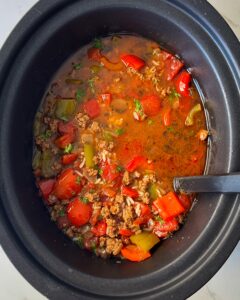
Credit: fitslowcookerqueen.com
Frequently Asked Questions
Can You Cook All Vegetables In A Slow Cooker?
Most vegetables cook well in a slow cooker, but dense ones like potatoes and carrots take longer. Leafy greens cook faster and can become mushy if overcooked. Adjust cooking times and add delicate vegetables later for best results.
How Long Does It Take To Cook Vegetables In A Slow Cooker?
Vegetables usually take 2-8 hours to cook in a slow cooker, depending on type and size. Root vegetables need longer, while softer veggies cook quickly. Use low or high settings based on your recipe and desired texture.
Should You Add Vegetables At The Beginning Or End?
Hard vegetables like carrots and potatoes should be added at the start to soften properly. Tender vegetables and leafy greens should be added near the end to avoid overcooking and maintain texture.
Can Slow Cooking Vegetables Retain Nutrients?
Slow cooking retains most nutrients, especially water-soluble vitamins, better than boiling. The low temperature and sealed environment reduce nutrient loss. Avoid overcooking to preserve flavor and health benefits.
Conclusion
Cooking vegetables in a slow cooker works well for many dishes. It saves time and lets flavors blend nicely. Just cut vegetables evenly to cook them thoroughly. Avoid overcooking to keep some crunch and color. Slow cooking brings out natural sweetness in vegetables.
Experiment with different types to find your favorite. Enjoy easy, healthy meals with minimal effort. Slow cookers make vegetable cooking simple and tasty. Give it a try and see the results yourself.


