Imagine the inviting aroma of a delicious pasta dish wafting through your kitchen. If you've ever wondered how to make your own mouth-watering fusilli pasta, you're in the right place.
Fusilli, with its delightful spiral shape, is not just visually appealing but also perfect for holding onto rich sauces and flavors. Are you ready to transform a simple ingredient into a tasty masterpiece? Stick around, because the secrets to cooking perfect fusilli pasta are easier than you think.
Whether you're a seasoned chef or a kitchen novice, this guide will have you serving up a dish that's sure to impress. Let's dive into the world of pasta perfection!
Choosing The Right Fusilli
Fusilli pasta is a popular choice for many dishes. Its spiral shape holds sauces well and adds texture.
Picking the right fusilli helps your dish taste better. Let’s look at how to choose the best one.
Types Of Fusilli Pasta
Fusilli comes in different styles. Some are tight spirals, while others are loose or flat.
- Regular Fusilli: Classic corkscrew shape, good for most sauces.
- Fusilli Lunghi: Longer spirals, great for creamy or chunky sauces.
- Fusilli Bucati: Hollow inside, holds thick sauces well.
- Whole Wheat Fusilli: Made with whole grains, has a nuttier taste.
Choose the type that fits your sauce and dish style. Spiral size affects sauce hold and cooking time.
Selecting Quality Pasta
Good fusilli pasta cooks evenly and tastes better. Look for pasta made from high-quality ingredients.
Check for these signs of quality when buying fusilli:
- Made from 100% durum wheat semolina
- Has a rough surface to hold sauce
- Uniform color without spots or cracks
- Dry pasta stored in a sealed package
Fresh pasta is softer but cooks faster. Dry pasta lasts longer and works well for many recipes.

Credit: food52.com
Preparing To Cook
Cooking fusilli pasta starts with good preparation. Getting the water ready is key to tasty pasta.
Understanding salt and oil use helps improve texture and flavor. Let’s look at these steps closely.
Boiling Water Tips
Use a large pot with plenty of water. This stops the pasta from sticking together. Bring water to a rolling boil before adding pasta.
- Fill pot with 4 to 6 quarts of water per pound of pasta.
- Use high heat to reach a full boil quickly.
- Stir pasta in the first minute to prevent clumps.
- Keep the water boiling while pasta cooks.
Salt And Oil Usage
Adding salt to the boiling water enhances the pasta’s flavor. Oil is often debated; it can stop sticking but may affect sauce cling.
| Ingredient | Purpose | Recommended Amount |
| Salt | Adds flavor to pasta | 1 to 2 tablespoons per 4 quarts of water |
| Oil | Prevents sticking (optional) | 1 teaspoon per pot (if used) |
Cooking Fusilli Pasta
Fusilli pasta is a popular twisty pasta shape. It cooks quickly and holds sauce well.
Knowing the right cooking time and stirring tips helps make perfect fusilli every time.
Cooking Time For Al Dente
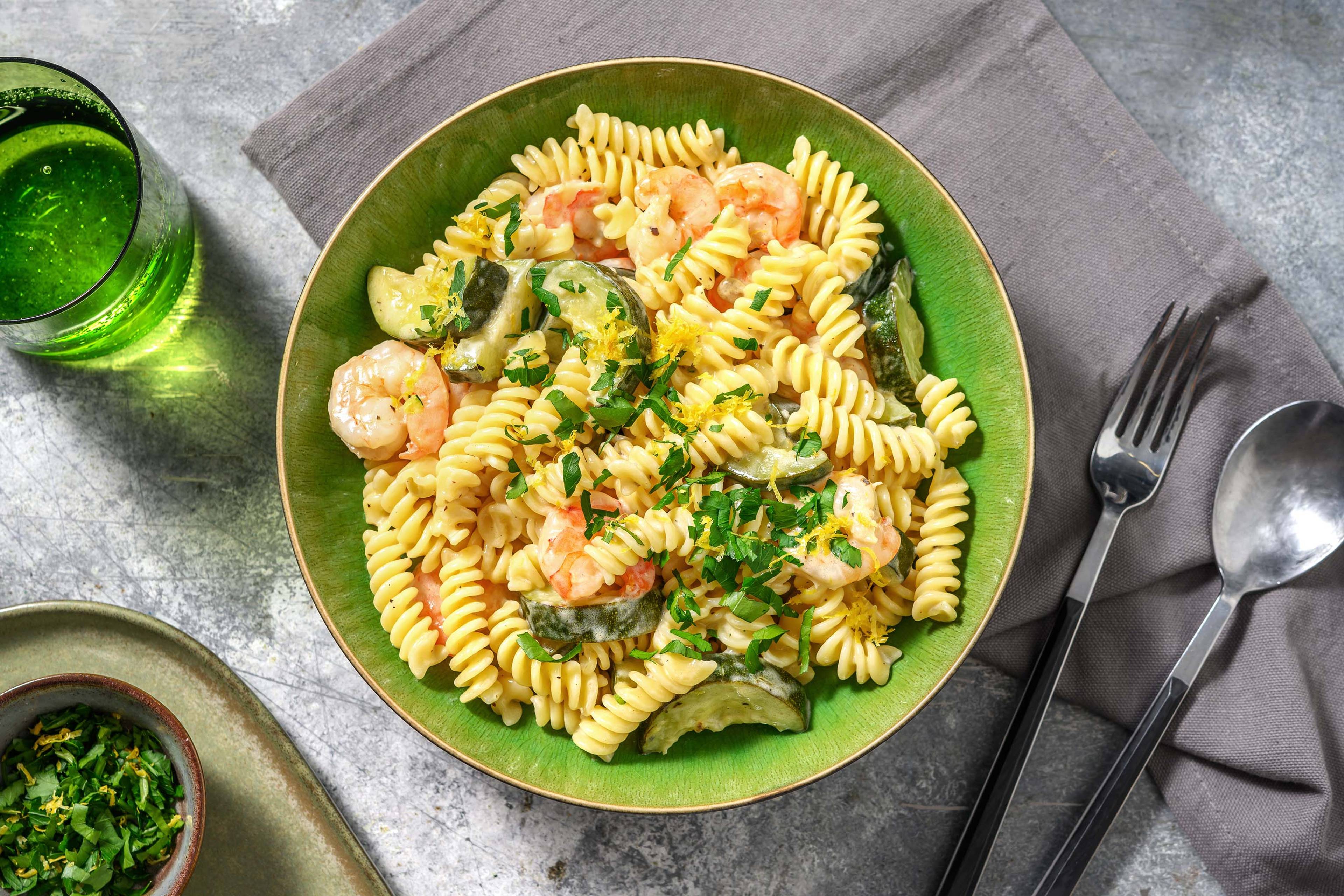
Al dente means the pasta is cooked but still firm to bite. Fusilli usually takes 8 to 12 minutes to reach this texture.
| Fusilli Type | Cooking Time (Minutes) |
| Regular Fusilli | 9-11 |
| Whole Wheat Fusilli | 10-12 |
| Gluten-Free Fusilli | 8-10 |
Stirring And Checking Pasta
Stir fusilli often to stop it from sticking. Use a large pot with plenty of water.
- Stir the pasta gently after 2 minutes of boiling
- Check the pasta texture by tasting it every minute near the end time
- Drain the pasta once it feels firm but not hard
Credit: www.hellofresh.co.uk
Draining And Cooling
After cooking fusilli pasta, draining and cooling are important steps. These steps stop the cooking process and prepare the pasta for the next use.
Proper draining removes excess water. Cooling helps keep the pasta texture just right for your dish.
Proper Draining Techniques
Use a colander to drain fusilli pasta quickly and evenly. Pour the pasta and water into the colander over the sink.
Shake the colander gently to remove extra water. Avoid letting the pasta sit in water after draining.
- Use a large colander for better drainage
- Drain pasta immediately after cooking
- Shake colander lightly to remove water
- Do not leave pasta in hot water
When To Rinse Or Not
Rinsing fusilli pasta depends on your recipe. Usually, do not rinse if serving hot pasta with sauce.
Rinse pasta only when using it in cold dishes or salads. Rinsing cools pasta and stops cooking.
- Do not rinse for hot pasta dishes
- Rinse for pasta salads or cold meals
- Rinse with cold water to cool pasta quickly
- After rinsing, drain well to avoid sogginess
Serving Fusilli Pasta
Fusilli pasta is a fun and tasty shape to serve. Its spiral form holds sauces well. Serving it right brings out the best flavors.
Good pairing and garnishes make fusilli pasta a complete meal. Let's explore how to serve it nicely.
Pairing With Sauces
Fusilli pasta works well with many sauces. Its twists catch thick and chunky sauces. Creamy, tomato, and pesto sauces all match nicely.
Try these sauce options to serve with fusilli:
- Marinara sauce with fresh tomatoes and herbs
- Alfredo sauce for a creamy touch
- Pesto sauce made from basil and pine nuts
- Bolognese sauce with ground meat and vegetables
- Cheese sauce for a rich, smooth flavor
Adding Garnishes And Extras
Garnishes add flavor and color to fusilli pasta. Fresh herbs, cheese, and nuts make dishes look and taste better.
Here are good extras to add on top:
- Grated Parmesan or Pecorino cheese
- Chopped fresh basil, parsley, or oregano
- Toasted pine nuts or walnuts for crunch
- Cracked black pepper and red pepper flakes
- Olive oil drizzle for extra richness
Tips For Perfect Results
Cooking fusilli pasta can be easy and fun. Following simple tips helps you get great taste and texture every time.
This guide covers how to avoid overcooking and how to store leftovers properly.
Avoiding Overcooking
Overcooked fusilli becomes mushy and loses its shape. To keep it firm and tasty, watch the cooking time closely.
- Use plenty of boiling water to give pasta room to cook.
- Stir the pasta occasionally to stop it from sticking.
- Check the pasta package for the recommended cooking time.
- Taste the pasta a minute before the time ends to check doneness.
- Drain the pasta right after cooking to avoid extra softening.
Storing Leftovers
Store cooked fusilli safely to keep its flavor and prevent waste. Use airtight containers and refrigerate within two hours after cooking.
| Storage Method | Details | Duration |
|---|---|---|
| Refrigeration | Place in airtight container | 3-5 days |
| Freezing | Use freezer-safe container or bag | 1-2 months |
| Reheating | Heat gently with a little water | Until warm |
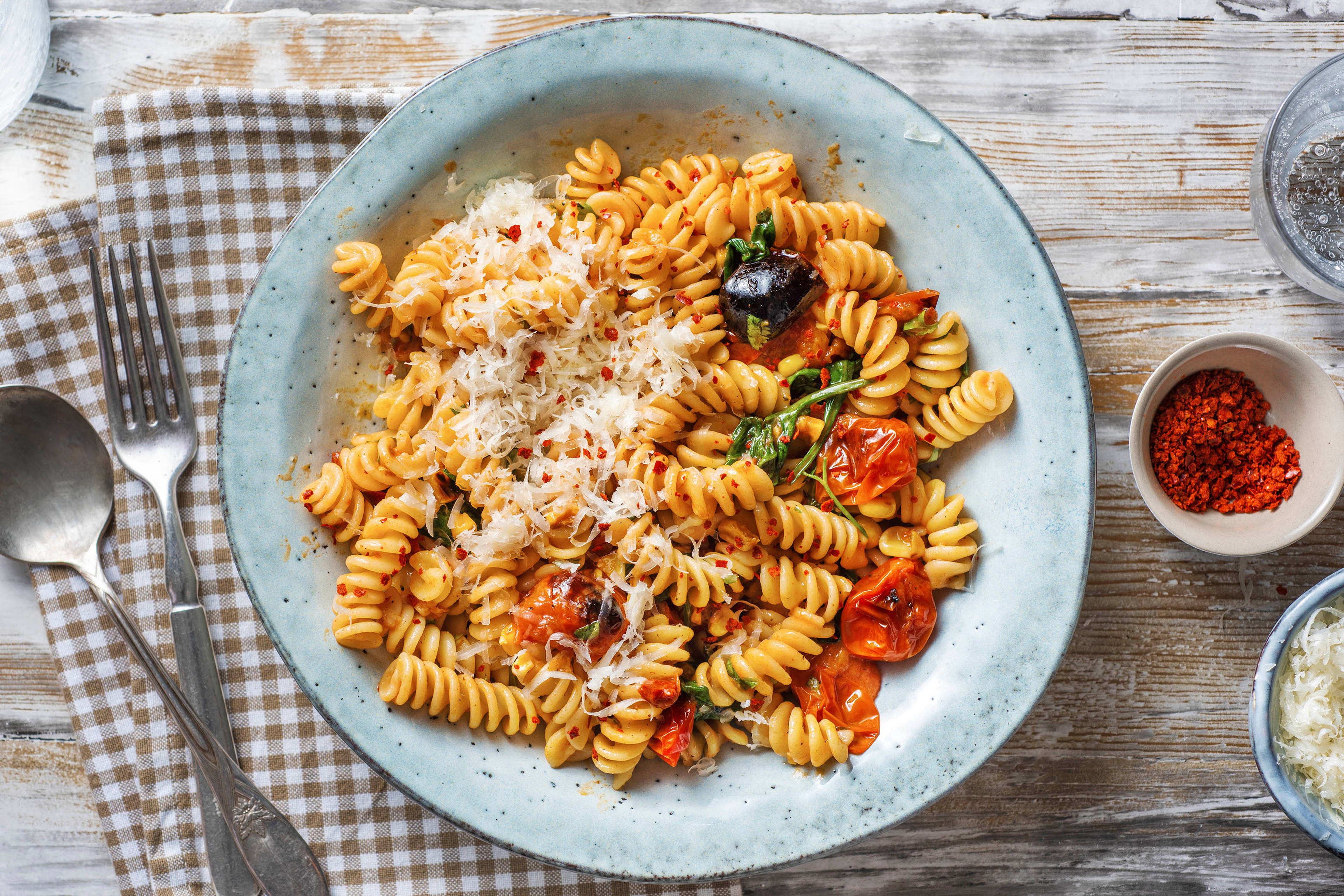
Credit: www.hellofresh.co.uk
Frequently Asked Questions
What Is The Best Water-to-pasta Ratio For Fusilli?
Use 4 to 6 quarts of water per pound of fusilli. This prevents sticking and ensures even cooking. Always add salt to the water for better flavor.
How Long Should I Boil Fusilli Pasta?
Boil fusilli for 8 to 12 minutes until al dente. Stir occasionally to avoid sticking. Check texture regularly to prevent overcooking.
Can I Cook Fusilli Pasta Without Salt?
Technically yes, but unsalted water results in bland pasta. Salt enhances the pasta’s natural flavor during cooking. Add about 1 to 2 tablespoons per 4 to 6 quarts of water.
How Do I Prevent Fusilli From Sticking Together?
Stir fusilli frequently during the first two minutes of boiling. Use ample water and avoid overcrowding the pot. Draining pasta immediately and tossing with sauce also helps.
Conclusion
Cooking fusilli pasta is simple and fun. Boil water, add salt, and cook pasta until tender. Drain it well and mix with your favorite sauce or ingredients. Serve hot for the best taste. Remember, cooking times may vary, so check often.
Enjoy your meal with friends or family. Practice makes cooking easier and more enjoyable. Now, you can prepare fusilli confidently anytime.