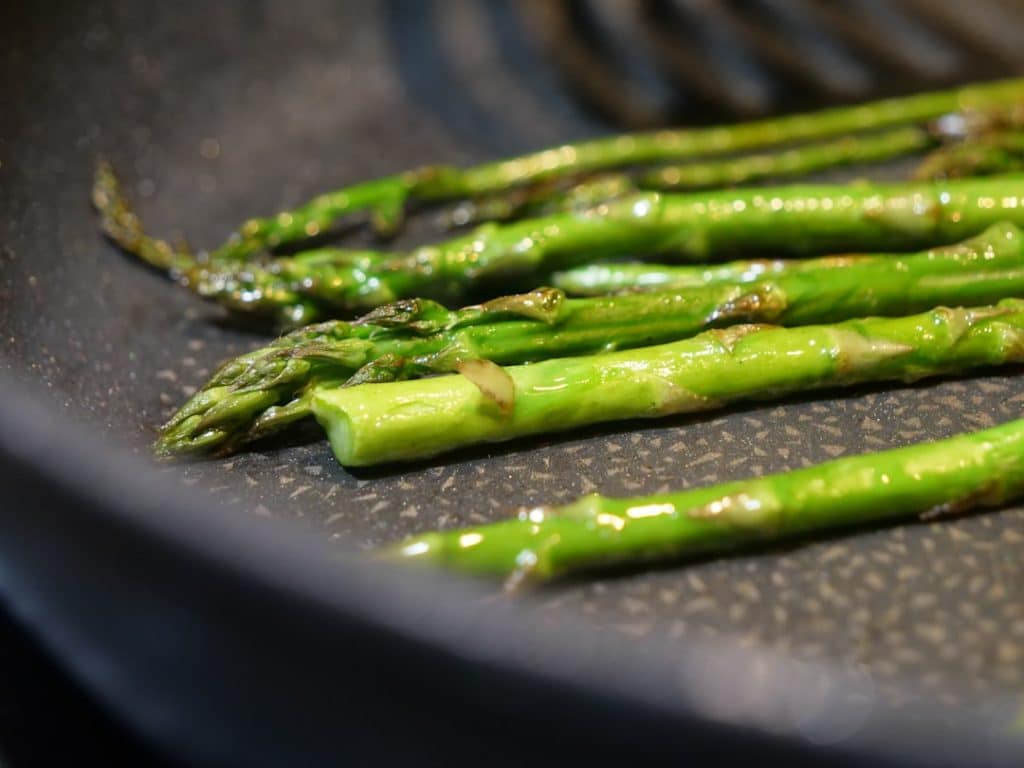
Are you ready to elevate your grilling game and add a touch of gourmet to your next barbecue? Grilled asparagus might just be the perfect answer.
This vibrant, nutritious vegetable can transform any meal from ordinary to extraordinary with its smoky, savory flavor. Imagine the satisfying crunch and the irresistible aroma wafting from your grill. Intrigued? You should be! In this blog post, you’ll discover the simple steps to master the art of grilling asparagus.
Whether you’re a seasoned grill master or a beginner, these easy tips will have you grilling like a pro in no time. So grab your tongs, fire up the grill, and get ready to impress your taste buds and your guests. Keep reading to unlock the secrets of perfectly grilled asparagus that will leave everyone asking for seconds.
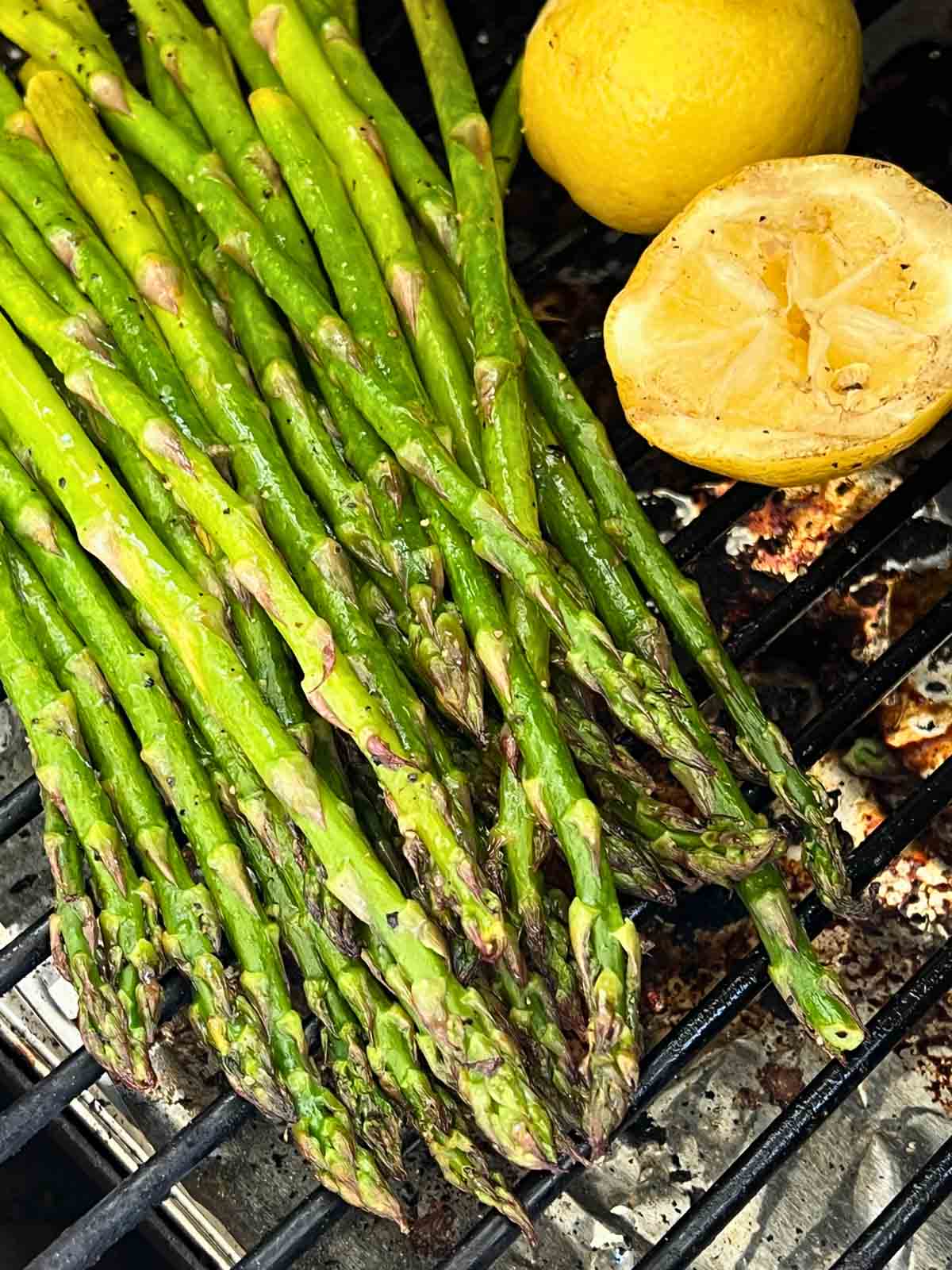
Credit: www.centercutcook.com
Choosing Fresh Asparagus
Fresh asparagus makes a big difference in taste and texture. Picking good asparagus helps you cook it perfectly on the grill.
Look for signs that show the asparagus is fresh and ready to cook. This guide will help you choose the best stalks.
Look For Firm Stalks
Firm stalks mean fresh asparagus. Soft or limp stalks show the vegetable is old or drying out.
Hold the stalk and gently squeeze it. It should feel solid and snap easily if bent.
Select Bright Green Color
Fresh asparagus has a bright green color. Dull or yellowish stalks are less fresh and may taste bitter.
- Look for a vibrant green all over the stalk
- Some purple highlights near the tips are normal
- Avoid stalks with brown or yellow spots
Check The Tips
The tips of asparagus are delicate and spoil first. Fresh tips are tight and compact.
Open or mushy tips mean the asparagus is old. Avoid these to keep your grilled dish tasty.
Preparing Asparagus For Grilling
Grilling asparagus brings out a smoky flavor and keeps it crisp. Proper preparation helps the asparagus cook evenly and taste great.
Start by getting the asparagus ready. This includes trimming, peeling if needed, and adding flavors.
Trim The Ends
Asparagus stalks have tough ends that do not cook well. Cut off about 1 to 2 inches from the bottom to remove these parts.
Hold a stalk and bend it gently. It will naturally snap where the tough part ends. Use this as a guide for the rest.
Peeling Thick Stalks
Thicker asparagus stalks can be woody inside. Peel the bottom half with a vegetable peeler to make them tender.
Peeling helps heat reach the inside and cooks the stalk evenly. Thin stalks usually do not need peeling.
Marinating Options
Marinating asparagus adds flavor and helps keep it moist on the grill. Use simple ingredients for the best taste.
- Olive oil and lemon juice
- Garlic and balsamic vinegar
- Salt, pepper, and a dash of honey
- Chili flakes and lime juice
Let the asparagus sit in the marinade for 10 to 15 minutes before grilling.
Setting Up The Grill
Grilling asparagus makes it tasty and adds a smoky flavor. Setting up your grill right helps cook it evenly. This guide covers important grill setup steps.
Good preparation avoids burning or undercooking the asparagus. Learn how to preheat, use heat zones, and try a grill basket for best results.
Preheating The Grill
Preheat your grill before cooking asparagus. Heat the grill to medium-high, about 375-400°F (190-204°C). This ensures even cooking and grill marks.
Close the lid while preheating to keep the heat steady. It usually takes 10-15 minutes to reach the right temperature.
Direct Vs Indirect Heat
Use direct heat for quick cooking and char marks. Place asparagus directly over the flames or hot coals.
Indirect heat cooks asparagus slower and reduces burning risk. Place asparagus away from direct flames and close the lid to cook gently.
- Direct heat: high temperature, fast cooking, good for thin asparagus
- Indirect heat: lower temperature, slower cooking, better for thick asparagus
Using A Grill Basket
A grill basket holds asparagus and prevents it from falling through the grates. It also helps turn the asparagus easily.
Choose a basket with small holes for good heat flow. Lightly oil the basket to stop sticking and cook the asparagus evenly.
Grilling Techniques
Grilling asparagus brings out its natural flavor. It adds a smoky taste and crisp texture. Using the right techniques helps you cook asparagus evenly and perfectly.
Understanding grill time, turning methods, and how to avoid overcooking will improve your results. These tips make grilling asparagus simple and enjoyable.
Grill Time And Temperature
Set the grill to medium-high heat, about 400°F (204°C). This temperature cooks asparagus quickly without burning it.
Grill asparagus for 6 to 10 minutes. Thinner spears need less time, thicker ones need more. Keep the grill lid closed to keep heat steady.
- Preheat grill to medium-high (around 400°F)
- Cook asparagus for 6 to 10 minutes
- Adjust time based on spear thickness
- Keep grill lid closed during cooking
Turning And Monitoring
Turn asparagus every 2 to 3 minutes. This helps cook all sides evenly and prevents burning. Use tongs to gently turn the spears.
Watch for grill marks and softness. The asparagus should be tender but still firm. Check often to stop cooking at the right time.
- Turn asparagus every 2 to 3 minutes
- Use tongs to avoid breaking spears
- Look for grill marks on all sides
- Test tenderness with a fork or finger
Avoiding Overcooking
Overcooked asparagus becomes mushy and loses flavor. Remove spears from the grill as soon as they are tender and bright green.
Let asparagus rest for a few minutes after grilling. This stops cooking and keeps the texture perfect. Serve immediately for best taste.
- Remove asparagus when tender but firm
- Watch for bright green color
- Rest spears for 3 to 5 minutes off heat
- Serve right after resting
Enhancing Flavor
Grilling asparagus brings out its natural sweetness. You can make it taste even better with simple additions.
Try different seasonings, citrus, herbs, or flavored oils to add extra layers of flavor.
Seasoning Ideas
Seasoning grilled asparagus is easy and fun. Use these ideas to create tasty results.
- Sprinkle salt and black pepper for classic flavor
- Add garlic powder or onion powder for a savory touch
- Use smoked paprika to give a mild smoky taste
- Try red pepper flakes for a bit of heat
- Mix in Parmesan cheese after grilling for richness
Adding Citrus Or Herbs
Citrus and fresh herbs brighten grilled asparagus. They add fresh, zesty notes that balance the charred flavor.
| Citrus | Effect |
| Lemon Juice | Adds tangy brightness |
| Lime Zest | Gives a fresh, sharp aroma |
| Orange Slices | Offers sweet and citrusy hints |
| Fresh Herbs | Enhance aroma and taste |
| Parsley | Fresh and slightly peppery |
| Thyme | Earthy and lemony notes |
| Basil | Sweet and aromatic flavor |
Using Flavored Oils
Flavored oils add richness and depth to grilled asparagus. They also help the seasonings stick better.
Try these flavored oils before grilling:
- Garlic-infused olive oil
- Chili oil for a spicy kick
- Herb-infused oils like rosemary or basil
- Truffle oil for a luxurious touch
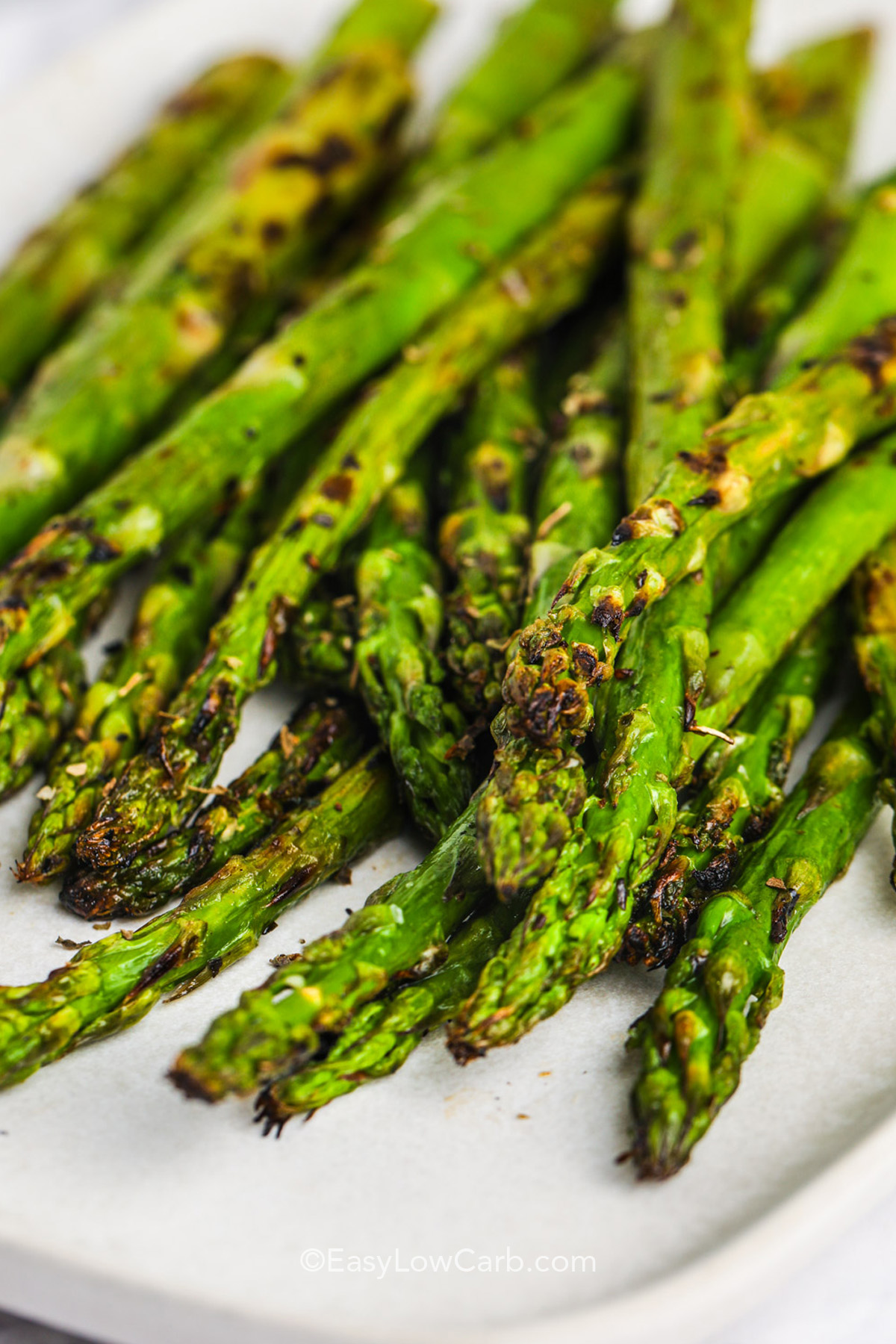
Credit: easylowcarb.com
Serving Suggestions
Grilled asparagus is a tasty side dish that fits many meals. It adds a fresh, smoky flavor to your plate.
Knowing how to serve asparagus can make your meal more enjoyable. Try these ideas to impress your guests.
Pairing With Main Dishes
Grilled asparagus pairs well with many main dishes. It balances rich and savory flavors nicely.
- Steak or grilled beef adds hearty taste
- Grilled chicken keeps the meal light and healthy
- Fish like salmon or trout matches asparagus’ freshness
- Pasta dishes with creamy sauces complement the smoky flavor
- Vegetarian meals with grains or tofu benefit from the crisp texture
Presentation Tips
Good presentation makes grilled asparagus more appealing. Simple touches can highlight its color and shape.
- Arrange spears in a neat bundle on the plate
- Drizzle olive oil or lemon juice on top
- Sprinkle with toasted nuts or grated cheese
- Add fresh herbs like parsley or basil for color
- Serve on a contrasting plate to make asparagus stand out
Storing Leftovers
Keep leftover grilled asparagus fresh by storing it properly. This helps maintain its flavor and texture.
Cool the asparagus to room temperature before placing it in the fridge. Use an airtight container to avoid drying out.
- Store in the refrigerator for up to 3 days
- Reheat gently in the oven or microwave
- Avoid overcooking when reheating to keep crispness
- Use leftover asparagus in salads or omelets for variety
Credit: www.reluctantgourmet.com
Frequently Asked Questions
How Long Should Asparagus Be Grilled?
Grill asparagus for 6 to 10 minutes over medium heat. Turn frequently for even cooking and char marks.
Should Asparagus Be Soaked Before Grilling?
Soaking asparagus is optional. Rinsing removes dirt, but soaking isn’t necessary before grilling.
What Seasoning Works Best For Grilled Asparagus?
Use olive oil, salt, and pepper. Add garlic or lemon zest for extra flavor.
Can I Grill Asparagus Without A Grill Basket?
Yes, place asparagus perpendicular to grill grates or use skewers to prevent slipping.
Conclusion
Grilling asparagus brings out its fresh, natural flavor. It cooks quickly, making it a great side dish. Simply season, place on the grill, and watch it turn tender. The slight char adds a smoky taste everyone loves. Perfect for summer barbecues or simple dinners.
Try different seasonings to find your favorite. Enjoy this healthy and tasty vegetable anytime. Grilled asparagus is easy and rewarding to prepare. Give it a try, and enjoy the delicious results.