Can I bake sourdough without cold proofing? If you’re eager to make sourdough bread but find the cold proofing process too time-consuming or complex, you’re not alone.
Many home bakers wonder if they can still achieve that perfect sourdough loaf without the lengthy chill in the fridge. Imagine pulling a crusty, tangy sourdough loaf from the oven, its aroma filling your kitchen — without the wait.
Stick around to discover time-saving tips and tricks that might just revolutionize your baking routine.

Credit: www.reddit.com
Role Of Cold Proofing
Cold proofing is a key step in making sourdough bread. It means letting the dough rest in a cool place. This slows down yeast activity and helps the dough develop better.
Some bakers skip cold proofing to save time. But cold proofing changes the dough in important ways. This affects the bread’s taste and feel.
How Cold Proofing Affects Dough
During cold proofing, the dough ferments slowly. This helps the gluten relax and the dough rise evenly. The slower rise also creates more gas bubbles inside.
- Slower yeast activity makes the dough easier to shape.
- Gluten strands become stronger but more flexible.
- The dough gains a better structure for baking.
- Fermentation byproducts improve the dough’s quality.
Flavor And Texture Benefits
Cold proofing gives sourdough a rich flavor. The long, slow fermentation lets acids and alcohols form. These add depth and tang to the bread.
| Benefit | Effect on Bread |
| Flavor Development | More complex and tangy taste |
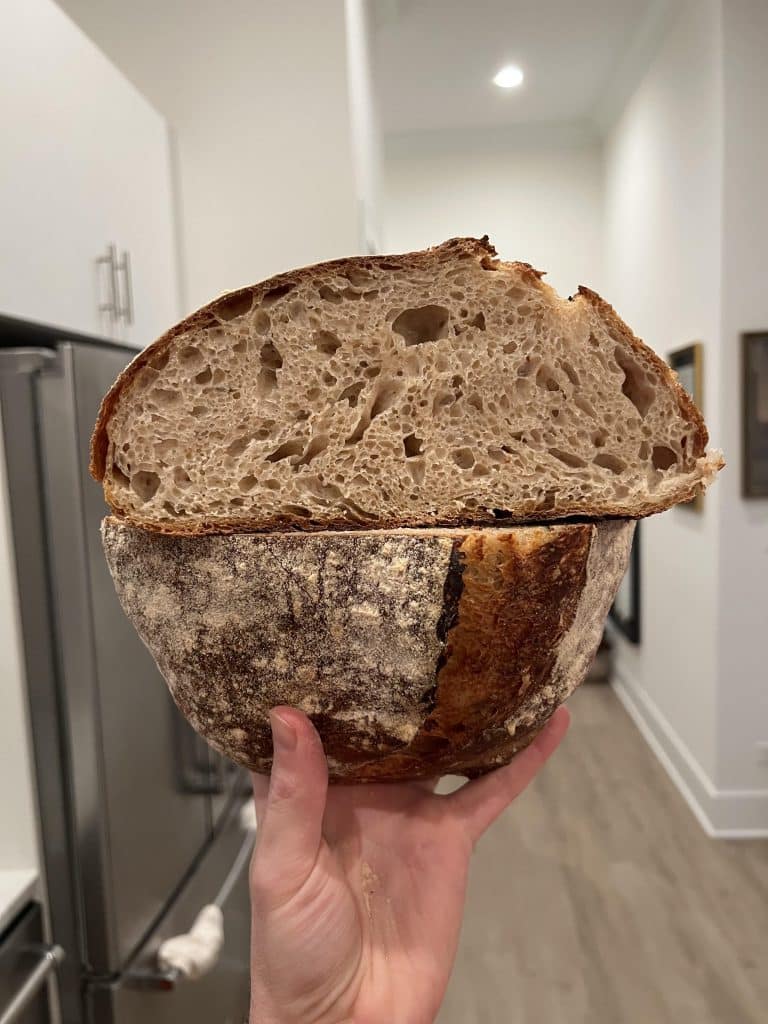
| Crumb Texture | Open, airy, and soft inside |
| Crust Quality | Thicker and crunchier crust |
| Keeping Fresh | Bread stays moist longer |

Credit: www.reddit.com
Skipping Cold Proofing
Cold proofing is a common step in sourdough baking. It slows fermentation by chilling the dough. Some bakers skip this step and bake immediately. This can save time but changes the dough behavior.
Baking sourdough without cold proofing means the dough is fresh and warm. The yeast and bacteria keep working fast. This affects the bread’s texture and flavor.
Immediate Baking Effects
Baking sourdough right after shaping creates bread with a different crumb. The dough does not relax as much. The crust can form faster in the oven.
The bread might rise more quickly in the oven but may not develop deep flavor. The texture can be tighter and less airy than with cold proofing.
- Faster baking process
- Tighter crumb structure
- Less sour flavor
- Crust may brown faster
Risks And Challenges
Skipping cold proofing can cause uneven rise and dense bread. The dough may be too active and hard to shape. It risks collapsing in the oven.
The flavors may not fully develop. The bread could taste bland compared to cold-proofed dough. Controlling the dough temperature is also harder.
- Risk of dense or gummy crumb
- Less complex sour flavor
- Harder dough shaping
- Possible oven spring collapse
Alternative Methods
Baking sourdough without cold proofing is possible by using other fermentation methods.
These methods help develop flavor and texture without refrigeration.
Room Temperature Fermentation
Room temperature fermentation lets the dough rise at normal indoor temperatures. It usually takes longer than warm proofing but works well without cold proofing.
- Keep dough covered in a bowl to avoid drying.
- Let it rise for 4 to 8 hours depending on room temperature.
- Check dough regularly for signs of rising and bubbles.
- Use a warm spot inside your home, away from drafts.
Using Warm Proofing Techniques
Warm proofing speeds up fermentation by placing dough in a warmer environment. This method is helpful if you want to skip cold proofing and bake sooner.
| Method | Temperature Range | Approximate Time |
| Warm Water Bath | 80-90°F (27-32°C) | 2-4 hours |
| Proofing Box | 75-85°F (24-29°C) | 3-5 hours |
| Oven with Light On | 70-80°F (21-27°C) | 4-6 hours |
Adjusting Your Recipe
Baking sourdough without cold proofing means changing how your dough ferments. You will need to adjust your recipe to get good results.
These changes focus on timing and the amounts of water and flour you use. This helps control dough rise and texture without the chill step.
Timing Changes
Without cold proofing, the dough will ferment faster at room temperature. You must watch the dough closely to avoid overproofing.
- Shorten the bulk fermentation time by 25-50%.
- Check dough rise every 30 minutes after the first hour.
- Look for dough that is puffy and springs back slowly.
- Do not wait for the dough to double in size fully.
- Use a timer and notes to track changes.
Hydration And Flour Adjustments
Adjusting water and flour helps keep dough manageable without the cool step. You may need to reduce water or change flour types.
| Adjustment | Effect | Recommendation |
| Reduce hydration by 5-10% | Dough is less sticky and easier to shape | Use slightly less water than usual |
| Use higher protein flour | Stronger gluten gives better structure | Try bread flour or a mix with whole wheat |
| Add a bit more flour at shaping | Prevents dough from spreading too much | Lightly dust work surface and hands |
Expert Tips For Success
Baking sourdough without cold proofing can save time. It needs careful attention to dough and baking steps. These tips help you get good results.
Watch your dough closely and use smart baking tricks. This guide shows how to do both well.
Monitoring Dough Development
Without cold proofing, dough can rise faster. Check it often to avoid overproofing. Look for these signs:
- Dough should feel soft and slightly springy
- It should increase in size by about 50% to 75%
- Look for bubbles on the surface and inside
- Perform the finger poke test: dough should bounce back slowly
Timing varies by temperature and flour. Keep notes to improve your timing next bake.
Scoring And Baking Tips
Scoring helps control how the bread expands in the oven. Use a sharp blade to make quick, confident cuts.
- Score just before baking to keep dough from drying out
- Make deep cuts for larger ear formations
- Use steam in the oven to create a crispy crust
- Bake at a high temperature, around 450°F (230°C), for best rise
Remove steam after 15 minutes to brown the crust well. Let bread cool fully before slicing.

Credit: www.reddit.com
Troubleshooting Common Issues
Baking sourdough without cold proofing can cause some challenges. Knowing how to fix common problems helps improve your bread.
This guide covers solutions for dense crumb and poor oven spring. These issues often happen when skipping cold proofing.
Dense Crumb Solutions
A dense crumb means your bread is too tight and heavy inside. This can happen if the dough is not fermented enough or is too dry.
- Make sure the dough is fully risen before baking.
- Use enough water to keep the dough hydrated.
- Do not over-knead; this can make the dough tough.
- Allow proper gluten development by folding the dough during bulk fermentation.
- Use active sourdough starter to help good fermentation.
Poor Oven Spring Fixes
Poor oven spring means the bread does not rise well in the oven. This leads to a flat, dense loaf.
| Cause | Fix |
| Dough too cold | Let dough warm up to room temperature before baking |
| Underproofed dough | Give dough more time to rise before baking |
| Oven not hot enough | Preheat oven to at least 230°C (450°F) |
| No steam in oven | Add water to a hot tray or use a steam pan |
| Scoring not deep enough | Score dough with a sharp blade for better expansion |
Frequently Asked Questions
Can I Bake Sourdough Without Cold Proofing?
Yes, you can bake sourdough without cold proofing. However, the flavor and texture might be less complex. Cold proofing slows fermentation, enhancing taste and crust. Baking immediately results in a milder flavor and softer crumb. It’s suitable for quicker baking schedules.
What Happens If I Skip Sourdough Cold Proofing?
Skipping cold proofing shortens fermentation time. Your bread may have less sourness and a lighter crust. The dough might be harder to handle and shape. The crumb structure could be denser. Cold proofing improves flavor depth and overall texture.
How Long Can Sourdough Proof At Room Temperature?
Room temperature proofing typically takes 3 to 6 hours. Exact time depends on dough strength and ambient temperature. Warmer rooms speed up fermentation, cooler rooms slow it down. Overproofing at room temperature can collapse dough structure. Monitoring dough rise is essential.
Does Cold Proofing Improve Sourdough Flavor?
Yes, cold proofing enhances sourdough flavor significantly. It allows slow fermentation, developing complex acids and aromas. The longer, slower process produces tangier and more nuanced bread. Cold proofing also improves crust crispness and crumb texture. It’s key for traditional sourdough taste.
Conclusion
Baking sourdough without cold proofing is possible and can save time. The bread may taste different and have a softer crust. You might miss some depth in flavor that cold proofing gives. Still, many enjoy fresh, warm sourdough right away.
Experimenting helps find what suits your taste best. Remember, practice makes better bread. Keep trying and enjoy the process. Sourdough baking is flexible and fun.