Can You Bake Sourdough Without Cold Proofing? Are you curious about making sourdough bread but hesitant about the long wait for cold proofing? If you've ever been eager to enjoy fresh sourdough without the patience-testing chill of an overnight fridge rest, you're not alone.
The good news is you can bake sourdough without cold proofing. Imagine the delightful aroma filling your kitchen sooner than you thought possible. We'll explore a method that skips the cold proofing step, saving you time while still delivering that irresistible tangy flavor and perfect crust.
Ready to discover a quicker way to enjoy your homemade sourdough? Let's dive in and find out how you can simplify your sourdough baking process without sacrificing quality.

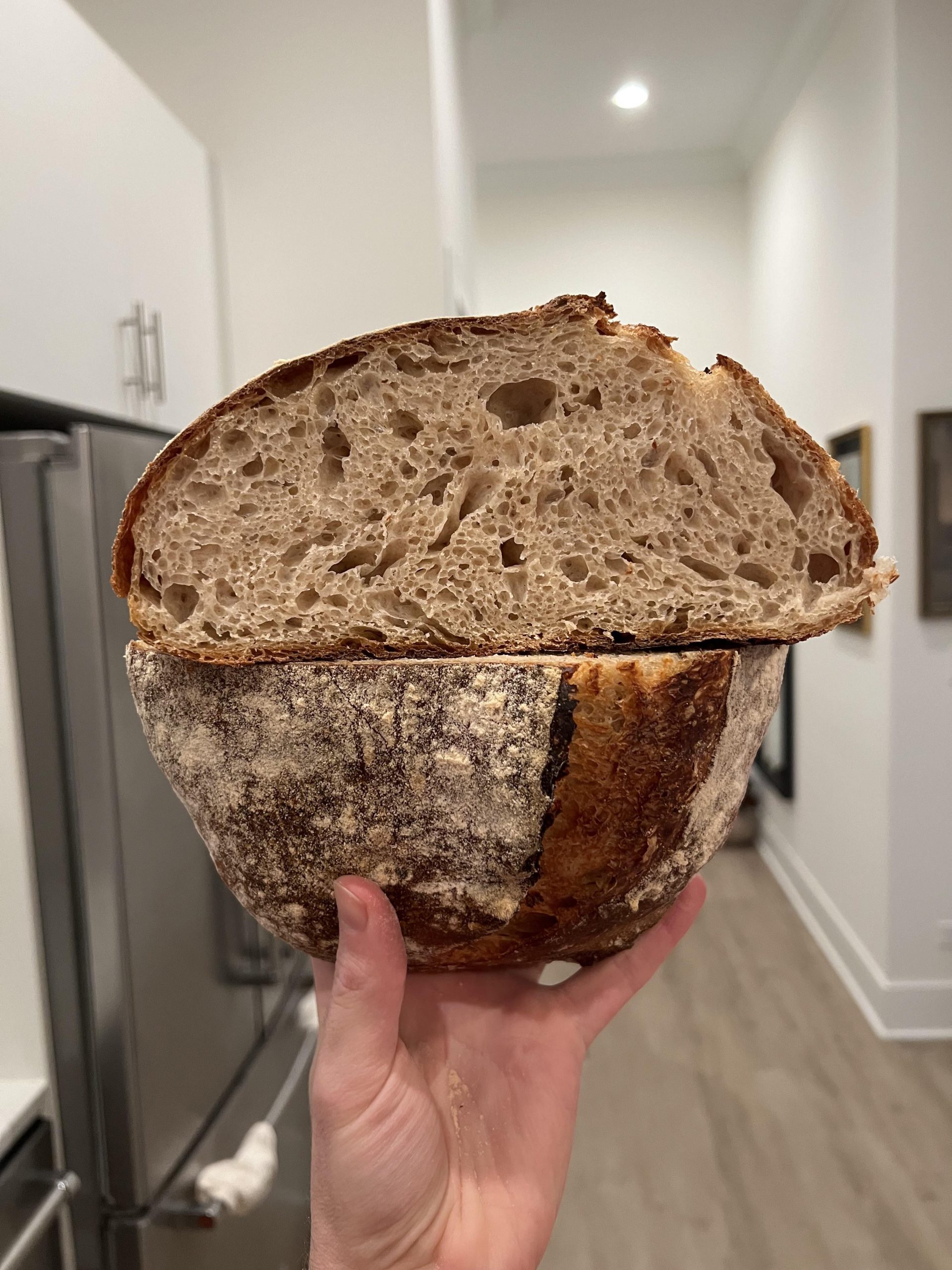
Credit: www.reddit.com
Role Of Cold Proofing
Cold proofing is a stage in making sourdough bread. It means letting the dough rest in a cool place for several hours or overnight.
This step slows down yeast activity and helps develop better flavor and texture in the bread.
Impact On Flavor And Texture
Cold proofing changes how sourdough tastes. It gives the bread a deeper, tangy flavor that many people like.
The texture also improves. The dough becomes easier to shape and the bread has a chewy crumb with a crispy crust.
- Slower fermentation creates more complex flavors
- Improved gluten structure for better chewiness
- Crust gets crispier after baking
How Cold Proofing Works
Cold proofing works by slowing down yeast and bacteria in the dough. This gives them more time to create acids and gases.
The slow rise in the fridge helps build strength in the dough. It also helps keep the dough moist and easy to handle.
- Dough is placed in a covered bowl or container
- It rests in the refrigerator at about 4°C (39°F)
- Rest time ranges from 8 to 24 hours
- Long rest allows flavors to develop fully
Alternatives To Cold Proofing
Cold proofing is common in sourdough baking. It slows fermentation and develops flavor. Some bakers want to skip this step.
There are other ways to ferment dough without cold proofing. These methods keep dough at different temperatures. They change fermentation speed and taste.
Room Temperature Fermentation
Room temperature fermentation lets dough rise at about 68–75°F (20–24°C). This is warmer than a fridge and makes yeast work faster.
- Shorter rise time than cold proofing
- More active fermentation with bubbles
- Less sour flavor development
- Good for quick baking schedules
Keep dough covered to stop drying out. Watch it closely to avoid over-proofing. Adjust time based on your kitchen’s temperature.
Warm Proofing Techniques
Warm proofing uses temperatures between 80–90°F (27–32°C). It speeds up fermentation a lot. This method suits bakers who want fast results.
| Warm Proofing Method | Temperature Range | Benefits | Considerations |
|---|---|---|---|
| Proofing Box | 85°F (29°C) | Consistent heat, good for steady fermentation | Needs special equipment |
| Oven with Light On | 80–90°F (27–32°C) | Easy setup, uses existing appliances | Check temperature often to avoid overheating |
| Heating Pad | 80–85°F (27–29°C) | Portable and adjustable heat source | Use low setting to prevent drying dough |
Warm proofing is fast but can reduce flavor depth. Watch dough closely and test baking times. This method needs care for good texture and rise.
Adjusting Your Recipe
Baking sourdough without cold proofing needs recipe changes.
Adjusting hydration and yeast helps control dough rise and texture.
Changing Hydration Levels
Lower water in dough for faster fermentation without cold proofing.
- Use less water to make dough firmer and easier to shape.
- Firm dough slows fermentation, helping control rise time.
- Watch dough feel; it should be tacky but not sticky.
- Adjust water slowly, about 5% less than usual.
Modifying Yeast Or Starter Amounts
Reduce yeast or starter to slow fermentation without cold proofing.
| Ingredient | Standard Amount | Adjusted Amount |
| Sourdough Starter | 20% of flour weight | 10%-15% of flour weight |
| Instant Yeast (if used) | 0.5% of flour weight | 0.2%-0.3% of flour weight |

Credit: www.reddit.com
Baking Without Cold Proofing
Baking sourdough without cold proofing means skipping the slow, cold fermentation step. This can save time but changes how the dough behaves.
Cold proofing helps develop flavor and texture. Without it, you need to adjust your process to get good results.
Step-by-step Process
Start by mixing your sourdough ingredients as usual. Use room temperature water and flour for the dough.
Let the dough rise at room temperature until it doubles in size. This usually takes 3 to 5 hours depending on your kitchen.
- Mix flour, water, starter, and salt
- Perform stretch and folds every 30 minutes for 2 hours
- Let dough rise until doubled, about 3-5 hours
- Shape the dough gently before baking
- Bake in a preheated oven with steam
Common Challenges And Fixes
Dough may rise too fast and lose strength without cold proofing. This can make bread flat or dense.
Fix this by shortening the first rise time. Watch the dough closely and bake as soon as it doubles.
- If dough is sticky, add a little more flour when shaping
- For weak dough, use a stronger starter or higher protein flour
- Use a Dutch oven or pan with water for steam to improve crust
- Keep dough covered to stop a dry skin from forming
Expert Tips For Success
Baking sourdough without cold proofing is possible with the right approach. It needs care and attention to get good results.
This guide shares expert tips to help you bake tasty sourdough bread without using the cold proof step.
Timing And Patience
Skipping cold proof means your dough will rise faster at room temperature. Watch the timing closely to avoid overproofing.
Patience is key. Let the dough rise enough to develop flavor and texture, but do not rush the process.
- Check dough rise every 30 minutes after the first hour.
- Look for the dough to almost double in size.
- Use gentle touch tests to decide readiness.
Monitoring Dough Development
Watch the dough’s texture and feel. It should be soft, elastic, and slightly sticky before baking.
Use the finger poke test to check if the dough is ready. The dough should slowly spring back after poking.
- Look for small air bubbles in the dough surface.
- Note that dough that springs back too fast needs more time.
- If it doesn’t spring back, it may be overproofed.

Credit: www.reddit.com
Frequently Asked Questions
Can You Skip Cold Proofing In Sourdough Baking?
Yes, you can skip cold proofing, but the flavor and texture may be less developed. Cold proofing slows fermentation, enhancing taste and crust. Baking immediately after bulk fermentation leads to a milder sourdough with a softer crust.
How Does Cold Proofing Affect Sourdough Flavor?
Cold proofing enhances sourdough's tangy flavor by allowing slow fermentation. It develops complex acids and aroma, improving taste. Without it, the bread tastes milder and less complex but still enjoyable.
What Happens If Sourdough Is Not Cold Proofed?
If not cold proofed, sourdough ferments faster, resulting in less flavor depth. The crumb may be denser, and the crust softer. It still bakes well but lacks the distinctive sourdough characteristics.
Can Sourdough Rise Without Cold Proofing?
Yes, sourdough can rise at room temperature without cold proofing. However, the rise is faster and less controlled. Cold proofing slows fermentation, improving dough strength and final loaf quality.
Conclusion
Baking sourdough without cold proofing is possible and can save time. The bread might taste different and have a lighter texture. Warm proofing helps the dough rise faster but may reduce flavor depth. Experiment with both methods to find what you like best.
Remember, baking is about practice and patience. Enjoy the process and the tasty results.