How to Clean Plastic Cutting Board? Your plastic cutting board is one of the busiest tools in your kitchen. But have you ever stopped to think about how clean it really is? Proper cleaning ensures it stays hygienic and safe for all your meals.
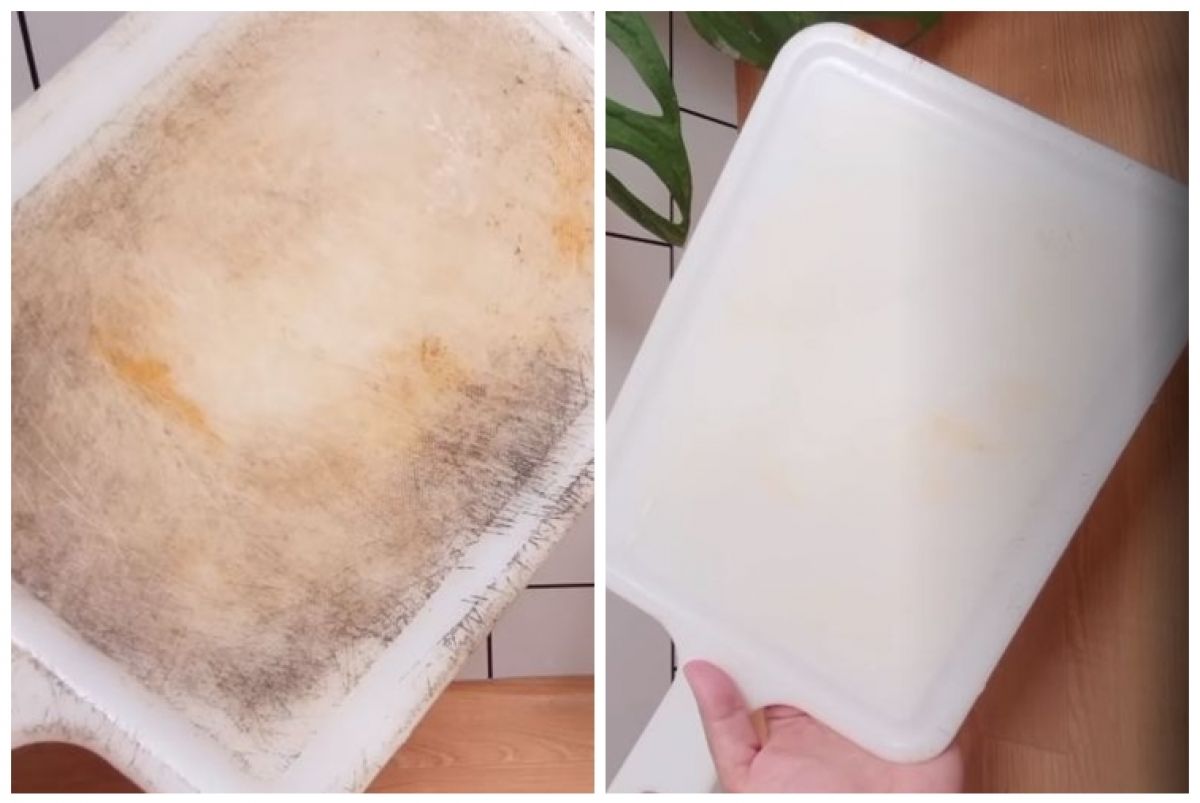
If not cleaned properly, it can harbor harmful bacteria that put your health at risk. You need simple, effective ways to keep it spotless and safe. You’ll discover easy steps to clean your plastic cutting board thoroughly. By the end, you’ll feel confident that your cutting board is as fresh and hygienic as it should be every time you use it.
Keep reading to learn how to protect yourself and your family with just a few simple actions.
Credit: en.brilio.net
Choosing The Right Cleaning Tools
Cleaning a plastic cutting board well keeps it safe and fresh. Picking the right tools makes cleaning easier and better.
Using the wrong tools can damage the board or leave bacteria behind. Choose brushes and cleaning agents carefully.
Best Brushes And Sponges
Use brushes with stiff but gentle bristles. They help scrub away food without scratching the plastic.
Sponges with a soft side and a scrubbing side work well. Avoid rough scrubbers that can harm the board’s surface.
- Soft-bristle nylon brushes clean grooves well
- Non-abrasive sponges prevent surface damage
- Scrubbers with gentle texture remove stains
- Avoid metal or hard-bristle brushes
Safe Cleaning Agents
Mild dish soap is safe and effective for daily cleaning. It removes grease and food residue without harsh chemicals.
White vinegar can disinfect and remove odors. Use it diluted with water to protect the plastic.
- Mild dish soap for regular cleaning
- Diluted white vinegar for disinfecting
- Baking soda paste for tough stains
- Avoid bleach or strong chemicals that degrade plastic

Credit: www.youtube.com
Daily Cleaning Routine
Cleaning your plastic cutting board daily helps keep it safe and hygienic. Regular care stops bacteria from growing.
Using simple steps makes cleaning quick and effective. You only need a few tools to keep your board fresh.
Quick Wash Steps
Start by rinsing the board under warm water to remove loose food bits. This helps clear the surface before washing.
Use dish soap and a scrub brush or sponge to clean the board well. Scrub both sides and the edges thoroughly.
- Rinse the board with warm water
- Apply dish soap on a scrub brush or sponge
- Scrub all surfaces of the board
- Rinse off soap completely
- Inspect for any stuck food and clean again if needed
Drying Tips To Prevent Bacteria
Dry your cutting board right after washing. Leaving it wet can cause bacteria to grow faster.
Stand the board upright or use a drying rack. This lets air flow around it and helps it dry quickly.
- Use a clean towel to wipe off excess water
- Place the board standing up to air dry
- Store in a dry, well-ventilated place
- Avoid stacking wet boards on top of each other
Deep Cleaning Methods
Plastic cutting boards can hold bacteria in scratches and grooves. Deep cleaning helps remove germs and stains. It keeps your kitchen safe and fresh.
There are several ways to clean plastic cutting boards deeply. Some use natural ingredients. Others use stronger disinfectants or machines.
Using Vinegar And Baking Soda
Vinegar and baking soda are natural cleaners. Vinegar kills bacteria, and baking soda removes stains and odors. Together, they clean plastic boards well.
To clean, sprinkle baking soda on the board. Spray or pour vinegar over it. Let it fizz for a few minutes. Scrub with a brush, then rinse with water.
- Sprinkle baking soda evenly on the board
- Pour or spray white vinegar over baking soda
- Wait 5 minutes for the mixture to fizz
- Scrub the board with a soft brush
- Rinse thoroughly with warm water
Bleach Solution For Disinfection
Bleach kills most germs on plastic boards. It disinfects deeply and removes stains. Use a diluted bleach solution to avoid damage.
Mix one tablespoon of bleach with one gallon of water. Soak the board in this solution for a few minutes. Rinse well with clean water before use.
- Mix 1 tablespoon bleach with 1 gallon water
- Soak the cutting board for 2 to 5 minutes
- Remove and rinse with plenty of water
- Air dry the board completely before storing
Dishwasher Cleaning
Many plastic cutting boards are dishwasher safe. The dishwasher uses hot water and soap to clean deeply. It also dries the board well.
Place the board on the top rack of the dishwasher. Use a full cycle with hot water. Make sure the board is fully dry before using it again.
- Check if your board is dishwasher safe
- Place the board on the top rack
- Run a full hot water cycle
- Allow the board to dry completely
Removing Stains And Odors
Plastic cutting boards can get stained and hold smells from food. Cleaning them well helps keep them fresh and safe to use.
Simple household ingredients can remove stains and odors without harsh chemicals. Try these easy ways to clean your board.
Lemon Juice For Freshness
Lemon juice is natural and has a fresh scent. It helps remove stains and kills bacteria on plastic boards.
Rub lemon juice on the board and let it sit for a few minutes. Then rinse with warm water and dry well.
- Cut a lemon in half
- Rub juice over the stained areas
- Let it sit for 5 to 10 minutes
- Rinse the board with warm water
- Dry the board completely
Salt Scrub Technique
Salt is rough and can scrub away stains and odors. Use coarse salt to clean your cutting board effectively.
Sprinkle salt on the board and scrub with a lemon or sponge. Rinse and dry to remove dirt and smells.
- Spread a layer of coarse salt on the board
- Use a lemon half or sponge to scrub the surface
- Focus on stained or smelly spots
- Rinse the board well with warm water
- Wipe and dry the board completely
Preventing Damage And Wear
Plastic cutting boards are useful but can get damaged with use. Taking care of them extends their life.
Simple habits help avoid deep cuts and wear that make boards unsafe and hard to clean.
Avoiding Knife Marks
Knife marks trap food and germs. Prevent marks by using the right cutting techniques and tools.
- Use sharp knives to cut smoothly and reduce pressure.
- Cut at a slight angle to avoid pressing straight down.
- Choose softer knives for plastic boards if possible.
- Use different boards for heavy chopping and light slicing.
- Rotate the board often to spread wear evenly.
Replacing Your Cutting Board
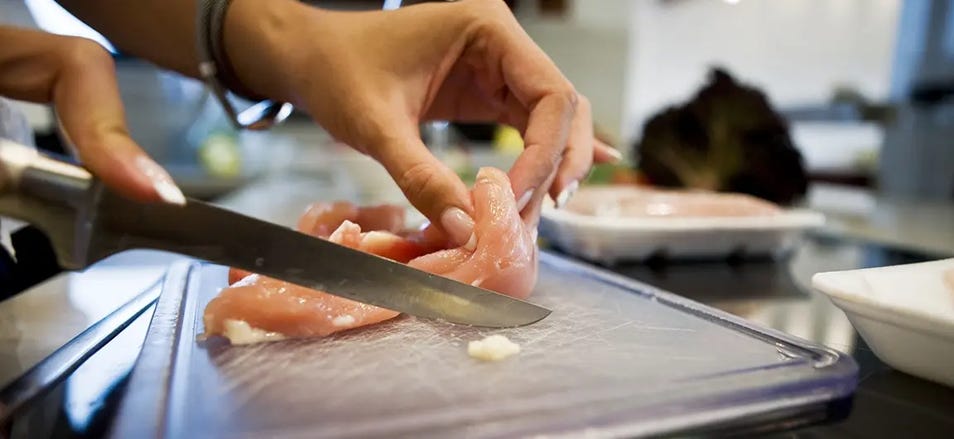
Plastic cutting boards need replacement when worn or damaged. This keeps food safe and the board functional.
| Signs to Replace | Reason |
| Deep knife grooves | Harbor bacteria and hard to clean |
| Warping or cracks | Can break or cause injuries |
| Persistent stains or odors | Show build-up of germs |
| Surface becomes rough | Damages knives and food texture |
Credit: www.lysol.com
Maintaining A Germ-free Kitchen
Keeping your kitchen clean helps stop germs from spreading. Plastic cutting boards need special care.
Using the right methods keeps your boards safe and your food healthy.
Separate Boards For Different Foods
Use different boards for meat, vegetables, and fruits. This stops germs from mixing.
- Use a red board for raw meat.
- Use a green board for vegetables.
- Use a yellow board for cooked food.
- Wash boards after every use.
Regular Inspection For Cracks
Check your plastic boards often. Cracks can hide germs and make cleaning hard.
| Issue | Effect | Action |
|---|---|---|
| Small cracks | Harbor bacteria | Replace board soon |
| Deep cuts | Hard to clean properly | Discard and get new board |
| Warping | Unstable surface | Stop using and replace |
Frequently Asked Questions
How Often Should I Clean A Plastic Cutting Board?
Clean your plastic cutting board after every use to prevent bacteria buildup. Regular cleaning keeps it safe and hygienic.
What Is The Best Cleaning Method For Plastic Cutting Boards?
Use hot, soapy water and a scrub brush for thorough cleaning. Rinse well and air dry completely.
Can I Use Bleach To Clean Plastic Cutting Boards?
Yes, dilute bleach solution kills germs effectively. Rinse thoroughly after applying to avoid chemical residue.
How Do I Remove Stains From A Plastic Cutting Board?
Sprinkle baking soda and scrub with a damp sponge. Rinse and dry to restore board’s appearance.
Conclusion
Cleaning plastic cutting boards is simple and essential for kitchen hygiene. Regular washing prevents bacteria build-up. Use hot, soapy water after each use. White vinegar or lemon juice can remove stains and odors. Baking soda works well for tough spots.
Dry the board completely to avoid warping. Store it in a clean, dry place. Consistent care keeps your board safe and durable. A clean board means healthier meals. Keep these tips handy for a spotless kitchen. Enjoy cooking with confidence and safety.