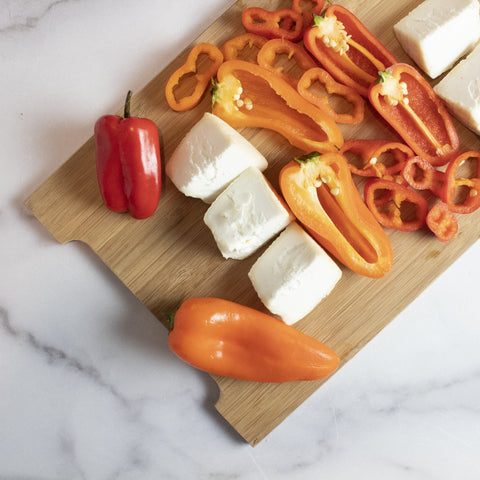
Your bamboo cutting board is more than just a kitchen tool—it’s an investment that deserves proper care. If you want it to stay strong, smooth, and resistant to cracks, you need to know how to oil it the right way.
Without the right care, your board can dry out, warp, or even develop bacteria. But don’t worry—this guide will show you simple steps to keep your bamboo cutting board looking and working like new. Ready to learn how to protect your board and make it last?
Let’s dive in.
Why Oil Your Bamboo Board
Oiling your bamboo cutting board keeps it strong and safe to use. It protects the wood from drying out and cracking.
Regular oiling helps your board last longer and stay clean. It also stops food from sticking to the surface.
Benefits Of Oiling
Oiling adds a protective layer that keeps moisture out. This prevents the board from warping or splitting over time.
An oiled board looks better too. The oil brings out the natural color and grain of the bamboo.
- Prevents cracking and warping
- Keeps the wood from drying out
- Reduces stains and odors
- Makes cleaning easier
- Enhances the board’s natural beauty
Signs Your Board Needs Oil
You can tell your bamboo board needs oil when it looks dry or faded. The surface may feel rough or dull.
Cracks or small splits are clear signs that oiling is needed. Food might start to stick more than usual.
- Wood feels dry or rough
- Board color looks dull or faded
- Small cracks or splits appear
- Food sticks to the surface
- Water soaks in quickly instead of beading

Credit: www.amazon.com
Choosing The Right Oil
Oiling your bamboo cutting board keeps it strong and water-resistant. Picking the right oil is key for safety and durability.
Not all oils work well with bamboo. Some can spoil or make the board sticky. Learn which oils are safe and which to skip.
Food-safe Oils To Use
These oils are good for your bamboo cutting board. They protect the wood and do not go bad easily.
- Mineral oil: Clear, odorless, and safe for food contact
- Coconut oil (refined): Resists spoiling and smells mild
- Walnut oil: Natural and safe for most people, but check allergies
- Pure tung oil: Hardens and seals the wood well
- Beeswax mixed with mineral oil: Adds extra protection
Oils To Avoid
Some oils cause problems like rancidity or sticky surfaces. Avoid these to keep your board fresh and safe.
| Oil Type | Reason to Avoid |
|---|---|
| Vegetable oils (e.g., olive, canola) | Can go rancid and smell bad |
| Nut oils (except walnut) | May cause allergies or spoil quickly |
| Cooking oils with additives | Not pure, may harm wood or food safety |
| Essential oils | Not meant for cutting boards; may be toxic |
Preparing Your Board
Oiling your bamboo cutting board keeps it strong and looking good. Proper preparation helps the oil soak in well.
Start by cleaning and drying the board carefully before applying oil. This makes the process more effective.
Cleaning Before Oiling
Remove dirt and food bits to protect the wood. Use warm water and mild soap to clean the surface gently.
- Use a soft sponge or cloth to scrub the board.
- Rinse with warm water to remove soap.
- Do not soak the board in water to avoid warping.
- Wipe with a clean towel after rinsing.
Drying Tips
| Drying Method | Details |
| Air Dry | Place board upright in a well-ventilated area. |
| Towel Dry | Pat the board dry with a clean cloth to remove excess moisture. |
| Avoid Direct Heat | Do not use heaters or direct sunlight to dry the board. |

Credit: www.thebambooguy.com
Step-by-step Oiling Process
Oiling a bamboo cutting board keeps it smooth and prevents cracking. It also protects the board from water and stains. Follow these simple steps to keep your board in good shape.
This guide will show you how to apply oil properly and care for your bamboo cutting board.
Applying The Oil
Start by choosing food-safe mineral oil or a special cutting board oil. Pour a small amount on the surface of the board. Use a clean cloth or paper towel to spread the oil evenly. Cover all sides, including edges and corners.
- Pour a small amount of oil on the board.
- Use a cloth to spread the oil evenly.
- Cover the entire surface and edges.
Letting It Soak
After applying the oil, let the board rest so the oil can soak in. This usually takes a few hours or overnight. The oil will penetrate deep into the bamboo fibers, making the board stronger and more water-resistant.
| Time to Soak | Purpose |
|---|---|
| 2 to 4 hours | Surface absorption |
| Overnight | Deep absorption |
Wiping Off Excess
Once the oil has soaked in, use a clean cloth to wipe off any extra oil. Excess oil can leave a sticky surface or attract dust. Make sure the board feels dry and smooth before using or storing it.
- Use a dry cloth to remove excess oil.
- Check the board for sticky spots.
- Let it air dry completely before use.
Frequency Of Oiling
Oiling a bamboo cutting board keeps it strong and safe to use. It stops the board from drying out and cracking. Knowing how often to oil helps keep your board in good shape.
Too little oil can make the board dry and rough. Too much oil is not needed and can cause a sticky surface. This guide explains how often to oil your bamboo cutting board.
How Often To Oil
You should oil your bamboo cutting board regularly to keep it protected. For most people, oiling once a month works well. If you use the board a lot, oil it more often.
For light use, oiling every two to three months is enough. Always check the board for dryness or dullness. If it looks dry, oil it right away.
- Use oil once every 1 month for frequent use
- Use oil every 2-3 months for light use
- Oil immediately if the board looks dry or rough
Factors Affecting Oiling Schedule
Some factors change how often you need to oil your bamboo cutting board. The way you clean it, the climate, and how much you use it all matter.
Boards used daily or washed with hot water dry out faster. Humid or dry weather also changes how fast the board loses oil. These things can make you oil your board more or less often.
- Frequent washing with hot water speeds drying
- Dry or cold climates make boards need oiling more
- Heavy use means more frequent oiling
- Boards stored in humid places may need less oiling

Credit: greenerchef.com
Additional Care Tips
Oiling your bamboo cutting board keeps it strong and safe to use. It stops the wood from drying out and cracking.
Taking extra care will help your board last longer and stay good for your kitchen tasks.
Avoiding Damage
Keep your bamboo board away from heat and water damage. Do not soak it in water or put it in the dishwasher.
Cut on the board gently to avoid deep cuts. Avoid using very sharp or heavy knives that can harm the surface.
- Do not soak the board in water
- Never place it in a dishwasher
- Use gentle cutting motions
- Avoid sharp or heavy knives
- Dry the board completely after washing
Maintaining Board Longevity
Oil your bamboo cutting board regularly to keep the wood from drying out. Use food-safe mineral oil or bamboo oil.
Store the board in a dry place. Keep it away from direct sunlight and heat sources to prevent warping.
- Apply oil once a month or when the board looks dry
- Use a clean cloth to rub the oil evenly
- Let the oil soak in for a few hours before use
- Store the board standing up or flat in a dry spot
- Keep it away from sunlight and heat
Frequently Asked Questions
How Often Should I Oil My Bamboo Cutting Board?
Oil your bamboo cutting board every 3 to 4 weeks. Regular oiling prevents drying and cracking. It keeps the board smooth and water-resistant. Frequency may increase with heavy use or washing.
What Type Of Oil Is Best For Bamboo Boards?
Use food-grade mineral oil or bamboo-specific cutting board oil. Avoid vegetable or olive oils as they can go rancid. Mineral oil is safe, odorless, and seals the board effectively.
How Do I Apply Oil To A Bamboo Cutting Board?
Clean and dry the board first. Pour a small amount of oil on the surface. Rub it in evenly using a soft cloth. Let it soak for a few hours, then wipe off excess.
Can I Use Beeswax To Oil Bamboo Cutting Boards?
Yes, beeswax mixed with mineral oil is excellent. It adds extra protection and shine. Beeswax helps seal the board against moisture and extends its lifespan.
Conclusion
Oiling your bamboo cutting board is simple and essential. It keeps the board in good shape and prevents cracking. Regular oiling makes the board last longer. Use food-safe mineral oil for best results. Apply the oil, let it soak, then wipe off extra.
Repeat this process every month. Your board will stay smooth and safe for food prep. A well-maintained board also looks great in your kitchen. Remember to store it in a dry place. Keep it away from heat. With these steps, your bamboo cutting board will serve you well for years.