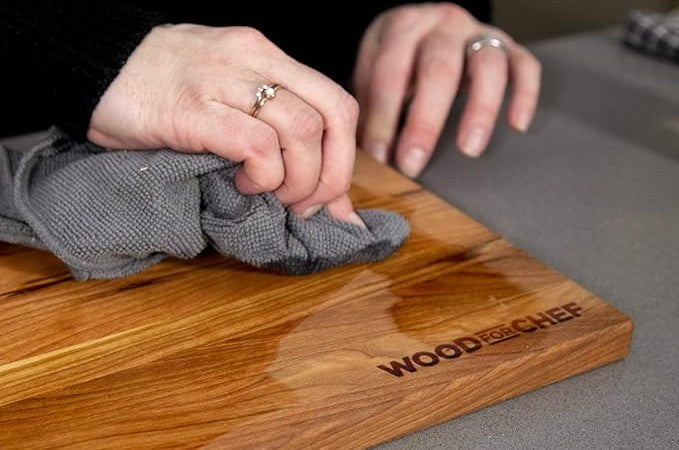
Your wood cutting board is more than just a kitchen tool—it’s a trusted companion for every meal you prepare. But without proper care, it can crack, warp, or become a hotspot for bacteria.
Imagine slicing your favorite ingredients on a smooth, well-maintained surface that stays fresh and safe for years. You can easily make this a reality with a few simple steps. Ready to learn how to keep your wood cutting board in top shape?
Let’s dive in and discover the secrets to lasting durability and cleanliness that your kitchen deserves.
Credit: www.thekitchn.com
Choosing The Right Wood Board
Picking the right wood cutting board matters for its lifespan and safety. Different woods affect how well the board holds up and resists damage.
Understanding wood types helps you make a good choice. This guide covers hardwood versus softwood and how grain patterns affect durability.
Hardwood Vs Softwood
Hardwoods come from trees that lose their leaves each year. Softwoods come from evergreen trees. Hardwoods are usually stronger and last longer.
- Hardwoods like maple and walnut resist cuts and dents better.
- Softwoods like pine are softer and can get damaged easily.
- Hardwoods close their grain tightly, making them less porous.
- Softwoods have wider grain, which can absorb water and bacteria.
- Hardwoods often cost more but offer better durability.
Grain Patterns And Durability
Grain patterns show how wood fibers grow. They affect the board’s strength and how it wears over time.
| Grain Pattern | Description | Durability |
|---|---|---|
| End Grain | Wood fibers stand upright | Very durable, self-healing cuts |
| Edge Grain | Wood fibers run lengthwise | Durable but shows knife marks more |
| Face Grain | Wide surface with visible grain | Less durable, scratches easily |
Cleaning Techniques
Keeping a wood cutting board clean is important for safety and durability. Proper cleaning removes food particles and bacteria.
Use simple steps to clean your board daily and handle stains or odors carefully. This helps your board last longer.
Daily Cleaning Routine
After each use, wash the cutting board with warm water and mild dish soap. Use a soft sponge or cloth to avoid scratches.
Rinse the board well and dry it with a clean towel. Stand it upright to air dry completely before storing.
- Wash with warm water and mild soap
- Use a soft sponge, not abrasive scrubbers
- Rinse thoroughly to remove soap
- Dry with a clean towel
- Air dry standing upright
Dealing With Stains And Odors
For stains, sprinkle coarse salt or baking soda on the board. Rub with a lemon half to lift the stain and freshen the surface.
Rinse the board after scrubbing and dry it well. This method also helps remove strong odors from garlic or onions.
- Sprinkle coarse salt or baking soda
- Rub with a lemon half
- Rinse with warm water
- Dry thoroughly after cleaning
Drying And Storage
Keeping your wood cutting board dry and stored properly helps it last longer. Moisture can cause wood to crack or warp.
Good drying and storage protect your board from damage and keep it safe for food use.
Proper Drying Methods
Dry your cutting board right after washing. Use a clean towel to remove water on the surface.
Air dry your board by standing it up. This helps air reach all sides and prevents moisture build-up.
- Wipe with a dry cloth after washing
- Stand board on its edge to air dry
- Avoid leaving it flat on wet surfaces
- Do not use heat sources to dry
Ideal Storage Conditions
Store your cutting board in a dry place. Avoid spots with high humidity or direct sunlight.
Keep the board where air flows well. This stops moisture from building up and causing mold.
- Store upright or flat on a dry shelf
- Avoid stacking heavy items on top
- Keep away from heat sources like ovens
- Choose a cool, dry, and ventilated area
Seasoning And Oiling
Wood cutting boards need care to stay strong and safe. Seasoning and oiling help protect the wood.
These steps keep your board from drying out and cracking. They also stop stains and smells.
Choosing The Right Oil
Pick an oil that soaks into wood without going bad. Food-safe oils are best for cutting boards.
Avoid oils that can turn sticky or smell bad over time. Some oils cause the wood to spoil.
- Mineral oil is a safe, common choice
- Coconut oil works if it is refined and food-grade
- Beeswax mixed with oil can add extra protection
- Avoid vegetable oils like olive or canola
How Often To Oil
Oil your wood board regularly to keep it healthy. The timing depends on how much you use it.
If you use the board daily, oil it once a week. For less use, oil once a month works well.
- Check the wood for dryness or light color
- Oiling is needed when the board looks dull
- Do not wait for cracks to appear before oiling
Application Steps
Clean the board before you oil. Use warm water and mild soap, then dry it well.
Apply the oil evenly with a clean cloth. Cover all surfaces, including edges and ends.
- Pour a small amount of oil on the board
- Rub it in using circular motions
- Let the oil soak for at least two hours
- Wipe off any extra oil with a dry cloth
- Allow the board to dry before use
Repairing Damages
Wood cutting boards often get small damages like knife marks and scratches. Fixing these issues helps keep the board safe and clean.
Simple repairs can extend the life of your board and keep it looking good. Here are two ways to fix common problems.
Fixing Knife Marks
Knife marks can make the board uneven and trap bacteria. Light marks can be fixed by sanding, while deep cuts might need more care.
- Clean the board well and dry it.
- Use fine sandpaper to smooth light knife marks.
- For deep cuts, sand with coarse sandpaper first, then use finer grit.
- Apply mineral oil after sanding to protect the wood.
- Repeat the oiling process until the wood feels smooth and looks healthy.
Sanding Techniques
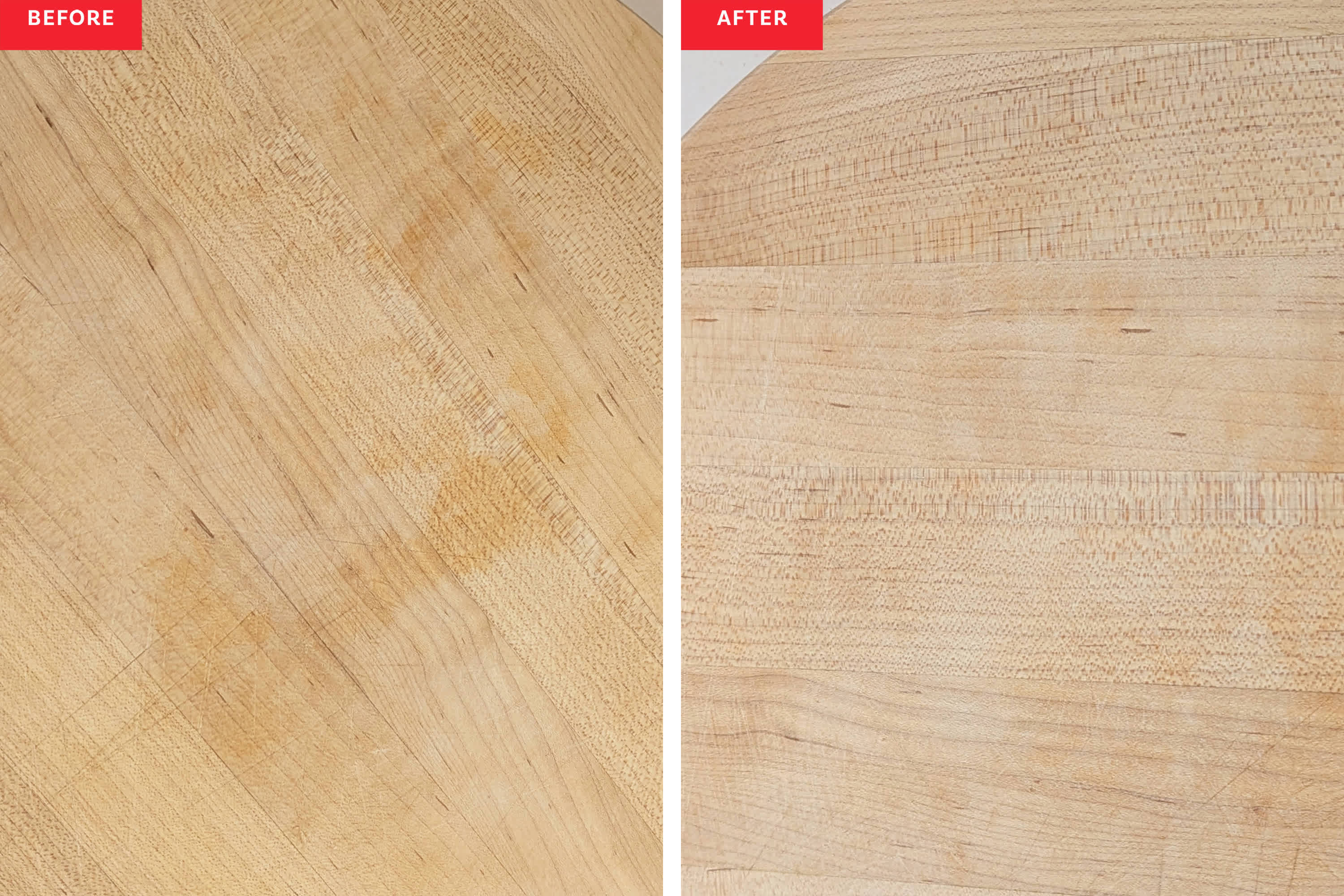
Sanding helps remove rough spots and old stains. It also makes the board smooth and ready for oiling.
| Sandpaper Grit | Use |
| 80-100 | Remove deep scratches or cuts |
| 150-180 | Smooth surface after coarse sanding |
| 220-320 | Final smooth finish |
Always sand with the wood grain to avoid more damage. Clean the dust well before oiling the board.

Credit: food52.com
Avoiding Common Mistakes
Wood cutting boards need care to last long and stay safe. Avoiding common mistakes helps keep them in good shape.
Learn what not to do when cleaning and how to stop warping and cracking. This keeps your board strong and clean.
What To Avoid When Cleaning
Do not soak your wood cutting board in water. This can make the wood swell and weaken. Avoid using harsh chemicals or bleach. These damage the wood’s surface.
- Never put wood boards in the dishwasher.
- Do not use steel wool or abrasive scrubbers.
- Avoid strong detergents that dry out the wood.
- Do not leave food stuck on the board for long.
- Never store the board wet or in direct sunlight.
Preventing Warping And Cracking
Wood boards can warp or crack if not cared for properly. Keep the board dry but not too dry. Oil it regularly to keep moisture balanced.
| Cause | Effect | How to Prevent |
| Excess water | Warping | Dry board quickly after washing |
| Heat exposure | Cracking | Keep away from stoves and direct sun |
| No oiling | Dry wood, cracks | Apply food-safe oil monthly |
| Uneven drying | Warping | Store flat or upright with air flow |

Credit: menwiththepot.com
Frequently Asked Questions
How Often Should I Oil My Wood Cutting Board?
You should oil your wood cutting board once a month. This prevents drying and cracking. Use food-grade mineral oil for best results. Oiling keeps the board smooth and extends its lifespan.
Can I Wash A Wood Cutting Board With Soap?
Yes, you can wash your wood cutting board with mild soap. Avoid soaking it in water to prevent warping. Rinse thoroughly and dry immediately after washing to maintain its quality.
How Do I Remove Stains From A Wood Cutting Board?
To remove stains, sprinkle coarse salt on the board. Rub it with a lemon half, then rinse with warm water. This natural method cleans and deodorizes without damaging the wood.
Is It Safe To Cut Raw Meat On Wood Cutting Boards?
Yes, wood cutting boards are safe for raw meat if cleaned properly. Wash with hot soapy water after use and disinfect regularly. Proper maintenance prevents bacterial growth and cross-contamination.
Conclusion
Caring for your wood cutting board ensures long-lasting use. Regular cleaning removes harmful bacteria. Always dry it completely after washing. Apply mineral oil monthly to maintain moisture. This prevents cracking. Avoid soaking in water to protect the wood. Use vinegar or lemon for natural disinfection.
Keep it away from excessive heat. This could cause warping. A well-maintained board enhances your kitchen experience. It also keeps your food safe. Follow these simple steps for a reliable kitchen tool. Your cutting board will thank you. Happy cooking!