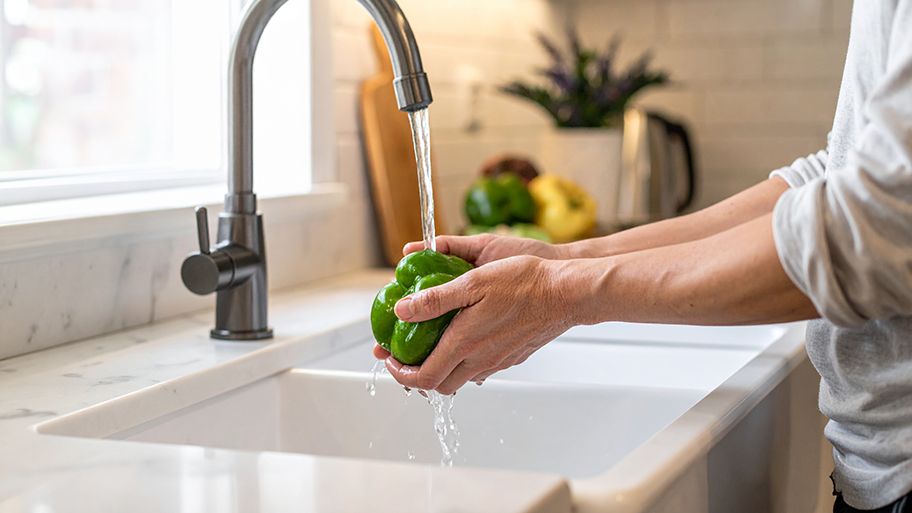
How to Clean Filter on Kitchen Faucet: Is your kitchen faucet water flow slower than usual? It might be time to clean the filter.
A clogged filter can reduce water pressure and affect the taste of your water. But don’t worry—cleaning it is easier than you think. You’ll discover simple steps to get your faucet running smoothly again. Keep reading to learn how to save money, avoid costly repairs, and enjoy fresh, clean water every day.
Why Clean Your Faucet Filter
The filter in your kitchen faucet helps keep water clean by catching dirt and debris. Over time, this filter can get clogged with particles.
Cleaning the filter regularly keeps your faucet working well and gives you clean water. It also helps avoid damage to the faucet parts.
Benefits Of A Clean Filter
A clean filter improves water flow and stops dirt from entering your water. It also helps keep your faucet parts safe from wear and tear.
- Better water pressure and flow
- Cleaner and clearer water
- Longer faucet life with less damage
- Prevents buildup of minerals and debris
Signs Your Filter Needs Cleaning
You may not notice when the filter is dirty. Watch for these signs to know when it is time to clean it.
- Water flow is slower than usual
- Water pressure drops suddenly
- Water looks cloudy or has particles
- Unusual noises come from the faucet
- Strange taste or odor in water

Credit: www.angi.com
Tools You’ll Need
Cleaning the filter on your kitchen faucet keeps water flowing smoothly. Using the right tools makes the job easier and faster.
Gather the supplies before you start. This helps avoid delays and ensures a thorough cleaning.
Essential Cleaning Supplies
You need a few basic items to clean the faucet filter well. These tools help remove dirt and buildup safely.
- Adjustable wrench – to remove the faucet aerator
- Old toothbrush – to scrub off grime
- White vinegar – to dissolve mineral deposits
- Soft cloth – for wiping and drying
- Bowl or container – to soak the filter parts
Optional Items For Deep Cleaning
For tougher buildup, you can use extra tools. These items help make the filter look like new again.
| Item | Purpose |
| Toothpick or needle | Clear small holes in the filter |
| Baking soda | Mix with vinegar for stronger cleaning |
| Rubber gloves | Protect hands during cleaning |
| Small brush | Reach tight spots inside the faucet |
Preparing For Cleaning
Cleaning the filter on your kitchen faucet keeps water flowing well. It helps prevent clogs and improves water quality.
Before you start cleaning, prepare the area and tools. This makes the job easier and safer.
Turning Off Water Supply
Turn off the water supply to stop water flow. This prevents leaks and water damage.
- Locate the shut-off valves under the sink.
- Turn the valves clockwise until fully closed.
- Open the faucet to drain any water left in the pipes.
Removing The Filter
Remove the faucet filter carefully to avoid damage. This part collects debris and needs regular cleaning.
| Tool Needed | Action |
| Adjustable wrench | Use to loosen the filter housing if it is tight. |
| Cloth or tape | Wrap around the wrench to protect the faucet finish. |
| Small brush | Clean the filter once removed. |

Credit: www.frizzlife.com
Step-by-step Cleaning Process
Cleaning the filter on your kitchen faucet keeps water flowing well. It also removes dirt and small particles.
Follow these simple steps to clean the filter easily and safely.
Soaking The Filter
First, remove the filter from the faucet. Place it in a bowl with warm water and vinegar.
Soak the filter for about 15 to 30 minutes. This helps loosen mineral buildup and dirt.
- Use equal parts water and white vinegar
- Do not use hot water as it may damage the filter
- Soak in a small container to cover the filter fully
Scrubbing Away Deposits
After soaking, gently scrub the filter with a soft brush. Use a toothbrush or small cleaning brush.
Focus on areas with visible deposits. Be careful not to damage the filter mesh.
- Use gentle pressure while scrubbing
- Remove all visible dirt and buildup
- Do not use harsh brushes or metal tools
Rinsing Thoroughly
Rinse the filter under clean running water. Make sure all vinegar and debris are washed away.
Dry the filter with a soft cloth before putting it back in the faucet.
- Use warm water for rinsing
- Check for any remaining dirt
- Replace the filter properly in the faucet
Reinstalling The Filter
After cleaning the filter on your kitchen faucet, you need to put it back correctly. Proper reinstalling keeps the water clean and the faucet working well.
Take your time to make sure the filter fits right and there are no leaks. This helps avoid water waste and damage.
Ensuring Proper Fit
Place the filter carefully into the faucet housing. The filter should sit flush without any gaps or tilting.
- Check the filter’s rubber seal for damage before reinstalling.
- Align the filter so it matches the faucet’s shape and grooves.
- Push the filter gently but firmly into place.
- Make sure the filter does not move or fall out when touched.
Testing For Leaks
After reinstalling the filter, turn on the faucet slowly. Watch closely for any water escaping around the filter area.
| Leak Check Point | What to Do |
| Around the filter edge | Make sure the seal is tight and no water drips |
| Under the faucet | Check for water pooling or wet spots |
| Water flow | Should be steady and clear, without sputtering |
Maintaining Your Faucet Filter
Keeping your kitchen faucet filter clean helps water flow smoothly. It also stops dirt and minerals from building up.
Regular care extends your faucet’s life and keeps water fresh. Cleaning the filter is a simple task anyone can do.
Cleaning Frequency Tips
Clean the faucet filter every three months. If your water is hard or has more dirt, clean it more often.
Check the filter if water flow slows. This can signal the filter needs cleaning or replacing.
- Clean every 3 months for normal water
- Clean every 1-2 months for hard water
- Check filter if water flow decreases
Preventing Future Build-up
Use a water softener if your water is hard. This lowers minerals that cause build-up in the filter.
Rinse the filter with vinegar to break down mineral deposits. This helps keep the filter clear longer.
- Install a water softener for hard water
- Rinse filter with vinegar monthly
- Use a gentle brush to clean filter parts
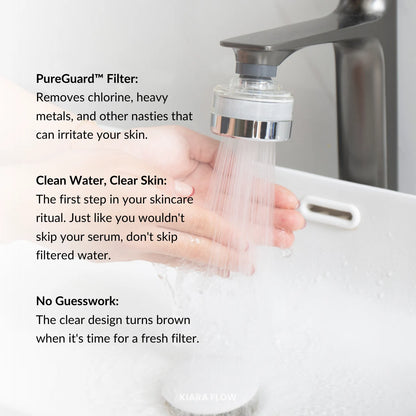
Credit: kiaraflow.com
Frequently Asked Questions
How Often Should I Clean My Kitchen Faucet Filter?
Clean your kitchen faucet filter every 3 to 6 months. Frequent cleaning prevents clogs and maintains water flow. If water pressure drops, check the filter sooner for buildup or debris.
What Tools Do I Need To Clean A Faucet Filter?
You need a wrench, a small brush, and white vinegar. These tools help remove and clean the filter effectively without damage. Soft brushes avoid scratching the filter screen.
Can I Use Vinegar To Clean The Faucet Filter?
Yes, soak the filter in white vinegar for 15-30 minutes. Vinegar dissolves mineral deposits and loosens dirt. After soaking, rinse the filter thoroughly with water before reinstalling.
How Do I Remove The Kitchen Faucet Filter Safely?
Turn off the water supply first. Use a wrench to unscrew the aerator or filter housing. Handle parts gently to avoid damage during removal and cleaning.
Conclusion
Cleaning your kitchen faucet filter keeps water flow smooth. Regular maintenance prevents blockages. It ensures healthier water for your family. Most filters need cleaning every few months. Tools needed are simple, like a brush and vinegar. Start by turning off the water.
Then, remove and clean the filter gently. Rinse thoroughly before reassembling. This task can save you money on repairs. Plus, it improves the efficiency of your faucet. Keep this routine to ensure a long-lasting faucet. A clean filter means a happy kitchen.
Enjoy the benefits of clear, free-flowing water.