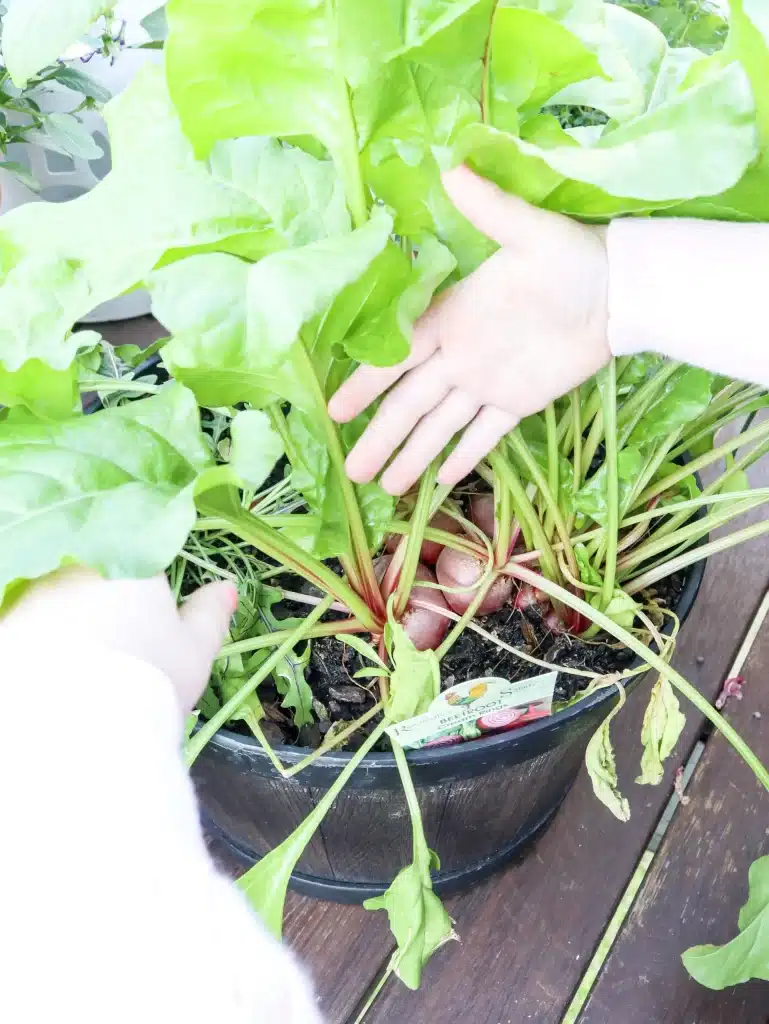
Imagine stepping into your kitchen and picking fresh herbs, crunchy vegetables, or vibrant greens you grew yourself—all from pots right on your balcony or windowsill. Growing a kitchen garden in pots isn’t just for people with big yards; it’s for you, no matter how small your space is.
You’ll save money, enjoy fresher food, and add a splash of green to your home. Ready to discover simple, effective steps to start your own pot garden? Keep reading, and you’ll find out exactly how to turn ordinary containers into a thriving kitchen garden that feeds both your body and soul.
Choosing The Right Pots
Growing a kitchen garden in pots needs careful pot selection. The right pot helps plants grow well. It also keeps the soil healthy and water drainage good.
Choosing pots depends on materials, size, drainage, and where you place them. Each factor affects plant growth and ease of care.
Material Options
Pots come in many materials. Each has benefits and downsides. Choose one that fits your plants and environment.
- Clay or Terracotta:Good breathability and natural look. They dry out fast, so water often.
- Plastic:Lightweight and cheap. Retains moisture well but less breathable.
- Metal:Durable and modern. Can heat up and harm roots in hot sun.
- Wood:Natural and attractive. Needs protection to avoid rotting.
- Ceramic:Decorative and sturdy. Heavy and may crack in cold weather.
Size And Drainage
Choosing the right size pot is key for plant health. Small pots limit root growth. Large pots hold more soil and water.
| Pot Size | Best For | Drainage Needs |
| Small (6-8 inches) | Herbs, small flowers | One drainage hole minimum |
| Medium (10-14 inches) | Vegetables like peppers, lettuce | Multiple holes to prevent waterlogging |
| Large (16+ inches) | Tomatoes, larger plants | Several holes and good soil mix |
Always check for drainage holes. Pots without holes need careful watering to avoid root rot.
Placement Tips
Place pots where plants get enough light and air. Avoid spots with strong wind or heavy shade.
Consider these tips for pot placement:
- Choose south or west-facing spots for more sunlight.
- Keep pots off the ground to improve drainage.
- Group pots by water needs to simplify care.
- Use pot stands or shelves to save space.
Selecting Herbs For Your Garden
Choosing the right herbs can help your kitchen garden thrive in pots. Pick herbs that suit your space and needs. Growing herbs in pots is easy and fun for beginners.
Start by understanding which herbs grow well indoors or outdoors. Knowing your climate and how herbs work together will improve your garden’s success.
Easy-to-grow Herbs
Some herbs grow well in pots and need little care. These are perfect for new gardeners or small spaces. Examples include:
- Basil
- Mint
- Parsley
- Chives
- Thyme
Herbs For Different Climates
| Climate | Herbs That Grow Well |
| Warm | Basil, Oregano, Rosemary |
| Cool | Mint, Parsley, Chives |
| Dry | Thyme, Sage, Lavender |
| Humid | Cilantro, Dill, Lemon Balm |
Companion Planting
Planting certain herbs together helps them grow better. Some herbs protect others from pests or improve flavor. Use companion planting to get healthier plants.
- Basil grows well with tomatoes and peppers.
- Mint should be in its own pot to stop spreading.
- Chives help keep aphids away from rose plants.
- Rosemary pairs well with beans and carrots.
- Parsley grows nicely near tomatoes and asparagus.
Preparing Soil And Fertilizer
Growing a kitchen garden in pots needs good soil and fertilizer. Healthy soil helps plants grow strong and produce more vegetables.
Choosing the right soil mix and fertilizer keeps your plants happy. Checking soil pH helps plants absorb nutrients well.
Best Soil Mix
Use a soil mix that drains well but holds moisture. A good mix has garden soil, compost, and sand or perlite.
This mix gives plants air, water, and nutrients they need. Avoid heavy soil that stays soggy or dries out fast.
- 40% garden soil
- 40% compost or organic matter
- 20% sand or perlite for drainage
Organic Fertilizers
Organic fertilizers improve soil health and feed plants naturally. They release nutrients slowly for steady growth.
Good options include compost, manure, and worm castings. These add nutrients and help soil stay rich and alive.
- Compost: adds nutrients and improves soil texture
- Manure: enriches soil with nitrogen and minerals
- Worm castings: boost soil microbes and plant growth
Soil Ph Considerations
Soil pH shows how acidic or alkaline your soil is. Most kitchen plants grow well in slightly acidic to neutral soil.
Test soil pH before planting. Aim for a pH between 6.0 and 7.0. Adjust pH if needed to help plants absorb nutrients.
- Use lime to raise soil pH if it is too acidic
- Use sulfur to lower pH if soil is too alkaline
- Test pH with a simple soil test kit
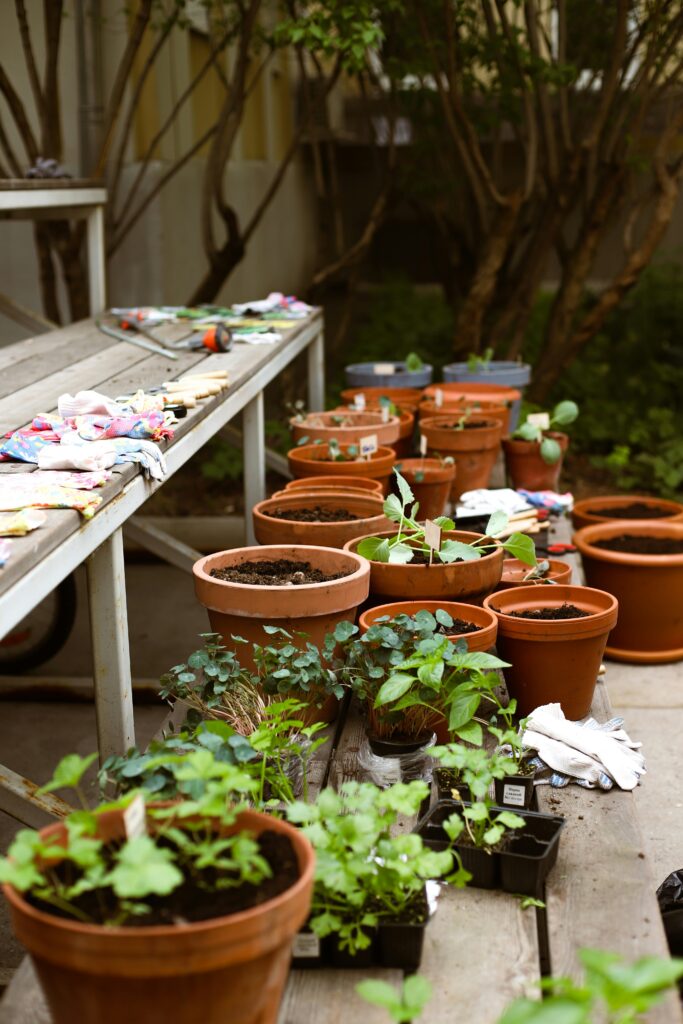
Credit: greenthic.com
Planting Your Herbs
Growing herbs in pots lets you have fresh flavors close to your kitchen. Planting them right helps them grow strong and healthy.
Understanding how to plant herbs will make your kitchen garden more successful. Let’s look at some important tips.
Seed Starting Vs. Transplants
You can start herbs from seeds or buy young plants called transplants. Seeds take longer but cost less. Transplants grow faster and are easier for beginners.
Some herbs like basil and parsley grow well from seeds. Others like rosemary and thyme do better as transplants.
- Seeds need warmth and moisture to sprout
- Transplants need careful handling to avoid damage
- Choose based on your time and skill level
Spacing And Depth
Plant herbs at the right depth and space to help roots grow well. Plant seeds or transplants just deep enough to cover them with soil.
Give each herb enough room so leaves and roots do not crowd. Crowding causes weak growth and disease.
- Plant small seeds very shallow, about ¼ inch deep
- Place transplants slightly deeper to support stems
- Keep at least 6 to 12 inches between plants
Watering After Planting
Water herbs gently right after planting. This helps soil settle and roots start growing. Avoid soaking the soil too much.
Keep soil moist but not soggy. Water regularly, especially when the top inch of soil feels dry.
- Use a watering can with a fine rose to avoid washing soil away
- Water in the morning for best results
- Check pots daily in hot weather for dryness
Caring For Your Kitchen Garden
Caring for your kitchen garden in pots is simple with the right routine. Proper care helps your plants grow strong and healthy.
Follow easy steps to keep your kitchen garden thriving. Water, sunlight, and pruning are key parts of plant care.
Watering Schedule
Water your potted plants regularly but avoid overwatering. Check the soil moisture before watering again.
- Water early in the morning or late in the afternoon
- Keep the soil moist but not soggy
- Use pots with drainage holes to prevent water buildup
- Adjust watering frequency based on the season and weather
Sunlight Requirements
Most kitchen garden plants need at least six hours of sunlight daily. Place your pots where they get enough light.
| Plant Type | Sunlight Needed |
| Herbs (basil, parsley) | 6-8 hours |
| Leafy Greens (spinach, lettuce) | 4-6 hours |
| Tomatoes and Peppers | 8+ hours |
| Root Vegetables (carrots, radishes) | 4-6 hours |
Pruning And Harvesting
Prune your plants to keep them healthy and encourage growth. Harvest regularly to enjoy fresh produce.
- Remove dead or yellow leaves
- Pinch off the tips of herbs to promote bushy growth
- Harvest vegetables when they reach the right size
- Use clean scissors or your hands to harvest
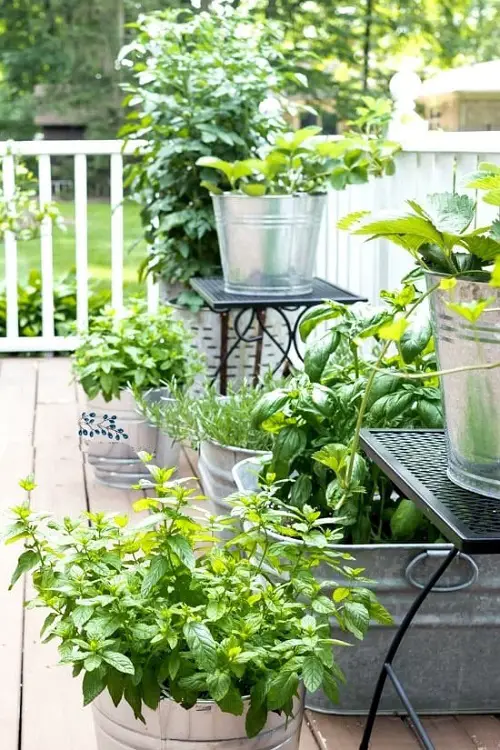
Credit: balconygardenweb.com
Dealing With Common Issues
Growing a kitchen garden in pots can be fun and rewarding. Yet, some problems may appear. Knowing how to handle these issues keeps your plants healthy and strong.
This guide explains common problems like pests, nutrient shortages, and weather changes. You will learn simple ways to fix them.
Pests And Diseases
Pests and diseases can harm your plants quickly. Watch for spots on leaves, holes, or sticky residue. Early action helps stop damage.
- Check plants daily for bugs or mold.
- Remove affected leaves to prevent spread.
- Use natural sprays like neem oil or soapy water.
- Keep pots clean and avoid overcrowding plants.
- Introduce helpful insects like ladybugs to eat pests.
Nutrient Deficiencies
Plants need nutrients from soil to grow well. Deficiency shows as yellowing leaves or slow growth. Different nutrients cause different signs.
| Nutrient | Signs of Deficiency | How to Fix |
| Nitrogen | Yellow leaves, poor growth | Add compost or nitrogen-rich fertilizer |
| Phosphorus | Purple leaves, weak roots | Use bone meal or phosphorus fertilizer |
| Potassium | Brown leaf edges, weak stems | Apply wood ash or potassium fertilizer |
Weather Challenges
Weather can change fast and affect potted plants. Too much sun, cold, or wind harms growth. Protect plants to keep them safe.
Tips to protect plants from weather:
- Move pots to shaded spots on hot days.
- Bring plants indoors if frost comes.
- Use windbreaks like fences or screens.
- Water plants early in the morning or late afternoon.
Extending Your Garden Year-round
Growing a kitchen garden in pots lets you enjoy fresh herbs and vegetables all year. You can keep plants healthy even during cold months. Simple changes help you keep your garden thriving inside your home.
Use small spaces wisely and create the right environment. Careful planning helps you harvest fresh greens without stopping at any season.
Indoor Growing Tips
Choose pots with good drainage to avoid root rot. Use quality soil made for container gardening. Water plants regularly but do not overwater them. Place pots where they get enough natural light.
- Keep pots clean and remove dead leaves
- Use a tray under pots to catch extra water
- Rotate pots weekly for even sunlight
- Use a fan to improve air circulation
Seasonal Herb Choices
| Herb | Best Season to Grow |
| Basil | Spring and Summer |
| Thyme | Year-round indoors |
| Mint | Year-round indoors |
| Rosemary | Fall and Winter indoors |
| Parsley | Year-round indoors |
Pick herbs that fit your home’s light and temperature. Some herbs grow better indoors during cold months. Others thrive outside when weather is warm.
Using Grow Lights
Grow lights help plants get enough light when natural sun is low. They support photosynthesis and keep plants growing strong. You can choose from LED or fluorescent lights.
- Place lights 6 to 12 inches above plants
- Keep lights on for 12 to 16 hours daily
- Use a timer to keep a consistent schedule
- Adjust light height as plants grow taller
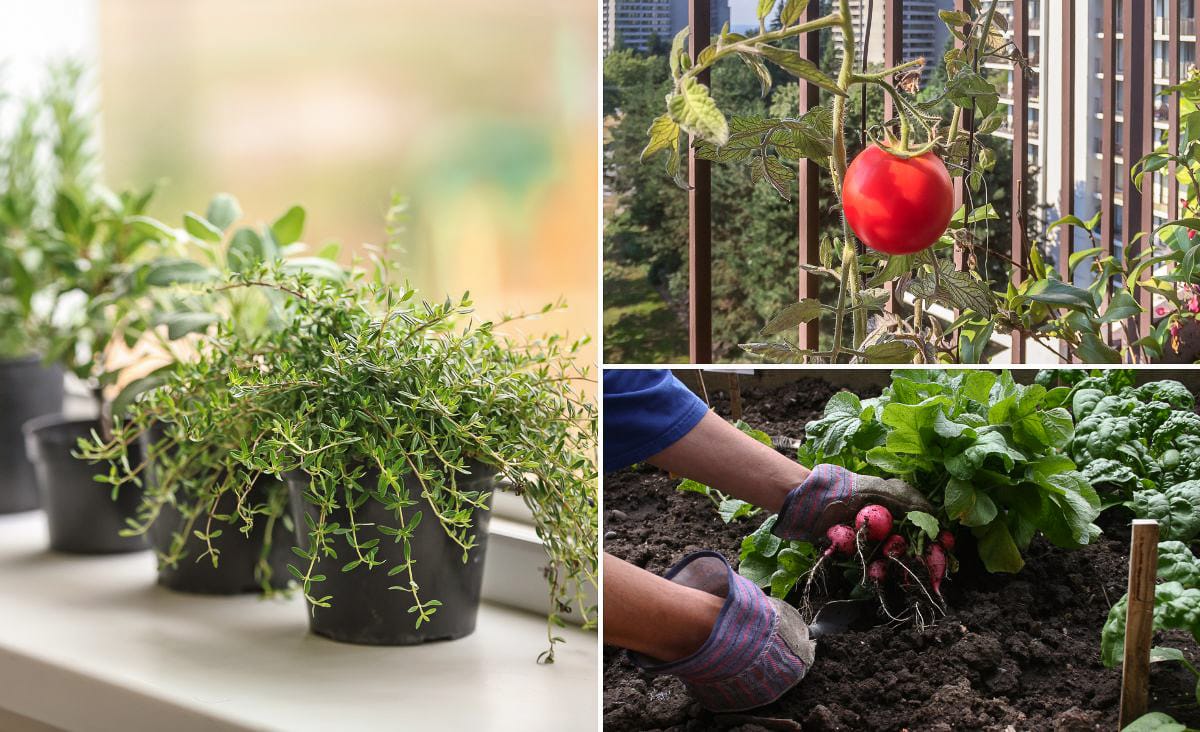
Credit: 104homestead.com
Frequently Asked Questions
What Are The Best Vegetables For A Kitchen Garden In Pots?
Leafy greens, cherry tomatoes, peppers, herbs, and radishes grow well in pots. They require minimal space and provide quick harvests, making them perfect for container gardening.
How Often Should I Water My Potted Kitchen Garden?
Water your potted garden when the top inch of soil feels dry. Typically, this means watering every 2-3 days, but frequency may vary with weather and plant type.
What Type Of Soil Is Ideal For Potted Kitchen Gardens?
Use high-quality potting mix rich in organic matter. It ensures good drainage, aeration, and nutrient retention, which are essential for healthy plant growth in pots.
How Much Sunlight Do Potted Kitchen Garden Plants Need?
Most kitchen garden plants need 6-8 hours of direct sunlight daily. Place pots near sunny windows or outdoors to ensure they get enough light to thrive.
Conclusion
Growing a kitchen garden in pots is simple and rewarding. Start with easy plants like herbs or tomatoes. Choose the right pot size for each plant. Provide good soil, sunlight, and water. Regular care keeps plants healthy. Enjoy fresh ingredients for your meals.
Gardening in pots fits any space, even small balconies. It’s a fun way to connect with nature. Plus, it saves money on groceries. Anyone can do it with a little effort. Give it a try and watch your kitchen garden thrive.
Happy planting!