You’ve just washed your dishes, and now comes the tricky part—drying them in an open kitchen. Without the usual closed cupboards or drying racks, it can feel like a challenge to keep your dishes spotless and streak-free.
But what if drying your dishes could be simple, quick, and even stylish? You’ll discover easy, practical tips to dry your dishes perfectly in an open kitchen. Get ready to transform your routine and keep your kitchen looking neat and inviting every day.
Keep reading—you won’t want to miss these game-changing tricks!
Choosing The Right Drying Tools
Drying dishes properly keeps your kitchen clean and safe. Choosing the right tools makes drying easier and faster. This guide covers three useful options for drying dishes in an open kitchen.
Each tool has its own benefits. Use the one that fits your kitchen space and lifestyle best. Let’s explore clean dish towels, air drying racks, and disposable options.
Using Clean Dish Towels
Clean dish towels dry dishes quickly and absorb water well. They save space and work well in small kitchens. Always use fresh towels to avoid bacteria buildup.
- Choose towels made from cotton or linen for best absorbency.
- Keep several towels on hand to change often.
- Wash towels regularly at high temperatures.
- Use separate towels for drying dishes and wiping counters.
Benefits Of Air Drying Racks
Air drying racks let dishes dry naturally. They keep dishes organized and reduce cloth use. Some racks fold flat for easy storage, making them good for open kitchens.
| Feature | Benefit |
| Material | Stainless steel or plastic resists rust and stains |
| Size | Fits small or large kitchens |
| Design | Allows air flow for faster drying |
| Storage | Foldable racks save space when not in use |
Choosing Disposable Options
Disposable drying options can be handy for quick cleanups or guests. Paper towels or single-use cloths reduce washing time but create waste. Use them sparingly and recycle when possible.
- Paper towels: absorb water fast but cost more over time.
- Single-use cloths: better for wiping than drying large items.
- Biodegradable options: reduce environmental impact.
- Use disposable options only when needed to cut waste.
Effective Air Drying Techniques
Drying dishes in an open kitchen lets air do the work. It saves energy and keeps dishes clean.
Using simple air drying methods helps dishes dry fast and avoid water spots. Let’s look at easy ways to dry dishes well.
Arranging Dishes For Quick Drying
Place dishes so air reaches all sides. Stand plates and lids upright to let water drip off.
Stack bowls and cups with space between them. Avoid piling dishes too close to stop moisture buildup.
- Stand plates on edges, not flat
- Keep cups upside down
- Leave gaps between each dish
- Separate lids from pots
Maximizing Air Flow
Good air flow speeds up drying. Place dishes near open windows or fans to move air around.
Use drying racks that lift dishes off the counter. This allows air to flow underneath and around them.
- Put dishes near fresh air sources
- Use racks with open sides and bottoms
- Keep kitchen vents clear
- Turn on ceiling or tabletop fans
Avoiding Water Spots
Water spots form when minerals dry on dishes. Use filtered water if your tap has minerals.
Wipe dishes with a clean cloth if spots appear. Drying dishes quickly also lowers spots.
- Rinse with filtered or soft water
- Shake off extra water before drying
- Air dry dishes fully before storing
- Use a clean cloth to wipe spots
Maintaining Hygiene While Drying
Drying dishes in an open kitchen needs care to keep things clean. Dirt and germs can spread if dishes are not dried properly.
Good hygiene helps keep your dishes safe and your kitchen healthy.
Regular Cleaning Of Drying Surfaces
Drying racks and surfaces must be cleaned often. Water and food bits can build up and cause bacteria to grow.
Use warm soapy water to wash drying areas every day. Rinse well and let them air dry before placing dishes.
- Wipe down drying racks daily
- Wash with soap and water weekly
- Replace old or damaged drying mats
Preventing Bacterial Growth
Bacteria grow fast on wet surfaces. Keep drying areas dry to stop germs from spreading.
Change dish towels often and avoid stacking wet dishes. This helps air reach all surfaces and dry them quickly.
- Do not leave water standing on racks
- Use clean cloths or air dry only
- Keep kitchen well ventilated
Safe Handling Of Dry Dishes
Handle dry dishes with clean hands to avoid contamination. Do not touch the inside of cups or plates.
Store dishes in a clean area after drying. This keeps them free from dust and germs until use.
- Wash hands before touching dry dishes
- Hold dishes by edges or handles
- Keep dried dishes covered or in cabinets

Credit: qanvast.com
Speeding Up The Drying Process
Drying dishes quickly saves time and keeps your kitchen tidy. Using simple methods helps water evaporate faster. This guide shows easy ways to dry dishes in an open kitchen.
Try using air flow, cloths, and smart sorting. These tips reduce water spots and speed up drying.
Using Fans Or Natural Breeze
Air movement removes moisture from dishes faster. Place a fan near the drying area or open windows for fresh air. Natural breeze works well if your kitchen is open to outside air.
- Set a small fan on low speed facing the dishes
- Open nearby windows or doors to create cross-ventilation
- Avoid placing dishes too close together to allow airflow
- Use a drying rack with good gaps for air circulation
Wiping With Microfiber Cloths
Microfiber cloths absorb water quickly and leave dishes streak-free. Use them to wipe dishes right after washing. This method works best for glassware and plates.
| Type of Dish | Drying Tip |
|---|---|
| Glasses | Wipe gently with a microfiber cloth to avoid spots |
| Plates | Use a dry cloth to remove water before stacking |
| Cutlery | Wipe handles and blades carefully to prevent rust |
Drying Small Items Separately
Small items like lids and utensils dry faster when separated. Group them on a small tray or mesh basket. This keeps them from trapping moisture.
- Use a small drying rack or basket for small pieces
- Spread items out to avoid stacking wet surfaces
- Turn items to expose all sides to air or cloth
- Check items regularly to remove dry ones first
Organizing An Open Kitchen Drying Area
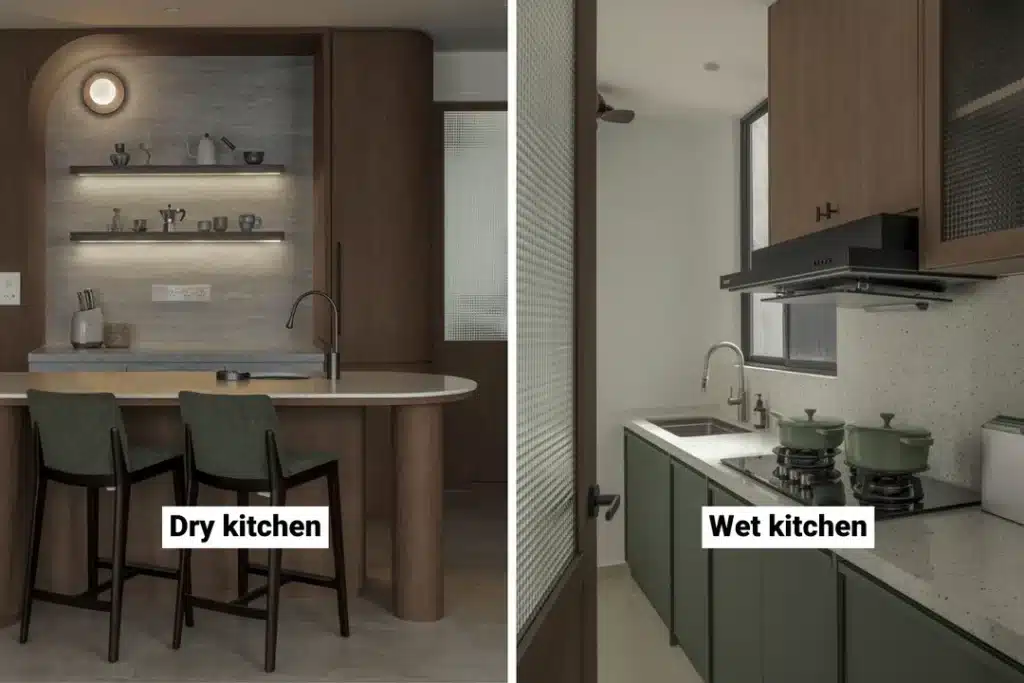
Drying dishes in an open kitchen needs good planning. A well-organized drying area keeps your kitchen tidy and clean. It also helps your dishes dry faster and safer.
Here are some tips to organize your open kitchen drying spot for best results.
Choosing A Dedicated Drying Spot
Select a spot near the sink to place your drying rack. This cuts down water drips on counters. Make sure it gets good air flow to speed up drying. Avoid areas that block movement in the kitchen.
Keeping The Area Clutter-free
Keep only drying essentials in this area. Remove extra items that do not belong. Clean spills and water drops daily. This stops mold and keeps your kitchen healthy.
- Clear the drying spot after dishes dry
- Store dry dishes immediately
- Use trays to catch water drips
- Wipe counters regularly
Integrating Storage With Drying
Combine drying and storage by using racks with shelves. This saves space and keeps things organized. Store plates, cups, and utensils close to the drying area for easy access.
| Storage Type | Drying Benefit |
| Tiered Drying Rack | More drying space vertically |
| Wall-mounted Shelf | Keeps counters clear |
| Utensil Holder | Drains water quickly |
| Slide-out Tray | Catches water, easy to clean |

Credit: www.goodhousekeeping.com
Credit: www.tasteofhome.com
Frequently Asked Questions
How Can I Dry Dishes Quickly In An Open Kitchen?
To dry dishes quickly, use a clean microfiber cloth or air-dry them on a rack. Ensure good airflow and sunlight exposure to speed up drying.
What Are The Best Tools For Drying Dishes In Open Kitchens?
Microfiber towels, drying racks, and silicone mats work best. They absorb water efficiently and allow air circulation, preventing mold and water spots.
Is Air Drying Dishes In An Open Kitchen Hygienic?
Yes, air drying is hygienic if dishes are clean and the area is well-ventilated. Avoid stacking wet dishes to prevent bacteria growth.
How To Prevent Water Spots When Drying Dishes Naturally?
To prevent water spots, wipe dishes with a microfiber cloth after air drying. Use filtered water for washing to reduce mineral deposits.
Conclusion
Drying dishes in an open kitchen can be simple and efficient. Use dish racks to organize and save space. Air drying is an eco-friendly choice. It also reduces bacteria growth. Microfiber towels work great for quick drying. Try a wall-mounted rack for extra convenience.
Keep your kitchen tidy and appealing. Remember, a clean kitchen brings joy and ease. Enjoy your cooking space without clutter. Happy dish drying in your open kitchen!