
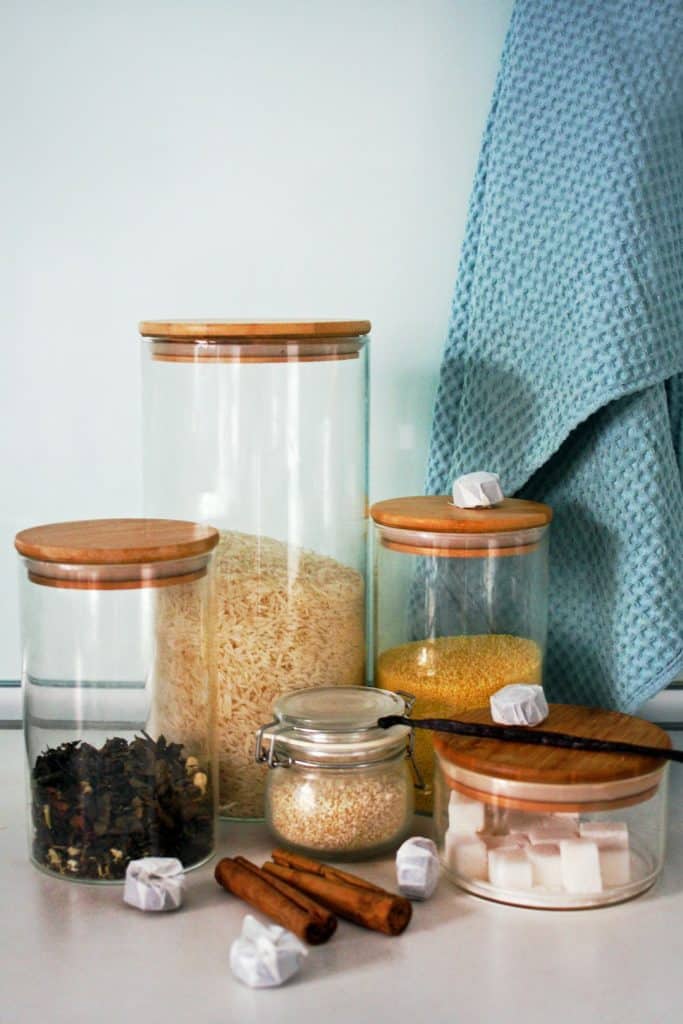
Are you tired of rummaging through cluttered cabinets or dealing with half-opened boxes spilling everywhere? If you’ve ever wondered what to put in kitchen containers to make your life easier, you’re not alone.
Think about how satisfying it would be to open your pantry and see everything neatly organized and easy to find. Imagine the time you’ll save when cooking, knowing exactly where each ingredient is. This isn’t just about tidiness; it’s about transforming your kitchen into a seamless, stress-free space.
Keep reading to discover simple yet effective ways to optimize your kitchen storage, making every meal prep a breeze.

Credit: www.ikea.com
Dry Goods Storage
Keeping dry goods fresh and organized helps maintain kitchen efficiency. Proper storage stops pests and moisture from spoiling food.
Use airtight containers to protect your dry goods. Clear containers let you see contents easily and avoid waste.
Grains And Rice
Store grains and rice in sealed containers to keep out bugs and moisture. Use containers made of glass or BPA-free plastic.
Pasta Varieties
Keep pasta dry and fresh by storing it in airtight jars. Label the containers with the pasta type for easy access.
Flour And Baking Mixes
Flour and baking mixes need cool, dry storage. Use containers with tight lids to avoid clumping and contamination.
- All-purpose flour
- Whole wheat flour
- Cake flour
- Baking powder
- Baking soda
Sugar And Sweeteners
| Type | Storage Tips |
| Granulated Sugar | Keep dry in a sealed container to prevent hardening. |
| Brown Sugar | Store in an airtight container with a moisture source like a terra cotta disc. |
| Powdered Sugar | Use a tightly closed container to avoid lumps from humidity. |
| Honey | Keep in a cool place with the lid closed to prevent crystallization. |
Spices And Herbs
Kitchen containers help keep spices and herbs fresh and organized. Proper storage keeps flavors strong and easy to find.
Choosing what to put in your containers depends on your cooking style and what you use most often.
Whole Vs Ground Spices
Whole spices keep their flavor longer than ground spices. Grinding whole spices just before use gives better taste.
Ground spices are quicker to use but lose flavor faster. Store both in airtight containers away from heat.
- Whole spices: cinnamon sticks, cloves, peppercorns
- Ground spices: turmeric powder, paprika, cumin powder
- Store whole spices for longer freshness
- Use ground spices within 6 months for best flavor
Dried Herbs
Dried herbs are easy to store in small containers. They add fresh flavor without taking much space.
Keep dried herbs in dark, cool places to protect their aroma. Label containers to avoid confusion.
- Basil, oregano, thyme, rosemary
- Store in airtight glass jars or metal tins
- Use dried herbs within one year for best taste
- Crush leaves before cooking to release flavor
Custom Spice Blends
Custom blends mix spices and herbs for specific dishes. Store blends in small airtight containers for freshness.
Label blends clearly. Make small batches to keep flavors strong and fresh.
- Example blends: curry powder, taco seasoning, Italian herbs
- Mix whole or ground spices depending on preference
- Use airtight containers to keep blends dry
- Store blends away from direct sunlight and heat
Legumes And Beans
Storing legumes and beans in kitchen containers keeps them fresh and ready to cook. Proper storage helps avoid moisture and pests.
Use airtight containers to keep these staples organized and easy to access for your meals.
Dried Beans
Dried beans include varieties like black beans, kidney beans, and navy beans. These beans need to be kept dry and cool.
- Store in airtight glass or plastic containers
- Keep away from direct sunlight
- Label containers with the bean type and purchase date
- Check for any signs of moisture or pests regularly
Lentils And Peas
Lentils and peas come in many colors and sizes. They cook faster than dried beans and need similar storage care.
| Lentil Type | Color | Cooking Time (minutes) |
| Brown Lentils | Brown | 20-30 |
| Red Lentils | Orange-Red | 15-20 |
| Green Lentils | Green | 30-45 |
| Split Peas | Green or Yellow | 30-45 |
Chickpeas And More
Chickpeas and other legumes like fava beans and black-eyed peas add variety to meals. Store them in sealed containers to maintain freshness.
- Use containers with tight lids
- Keep in a cool, dry place
- Consider using opaque containers to block light
- Use within 6-12 months for best quality
:max_bytes(150000):strip_icc()/faw-rubbermaid-brilliance-bpa-free-22-piece-food-storage-containers-set-livia-hughes-19-e3d3cfffc5e24b3aa9f14421686c10e9-badge-ab5c3c9c16a144d8bc10b7982d78bdf6.jpg)
Credit: www.foodandwine.com
Nuts And Seeds
Nuts and seeds add flavor and nutrition to many dishes. They are easy to store in kitchen containers. Keeping them fresh helps keep their taste and crunch.
Use airtight containers to protect nuts and seeds from moisture and air. This keeps them from going stale or rancid quickly.
Common Nuts
Popular nuts to store in containers include almonds, walnuts, and cashews. Each has a unique taste and works well in snacks or cooking.
- Almonds: Great for baking and snacking
- Walnuts: Perfect for salads and desserts
- Cashews: Good in stir-fries and sauces
- Pistachios: Nice for snacks and garnishes
- Pecans: Often used in pies and sweets
Seeds For Cooking
Seeds such as chia, flax, and sunflower are common in many kitchens. They add texture and nutrition to meals.
| Seed | Common Uses | Storage Tip |
| Chia | Smoothies, puddings | Keep in a cool, dark place |
| Flax | Baked goods, cereals | Store ground flax in fridge |
| Sunflower | Salads, snacks | Use airtight containers |
| Sesame | Asian dishes, toppings | Keep away from heat |
Storage Tips
Proper storage keeps nuts and seeds fresh longer. Use containers that block air and moisture.
- Use glass or plastic containers with tight lids
- Store containers in a cool, dark place
- Refrigerate or freeze for long-term storage
- Label containers with purchase dates
- Check nuts and seeds regularly for freshness
Baking Essentials
Organizing your kitchen containers helps keep baking ingredients fresh and easy to find. Using the right containers also prevents spills and messes.
Baking essentials include powders, chocolates, and decorative items. Each needs proper storage to stay fresh and ready for use.
Baking Soda And Powder
Baking soda and baking powder are key leavening agents. Store them in airtight containers to keep moisture out.
Clear containers help you see how much is left. Label containers to avoid confusion between the two.
- Use small containers for easy scooping
- Keep away from heat and light
- Check expiration dates regularly
Chocolate And Cocoa
Chocolate chips and cocoa powder need cool, dry storage. Use airtight containers to prevent them from absorbing odors.
Opaque containers protect cocoa from light, which can affect flavor and color.
- Store chocolate chips in a sealed jar
- Keep cocoa powder in a dark container
- Avoid moisture to prevent clumping
Decorative Items
Decorative items like sprinkles and edible glitter add fun to baked goods. Store them in small, clear containers.
Labeling helps you find the right decoration quickly. Keep these containers in a cool, dry place to preserve color and texture.
- Use stackable containers for space saving
- Separate by color and type
- Seal tightly to keep fresh
Snacks And Miscellaneous
Organizing your kitchen containers helps keep snacks fresh and easy to find. Use clear containers to see what you have at a glance.
Choose containers that seal well to keep your ingredients crisp and tasty for longer storage.
Dried Fruits
Store dried fruits like apricots, raisins, and cranberries in airtight containers. This keeps them from getting sticky or hard.
- Dried apricots
- Raisins
- Dried cranberries
- Dried mango slices
- Dates
Granola And Cereals
Granola and cereals stay fresh longer in containers that block air and moisture. Choose containers with wide mouths for easy scooping.
| Item | Container Type | Storage Tip |
| Granola | Airtight jar | Keep dry and cool |
| Oatmeal | Sealed plastic container | Store away from light |
| Cornflakes | Opaque container | Use quickly after opening |
| Muesli | Glass jar | Keep sealed to avoid clumps |
Miscellaneous Ingredients
Keep small snacks and ingredients like nuts, seeds, and spices in labeled containers. This helps you find them fast and avoid spills.
- Almonds and walnuts
- Chia and flax seeds
- Popcorn kernels
- Chocolate chips
- Mini pretzels
Liquid Containers
Kitchen containers keep liquids fresh and easy to use. They help organize your cooking space.
Choosing the right container protects flavors and prevents spills. Use containers that fit the liquid type.
Oils And Vinegars
Oils and vinegars need airtight containers to stay fresh. Glass bottles with pour spouts work well.
Dark glass helps protect oils from light, which can spoil them. Store vinegars in clear or dark bottles based on use.
- Use bottles with secure lids to avoid leaks
- Label containers to know the contents easily
- Keep containers away from heat and light
Sauces And Condiments
Sauces and condiments often come in jars or squeeze bottles. Choose containers that are easy to open and close.
Clear containers let you see the sauce color and amount. Airtight lids keep sauces fresh longer.
- Use squeeze bottles for ketchup and mustard
- Glass jars are good for thicker sauces
- Label the containers with date and type
Broths And Stocks
Broths and stocks store best in large, sealed containers. Choose ones safe for refrigeration and freezing.
Use containers that are easy to pour and clean. Avoid metal containers to prevent flavor changes.
- Plastic or glass containers with tight lids work well
- Freezer-safe containers prevent cracks and spills
- Label with cooking date for freshness
Labeling And Organization
Organizing your kitchen containers keeps your space neat and efficient. Clear labels help you find ingredients fast.
Good labeling and storage extend the life of your food. This guide covers key ways to label and store containers.
Labeling Techniques
Use simple labels to identify what is inside each container. Include the name and date for freshness.
- Write with a permanent marker on masking tape
- Use chalkboard labels for easy changes
- Print labels with a label maker for neatness
- Apply waterproof labels for wet areas
Container Materials
Choose containers based on what you store and how long you keep it. The material affects food safety.
- Glass containers keep food fresh and do not stain
- Plastic containers are lightweight and budget-friendly
- Metal containers are durable but can react with acidic foods
- Bamboo or wood containers add a natural look but need careful cleaning
Storage Tips For Longevity
Store food properly to keep it fresh longer. Use airtight containers to stop moisture and pests.
- Keep dry goods in cool, dark places
- Label with purchase or expiry dates to track freshness
- Use stackable containers to save space
- Regularly clean containers to avoid smells and mold

Credit: www.ikea.com
Frequently Asked Questions
What Are The Best Items To Store In Kitchen Containers?
Store dry goods like flour, sugar, rice, pasta, and coffee in kitchen containers. These items stay fresh longer and are easy to organize. Airtight containers prevent moisture and pests, keeping your ingredients safe and ready to use.
How Do I Choose The Right Kitchen Container Size?
Choose container sizes based on your ingredient quantity and usage frequency. Small containers suit spices and herbs, while larger ones work for grains and flour. This helps minimize waste and keeps your kitchen tidy and efficient.
Can Kitchen Containers Store Liquids Safely?
Yes, kitchen containers with airtight seals can store liquids like oils, sauces, and dressings. Use BPA-free, leak-proof containers to prevent spills and maintain freshness. Always label containers with the content and date for easy identification.
What Materials Are Best For Kitchen Containers?
Glass, BPA-free plastic, and stainless steel are top materials for kitchen containers. Glass is non-porous and easy to clean. Plastic is lightweight and versatile. Stainless steel is durable and ideal for long-term storage.
Conclusion
Storing kitchen items in the right containers keeps your space neat. Use airtight containers for spices, grains, and snacks. Clear containers help you see contents quickly. Label each container to avoid confusion. Choose containers that fit your kitchen style and size.
Regularly check and clean containers to keep food fresh. Organizing with proper containers saves time while cooking. Small changes make your kitchen more efficient and pleasant. Simple steps lead to a tidier, happier kitchen space.



