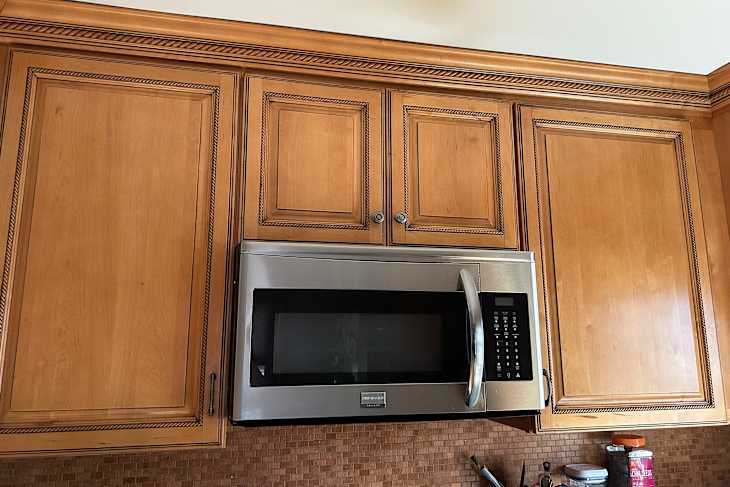
When it comes to keeping your kitchen cabinets looking fresh and clean, you might find yourself overwhelmed by the plethora of cleaning products available. Among them, Murphy Oil Soap often comes up as a popular choice.
But is Murphy Oil Soap good for kitchen cabinets? As you stand in your kitchen, glancing at your cabinets, you might wonder if this product could be the key to maintaining their shine and prolonging their lifespan. You’re about to discover the truth behind this cleaning staple and why it might just become your go-to solution for spotless cabinets.
Stick with us to learn more about how Murphy Oil Soap can transform your kitchen cleaning routine, giving you the sparkling cabinets you’ve always dreamed of.
Benefits Of Murphy Oil Soap
Murphy Oil Soap is a popular cleaner for wood surfaces. Many people use it for kitchen cabinets. It helps keep cabinets clean without damage.
This soap works well on wood because it cleans gently. It also uses natural ingredients that are safe for your home.
Gentle Cleaning Properties
Murphy Oil Soap cleans dirt and grease without harsh chemicals. It does not strip the wood’s finish. This makes it good for regular cleaning.
The soap removes grime but keeps the wood’s natural oils. This helps cabinets look fresh and well-maintained.
Safe For Wood Surfaces
This soap is designed to be safe on wood. It does not cause drying or cracking. You can use it on sealed or finished cabinets without worry.
Using Murphy Oil Soap helps protect your cabinets while cleaning. It supports the wood’s durability and appearance.
Natural Ingredients
The soap contains natural oils and plant-based ingredients. It avoids harsh chemicals found in many cleaners. This makes it safer for your family and pets.
- Made with natural oils
- No strong synthetic chemicals
- Environmentally friendly formula

Credit: www.walmart.ca
Using Murphy Oil Soap On Kitchen Cabinets
Murphy Oil Soap is a popular cleaner for wood surfaces. Many people wonder if it works well on kitchen cabinets.
This soap can clean cabinets gently and remove dirt without damaging the finish.
Preparation Steps
Before cleaning, clear the cabinet surfaces. Remove all items and dust the areas with a dry cloth.
- Remove cabinet doors if possible for better access.
- Use a soft cloth or vacuum to remove loose dust.
- Mix Murphy Oil Soap with warm water according to the label.
Application Techniques
Use a soft sponge or cloth to apply the soap solution. Avoid soaking the wood to prevent damage.
| Technique | Details |
|---|---|
| Light Cleaning | Wipe with damp cloth and soap solution, then dry quickly. |
| Stubborn Stains | Apply soap, let sit a minute, then gently scrub and wipe dry. |
| Rinse | Use a clean damp cloth to remove soap residue after cleaning. |
Frequency Of Use
Cleaning kitchen cabinets too often can wear the finish. Use Murphy Oil Soap only as needed.
- Clean every few weeks or when cabinets look dirty.
- Avoid daily use to protect wood surfaces.
- Spot clean spills right away with a damp cloth.
Potential Drawbacks
Murphy Oil Soap is popular for cleaning wood surfaces. It works well for many tasks but may have some drawbacks. These issues can affect your kitchen cabinets.
Knowing about these drawbacks helps you decide if Murphy Oil Soap suits your cleaning needs.
Residue Concerns
Murphy Oil Soap can leave a thin film on cabinets if not rinsed well. This residue might attract dust and dirt over time. It can make cabinets look dull or sticky.
Always wipe cabinets with a clean, damp cloth after using Murphy Oil Soap. This step removes leftover soap and stops buildup.
Suitability For Different Finishes
Not all kitchen cabinet finishes react well to Murphy Oil Soap. It works best on natural wood and some sealed woods. Cabinets with wax, lacquer, or painted finishes may get damaged.
- Natural wood: generally safe
- Wax finishes: can remove wax
- Lacquer finishes: may dull shine
- Painted surfaces: risk of damage
Test Murphy Oil Soap on a small hidden area before cleaning the whole cabinet.
Allergy Considerations
Some people may be sensitive to the ingredients in Murphy Oil Soap. It contains natural oils that can cause skin irritation or allergic reactions.
Use gloves when cleaning and ensure good room ventilation. If you notice redness or itching, stop using the product immediately.
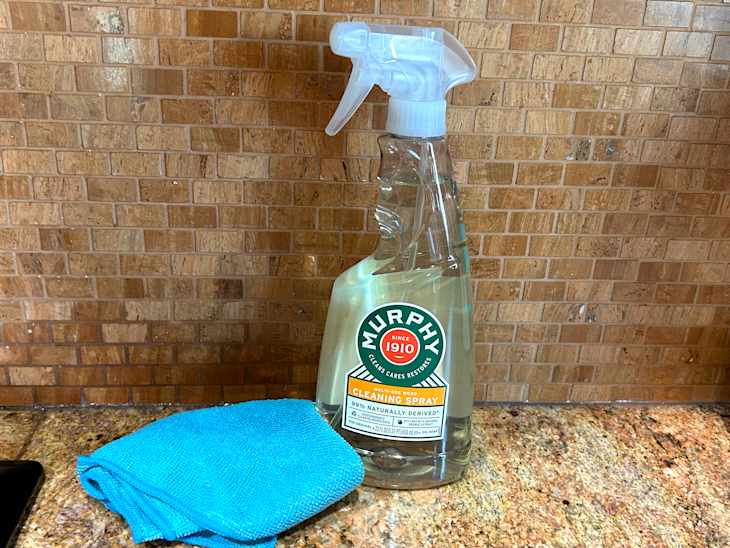
Credit: www.thekitchn.com
Expert Tips For Best Results
Murphy Oil Soap is a popular cleaner for wood surfaces like kitchen cabinets. Using it correctly can keep your cabinets clean and looking fresh. These expert tips will help you get the best results.
Learn how to combine Murphy Oil Soap with other products, avoid common mistakes, and set up a simple maintenance routine.
Combining With Other Cleaners
Murphy Oil Soap works well on its own but mixing it with other cleaners may cause issues. Avoid strong chemicals that can damage the wood finish.
- Do not mix Murphy Oil Soap with bleach or ammonia.
- Use only mild water-based cleaners if needed.
- Test any new cleaner on a small hidden spot first.
- Rinse with water after cleaning to remove residue.
Avoiding Common Mistakes
Some errors can reduce the effectiveness of Murphy Oil Soap or harm your cabinets. Avoid these to keep your wood safe.
| Mistake | Why to Avoid | Tip |
| Using too much soap | Leaves sticky residue | Use the recommended amount on the label |
| Cleaning without wiping dry | Water spots or damage | Always dry cabinets with a soft cloth |
| Scrubbing with abrasive tools | Scratches wood surface | Use soft sponges or cloths only |
| Ignoring manufacturer instructions | May void cabinet warranty | Read labels before use |
Maintenance Routine
Regular care keeps your kitchen cabinets shining and clean. Use Murphy Oil Soap as part of a simple routine.
- Dust cabinets weekly with a dry microfiber cloth.
- Mix a small amount of Murphy Oil Soap with warm water.
- Wipe cabinets gently using a soft cloth dampened with the solution.
- Rinse cloth in clean water and wipe again to remove soap.
- Dry cabinets fully with a dry cloth to prevent water marks.
- Polish wood occasionally to restore shine.
Comparing Alternatives
Cleaning kitchen cabinets keeps them looking fresh and lasting longer. Many products and methods exist for this task.
Choosing the right cleaner depends on your cabinet material and cleaning needs. Let’s compare some popular options.
Commercial Cabinet Cleaners
These cleaners are made for cabinets and often remove grease and grime quickly. They come in sprays, wipes, or liquids.
- Easy to use and widely available
- Formulated to protect cabinet finishes
- Some contain chemicals that may irritate skin
- Price varies depending on brand and size
Diy Cleaning Solutions
Many people prefer homemade cleaners made from common household ingredients. These are often cheaper and less harsh.
| Ingredient | Use | Notes |
| Vinegar and Water | Grease removal | Test on small area first |
| Baking Soda Paste | Stain removal | Gentle scrubbing needed |
| Lemon Juice | Fresh scent and light cleaning | Avoid on sensitive wood |
| Dish Soap and Water | General cleaning | Rinse well to avoid residue |
Eco-friendly Options
Eco-friendly cleaners use natural or biodegradable ingredients. They reduce environmental impact and are safer for families.
- Plant-based cleaning sprays
- Non-toxic wipes
- Refillable cleaning concentrates
- Packaging made from recycled materials
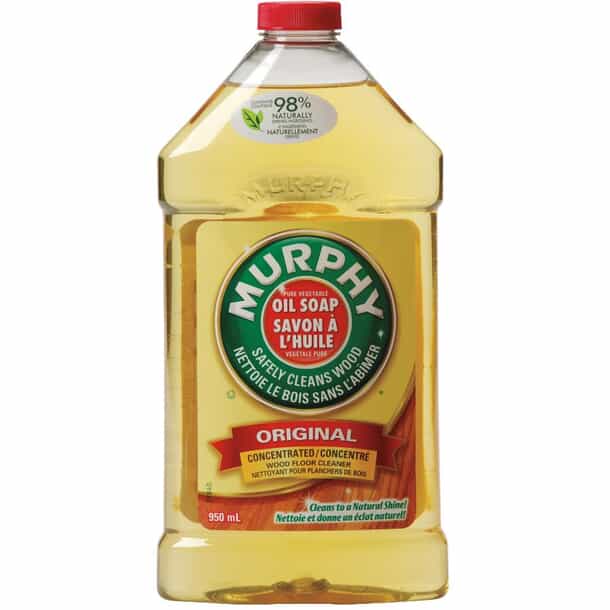
Credit: www.homehardware.ca
Frequently Asked Questions
Is Murphy Oil Soap Safe For Kitchen Cabinet Surfaces?
Yes, Murphy Oil Soap is safe for most wood kitchen cabinets. It gently cleans without stripping natural oils or finishes, preserving cabinet quality.
Can Murphy Oil Soap Remove Grease From Cabinets?
Murphy Oil Soap effectively cuts through light grease and grime on cabinets. For heavy buildup, multiple applications may be needed for best results.
How Often Should I Use Murphy Oil Soap On Cabinets?
Use Murphy Oil Soap on kitchen cabinets every 1-2 weeks. Regular cleaning maintains shine and prevents dirt buildup without damaging wood.
Will Murphy Oil Soap Damage Cabinet Finishes?
No, Murphy Oil Soap is designed to clean without harming cabinet finishes. Always test on a small area first to ensure compatibility.
Conclusion
Murphy Oil Soap cleans kitchen cabinets gently and effectively. It removes dirt without harming wood finishes. Using it often keeps cabinets looking fresh and bright. Just dilute it with water before applying. Avoid using too much to protect the wood.
Many people find it a safe, easy cleaner. It suits most wood types and stains. Try it for a simple, natural cleaning choice. Your cabinets may thank you for the care. A good cleaner makes kitchen work feel easier.