Imagine the mouthwatering aroma of perfectly smoked brisket wafting through your backyard. You’ve got your smoker ready, the meat is seasoned to perfection, but there’s one crucial question left: What temp should you cook that brisket to achieve melt-in-your-mouth goodness?
You’re not alone in pondering this. The quest for the ideal brisket often hinges on getting the temperature just right. It's the secret ingredient that transforms your cookout from ordinary to extraordinary. In this guide, you'll uncover the optimal temperature for smoking brisket, ensuring that your next barbecue leaves a lasting impression on your taste buds and your guests.
Ready to unlock the secrets to a brisket that’s both tender and flavorful? Keep reading to find out how.
Choosing The Right Brisket Cut
Cooking brisket in a smoker needs the right cut for best flavor and texture. Knowing which part to use helps you get tender, juicy results.
This guide looks at the key differences between brisket cuts and how to pick quality meat for smoking.
Flat Vs Point: Key Differences
The brisket has two main parts: the flat and the point. Each part cooks differently and has unique qualities.
| Cut | Description | Fat Content | Best Use |
|---|---|---|---|
| Flat | Lean and uniform in shape | Lower fat | Slices well for sandwiches |
| Point | Thicker with more marbling | Higher fat | Juicy, rich flavor |
Choose the flat for leaner slices and the point for richer taste and more fat. Many cooks use the whole brisket to balance these qualities.
Selecting Quality Meat
Quality brisket starts with good meat. Look for fresh, firm cuts with good marbling and color.
- Pick brisket with even fat coverage, about ¼ inch thick
- Look for deep red color without dark spots
- Choose meat that feels firm but not hard
- Avoid cuts with excessive moisture or a strong smell
Good meat will cook evenly and stay juicy over long smoking times.
Credit: grassrootscoop.com
Preparing Brisket For Smoking
Smoking brisket requires proper preparation to get the best flavor and texture. Taking time to prepare your meat well makes a big difference.
Two key steps to prepare brisket are trimming and applying rubs or marinades. These steps help the meat cook evenly and taste great.
Trimming Techniques
Trimming brisket removes extra fat and silver skin that can affect cooking. The right trim helps smoke penetrate the meat better.
- Use a sharp knife to trim fat cap to about ¼ inch thickness.
- Remove any hard or thick chunks of fat that won’t render well.
- Take off silver skin and tough connective tissue for tenderness.
- Shape the brisket to a more even thickness for uniform cooking.
Applying Rubs And Marinades
Rubs and marinades add flavor and help form a crust on the brisket. Choose spices and liquids that suit your taste.
| Type | Purpose | Common Ingredients |
| Dry Rub | Adds flavor and bark | Salt, pepper, paprika, garlic powder |
| Marinade | Tenderizes and flavors | Vinegar, soy sauce, Worcestershire, spices |
Ideal Smoker Temperatures
Cooking brisket in a smoker requires careful temperature control. The right heat level affects texture and flavor. You can choose between slow cooking or faster methods.
Understanding the ideal smoker temperatures helps you get tender, juicy brisket every time. Below are two common temperature ranges for smoking brisket.
Low And Slow Cooking Range
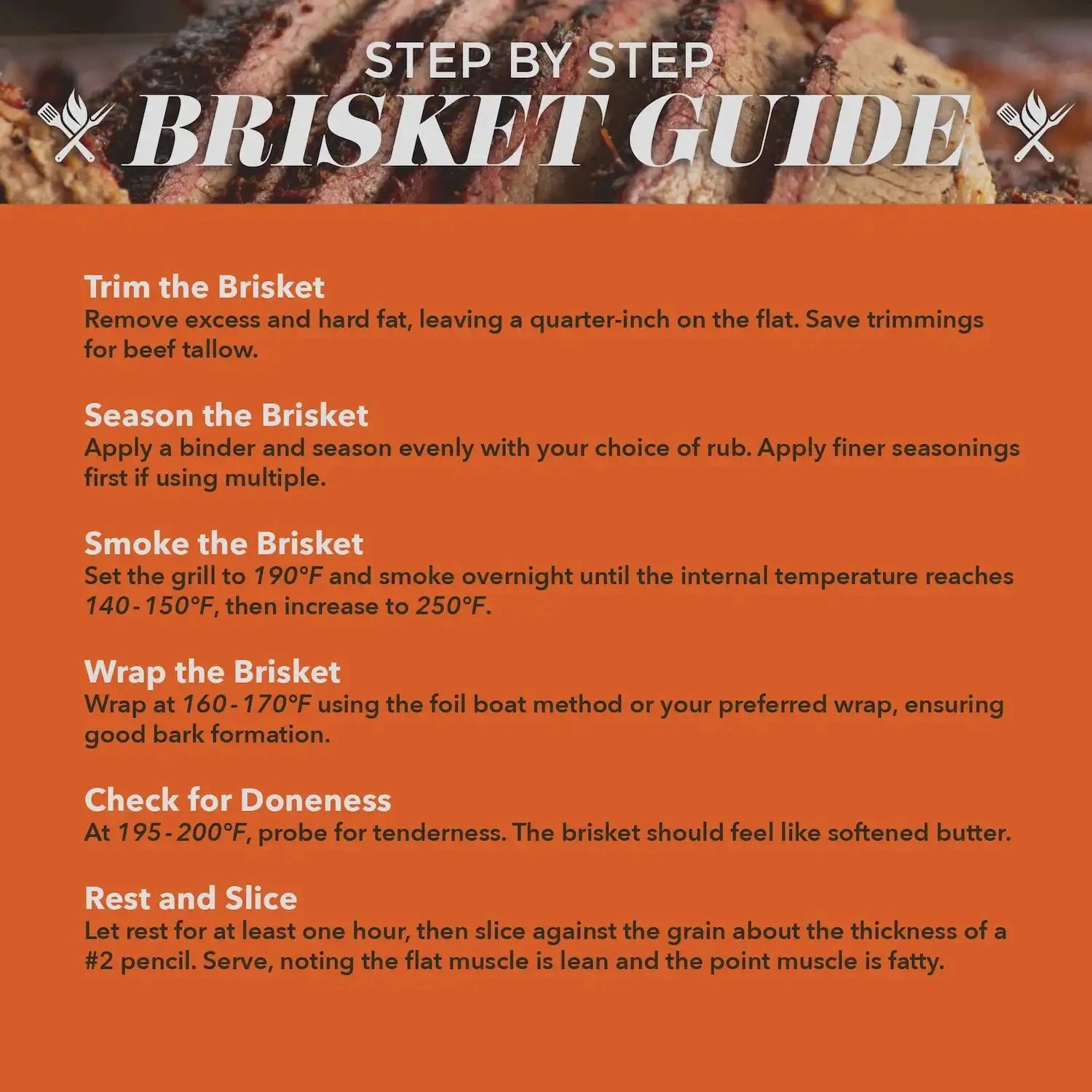
Low temperatures between 225°F and 250°F are best for slow cooking brisket. This method breaks down tough fibers and melts fat gently. It can take 10 to 14 hours depending on the size.
- Set smoker temperature between 225°F and 250°F
- Cook brisket for 1 to 1.5 hours per pound
- Maintain steady heat for even cooking
- Use wood chips for smoke flavor
- Wrap brisket in foil during the stall phase
High Heat For Faster Cooking
Higher temperatures from 275°F to 300°F cook brisket faster. This method reduces cooking time to 6 to 8 hours. It produces a different texture with a firmer bark.
| Temperature Range | Cooking Time | Texture Result |
| 225°F - 250°F | 10 - 14 hours | Very tender, soft bark |
| 275°F - 300°F | 6 - 8 hours | Firm bark, slightly less tender |
Credit: www.artofmanliness.com
Smoking Time Estimates
Cooking brisket in a smoker takes time and patience. The temperature you choose affects how long it takes.
Knowing the smoking time helps you plan your cook and get the best results.
Factors Influencing Cooking Duration
Several things change how long brisket needs in the smoker. Size is one of the biggest factors.
Other factors include smoker temperature, weather, and how often you open the smoker.
- Larger briskets take longer to cook
- Lower smoker temperatures increase cooking time
- Cold or windy weather can slow cooking
- Opening the smoker lets heat escape
Average Time Per Pound
On average, brisket cooks between 1 to 1.5 hours per pound at 225°F (107°C). This is a good starting point.
Higher temperatures cook faster but need more care to avoid drying out the meat.
| Smoker Temperature | Average Time per Pound |
|---|---|
| 225°F (107°C) | 1 to 1.5 hours |
| 250°F (121°C) | 45 minutes to 1 hour |
| 275°F (135°C) | 30 to 45 minutes |
Monitoring Internal Temperature
Cooking brisket in a smoker takes time and care. The key to perfect brisket is watching its internal temperature closely.
Using the right temperature helps make the meat tender and juicy. It also keeps you from overcooking or undercooking the brisket.
Target Temperature For Doneness
Brisket is usually done when it reaches a certain internal temperature. This temperature tells you the meat is tender and ready.
The most common target temperature for brisket is between 195°F and 205°F. This range makes the meat soft and easy to slice.
- 195°F (90°C): Brisket starts to become tender
- 200°F (93°C): Meat is softer and juicy
- 205°F (96°C): Very tender, easy to pull apart
Using Meat Thermometers Effectively
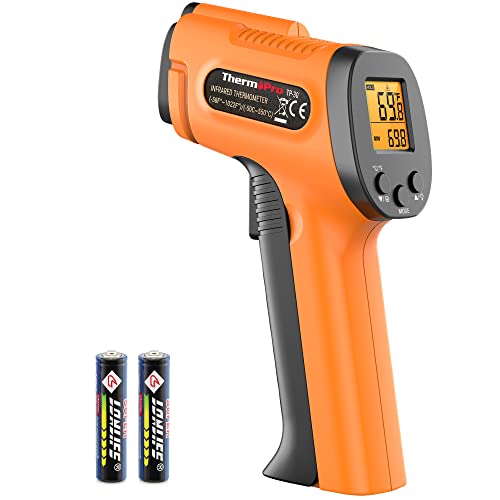
Use a good meat thermometer to check the brisket’s temperature. Insert it into the thickest part of the meat for the best reading.
Digital or probe thermometers work well. Leave the probe in the brisket during smoking to watch the temperature without opening the smoker often.
- Insert the thermometer into the thickest part
- Avoid touching bones or fat, which can give false readings
- Check temperature regularly to avoid overcooking
- Use a remote probe thermometer to monitor without opening the smoker
Managing Smoke And Heat
Cooking brisket in a smoker needs careful control of smoke and heat. The right balance helps the meat stay juicy and flavorful.
Too much smoke or high heat can ruin the brisket. You must choose the right wood and keep an eye on your smoker’s temperature.
Best Wood Types For Brisket
Wood affects the taste of your brisket. Hardwoods give the best smoke flavor without being too strong or bitter.
- Hickory: Adds a strong, smoky flavor that pairs well with beef.
- Oak: Burns steady and gives a medium smoky taste.
- Mesquite: Provides a bold, earthy smoke but use sparingly.
- Cherry: Offers a mild, sweet smoke and a nice color.
- Apple: Gives a light, fruity smoke for subtle flavor.
Controlling Smoke Levels
Too much smoke can make the brisket bitter. Clear, thin smoke is best for cooking low and slow.
| Smoke Color | Effect |
| White or Blue | Clean smoke, good flavor |
| Gray | Too much smoke, bitter taste |
| Black | Incomplete burning, unpleasant taste |
Resting And Serving Brisket
After cooking brisket in the smoker, resting it is very important. Resting lets the juices settle inside the meat.
Serving brisket at the right time and slicing it well will make it tender and tasty for everyone.
Importance Of Resting Time
Resting brisket helps keep it juicy and flavorful. If you cut it too soon, the juices will run out. This makes the meat dry and tough.
- Wrap brisket in foil or butcher paper for resting.
- Let it rest at room temperature for 30 to 60 minutes.
- Resting allows heat to spread evenly inside the meat.
- It makes slicing easier and the meat holds together better.
Slicing Tips For Tenderness
How you slice brisket affects its tenderness. Slicing against the grain shortens muscle fibers, making the meat easier to chew.
| Tip | Details |
|---|---|
| Find the grain | Look at the lines in the meat and slice across them. |
| Use a sharp knife | A sharp blade gives clean cuts without tearing the meat. |
| Slice thinly | Thin slices make the brisket more tender and easier to eat. |
| Keep the slices consistent | Uniform slices cook evenly and look better on the plate. |

Credit: themeatstick.com
Common Brisket Smoking Mistakes
Smoking a brisket takes patience and care. Many cooks make mistakes that affect the meat's texture and flavor.
Understanding temperature errors helps you avoid dry or tough brisket. Keep an eye on heat and time for best results.
Temperature Pitfalls To Avoid
Setting the smoker too hot or too low can spoil your brisket. High heat burns the outside before the inside cooks. Low heat takes too long and dries the meat.
- Do not exceed 275°F; it cooks too fast and toughens brisket.
- Avoid temperatures below 200°F; it slows cooking and dries meat.
- Keep smoker steady between 225°F and 250°F for even cooking.
- Use a reliable thermometer to monitor smoker heat.
- Do not open smoker often; it drops the temperature too much.
Overcooking And Undercooking Signs
Brisket that is overcooked becomes dry and stringy. Undercooked brisket is tough and hard to chew.
| Sign | Description | What to Do |
| Dry Texture | Meat feels crumbly and lacks juice. | Lower temperature and wrap brisket in foil. |
| Burnt Edges | Blackened outside with bitter taste. | Reduce smoker heat and move brisket away from heat source. |
| Hard to Slice | Meat resists cutting and feels tough. | Cook longer at low heat until tender. |
| Rubbery Texture | Meat feels chewy and dense. | Increase cooking time to break down collagen. |
Frequently Asked Questions
What Is The Ideal Smoker Temperature For Brisket?
The ideal smoker temperature for brisket is between 225°F and 250°F. This low and slow method ensures tender, juicy meat with a smoky flavor.
How Long Should Brisket Cook At 225°f?
At 225°F, brisket typically takes 1 to 1. 5 hours per pound. Cooking time depends on meat size and smoker consistency.
Can I Cook Brisket At Higher Smoker Temperatures?
Yes, you can cook brisket at 275°F to 300°F. It reduces cooking time but requires careful monitoring to avoid dryness.
What Internal Temperature Is Perfect For Smoked Brisket?
The perfect internal temperature for smoked brisket is 195°F to 205°F. This range breaks down collagen for tenderness and flavor.
Conclusion
Cooking brisket in a smoker needs steady low heat. Aim for around 225°F to 250°F for best results. Patience is key; slow cooking breaks down tough meat fibers. Use a meat thermometer to check for tenderness. Once brisket reaches about 195°F to 205°F, it will be juicy and soft.
Rest the meat before slicing to keep flavors inside. This simple temperature guide helps make tasty, tender brisket every time. Enjoy your smoky, flavorful meal with confidence.