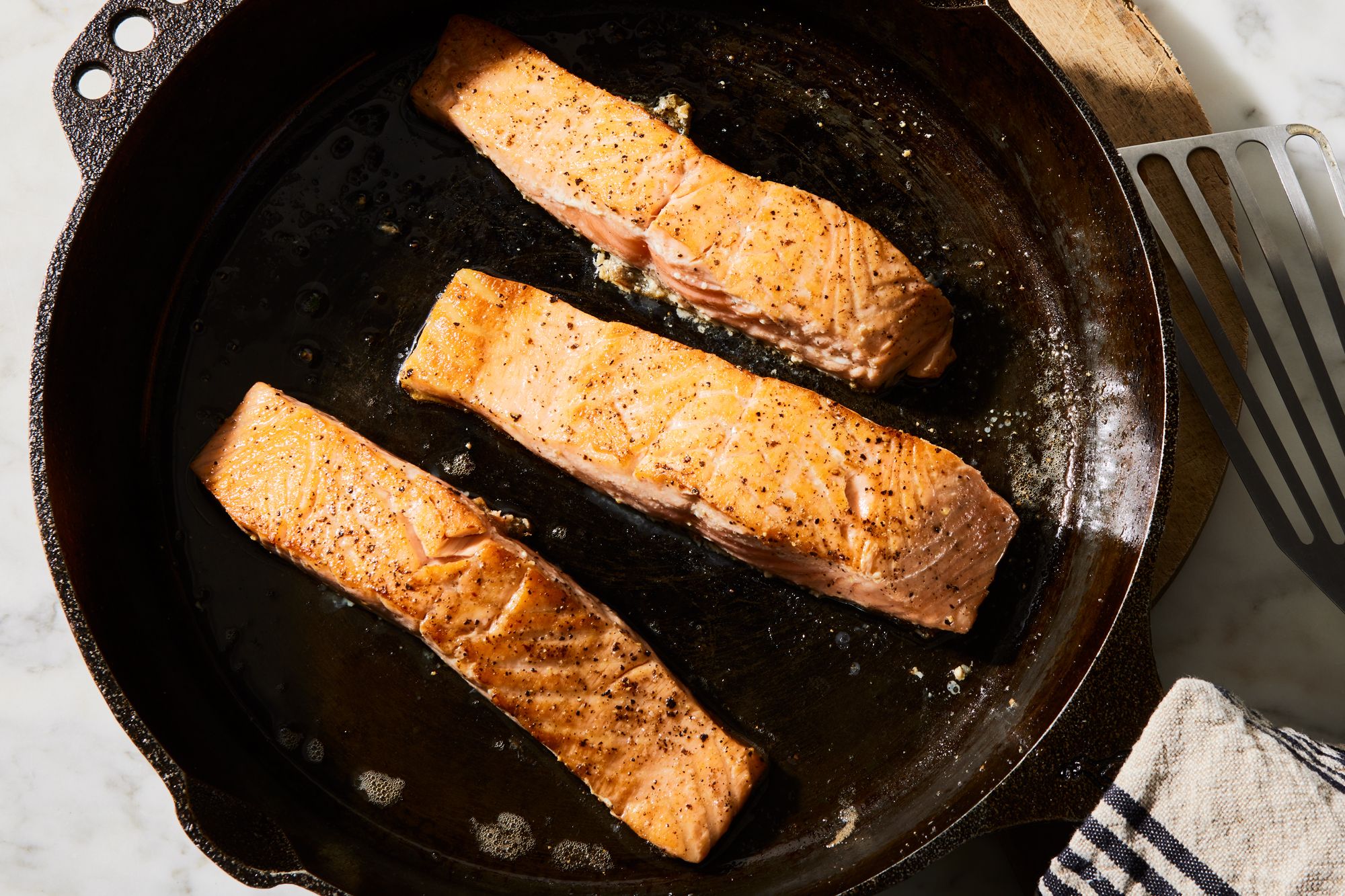
If you want to cook salmon that’s crispy on the outside and tender inside, pan frying is the way to go. It’s quick, simple, and gives you a delicious meal with just a few ingredients.
Imagine serving perfectly cooked salmon that looks and tastes like it’s from a restaurant, right in your own kitchen. Keep reading, and you’ll learn easy steps and insider tips to master pan frying salmon every time. Your next dinner will be something to remember!
Choosing The Right Salmon
Pan frying salmon is a quick and tasty way to cook this fish. Choosing the right salmon helps you get the best flavor and texture.
Different types of salmon offer different tastes. Knowing what to look for will make your meal better.
Wild Vs Farmed Salmon
Wild salmon comes from natural waters, while farmed salmon is raised in pens. Wild salmon usually has a stronger taste.
Farmed salmon often has more fat, making it softer and richer. Both types work well for pan frying.
- Wild salmon: leaner, firmer, stronger flavor
- Farmed salmon: fattier, tender, milder taste
- Price and availability can vary
Freshness And Quality Tips
Fresh salmon smells like the ocean, not fishy. Its flesh should be firm and moist.
Look for clear eyes and shiny skin if buying whole salmon. For fillets, check that the color is bright and even.
- Smell: fresh, clean scent
- Texture: firm and elastic
- Color: vibrant and consistent
- Packaging: no excess liquid or damage
Best Cuts For Pan Frying
Choose salmon cuts that cook evenly and hold together in the pan. Fillets with skin on work best.
Salmon steaks are good but may need more care to avoid breaking. Skin helps keep moisture and adds crispiness.
- Fillets with skin: easy to cook, crisp skin
- Salmon steaks: thicker, good for slower cooking
- Boneless cuts: convenient but need gentle cooking
Preparing Salmon For Cooking
Preparing salmon well helps you cook it evenly. Good prep keeps the salmon moist and tasty.
Before pan frying, you should clean, dry, score, and season the fish properly. These steps improve flavor and texture.
Cleaning And Patting Dry
Rinse the salmon under cold water to remove any scales or debris. Use your fingers gently to clean the surface.
Pat the salmon dry with paper towels. Dry skin helps it crisp nicely in the pan.
- Use cold water for rinsing
- Handle fish gently to avoid damage
- Pat dry thoroughly with clean towels
Scoring The Skin
Use a sharp knife to make shallow cuts in the salmon skin. Score about 3-4 lines on the skin side.
Scoring prevents the skin from curling while cooking. It also helps heat reach the thick parts evenly.
- Make shallow cuts about 1 inch apart
- Do not cut into the flesh deeply
- Score only the skin side of the salmon
Seasoning Techniques
Season the salmon with salt and pepper before cooking. This brings out natural flavors.
You can also add herbs or spices. Apply seasoning evenly on both sides for balanced taste.
- Use coarse salt for better texture
- Add black pepper for mild heat
- Optional: sprinkle herbs like dill or thyme
- Season skin side last to keep it dry
Selecting The Best Pan And Oil
Pan frying salmon is a simple way to cook a tasty meal. Choosing the right pan and oil helps get the best flavor and texture.
The pan type and oil you use affect how the salmon cooks and how easy it is to clean up after.
Non-stick Vs Cast Iron Pans
Non-stick pans stop salmon from sticking and make cooking easy. They need less oil and clean up fast.
Cast iron pans hold heat well and give salmon a nice crispy crust. They take time to heat but keep heat steady.
- Non-stick pans: easy to use, less oil, quick clean
- Cast iron pans: heats evenly, crispy crust, needs seasoning
- Choose based on how you like your salmon texture
Oils For High Heat Cooking
Salmon cooks best with oils that can handle high heat. These oils do not burn quickly and keep flavors pure.
Good oils for pan frying include avocado oil, canola oil, and light olive oil. They have high smoke points.
- Avocado oil: smoke point about 520°F (271°C)
- Canola oil: smoke point about 400°F (204°C)
- Light olive oil: smoke point about 465°F (240°C)
Avoiding Smoke And Burn
Use medium-high heat to cook salmon evenly. Too much heat makes oil smoke and fish burn.
Heat the pan first, then add oil and fish. This helps control temperature and keeps salmon juicy.
- Preheat pan before adding oil
- Use oils with high smoke points
- Adjust heat to avoid burning
- Cook salmon skin-side down first for crispiness

Credit: www.hungryhuy.com
Pan Frying Techniques
Pan frying salmon is a quick way to get a crispy outside and tender inside. Using the right techniques makes a big difference in flavor and texture.
Knowing how to heat the pan, handle the skin, and time the cooking helps you cook salmon perfectly every time.
Heating The Pan Properly
Start by warming your pan on medium heat. A hot pan prevents the fish from sticking and creates a nice crust.
- Use a heavy skillet like cast iron or stainless steel
- Preheat the pan for about 2 to 3 minutes
- Add a small amount of oil with a high smoke point
- Wait until the oil shimmers before adding salmon
Skin Side Down First
Place the salmon skin side down to start cooking. This protects the delicate flesh and crisps the skin nicely.
| Reason | Benefit |
|---|---|
| Skin side down first | Helps prevent the fish from breaking apart |
| Skin crisps up | Adds texture and flavor |
| Fat renders from skin | Keeps salmon moist |
Timing And Flipping Tips
Cook the salmon skin side down for most of the time. Flip only once to finish cooking the other side.
- Cook skin side down for 4 to 5 minutes without moving the fish
- Check if the edges turn opaque before flipping
- Flip gently using a spatula
- Cook the flesh side for 1 to 2 minutes until done
- Remove from pan and rest for a few minutes before serving
Achieving Crispy Skin
Pan frying salmon is a great way to get crispy skin. The key is to prepare and cook the fish carefully. This guide shows you how to get that perfect crunch.
Each step helps keep the skin crisp while cooking the salmon just right. Follow these tips for a tasty meal.
Pressing The Salmon Gently
Press the salmon skin gently against the pan when you first add it. This stops the fish from curling and helps the skin cook evenly. Use a spatula or fish press for this step.
Avoiding Overcrowding
Cook the salmon pieces with enough space around each one. Overcrowding lowers the pan’s heat and traps steam. This makes the skin soft instead of crispy.
- Use a wide pan or cook in batches
- Do not stack the salmon pieces
- Keep the heat medium-high for best results
Finishing Touches For Crispiness
After the skin is crisp, flip the salmon and cook the other side briefly. You can add a small amount of butter or oil to boost the crisp texture and flavor.
| Tip | Reason |
| Use a hot pan | Helps skin crisp fast |
| Pat skin dry before cooking | Reduces moisture for crunch |
| Cook skin side first | Protects fish and crisps skin |
Serving Suggestions
Pan-fried salmon is tasty and easy to serve. Pair it with sauces, sides, and garnishes to enhance flavors.
These serving ideas help create a balanced and colorful meal. Choose options that suit your taste and occasion.
Complementary Sauces
Sauces add moisture and flavor to pan-fried salmon. Pick one that matches your style and mood.
- Lemon butter sauce brightens the fish with citrus and cream.
- Dill yogurt sauce offers a fresh and tangy taste.
- Honey mustard glaze gives a sweet and sharp contrast.
- Garlic aioli adds a creamy and rich flavor.
- Soy ginger sauce brings an Asian twist with umami notes.
Side Dishes Ideas
Serve salmon with sides that balance its rich texture. Vegetables and grains work well.
| Side Dish | Description | Preparation Tip |
|---|---|---|
| Steamed asparagus | Light and crisp green vegetable | Steam until tender but still firm |
| Garlic mashed potatoes | Creamy and smooth comfort food | Use roasted garlic for extra flavor |
| Quinoa salad | Nutty grain with fresh vegetables | Cool before serving for best texture |
| Roasted Brussels sprouts | Crispy and caramelized vegetable | Toss with olive oil and roast until golden |
| Wild rice pilaf | Earthy and chewy rice mix | Cook with broth for added taste |
Garnishing Tips
Garnishes add color and a fresh touch to salmon dishes. Use them just before serving.
- Sprinkle chopped fresh herbs like parsley, dill, or chives.
- Add thin lemon or lime slices for a citrus scent.
- Use toasted sesame seeds for a crunchy contrast.
- Place edible flowers for an elegant look.
- Drizzle a bit of olive oil or balsamic glaze on top.
Troubleshooting Common Issues
Pan frying salmon is simple but can have some tricky parts. Common problems include skin sticking, overcooking, and uneven crispiness. Fixing these helps you cook salmon perfectly every time.
Below are tips and solutions to avoid these issues and get the best results with your salmon.
Skin Sticking To The Pan
Salmon skin often sticks if the pan is not ready or the fish is wet. Use a non-stick pan or a well-seasoned cast iron skillet. Make sure the pan is hot before adding the salmon.
- Pat the salmon dry with paper towels before cooking.
- Heat the pan on medium-high heat until it is hot.
- Add a small amount of oil and let it heat.
- Place the salmon skin-side down and do not move it until the skin is crispy.
Salmon Overcooked Or Undercooked
Salmon cooks quickly and can easily become overcooked or undercooked. Use a timer and check the thickness of the fish. The inside should be slightly pink and flaky when done.
| Issue | Cause | Fix |
| Overcooked | Cooked too long or too high heat | Reduce heat and cook for less time |
| Undercooked | Cooked too short or low heat | Increase heat slightly and cook longer |
Uneven Crispiness
Uneven crispiness happens when the pan temperature changes or the salmon is not cooked flat. Press the fish gently with a spatula to keep it flat. Maintain steady heat for even cooking.
- Use a heavy pan that holds heat well.
- Press salmon down lightly to keep skin flat.
- Cook on medium heat for even crispiness.
- Flip only once to avoid breaking the skin.
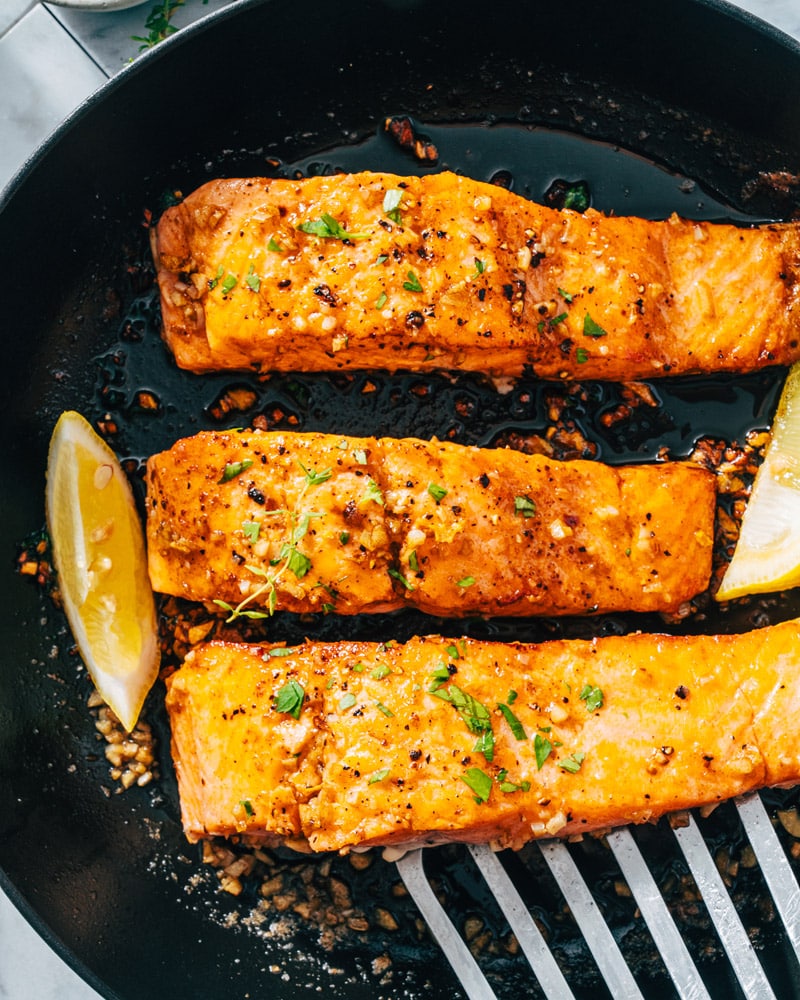
Credit: www.acouplecooks.com

Credit: www.youtube.com
Frequently Asked Questions
What Is The Best Oil For Pan Frying Salmon?
The best oil for pan frying salmon is one with a high smoke point. Options like canola, grapeseed, or avocado oil are ideal. These oils prevent the salmon from sticking and burning, ensuring a crispy, delicious finish. Always heat the oil before adding the salmon for optimal results.
How Long Should Salmon Be Pan-fried?
Salmon should be pan-fried for about 3-4 minutes per side. This cooking time ensures the salmon is cooked through while remaining juicy. Thicker fillets may need an additional minute per side. Always check for a golden-brown crust and opaque flesh to ensure it's perfectly cooked.
Should You Remove The Salmon Skin Before Frying?
It's best to leave the skin on when pan frying salmon. The skin acts as a barrier, preventing the fish from drying out. It also adds flavor and a delightful crispy texture. For easy removal, cook skin-side down first, then peel off before serving if desired.
How To Know When Salmon Is Fully Cooked?
Salmon is fully cooked when it turns opaque and flakes easily with a fork. The internal temperature should reach 145°F (63°C) for safe consumption. A slightly translucent center is acceptable for those preferring medium-rare. Avoid overcooking to maintain the fish's moisture and tenderness.
Conclusion
Pan frying salmon is quick and simple to do at home. A hot pan and fresh fish make all the difference. Keep the skin crispy and the inside juicy. Use just a little oil and watch the salmon cook evenly.
Serve with your favorite sides for a tasty meal. With these easy steps, you can enjoy delicious salmon anytime. Try it today and enjoy a healthy, flavorful dish. Cooking salmon this way brings great taste and satisfaction.