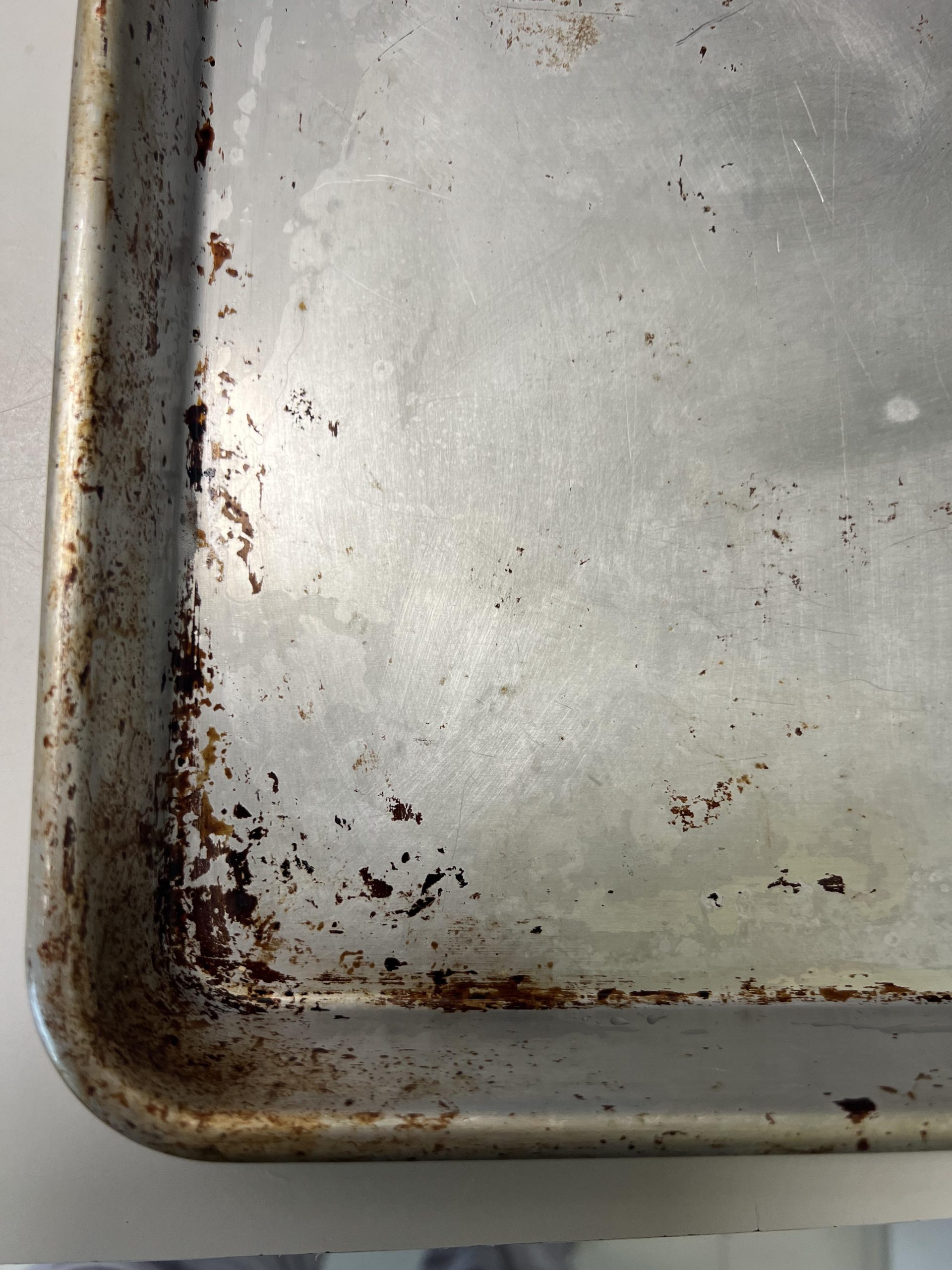
How to Clean Rust off Baking Pans: Are your favorite baking pans starting to show their age with unsightly rust spots? You’re not alone.
Rust can quickly turn your trusty kitchen tools into eyesores, and it might even make you hesitate to use them. But don’t worry, you don’t need to toss them out just yet. Imagine the satisfaction of seeing your pans gleaming like new again, ready to bake those delicious treats for your family.
You’ll discover simple, effective methods to clean rust off your baking pans, saving you money and keeping your kitchenware in top shape. Let’s dive in and bring back the sparkle to your baking essentials!

Credit: www.reddit.com
Causes Of Rust on Baking Pans
Rust on baking pans forms when metal reacts with moisture and air. This causes a reddish-brown layer called rust to appear.
Understanding what causes rust helps keep your pans clean and lasting longer.
Common Factors Leading to Rust
Rust often appears because of water left on pans after washing. If pans stay wet for a long time, rust can form.
Scratches or damage to the pan’s surface also make rust more likely. The protective layer wears off and metal shows.
- Leaving pans wet without drying
- Using abrasive cleaning tools that scratch
- Storing pans in humid places
- Exposing pans to salty or acidic foods
- Not seasoning pans that need it
Types Of Materials Prone to Rust
Some baking pan materials rust more easily than others. Steel and iron are the most common to rust.
Non-stick and aluminum pans usually resist rust better because they have special coatings or do not contain iron.
- Carbon steel pans rust without proper care
- Cast iron pans develop rust if not dried or oiled
- Stainless steel resists rust but can still corrode
- Aluminum pans rarely rust but can oxidize
- Non-stick pans avoid rust due to coating
Safety Measures Before Cleaning
Cleaning rust off baking pans can be tricky. Rust particles and cleaning agents may harm your skin and eyes. Taking safety steps keeps you safe during the process.
Before you start, prepare your workspace and wear the right gear. This stops injury and protects your health.
Protective Gear to Use
Wearing protective gear helps prevent irritation and injury. Use items that cover your skin and eyes fully.
- Rubber gloves to protect your hands from rust and cleaning chemicals
- Safety goggles to shield your eyes from splashes
- A mask to avoid inhaling rust dust or fumes
- Long sleeves and pants to cover your arms and legs
- An apron to protect your clothes from stains and chemicals
Handling Rust Safely
Rust can be sharp and may cause cuts. Handle rusty pans carefully to avoid injuries.
| Safety Tip | Reason |
|---|---|
| Work in a well-ventilated area | Prevents inhaling harmful fumes |
| Use gentle scrubbing tools | Avoids damaging the pan and reduces rust dust |
| Do not use bare hands to scrub rust | Protects skin from cuts and chemicals |
| Dispose of rust particles properly | Keeps the environment clean and safe |
Home Remedies For Rust Removal
Rust on baking pans can make cooking difficult and ruin your pans. You can remove rust using simple home ingredients. These methods are safe and easy to try.
Here are three common home remedies that use baking soda, vinegar, and lemon with salt. Each method helps clean rust and restore your pans.
Using Baking Soda Paste
Baking soda is a mild abrasive that helps scrub rust off without damaging the pan. Make a thick paste with water and baking soda. Apply the paste to the rust spots and let it sit for 15 minutes.
Use a sponge or brush to scrub the paste on the rust. Rinse well with warm water and dry the pan completely to stop more rust from forming.
Applying Vinegar Soak
White vinegar contains acids that dissolve rust. Soak the rusty part of your baking pan in vinegar for a few hours. After soaking, scrub the rust with a brush or cloth.
- Pour enough vinegar to cover the rusted area.
- Let the pan soak for 2 to 3 hours.
- Scrub the rust with a soft brush.
- Rinse the pan with water and dry it well.
Lemon And Salt Method
Lemon juice is acidic and salt acts as a scrub. This method is gentle and natural for removing rust. Sprinkle salt on the rusted area, then squeeze lemon juice over it.
| Ingredient | Role | How to Use |
|---|---|---|
| Lemon Juice | Acid to break down rust | Squeeze over salted rust |
| Salt | Abrasive scrub | Sprinkle on rust before lemon juice |
Let the lemon and salt mix sit on the pan for 2 hours. Then scrub the area with a sponge. Rinse and dry the pan well to prevent new rust.
Commercial Rust Removers
Rust on baking pans can damage their surface and affect cooking. Commercial rust removers offer an easy way to clean them. These products are designed to break down rust quickly and safely.
Choosing the right remover and using it correctly will protect your pans and restore their shine. Read on to learn how to pick and apply rust removers properly.
Choosing The Right Product
Not all rust removers work the same. Some are strong and best for heavy rust. Others are gentle for light rust or delicate pans.
- Check if the remover is safe for food-contact surfaces.
- Look for products that match your pan's material.
- Choose removers with clear instructions and warnings.
- Pick a remover that fits the rust level on your pan.
- Consider eco-friendly options to reduce chemical use.
Proper Application Techniques
Applying rust remover correctly helps clean the pan without damage. Always follow safety steps and product directions.
| Step | Action | Tip |
| 1 | Wear gloves and work in a ventilated area. | Protect your skin and avoid fumes. |
| 2 | Apply rust remover evenly on rust spots. | Use a brush or cloth for even coverage. |
| 3 | Let the remover sit for the time stated on the label. | Do not rush this step for best results. |
| 4 | Scrub gently with a non-abrasive pad. | Prevent scratching your pan’s surface. |
| 5 | Rinse thoroughly with warm water. | Remove all chemicals to make the pan safe. |
| 6 | Dry the pan completely before storing. | Stop new rust from forming by drying well. |
Preventing Future Rust
Rust can damage baking pans and make them unsafe to use. Preventing rust helps your pans last longer. Simple care steps keep your pans rust-free.
Keep your pans dry and clean after each use. Store them properly to avoid moisture buildup. Regular maintenance stops rust from forming.
Drying And Storage Tips
Always dry baking pans completely after washing. Water left on the surface causes rust to form fast. Use a towel or air dry the pans in a warm place.
Store pans in a dry area with good air circulation. Avoid stacking pans tightly to prevent moisture traps. Use paper towels between pans for extra protection.
- Dry pans immediately after washing
- Store in a cool, dry place
- Leave space between stacked pans
- Place paper towels between pans
- Keep pans away from damp areas
Regular Maintenance Practices
Clean baking pans right after use to stop rust buildup. Avoid using harsh scrubbers that can damage the surface. Mild soap and soft sponges work best.
Apply a thin coat of cooking oil after drying. This layer protects the metal from moisture. Reapply oil every few uses for best results.
- Wash pans promptly after use
- Use mild soap and soft sponges
- Dry pans thoroughly every time
- Lightly oil pans after drying
- Check for rust spots regularly
Credit: www.yahoo.com
When To Replace Your Baking Pans
Rust can ruin your baking pans and affect your food. Sometimes cleaning is not enough. You need to know when to replace your pans.
Using damaged pans can be unsafe. Here are signs to watch for and how to dispose of old pans safely.
Signs Of Irreparable Damage
Some damage makes baking pans unsafe or unusable. Look for these signs before deciding to keep your pan.
- Large rust patches that cannot be scrubbed off
- Deep scratches or pitting in the pan surface
- Warped or bent pans that do not sit flat
- Coating peeling away or flaking off
- Metal corrosion that weakens the pan
Safe Disposal Options
Old baking pans should be disposed of properly. Follow these safe options to avoid harm to people and the environment.
| Disposal Method | Details |
| Recycling | Check if your local center accepts metal pans. |
| Donation | Donate pans if still usable but unwanted. |
| Trash | Wrap pans in newspaper to avoid cuts before trashing. |
| Scrap Metal | Take pans to scrap yards for metal reuse. |
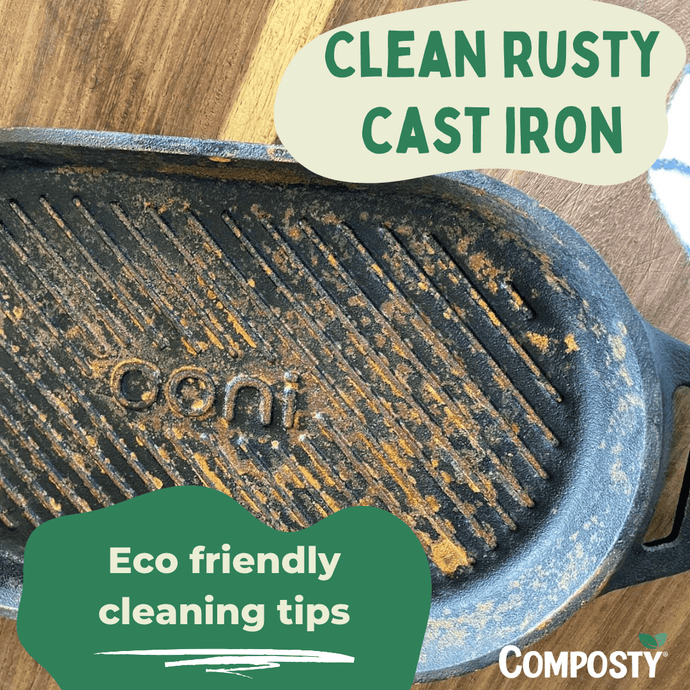
Credit: www.composty.earth
Frequently Asked Questions
How Do I Remove Rust From Baking Pans Naturally?
To remove rust naturally, use a mix of baking soda and water. Apply the paste on rust, scrub gently with a sponge, then rinse and dry thoroughly. This method is safe, eco-friendly, and effective for light rust stains.
Can Vinegar Clean Rust Off Baking Pans Effectively?
Yes, vinegar is effective for rust removal. Soak the pan in white vinegar for a few hours, then scrub with a brush. Rinse well and dry completely to prevent further rusting. Vinegar dissolves rust without harsh chemicals.
Is It Safe To Use Steel Wool On Rusty Pans?
Steel wool can remove rust but may scratch pans. Use it gently on sturdy pans only. For non-stick or coated pans, avoid steel wool to prevent damage. Always follow with thorough cleaning and drying.
How Can I Prevent Baking Pans From Rusting Again?
Prevent rust by drying pans completely after washing. Apply a thin layer of cooking oil to protect the surface. Store pans in a dry place. Regular maintenance keeps your baking pans rust-free and extends their lifespan.
Conclusion
Cleaning rust off baking pans is easier than you think. Use simple tools like vinegar, baking soda, and steel wool. Regular care keeps pans safe and ready for cooking. Rust won’t return if you dry pans well after washing. Clean pans last longer and work better.
Take time to remove rust and enjoy your cooking again. Your baking pans deserve this little effort. Clean, rust-free pans make every meal better.