Are you ready to elevate your dinner game with perfectly cooked pork chops? Cooking pork chops on the stove is a simple yet impressive skill that you can master.
Imagine juicy, flavorful pork chops with a delicious sear that leaves your taste buds wanting more. Whether you’re a seasoned chef or a beginner in the kitchen, this guide will walk you through every step, ensuring your pork chops turn out perfectly every time.
Get ready to impress yourself and your loved ones with this mouthwatering dish. Stick around, and by the end of this article, you’ll know exactly how to transform a simple pork chop into a culinary masterpiece on your stove.

Credit: www.101cookingfortwo.com
Choosing The Right Pork Chops
Picking the right pork chops is important for cooking on the stove. The cut and quality affect taste and cooking time.
Understanding pork chop types helps you choose the best one for your recipe and cooking style.
Different Cuts And Their Benefits
Pork chops come in different cuts. Each cut has its own flavor and tenderness. Choosing the right cut helps you cook better pork chops.
- Rib Chop:Has a bone and good fat. Tastes juicy and cooks evenly.
- Loin Chop:Lean and tender. Great for quick cooking on the stove.
- Sirloin Chop:Slightly tougher but full of flavor. Good for slow cooking or marinating.
Thickness And Quality Tips
Thickness affects cooking time and texture. Choose chops about 1 inch thick for best results on the stove.
Look for fresh, pink meat with little fat. Avoid chops with dry or brown spots. Quality pork cooks better and tastes good.
- Choose chops about 1 inch thick for even cooking.
- Look for firm, pink meat with some marbling.
- Avoid chops with dark or dry edges.
- Fresh pork has a mild smell, not sour.

Credit: weekendcraft.com
Essential Ingredients And Tools
Cooking pork chops on the stove is simple and quick. Using the right ingredients and tools helps get great results every time.
This guide covers the key seasonings for flavor and the best cooking equipment to use.
Seasonings For Flavor
Seasonings add taste and aroma to pork chops. A good mix highlights the meat’s natural flavor.
- Salt and black pepper for basic seasoning
- Garlic powder or fresh garlic for a rich taste
- Paprika for color and mild spice
- Dried thyme or rosemary for herbal notes
- Onion powder for a sweet, savory flavor
Use these seasonings before cooking. Rub them evenly on both sides of the pork chops.
Recommended Cooking Equipment
Choosing the right tools helps cook pork chops evenly and safely. Use sturdy equipment for best results.
- Heavy skillet or frying pan (cast iron works well)
- Tongs for flipping pork chops without piercing
- Meat thermometer to check doneness
- Spatula for easy handling
- Paper towels for drying chops before seasoning
A heavy pan holds heat well and cooks pork chops evenly. Tongs keep juices inside the meat when turning.
Preparing Pork Chops For Cooking
Cooking pork chops on the stove starts with good preparation. Preparing them right helps the chops cook evenly and taste better.
Focus on trimming, tenderizing, and seasoning to get the best results. These steps make your pork chops juicy and flavorful.
Trimming And Tenderizing
Trim off extra fat and silver skin from the pork chops. This prevents toughness and helps the meat cook well.
Tenderize the chops by gently pounding them with a meat mallet. This breaks down muscle fibers for softer meat.
- Use a sharp knife to trim excess fat.
- Remove the thin silver skin carefully.
- Place pork chop between plastic wrap before pounding.
- Use a meat mallet or heavy pan to pound evenly.
- Do not over-tenderize to avoid mushy texture.
Seasoning Techniques
Season pork chops with salt and pepper for basic flavor. Add herbs and spices for extra taste.
Apply seasoning evenly on both sides. Let the meat rest for a few minutes to absorb flavors before cooking.
- Sprinkle salt and pepper evenly on both sides.
- Use garlic powder, paprika, or dried herbs if desired.
- Rub seasoning gently into the meat surface.
- Rest chops at room temperature for 10-15 minutes.
- Do not add too much salt to avoid drying out.
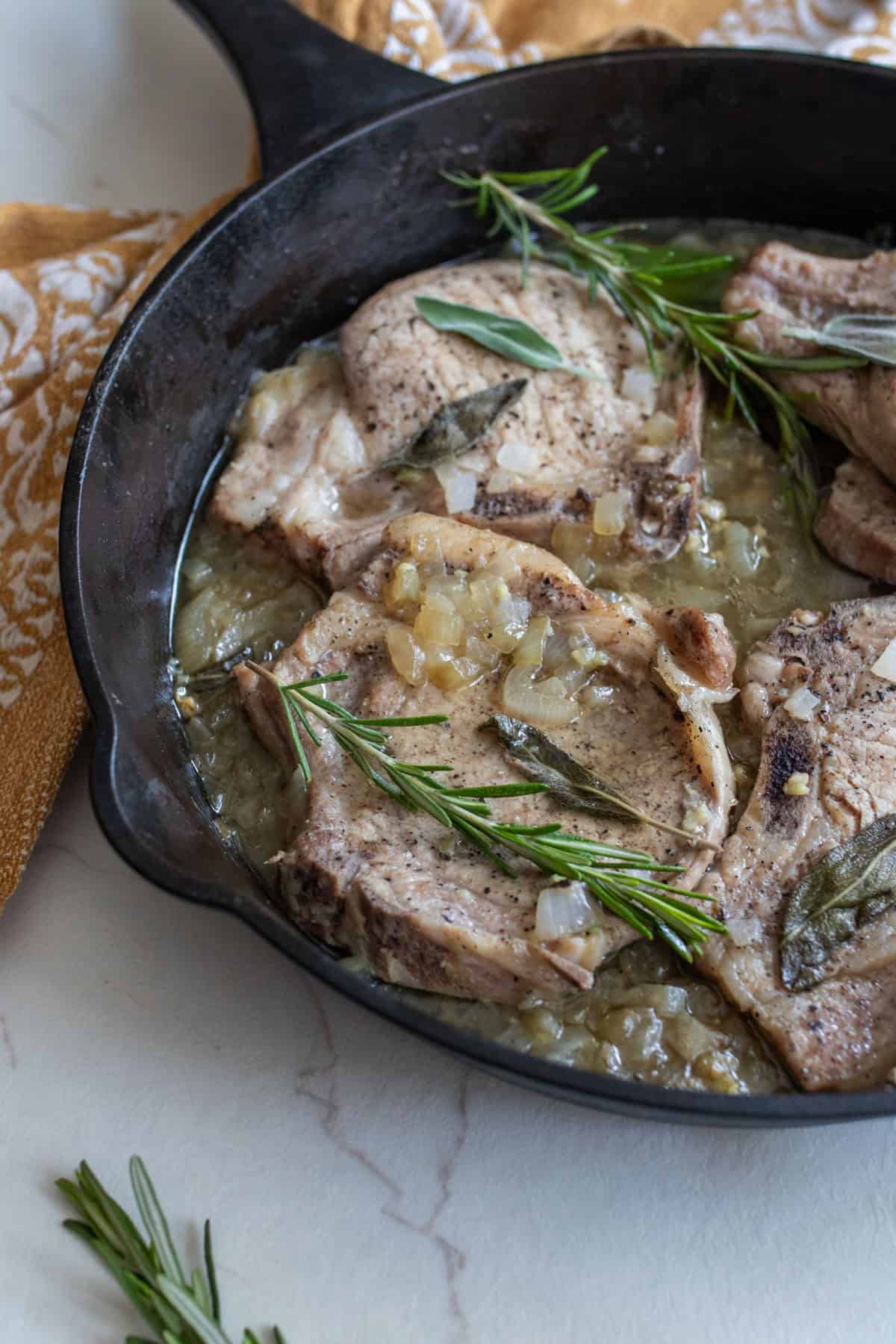
Credit: www.farmhouseonboone.com
Stove Cooking Methods
Cooking pork chops on the stove is quick and easy. You can use different methods to get tasty, juicy results.
Two popular ways are searing and pan-frying. Each method gives a different texture and flavor.
Searing For Juicy Results
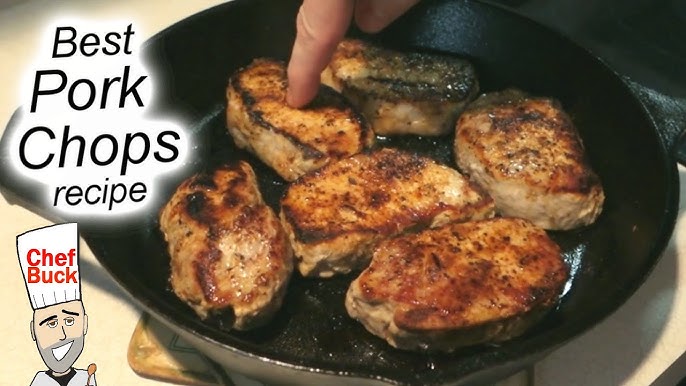
Searing pork chops means cooking them fast on high heat. This locks in juices and creates a nice crust.
- Heat a pan until very hot before adding pork chops.
- Use a small amount of oil with a high smoke point.
- Place chops in the pan without crowding them.
- Cook each side for 2 to 3 minutes until golden brown.
- Lower heat and finish cooking if needed to reach safe temperature.
Pan-frying Vs. Sautéing
Pan-frying and sautéing both use a pan and oil but differ in technique and heat level.
| Method | Heat Level | Oil Amount | Cooking Time | Texture Result |
| Pan-Frying | Medium to Medium-High | More oil, enough to coat pan | Longer, about 4-6 minutes per side | Crispy outside, juicy inside |
| Sautéing | High | Less oil, just to coat | Shorter, 2-3 minutes per side | Lightly browned, tender |
Controlling Heat And Timing
Cooking pork chops on the stove needs careful heat control and timing. These two factors help you cook juicy and tender chops.
Use the right temperature and watch the clock to avoid overcooking or undercooking your pork chops.
Optimal Temperature Settings
Start by heating your pan to medium-high heat. This temperature sears the pork chops and locks in juices. After searing, lower the heat to medium or medium-low to cook through without burning.
- Use medium-high heat to sear each side for 2 to 3 minutes.
- Reduce to medium or medium-low heat to finish cooking.
- Avoid high heat after searing to prevent burning the outside.
- Use a cooking oil with a high smoke point, like canola or vegetable oil.
Cooking Time For Perfect Doneness
The cooking time depends on the thickness of the pork chops. Use a meat thermometer to check the inside temperature for safety and taste.
| Thickness | Cooking Time per Side | Internal Temperature (°F) |
|---|---|---|
| 1/2 inch | 3-4 minutes | 145°F (63°C) |
| 3/4 inch | 4-5 minutes | 145°F (63°C) |
| 1 inch | 5-6 minutes | 145°F (63°C) |
Adding Flavor Enhancements
Cooking pork chops on the stove is easy and quick. Adding flavors can make them taste better. Simple ingredients like butter, herbs, sauces, and glazes help.
These flavor enhancers bring out the best in pork chops. They add richness, aroma, and a tasty finish. Let’s explore how to use them well.
Using Butter And Herbs
Butter adds a creamy taste and helps brown the pork chops nicely. Fresh herbs add aroma and a fresh flavor. Combine them for the best results.
- Start by melting butter in the pan before cooking the chops.
- Add fresh herbs like rosemary, thyme, or sage to the butter.
- Baste the pork chops with the butter and herb mixture while cooking.
- Use garlic cloves or shallots with the herbs for extra flavor.
- Remove herbs before serving or leave some on for garnish.
Incorporating Sauces And Glazes
Sauces and glazes add moisture and a burst of flavor. Sweet, tangy, or spicy sauces all work well with pork chops. Apply them near the end of cooking.
| Sauce or Glaze | Main Flavor | How to Use |
| Honey Mustard | Sweet and tangy | Brush on chops in last 2 minutes of cooking |
| BBQ Sauce | Smoky and sweet | Simmer sauce separately and spoon over cooked chops |
| Apple Cider Glaze | Fruity and tart | Reduce cider with sugar, then drizzle on pork |
| Teriyaki Sauce | Savory and sweet | Marinate chops before cooking or glaze at the end |
Checking For Doneness
Cooking pork chops on the stove is quick and easy. Knowing when they are done is important for safety and taste.
There are simple ways to check if pork chops are cooked right. You can use a thermometer or look for visual signs.
Internal Temperature Guide
The best way to check pork chop doneness is by measuring the inside temperature. Use a meat thermometer for accuracy.
- 145°F (63°C) is the safe minimum temperature for pork chops.
- At 145°F, the pork is juicy and slightly pink inside.
- Let the pork rest for 3 minutes after cooking for best results.
- Cooking above 160°F (71°C) makes pork drier but fully cooked.
Visual And Texture Cues
You can check pork chops without a thermometer by looking at color and texture. This helps when tools are not available.
Cooked pork chops change in color and feel. Use these signs to decide if they are done.
- The outside should be browned and slightly crispy.
- The inside color changes from pink to white or light beige.
- Press the chop with your finger; it should feel firm but not hard.
- Juices running clear is a sign the pork is cooked through.
Resting And Serving Tips
Resting pork chops after cooking helps keep them juicy and tender. Serving them with the right sides makes the meal more enjoyable.
Here are some tips on why resting is important and how to serve pork chops for the best taste.
Why Resting Matters
Resting allows the juices in pork chops to spread evenly. Cutting too soon can cause the juices to run out, making the meat dry.
- Remove pork chops from the stove when cooked.
- Place them on a warm plate or cutting board.
- Let them rest for 5 to 10 minutes before cutting.
- Cover loosely with foil to keep warm.
Plating And Pairing Suggestions
Good side dishes and sauces can make pork chops taste even better. Choose simple, fresh foods to balance the rich flavor.
| Side Dish | Description |
| Steamed Vegetables | Light and healthy, add color to the plate |
| Mashed Potatoes | Soft texture that complements the meat |
| Apple Sauce | Sweet contrast to the savory pork |
| Green Salad | Fresh and crisp for a balanced meal |
Common Mistakes To Avoid
Cooking pork chops on the stove can be simple and quick. Yet, some mistakes can ruin the taste and texture. Avoiding these errors helps you get juicy and flavorful pork chops every time.
Two common problems are overcooking, which dries out the meat, and seasoning errors that mask the pork’s natural flavor. Learn what to watch for in each case.
Overcooking And Dryness
Overcooking pork chops causes them to become tough and dry. Pork cooks quickly, so timing is key. Using too high heat or cooking too long are frequent issues.
- Cook pork chops over medium heat, not high heat.
- Use a meat thermometer to check for 145°F (63°C) inside temperature.
- Let the pork rest for a few minutes after cooking to keep juices inside.
- Don’t press the meat while cooking; it squeezes out juices.
Seasoning Errors
Wrong seasoning can make pork chops taste bland or overpower the meat. Salt is essential but adding too much or too little affects flavor balance.
| Common Seasoning Mistake | Effect | Fix |
|---|---|---|
| Not seasoning before cooking | Meat tastes bland | Salt and pepper at least 30 minutes before cooking |
| Using too much salt | Overly salty and unpleasant | Use small amounts and taste test |
| Ignoring herbs and spices | Missing flavor depth | Add garlic, thyme, or paprika for better taste |
Frequently Asked Questions
How Long Should I Cook Pork Chops On The Stove?
Cook pork chops for 4-5 minutes per side over medium heat. This timing ensures they stay juicy and reach an internal temperature of 145°F (63°C) for safe consumption.
What Oil Is Best For Stove-top Pork Chops?
Use oils with high smoke points like canola, vegetable, or avocado oil. These oils prevent burning and help achieve a nice golden crust on pork chops.
Should I Marinate Pork Chops Before Cooking?
Marinating pork chops enhances flavor and tenderness. A simple marinade with acid, oil, and spices for 30 minutes to 2 hours works best for stovetop cooking.
How Do I Prevent Pork Chops From Drying Out?
Avoid overcooking and use medium heat. Let pork chops rest for 3-5 minutes after cooking to retain juices and improve tenderness.
Conclusion
Cooking pork chops on the stove can be simple and quick. Use the right heat and cooking time for juicy meat. Season well to bring out the flavors. Let the pork chops rest before serving. This helps keep them tender and tasty.
Practice these steps to make delicious pork chops every time. Enjoy your meal with confidence and ease.