Do your cakes rise in the middle like a mountain instead of staying flat? If so, you're not alone.
Many home bakers struggle to achieve those perfectly flat layer cakes that make decorating a breeze. But fear not, because mastering this skill is easier than you think. Imagine slicing through a cake with even layers and knowing that each piece will look just as stunning as it tastes.
By following a few simple tips and tricks, you can learn how to bake flat layer cakes every time. Keep reading to discover the secrets that will transform your baking game and impress everyone at your next gathering.

Credit: sallysbakingaddiction.com
Choosing The Right Ingredients
Baking flat layer cakes needs careful ingredient choices. The right ingredients make your cake moist and tasty.
Learn how flour, fats, sugars, and leavening agents affect your cake's texture and rise.
Flour Types And Their Effects
Flour gives structure to your cake. Different flours have different protein levels. This affects how soft or dense your cake will be.
- All-purpose flour is good for most cakes and gives a balanced texture.
- Cake flour has less protein and makes cakes tender and light.
- Pastry flour falls between all-purpose and cake flour for texture.
- Whole wheat flour adds flavor but can make cakes heavier.
Role Of Fats And Sugars
Fats add moisture and richness. Sugars give sweetness and help with browning. Both affect cake softness and taste.
| Ingredient | Purpose | Effect on Cake |
| Butter | Fat | Rich flavor, tender crumb |
| Vegetable oil | Fat | Moist texture, neutral taste |
| Granulated sugar | Sugar | Sweetness, browning |
| Brown sugar | Sugar | Moistness, slight caramel taste |
Using Fresh Leavening Agents
Leavening agents make cakes rise. Freshness is key to getting the best lift and texture.
- Use baking powder that is less than six months old.
- Test baking soda by mixing with vinegar; it should bubble immediately.
- Store leavening agents in a cool, dry place.
- Replace old agents to avoid flat or dense cakes.

Credit: sallysbakingaddiction.com
Preparing The Cake Batter
Making flat layer cakes starts with preparing the batter correctly. Good batter helps the cake bake evenly and look smooth.
Pay close attention to how you measure and mix ingredients. This affects the cake's texture and rise.
Measuring Ingredients Accurately
Use the right tools for measuring dry and wet ingredients. This keeps the balance in the batter.
Too much flour or too little liquid can make the cake dry or dense.
- Use dry measuring cups for flour and sugar
- Use liquid measuring cups for milk and oil
- Level off dry ingredients with a flat edge
- Measure liquids at eye level on a flat surface
Mixing Techniques For Even Texture
Mix ingredients gently but well. This helps blend everything without making the batter tough.
Start by combining dry ingredients, then add wet ingredients slowly. Stir until just combined.
- Use a spatula or mixer on low speed
- Scrape the bowl sides often
- Mix until no flour spots remain
- Keep the batter smooth and uniform
Avoiding Overmixing
Overmixing adds too much air and develops gluten. This causes the cake to be tough and uneven.
Stop mixing as soon as ingredients are combined. A few small lumps in the batter are okay.
- Mix on low speed
- Do not mix after adding flour too long
- Fold ingredients gently with a spatula
- Check the texture often to avoid overmixing
Selecting The Proper Bakeware
Choosing the right bakeware is important for baking flat layer cakes. It helps the cake cook evenly and keeps the shape.
Different pans and materials affect how your cake turns out. Knowing what to use makes baking easier and better.
Pan Size And Shape
Pick a pan size that fits your recipe. Too small pans cause thick cakes, too large make thin layers.
Round pans are common, but square or rectangular pans work well too. Use the same shape for all layers.
- Use 8 or 9-inch pans for most layer cakes
- Match pan size to recipe for best results
- Keep pan shapes consistent for even stacking
Material And Its Impact
Pan material changes how heat moves through the batter. This affects baking time and cake texture.
Metal pans heat quickly and give good browning. Glass pans heat slower and keep edges soft.
- Aluminum pans heat evenly and are lightweight
- Dark non-stick pans bake faster and brown more
- Glass pans need lower baking temperatures
- Silicone pans are flexible but may bake unevenly
Using Baking Strips
Baking strips wrap around pans to keep edges cool. This helps cakes bake flat without domes.
Soak strips in water before use. They slow the heat near pan edges for even baking.
- Pre-soak strips in cold water for 15 minutes
- Wrap strips tightly around the pan
- Secure with pins or tape if needed
- Keep strips damp during baking for best results
Baking Techniques For Flat Layers
Baking flat layer cakes requires careful attention to detail. Even heat and correct timing help create smooth, even layers.
Using the right techniques can prevent domed or cracked cakes. This guide covers key steps to bake perfect flat layers.
Oven Temperature Tips
Set your oven temperature carefully to avoid uneven baking. Too hot, and the cake will dome or burn. Too cool, and it may not rise properly.
- Preheat the oven for at least 20 minutes before baking.
- Use an oven thermometer for accurate temperature readings.
- Bake at 325°F to 350°F for most flat layer cakes.
- Lower temperature helps prevent doming and cracking.
- Adjust temperature based on your oven’s hot spots.
Positioning Pans In Oven
Correct pan placement ensures even heat distribution. Place pans away from oven walls to avoid hot spots.
| Pan Position | Effect |
| Center Rack | Best even heat and air circulation |
| Top Rack | May brown top too fast |
| Bottom Rack | Can cause burnt bottom |
| Too Close to Walls | Uneven cooking and hot spots |
If baking multiple pans, leave space between them for air flow. Rotate pans halfway through baking for uniform results.
Testing For Doneness
Check if the cake is baked without cutting it open early. Use simple tests to confirm doneness.
- Insert a toothpick or skewer into the center.
- If it comes out clean or with a few crumbs, the cake is done.
- The cake should spring back when lightly pressed.
- Edges may start to pull away from the pan.
- A light golden color shows it is baked well.
Cooling And Leveling Cakes
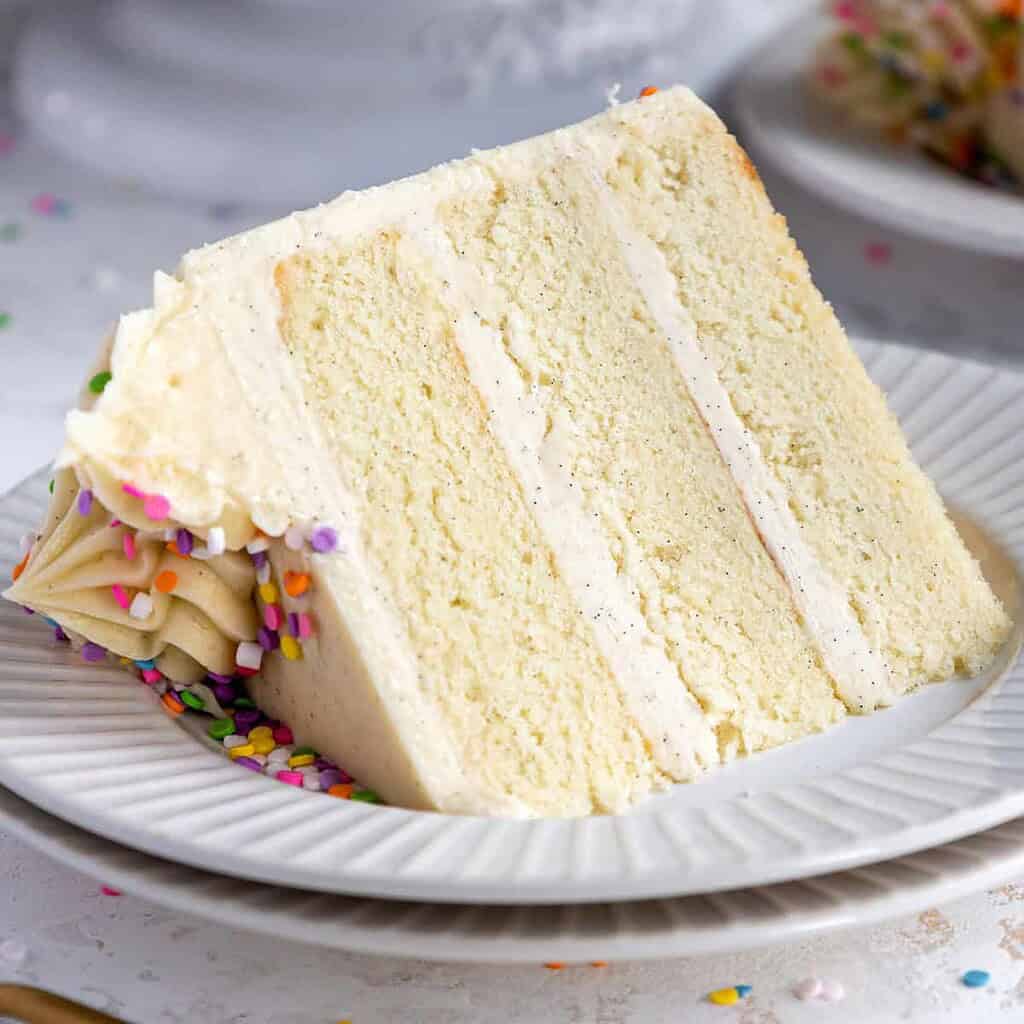
Baking flat layer cakes takes care and patience. Cooling and leveling are key steps to get perfect layers.
Proper cooling stops cakes from sinking. Leveling makes sure each cake layer is even and smooth.
Cooling Methods To Prevent Sinking
Cooling cakes correctly helps keep their shape. Warm cakes can sink if not cooled well.
Remove cakes from pans after 10-15 minutes. Place them on a wire rack to cool evenly.
- Cool cakes upside down to keep shape
- Use a wire rack for air circulation
- Let cakes cool completely before leveling
- Avoid cooling in hot or humid places
Using A Cake Leveler
A cake leveler is a tool with an adjustable wire. It helps cut cakes into even layers.
Place the cake on a flat surface. Adjust the wire to the desired height, then slice gently.
- Set the wire to the cake’s middle height
- Cut slowly for a straight line
- Remove the top dome for a flat surface
- Use the leveled cake for stacking
Alternative Leveling Tools
You can level cakes without a cake leveler. Some common tools work well for this task.
- Long serrated knife for careful slicing
- Bread knife with a gentle saw motion
- Dental floss or thin string pulled tight
- Ruler or toothpicks to mark the cutting line
Always cut slowly and steadily. Check the cake’s level as you go to avoid mistakes.
Credit: chelsweets.com
Stacking And Filling Layers
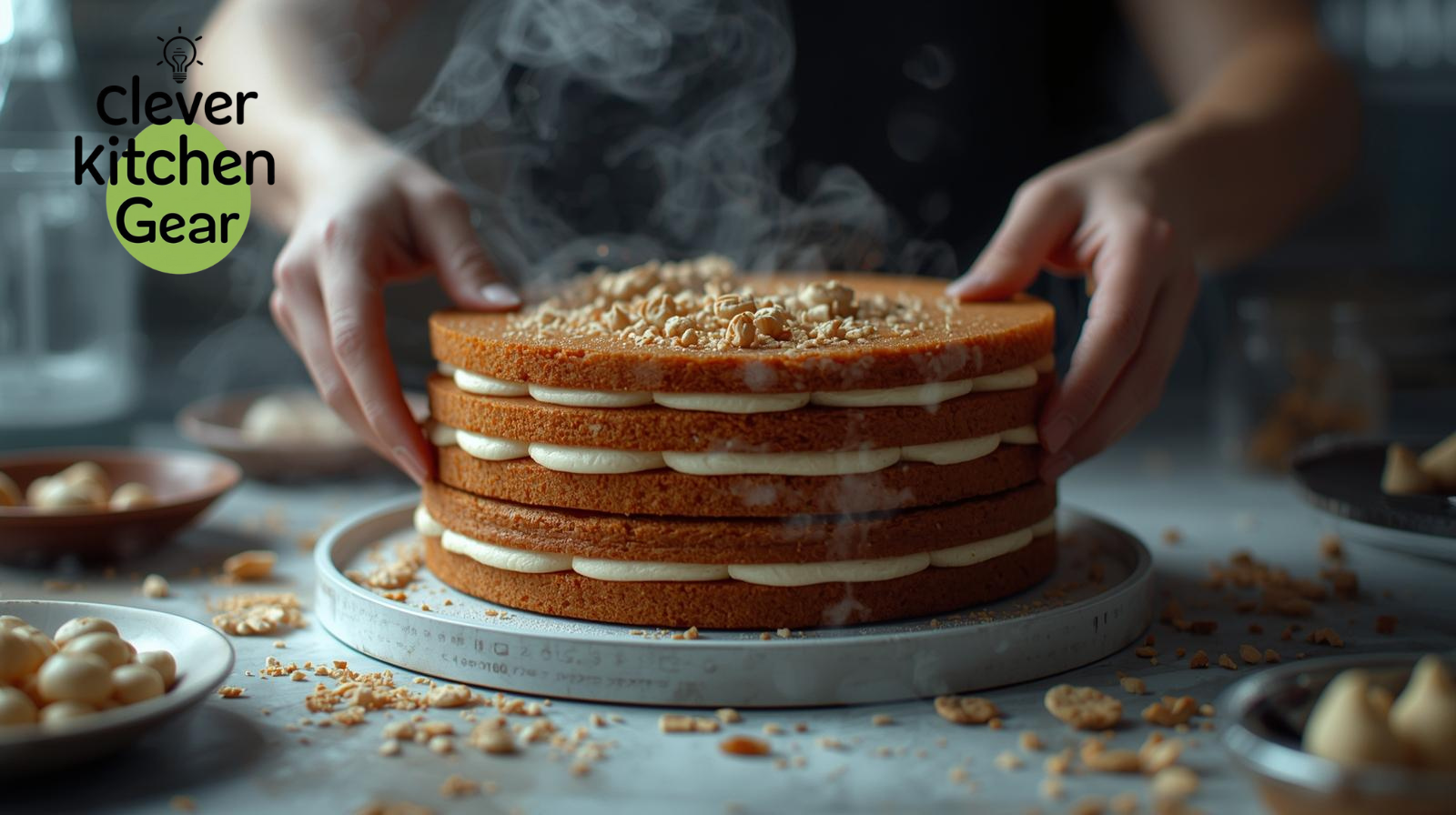
Baking flat layer cakes is fun but needs care when stacking and filling. Doing it right makes your cake look good and taste great.
This guide helps you choose fillings, spread them evenly, and keep your cake stable.
Choosing The Right Filling
Pick a filling that matches your cake flavor and texture. It should be thick enough to hold layers together.
Soft fillings may slide, while very stiff ones can make the cake dry. Balance taste and texture for best results.
- Buttercream works well for most cakes
- Fruit jams add fresh flavors but can be sticky
- Ganache is rich and holds layers firmly
- Cream cheese filling suits spiced or carrot cakes
Even Spreading Techniques
Spread filling evenly to avoid uneven layers. Use a spatula or knife for smooth coverage.
Start from the center and push filling gently to the edges. Avoid pressing too hard to keep cake layers intact.
- Use an offset spatula for better control
- Keep about 1/4 inch thickness of filling
- Check edges so filling does not spill out
- Chill layers briefly before stacking for firmer filling
Ensuring Stability
Stack cake layers carefully to keep the cake stable. Align each layer directly on top of the one below.
Use dowels or straws inside tall cakes for extra support. Chill the cake to let the filling set before decorating.
- Place heavier layers at the bottom
- Trim layers to make them flat if needed
- Apply a crumb coat to lock crumbs before final icing
- Keep the cake cool to prevent sliding
Troubleshooting Common Issues
Baking flat layer cakes can be tricky. Some common problems include uneven layers, cracks, and domes.
Knowing how to fix these issues helps you bake better cakes every time. This guide covers simple solutions.
Fixing Uneven Layers
Uneven cake layers can make your cake look unbalanced. This happens when the batter spreads unevenly or the pan is not level.
To fix uneven layers, use a cake leveler or serrated knife to trim the tops. This creates flat, even layers that stack well.
- Check that your cake pans are on a flat, even surface in the oven.
- Fill pans with equal batter amounts for consistent layers.
- Tap pans gently on the counter to remove air bubbles.
- Use a cake leveler to trim domed tops after baking.
Preventing Cracks And Domes
Cracks and domes form when the cake cooks too fast on the outside or rises unevenly. This can ruin the smooth look of your cake.
To prevent these issues, bake at the correct temperature and avoid overmixing the batter. Use baking strips for even heat.
- Bake at a moderate temperature, around 325°F to 350°F (160°C to 175°C).
- Mix batter just enough to combine ingredients.
- Use baking strips around the pan to keep edges cool.
- Do not open the oven door during the first 20 minutes of baking.
Adjusting For Altitude
High altitude affects baking because air pressure is lower. Cakes may rise too fast and then collapse or dry out.
Make small changes to ingredients and baking time to improve results at high altitudes.
- Increase oven temperature by 15 to 25°F (9 to 14°C).
- Reduce baking powder by 1/8 to 1/4 teaspoon per teaspoon.
- Use less sugar, about 1 tablespoon less per cup.
- Add a little extra liquid to keep the batter moist.
- Check the cake a few minutes earlier than usual for doneness.
Frequently Asked Questions
How Do I Prevent Cake Doming When Baking?
To prevent doming, bake cakes at a lower temperature like 325°F. Use baking strips around pans to ensure even heat. Avoid overmixing the batter, which can cause air bubbles and uneven rising.
What Causes Uneven Cake Layers To Rise?
Uneven layers often result from uneven oven heat or improper batter distribution. Ensure your oven is preheated and use an oven thermometer. Spread batter evenly and tap pans to remove air bubbles before baking.
How Can I Make Cake Layers Flat And Even?
Use a serrated knife or cake leveler to trim domed tops after baking. Alternatively, bake with baking strips and lower oven temperature for flat layers. Cooling cakes completely before leveling helps prevent crumbs.
Is It Necessary To Use Baking Strips For Flat Cakes?
Baking strips help cakes bake evenly by insulating pan edges. They reduce doming and cracking, producing flat layers. While optional, they are highly recommended for consistent, professional-looking cake layers.
Conclusion
Baking flat layer cakes is easier than it seems. Use the right tools and follow simple steps. Measure ingredients carefully and mix with care. Keep an eye on baking time and temperature. Let the cakes cool completely before frosting. Practice helps you improve with every cake.
Soon, you will enjoy making beautiful, tasty layer cakes. Baking can be fun and rewarding for everyone. Try these tips and enjoy your homemade treats!