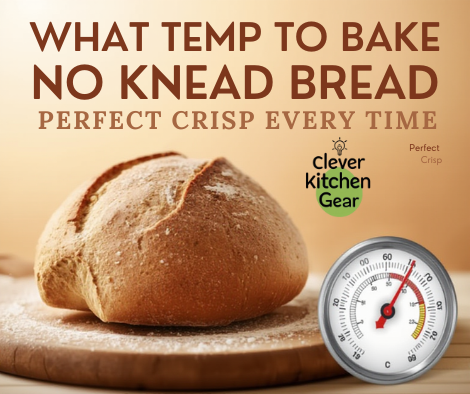
The Secret Temperature: Perfect No-Knead Bread
Have you wondered about the best baking temperature? You want that fluffy inside and perfect crust. You are in the right spot.
Baking no-knead bread is simple — but knowing What Temp to Bake No Knead Bread changes everything. It turns a good loaf into a showstopper. Imagine pulling out a beautiful, golden loaf. The crust crackles under your fingers, and the soft inside melts in your mouth.
Are you curious about this secret? Keep reading. You will find the exact temperature. It transforms your bread from boring to amazing. You are ready to impress everyone. Let's dive right in!
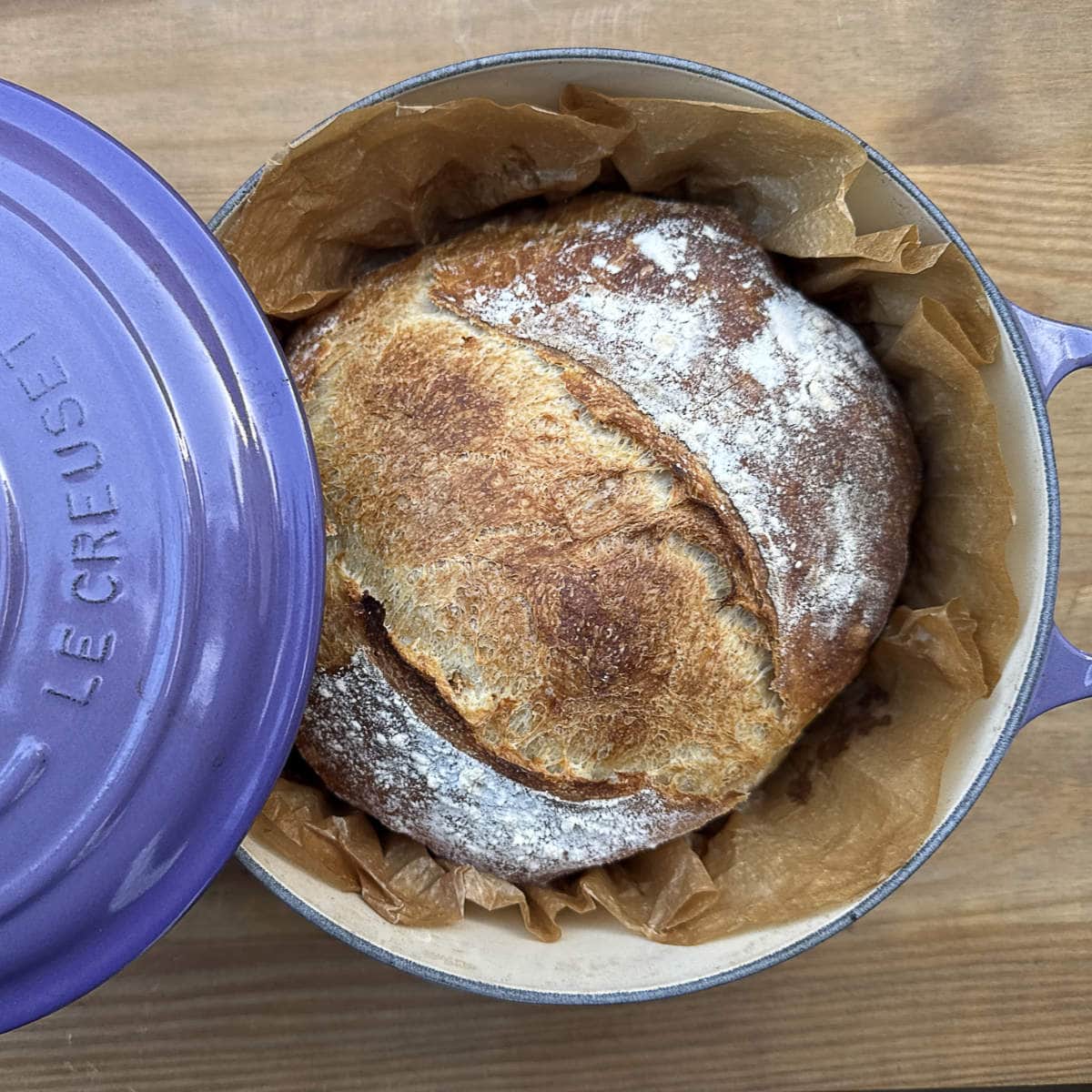
Credit: www.talesfromthekitchenshed.com
Ideal Oven Temperature
Baking no-knead bread needs the right heat. This helps the bread bake evenly. It also ensures a good, crisp crust.
Too hot or too cool changes the taste and look. Let's review the best temperatures to use.
Common Temperature Ranges
No-knead bread usually bakes between 400°F and 475°F (200°C to 245°C). This range works for most ovens.
Some recipes start very hot. Then they lower the heat. This creates a crisp crust and soft inside.
-
400°F (200°C): Slow bake, softer crust.
-
425°F (220°C): Balanced crust and crumb.
-
450-475°F (230-245°C) : Crisp crust, chewy inside.
Effects On Crust And Crumb
Oven heat changes the crust and crumb structure. Higher heat makes a thick crust. It gives a more open crumb.
Lower heat creates a softer crust. It makes a tighter crumb inside. The bread may bake longer. It will feel lighter inside.
-
High heat: Airy crumb, dark, crunchy crust.
-
Medium heat: Soft crumb, golden crust.
-
Low heat: Dense crumb, light crust.
Choosing The Right Temperature
Baking no-knead bread needs the correct heat. The temperature affects the crust and quality.
Too cool or too hot changes the result. Knowing the right temperature ensures perfect bread.
Factors Influencing Temperature Choice
Different things affect your heat choice. The type of flour matters greatly. Dough wetness also makes a difference.
The baking pot and loaf size matter too. They change how heat moves through the dough. These things guide your temperature decision.
-
Flour type: White flour needs higher heat than whole wheat.
-
Dough wetness: Wetter dough may need slightly cooler heat.
-
Loaf size: Bigger loaves bake better at lower heat. They bake for a longer time.
-
Baking vessel: Cast iron holds heat differently than metal pans.
Adjusting For Different Ovens
Ovens heat and hold temperature differently. You must change the temperature for your oven type.
Standard ovens may run hot or cool. Convection ovens use fans for even heat spread.
-
Gas ovens have hot spots. Turn your bread for even baking.
-
Electric ovens stay steady. They may need longer preheating.
-
Convection ovens need heat lowered by 20°F (about 10°C).
-
Use a thermometer. Check the actual heat inside your oven.
Baking Techniques For No-Knead Bread
No-knead bread is simple and easy. Baking it right gives a soft inside and good crust.
Knowing about steam helps your baking. Using a Dutch oven improves the result.
Preheating And Using A Dutch Oven
Preheating your oven and pot is key. The hot Dutch oven holds heat well. This helps the bread rise and bake evenly.
-
Put the Dutch oven in the oven while preheating. Use 450°F (232°C).
-
Heat the pot for at least 30 minutes.
-
Carefully remove the hot pot. Place the dough inside.
-
Cover it with the lid for the first part of baking.
-
Take the lid off near the end. This makes a golden crust.
Steam And Its Role In Crispiness
Steam keeps the dough surface wet in the oven. This stops the crust from forming too early. It lets the bread rise fully.
| How Steam Helps | Effect on Bread |
| Keeps surface moist | Allows full dough expansion. |
| Delays crust formation | Creates a thinner, crisper crust. |
| Helps caramelize sugars | Gives a rich brown color. |
Troubleshooting Baking Issues
Baking no-knead bread is easy. But temperature issues can cause problems. The correct oven heat is key for good bread.
I will help you fix common temperature problems. Follow these tips for a perfect loaf.
Common Temperature-related Problems
If the oven is too hot, the crust burns. The inside remains raw. Too low heat makes the bread pale and dense.
Uneven heat causes one side to bake faster. This gives an uneven texture.
-
Oven too hot: Raw inside, burnt crust.
-
Oven too cool: Dense bread, pale crust.
-
Temperature swings: Bad texture, uneven baking.
-
Wrong rack position: Crust too light or too dark.
Tips For Consistent Results
Set your oven to425°F (220°C). This helps form a golden crust. It cooks the inside well.
Use an oven thermometer. Check the real heat. Oven dials are often wrong. This causes baking issues.
-
Preheat the oven for at least 30 minutes.
-
Put the bread on the middle rack for even heat.
-
Use a covered pot to keep moisture.
-
Check the bread color after 30 minutes. Avoid burning the crust.
-
Adjust heat by 25°F if the crust darkens fast.
- Professional bakers never guess when bread is done; they use a thermometer: "The true 'secret' to perfect doneness is not the crust color, but the internal temperature of the crumb. For almost all sourdoughs and no-knead bread loaves, the center should reach between 200°F and 210°F (93°C and 99°C). The easiest way to ensure the bread is cooked through without being dry is to aim for 205°F (96°C) as soon as the crust is the color you want. Anything below 200°F means the bread will be gummy inside."
Experimenting With Temperature Variations
Baking at the right heat is key. Different temperatures change the crust and texture.
Trying new temperatures helps you find your favorite style. You can see how heat changes the rise and crust.
Lower Vs Higher Temperatures
Lower heat baking takes more time. The inside crumb is moist and soft. The crust is thin and pale.
Higher temperatures bake bread faster. This gives a thick, dark crust. The inside is chewy. It can burn if too hot.
-
Lower temperatures: Lighter crust, softer crumb.
-
Higher temperatures: Denser crumb, crispier crust.
-
Medium temperatures: Balance of crunch and softness.
Balancing Crispness And Softness
Good no-knead bread has a crunchy crust. It should not be hard. The inside must be soft and airy.
Balance this by browning the crust well. Use a baking time that cooks the inside fully. Do not let it dry out.
-
Preheat the pot and oven for even heat.
-
Try 425°F (220°C) for a good balance.
-
Adjust time to avoid a too-hard or too-soft crust.
-
Use steam early. This keeps the crust moist.

Credit: www.melaniemay.com

Credit: leitesculinaria.com
What Temperature Is Best For Baking No-knead Bread?
The ideal heat is 450°F (232°C). This high heat makes a soft inside and crispy crust.
How Long Should No-knead Bread Bake At 450°F?
Bake the bread for 30 to 40 minutes at 450°F. Start covered. Remove the cover to brown the crust.
Can I Bake No-knead Bread At A Lower Temperature?
It is possible to bake around (around 375°F) It is not recommended. Lower heat gives less rise and a dense crust.
Should I Preheat The Oven Before Baking No-knead Bread?
Yes, preheating to 450°F is essential. It helps the bread rise well. Preheat your Dutch oven too.
Conclusion
Baking no-knead bread at the right heat is vital. Usually, 425°F works very well. This gives a soft inside and a crisp crust. Avoid heat that is too high or too low. This keeps the bread perfect. Remember, all ovens are different. Watch your bread closely.
With practice, you will find the best heat for your oven. Enjoy your fresh, simple, homemade bread. Simple steps lead to tasty results. Try it soon! Taste the difference yourself!