Where Should Plates And Cups Go in a Kitchen? You might think placing plates and cups in your kitchen is simple.
But where you put them can actually change how smoothly your kitchen works every day. Imagine reaching for a cup or plate without having to search or move things around. Sounds great, right? Finding the perfect spot for these everyday items can save you time, reduce stress, and even make your kitchen feel more inviting.
Keep reading to discover easy tips that will transform your kitchen into a more organized and efficient space just for you.
Choosing The Right Storage Spots
Finding the best places to store plates and cups helps keep your kitchen tidy. It also makes cooking and cleaning easier.
Think about how you use your kitchen daily. This helps you pick spots that save time and effort.
Near The Dishwasher
Placing plates and cups near the dishwasher makes unloading simple. It cuts down walking and keeps things organized fast.
Choose a cabinet or shelf close to the dishwasher door. This spot lets you put items away right after washing.
Close To The Sink
Storing dishes near the sink is smart if you wash by hand. It gives you easy access before drying and storing.
- Use cabinets under or beside the sink
- Place drying racks nearby for quick drying
- Keep frequently used cups within arm’s reach
Accessible Cabinets
Select cabinets that you can reach without stretching or bending. This saves effort and helps keep your kitchen safe.
| Cabinet Height | Ideal Use | Tips |
| Lower Cabinets | Plates and large bowls | Use pull-out shelves |
| Eye-Level Cabinets | Everyday cups and glasses | Keep items visible |
| Upper Cabinets | Less-used dishes | Use step stools if needed |
Open Shelving Options
Open shelves show your dishes and make them easy to grab. They work well for plates and cups you use daily.
Tips for using open shelves:
- Place heavier plates on lower shelves
- Use matching cups for a neat look
- Keep shelves dust-free with regular cleaning
Storing Plates Effectively
Keeping plates organized in the kitchen helps save space and protect them. Good storage makes it easy to find plates when needed.
There are many ways to store plates safely. This guide covers stacking, using racks, and corner cabinet options.
Stacking Techniques
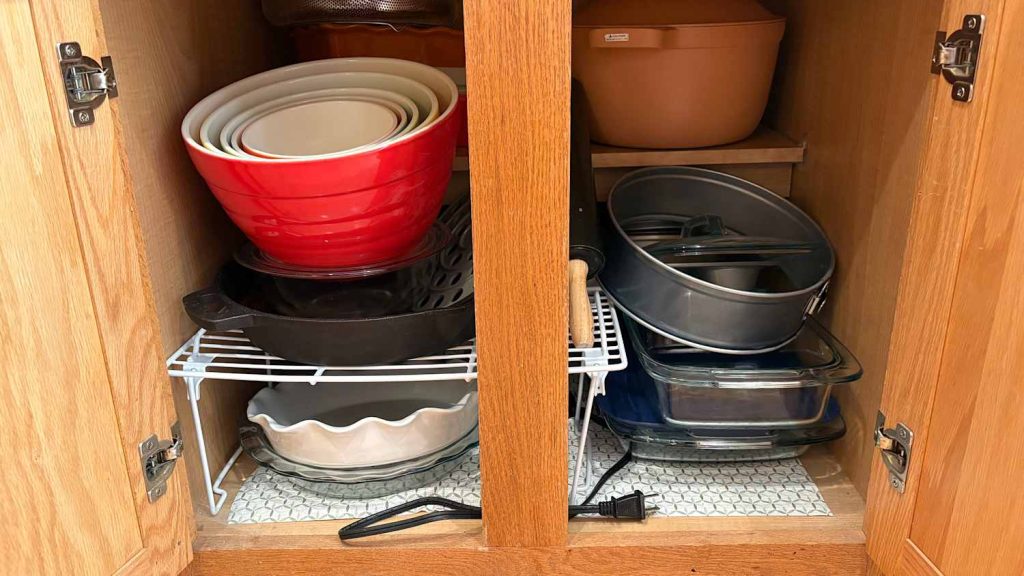
Stack plates by size to keep them stable and avoid damage. Place larger plates at the bottom and smaller ones on top.
Use shelf liners to stop plates from slipping. Avoid stacking plates too high to prevent tipping and breaking.
- Sort plates by size before stacking
- Place heavier plates at the bottom
- Use non-slip liners on shelves
- Limit stack height to 6-8 plates
Using Plate Racks
Plate racks hold plates upright to save space. They make it easy to grab plates without disturbing the stack.
Racks come in different sizes and materials. Choose one that fits your cabinet or countertop space.
- Use vertical racks for plates of similar size
- Adjust rack slots for different plate thickness
- Place racks near the dishwasher for quick unloading
Corner Cabinet Solutions
Corner cabinets can be hard to use for plate storage. Special racks or lazy Susans help access plates easily.
Lazy Susans spin to bring plates to the front. Corner plate racks fit into angled spaces to hold plates safely.
- Install a lazy Susan for easy reach
- Use corner plate racks to maximize space
- Keep plates organized by size on the rack
Organizing Cups And Glasses
Keeping cups and glasses organized helps save space in your kitchen. It also makes it easier to find what you need quickly.
There are several smart ways to store your cups and glasses. Each method fits different kitchen styles and needs.
Hanging Racks
Hanging racks allow you to store cups and glasses above counters or sinks. This frees up cabinet space and keeps your cups easy to reach.
- Install a rack with slots for glass bottoms
- Choose metal or wooden racks for durability
- Place the rack near your dishwasher or sink
- Use racks that hold different cup sizes
Cup Hooks Under Cabinets
Hooks under cabinets are a simple way to hang cups by their handles. This method keeps cups visible and easy to grab.
| Benefit | Details |
|---|---|
| Saves Cabinet Space | Cups hang underneath, freeing shelves for other items. |
| Easy Access | Cups are visible and within reach at all times. |
| Simple Installation | Hooks can be screwed or stuck under cabinets. |
| Customizable | You can add as many hooks as needed. |
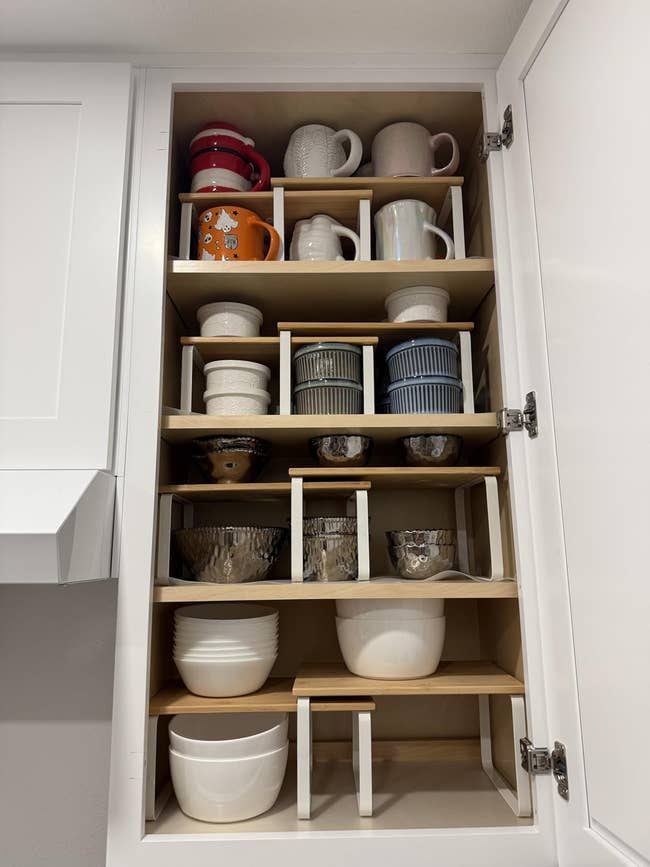
Glass Holders And Inserts
Glass holders and inserts fit inside cabinets or drawers. They keep glasses safe and prevent them from tipping or breaking.
- Use foam or rubber inserts to separate glasses
- Choose holders with dividers for better organization
- Place inserts in deep drawers for easy storage
- Label sections for different glass types
Credit: www.buzzfeed.com
Maximizing Small Kitchen Spaces
Small kitchens need smart ideas to keep plates and cups organized. Proper storage saves space and keeps things tidy.
Using clever storage solutions helps you fit more items without clutter. This guide shows ways to store plates and cups efficiently.
Vertical Storage Ideas
Use vertical space on walls or inside cabinets to store plates and cups. Shelves or racks let you stack items safely.
- Install wall-mounted shelves above the counter
- Use vertical plate holders inside cabinets
- Hang cups on hooks under shelves
- Stack plates on tiered racks to save space
Pull-out Shelves
Pull-out shelves make it easy to reach plates and cups at the back of cabinets. They also help keep items organized.
| Benefit | Details |
| Easy Access | Pull shelves fully to see all items |
| Better Organization | Separate plates and cups on different shelves |
| Space Saving | Use deep cabinets more efficiently |
Multi-functional Storage
Choose storage that works in more than one way. These options help hold plates, cups, and other kitchen tools together.
- Combination dish racks with cup holders
- Cupboards with built-in wine glass racks
- Storage carts that hold plates and cups
Maintaining Clean And Safe Storage
Keeping plates and cups clean and stored safely is important in every kitchen. Proper storage helps prevent damage and keeps your kitchen tidy.
This guide explains how to avoid clutter, clean regularly, and place items safely to protect your dishes and cups.
Avoiding Clutter
Clutter makes it hard to find dishes and can cause accidents. Organize plates and cups in a way that saves space and keeps things easy to reach.
- Use shelves or cabinets with enough space for all items
- Stack plates by size to save room and keep balance
- Store cups on hooks or racks to prevent tipping
- Keep frequently used items within easy reach
- Remove items that you do not use often
Regular Cleaning Tips
Cleaning plates and cups often helps keep them sanitary and extends their life. Also, clean the storage area regularly to avoid dust and grease buildup.
| Cleaning Task | Frequency |
| Wash plates and cups | After each use |
| Wipe shelves and cabinets | Weekly |
| Check for chips or cracks | Monthly |
| Organize and declutter | Monthly |
Safe Placement To Prevent Breakage
Plates and cups can break easily if placed unsafely. Use careful placement to avoid falls and cracks in your dishes.
- Place plates on flat, stable surfaces only
- Keep cups upright and avoid stacking too high
- Use plate racks or separators to protect edges
- Store heavier items on lower shelves
- Avoid overloading shelves to prevent tipping

Credit: www.countryliving.com

Credit: www.aol.com
Frequently Asked Questions
Where Is The Best Place To Store Plates In A Kitchen?
Plates should be stored in lower cabinets near the dishwasher. This location simplifies unloading and keeps plates easily accessible for daily use. It also helps maintain kitchen flow and organization by grouping similar items together.
How Should Cups Be Organized In Kitchen Cabinets?
Cups are best stored in upper cabinets near the sink or coffee station. This placement allows quick access for washing and use. Organize cups by type or size to save space and keep the kitchen tidy.
Should Plates And Cups Be Stored Together Or Separately?
Plates and cups should be stored separately to avoid clutter and improve accessibility. Plates fit better in lower cabinets, while cups are ideal for upper shelves. Separate storage helps maintain order and speeds up kitchen tasks.
Can Plates And Cups Be Stored On Open Shelves?
Yes, open shelves work well for plates and cups if arranged neatly. Use sturdy shelves and arrange items by frequency of use. Open storage adds style but requires regular cleaning to keep dust-free.
Conclusion
Organizing your kitchen boosts efficiency and ease. Plates belong near the dishwasher. This saves time and reduces effort. Cups should stay close to the water source. It’s practical and convenient. Think about your daily routine. Place items within easy reach.
This strategy simplifies cooking and cleaning. A well-organized kitchen makes daily tasks smoother. Consider your space and habits. Adjust as needed for best results. A tidy kitchen invites joy and simplicity. Happy organizing!