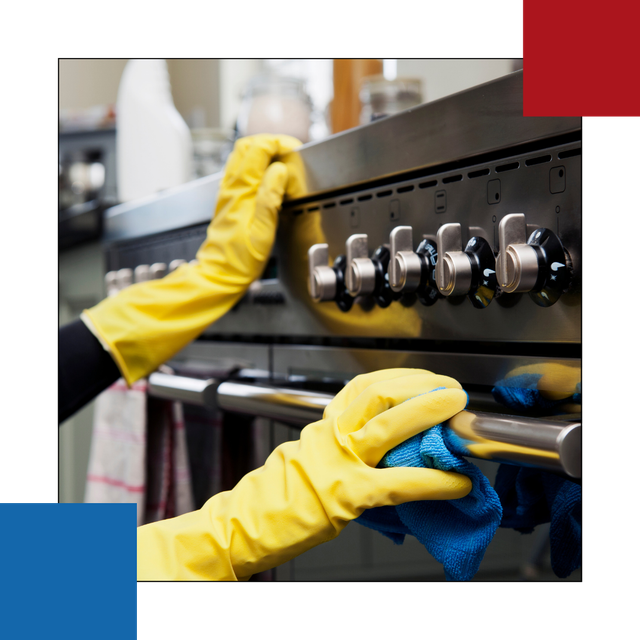
Are you tired of dealing with a greasy, grimy commercial kitchen oven? Keeping this essential equipment clean is crucial for maintaining a safe and efficient kitchen.
But let’s face it, tackling the oven can feel like a daunting task. You might worry about using the wrong products or missing a spot that could affect your oven's performance. Imagine the relief and confidence you’ll feel once you know exactly how to clean your commercial oven properly.
In this guide, you'll discover simple, effective steps to keep your oven spotless, ensuring it runs smoothly and extends its lifespan. Get ready to transform your kitchen cleaning routine with ease.

Credit: www.amazon.com
Tools And Materials Needed
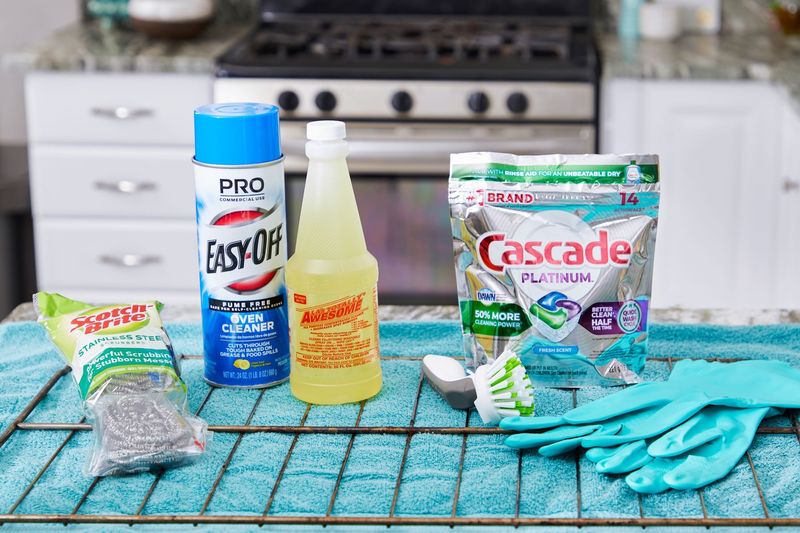
Cleaning a commercial kitchen oven needs the right tools and materials. These help make the job easier and safer.
Using proper supplies keeps the oven in good shape and removes tough grease and dirt.
Oven Cleaner
Use a strong oven cleaner made for commercial ovens. It breaks down grease and baked-on food.
Choose a cleaner that is safe for your oven’s material. Follow the instructions on the label.
Scrubbing Pads And Brushes
Scrubbing pads help remove stuck-on food and grime. Use non-abrasive pads to avoid damage.
Brushes with stiff bristles clean hard-to-reach areas and corners well.
Protective Gear
Wear gloves to protect your hands from chemicals and heat. Use safety goggles to shield your eyes.
Long sleeves and aprons help protect your skin from splashes and spills.
Cleaning Cloths And Towels
Use clean cloths to wipe down surfaces after scrubbing. Microfiber towels work well for drying.
Have several cloths ready to avoid spreading dirt around.
Bucket And Warm Water
A bucket of warm water helps rinse cleaning tools and wipe down the oven. Warm water loosens grease.
Change the water often to keep it clean and effective.
Plastic Or Metal Scraper
Use a scraper to remove thick layers of burnt food. Plastic scrapers work on non-stick surfaces.
Metal scrapers are stronger but may scratch some oven parts. Use with care.
Credit: decorhint.com
Safety Precautions
Cleaning a commercial kitchen oven needs care. It is important to follow safety steps.
These steps protect you and keep the kitchen safe. Use the right tools and follow rules.
Wear Protective Gear
Always wear gloves to protect your hands from chemicals and heat. Use safety goggles to shield your eyes.
Wear a mask if you use strong cleaning sprays. This stops you from breathing in harmful fumes.
Turn Off And Cool Down The Oven
Make sure the oven is off before cleaning. Let it cool down completely to avoid burns.
Never clean the oven while it is hot. This can cause injuries and damage the oven.
Use Proper Cleaning Products
Use cleaning products made for commercial ovens. Avoid mixing chemicals, which can create dangerous fumes.
Read labels carefully and follow instructions to keep yourself safe and protect the oven.
Ensure Good Ventilation
Open windows or use fans to keep fresh air flowing. This helps remove fumes from cleaning products.
Good ventilation lowers the risk of inhaling harmful chemicals during cleaning.
Follow Manufacturer Guidelines
Check the oven’s manual for cleaning tips. Use only recommended methods and products.
Ignoring the guidelines can cause damage or void warranties.
Keep The Area Clear
Remove any flammable items near the oven before cleaning. This lowers fire risks.
Make sure the floor is dry and clear to avoid slips and falls.
Preparing The Oven
Cleaning a commercial kitchen oven starts with good preparation. Proper steps make the process safe and effective.
Focus on removing parts and clearing debris before deep cleaning. This helps to reach all dirty areas.
Remove Oven Racks And Accessories
Take out all racks, trays, and other removable accessories. This makes cleaning easier and prevents damage.
- Wear heat-resistant gloves if the oven is still warm.
- Carefully slide out racks and place them on a flat surface.
- Remove drip pans, trays, and thermometers.
- Check for stuck food or grease on removed parts.
- Set accessories aside for separate cleaning.
Clean Loose Debris
Clear out crumbs, food scraps, and grease from the oven interior. Loose debris can block cleaning agents and cause smoke.
| Tool | Purpose |
| Brush or hand broom | Sweep away crumbs and loose food |
| Plastic scraper | Remove stuck grease and residue |
| Vacuum (optional) | Pick up fine debris and dust |
| Cloth or paper towel | Wipe loose particles and spills |

Credit: www.nightvisionclean.com
Choosing The Right Cleaning Solution
Cleaning a commercial kitchen oven needs the right products. Choosing a good cleaning solution helps keep the oven safe and working well. It also makes cleaning easier and faster.
There are many cleaning options. Some are strong chemicals made for ovens. Others are natural products that are safer for the environment. This guide explains both types to help you decide.
Commercial Oven Cleaners
Commercial oven cleaners use strong chemicals to remove grease and burnt food. They work fast but need careful handling. Some can irritate skin or damage surfaces if used wrong.
- Check the cleaner’s label for safety instructions.
- Wear gloves and eye protection.
- Use in a well-ventilated area to avoid fumes.
- Test on a small area before full use.
- Follow the recommended waiting time before wiping.
Natural Alternatives
Natural cleaning solutions use ingredients like baking soda, vinegar, and lemon. They are safer for health and the environment. These options take more time but work well with regular cleaning.
| Natural Cleaner | How It Works | Best For |
|---|---|---|
| Baking Soda | Loosens grease and burnt food | Light to medium stains |
| White Vinegar | Breaks down grease and kills bacteria | Grease buildup and odors |
| Lemon Juice | Natural acid that cuts grease | Freshening and light cleaning |
Cleaning The Oven Interior
Keeping the oven interior clean is important for safety and cooking quality. Dirt and grease can build up fast in commercial kitchens.
Regular cleaning helps your oven work better and last longer. Follow these steps to clean the inside of your oven.
Applying The Cleaner
First, choose a cleaner made for commercial ovens. Read the label to make sure it is safe for your oven type. Always wear gloves to protect your skin.
Spray or spread the cleaner evenly inside the oven. Cover all areas with grease or food spills. Let it sit for the time the instructions say. This softens the dirt and grease.
Scrubbing Tough Stains
Use a stiff brush or scouring pad to scrub the oven walls and floor. Focus on areas with baked-on grime. Scrub in a circular motion to loosen the stains.
- Wear gloves to protect your hands.
- Use a non-abrasive pad to avoid damage.
- Apply more cleaner if stains remain.
- Take breaks to avoid tiring your arms.
Wiping And Rinsing
After scrubbing, wipe the oven interior with clean, damp cloths. Remove all cleaner and loosened dirt. Rinse the cloth often to keep it clean.
| Cleaning Step | Tip |
| Wipe | Use microfiber cloths for best results |
| Rinse | Change water frequently to avoid spreading grease |
| Dry | Leave the oven door open to air dry fully |
Cleaning Oven Racks And Accessories
Cleaning oven racks and accessories keeps your commercial kitchen safe and efficient. Regular cleaning removes grease and burnt food.
Follow simple steps to soak, scrub, dry, and reassemble these parts carefully.
Soaking And Scrubbing
Start by removing racks and accessories from the oven. Fill a large basin or sink with hot water and add a strong degreaser or dish soap. Let the items soak for at least 30 minutes to loosen grime.
- Use a stiff brush or scrubbing pad to remove stuck-on food.
- Pay close attention to corners and crevices.
- For tough spots, apply baking soda paste and scrub gently.
- Rinse all parts with clean water to remove soap and residue.
Drying And Reassembling
After cleaning, dry all racks and accessories thoroughly to prevent rust. Use a clean towel or allow them to air dry in a well-ventilated area.
| Drying Method | Benefits |
| Wiping with towel | Quick and removes water spots |
| Air drying | Reduces risk of towel lint |
| Using a drying rack | Keeps parts upright and dry evenly |
Once dry, place the racks and accessories back inside the oven in their original positions. Check that they fit securely and align correctly before use.
Cleaning Oven Doors And Seals
Oven doors and seals collect grease and food spills. Cleaning them keeps the oven safe and working well. It also stops smoke and odors.
Use gentle tools and cleaners to avoid damage. Regular cleaning extends the oven’s life and keeps it looking good.
Cleaning Oven Doors
Start by wiping the oven door with a damp cloth. Use warm water with mild soap for tough spots. Avoid abrasive pads that can scratch the glass.
- Spray a glass cleaner or vinegar solution on the door.
- Let it sit for 5 minutes to loosen grime.
- Wipe with a soft cloth or sponge.
- Dry the door with a clean towel to prevent streaks.
Cleaning Oven Seals
Oven seals keep heat inside and stop leaks. Clean seals gently to avoid tearing or damage. Use warm soapy water and a soft cloth.
| Cleaning Tip | Reason |
| Use mild detergent | Protects seal material |
| Avoid sharp tools | Prevents damage or cuts |
| Dry seals after cleaning | Prevents mold and mildew |
Routine Maintenance
Check seals monthly for cracks or wear. Replace if damaged to keep the oven safe. Clean door hinges and handles to keep them working smoothly.
Maintaining The Oven Post-cleaning
Keeping a commercial kitchen oven clean after each deep cleaning is key. Proper care helps the oven last longer and work well.
Simple habits can stop dirt and grease from building up again. This saves time and effort later.
Regular Cleaning Schedule
Set a clear cleaning routine for your oven. Clean small spills right away and do a thorough wipe daily.
- Wipe the oven surface at the end of each day.
- Clean oven racks weekly to remove food bits.
- Check the oven door seals for damage every month.
- Schedule deep cleaning every three months.
Preventing Build-up
Stopping grease and food crumbs from sticking helps keep the oven cleaner longer. Use simple tools and habits.
| Action | Why It Helps | How Often |
|---|---|---|
| Use a scraper to remove spills | Stops crust from forming | After each cooking shift |
| Apply a light coat of cooking spray | Prevents food from sticking | Before cooking |
| Keep oven vents clean | Allows proper airflow and prevents grease traps | Monthly |
| Use liners on oven trays | Catches drips and crumbs | Change after each use |
Frequently Asked Questions
How Often Should I Clean A Commercial Kitchen Oven?
Clean your commercial oven weekly to prevent grease buildup. Frequent cleaning improves oven efficiency and food safety. Deep clean monthly for thorough sanitation.
What Are The Safest Cleaning Products For Ovens?
Use non-toxic, food-safe cleaners designed for commercial ovens. Avoid harsh chemicals like bleach or ammonia. Always follow product instructions carefully to protect oven surfaces.
Can I Clean The Oven While It Is Still Warm?
No, wait until the oven cools to avoid burns. Cleaning a warm oven can cause chemical fumes to release faster. Always ensure safety first.
How Do I Remove Stubborn Grease From Oven Surfaces?
Apply a commercial degreaser and let it sit for 10 minutes. Scrub with a non-abrasive pad to avoid damage. Rinse thoroughly with warm water.
Conclusion
Keeping your commercial kitchen oven clean saves time and money. Regular cleaning stops grease build-up and fire risks. Use safe cleaners and follow steps carefully. Clean ovens cook food better and last longer. A clean oven also keeps your kitchen healthy.
Make cleaning a routine part of your work. Small efforts now prevent big problems later. Stay safe, clean, and efficient every day.