Your KitchenAid refrigerator is a vital part of your kitchen, keeping your food fresh and your drinks cool. But what happens when the temperature isn't quite right?
Whether your ice cream is too soft or your veggies are freezing, adjusting the temperature can make all the difference. Imagine the peace of mind you'll feel knowing your refrigerator is set perfectly, ensuring your groceries last longer and taste better.
In this guide, you'll discover how to easily adjust the temperature on your KitchenAid refrigerator, making sure everything inside stays just how you like it. Stick around to learn the simple steps that will help you keep your fridge in top shape, saving you time and reducing waste. Let's make your KitchenAid refrigerator work perfectly for you!
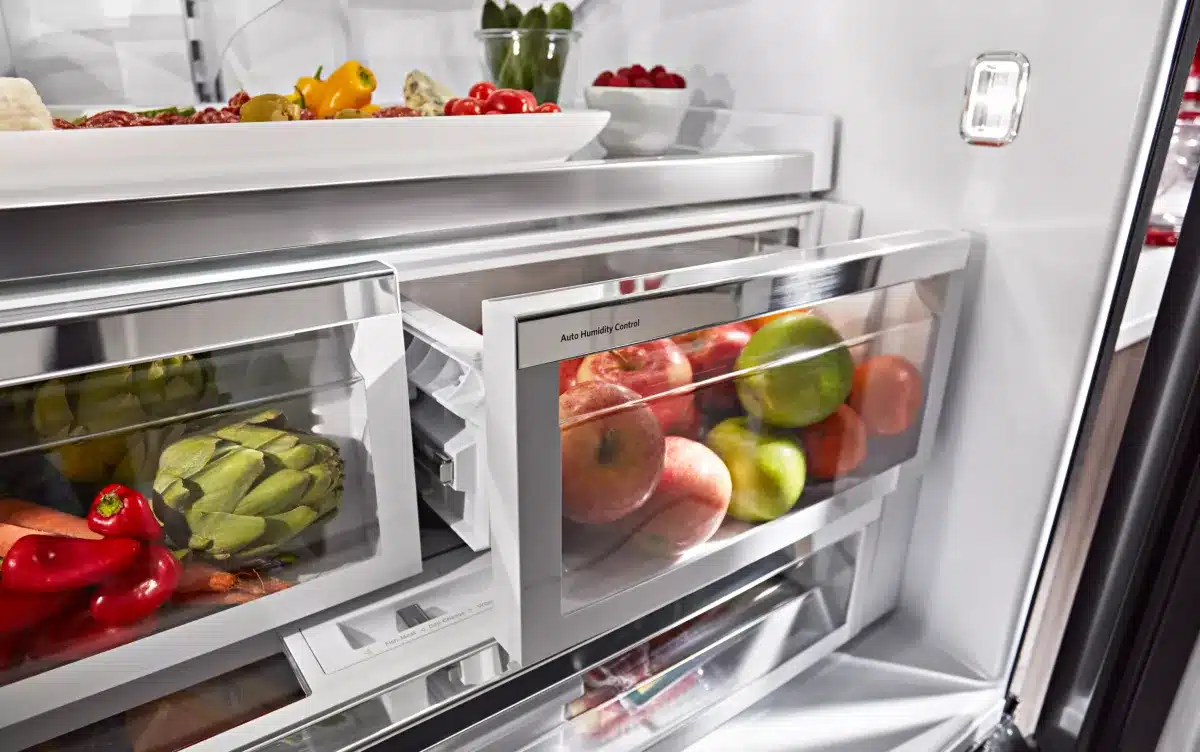
Credit: www.weaverappliance.com
Locate The Temperature Controls
Knowing where the temperature controls are helps you keep your refrigerator working well. Adjusting the controls keeps your food fresh and safe.
KitchenAid refrigerators have different control types. Finding the controls is the first step to changing the temperature.
Check The Control Panel
Look inside your KitchenAid refrigerator for the control panel. It is usually at the top or inside the main compartment.
The panel shows the current temperature settings. It allows you to change how cold your fridge and freezer get.
Identify Digital Vs. Dial Controls
KitchenAid refrigerators have two main control types: digital and dial. Each type works differently.
Digital controls have buttons and a screen. Dial controls use a turning knob to set the temperature.
- Digital Controls:Use buttons to change numbers on a display.
- Dial Controls:Turn a knob to higher or lower settings.
Set The Refrigerator Temperature
Setting the right temperature in your KitchenAid refrigerator keeps food fresh longer. It also helps save energy.
Learn how to adjust the temperature using digital or dial controls. Follow simple steps for the best results.
Recommended Temperature Range
The ideal temperature keeps food safe and fresh. For the refrigerator, set it between 35°F and 38°F.
Freezer temperature should be 0°F or lower. These ranges prevent bacteria growth and keep food quality.
- Refrigerator: 35°F to 38°F (1.7°C to 3.3°C)
- Freezer: 0°F (-18°C) or below
Adjusting Digital Controls
Most KitchenAid refrigerators have a digital control panel. It shows the current temperature.
Press the fridge or freezer button to change the temperature. Use the plus or minus buttons to adjust.
- Locate the digital panel inside the fridge or on the door
- Press the fridge or freezer button
- Use plus (+) or minus (–) to set temperature
- Wait a few hours to let the new setting take effect
Adjusting Dial Controls
Some KitchenAid models have a dial control inside the refrigerator. It is usually on the back wall or side.
Turn the dial clockwise to make it colder. Turn it counterclockwise to make it warmer.
- Find the temperature dial inside the fridge
- Turn clockwise to lower the temperature
- Turn counterclockwise to raise the temperature
- Check temperature after a few hours
Set The Freezer Temperature
Setting the right temperature in your KitchenAid freezer keeps food fresh longer. It also saves energy and prevents frost build-up.
Learn how to find the ideal freezer temperature and adjust your settings correctly for best results.
Ideal Freezer Temperature
The best freezer temperature keeps food frozen without wasting power. It stops food from spoiling and keeps texture and taste intact.
- The ideal freezer temperature is 0°F (-18°C).
- Temperatures above 0°F may cause food to thaw.
- Temperatures below 0°F use more energy but do not improve freezing.
- Check the temperature regularly with a freezer thermometer.
Adjusting Freezer Settings
KitchenAid freezers have controls that let you change the temperature easily. Follow these steps to adjust your freezer settings.
| Control Type | How to Adjust |
| Digital Display | Press the freezer button and use arrows to set temperature. |
| Dial Control | Turn the dial to the desired freezer temperature number. |
| Touchpad | Tap freezer icon and select temperature with plus or minus. |
After adjusting, wait 24 hours before checking the temperature. This lets the freezer reach the new setting.
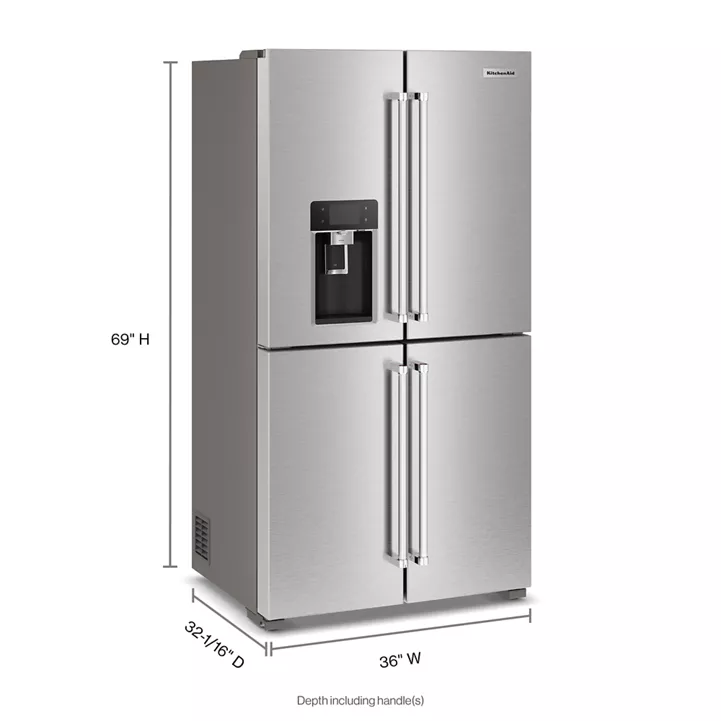
Credit: www.kitchenaid.com
Tips For Accurate Temperature Adjustment
Setting the right temperature for your KitchenAid refrigerator is important. It keeps your food fresh and safe.
Follow these tips to adjust the temperature correctly and avoid common mistakes.
Allow Time For Temperature Stabilization
After changing the temperature, wait before checking again. The fridge needs time to reach the new setting.
It can take up to 24 hours for the temperature to stabilize inside the refrigerator.
Avoid Frequent Changes
Do not change the temperature too often. Frequent adjustments confuse the fridge’s cooling system.
Make small changes and wait long enough before adjusting again to keep the temperature steady.
Check Door Seals
Door seals keep cold air inside the refrigerator. Check them for cracks or dirt regularly.
Clean seals with warm water and replace them if they are damaged to maintain the correct temperature.
- Inspect seals for gaps
- Clean seals monthly
- Replace damaged seals quickly
Troubleshooting Temperature Issues
Keeping the right temperature in your KitchenAid refrigerator is important. It helps keep your food fresh and safe.
Sometimes, the fridge or freezer may feel too warm or too cold. Other times, the control panel might not work. Here are tips to fix these problems.
Refrigerator Too Warm
If your refrigerator feels too warm, first check the temperature setting. The ideal fridge temperature is between 37°F and 40°F (3°C to 4°C).
Make sure the door seals are clean and close tightly. Warm air can enter if the seal is damaged or dirty.
- Check and adjust the temperature setting on the control panel.
- Clean door seals and ensure doors close properly.
- Do not overload the fridge; air needs to circulate.
- Keep the fridge away from heat sources like ovens or direct sunlight.
Freezer Too Cold
If the freezer is too cold, it can cause frost buildup and freezer burn on food. The best temperature is around 0°F (-18°C).
Check if the temperature is set too low. Also, avoid leaving the freezer door open for long periods.
- Adjust the freezer temperature to about 0°F (-18°C).
- Close the freezer door firmly after use.
- Remove frost buildup if it forms inside.
- Do not block air vents inside the freezer.
Control Panel Unresponsive
If the control panel does not respond, try resetting your refrigerator. Unplug it for a few minutes, then plug it back in.
Make sure the control lock feature is off. This feature can prevent changes to temperature settings.
- Unplug the fridge for 5 minutes and plug it back in.
- Check if the control lock is active and turn it off.
- Inspect the control panel for visible damage or dirt.
- Contact a technician if the panel remains unresponsive.
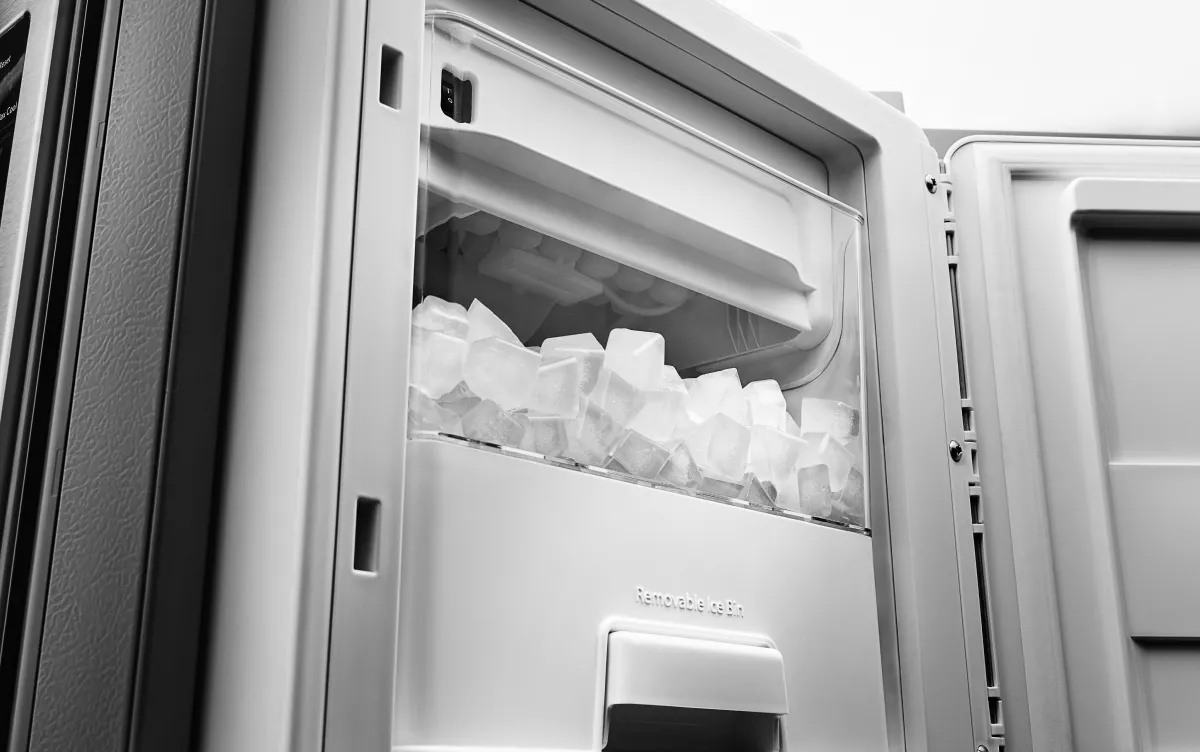
Credit: www.kitchenaid.com
Frequently Asked Questions
How Do I Change The Temperature On A Kitchenaid Fridge?
Locate the temperature control panel inside the fridge. Press the up or down arrows to adjust the temperature. The ideal fridge temperature is 37°F (3°C). Wait 24 hours for the new setting to stabilize.
What Is The Ideal Kitchenaid Refrigerator Temperature?
The ideal temperature for a Kitchenaid fridge is 37°F (3°C). The freezer should be set at 0°F (-18°C). These settings keep food fresh and safe while saving energy.
Why Is My Kitchenaid Fridge Temperature Not Adjusting?
Check if the control panel is locked or in demo mode. Clean the vents and coils. Ensure the door seals properly. If issues persist, contact Kitchenaid support for service.
Can I Adjust Temperature On Older Kitchenaid Fridges?
Older models may have a dial or slider inside the fridge. Turn it towards colder or warmer settings as needed. Refer to your user manual for exact instructions.
Conclusion
Adjusting your Kitchenaid refrigerator temperature is simple and quick. Keep the temperature between 37°F and 40°F for the fridge. Set the freezer to 0°F for best results. Check the settings often to keep food fresh and safe. Small changes can make a big difference in cooling.
Trust your senses—look, smell, and feel your food. Stay comfortable with proper temperature control every day. Your fridge works best when you keep it right.