How to Choose a Drop In Gas Grill Outdoor Kitchen
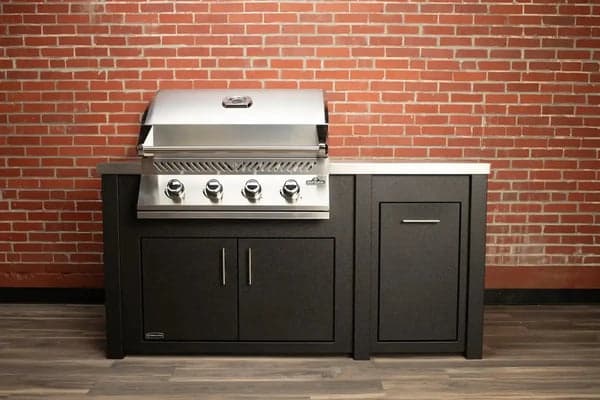
Imagine hosting a summer barbecue in your backyard where you effortlessly grill delicious meals that leave your guests raving. With a Drop in Gas Grill Outdoor Kitchen, this dream can easily become a reality.
You might wonder how this setup can transform your cooking experience and elevate your outdoor space. The answer lies in the convenience, style, and efficiency that a Drop in Gas Grill Outdoor Kitchen brings to your culinary adventures. Are you ready to discover how this essential addition can make your gatherings memorable and your cooking seamless?
Dive in, and let’s explore the benefits and features that will turn your outdoor kitchen into the ultimate entertaining hub.

Credit: www.bbqguys.com
Choosing The Right Gas Grill
Picking a gas grill for your outdoor kitchen needs some thought. The right grill fits your cooking style and space.
This guide covers key points to help you choose a gas grill that suits your needs well.
Size And Cooking Area
Think about how much food you cook at once. A larger cooking area lets you grill more food. Small grills save space but cook less.
Measure your outdoor kitchen space to ensure the grill fits well without crowding.
Btu And Heat Distribution
BTU shows the grill’s heat power. Higher BTU means more heat but not always better cooking. Even heat spread is key.
| BTU Range | Best Use |
| 10,000 – 20,000 | Small grilling, light cooking |
| 20,000 – 40,000 | Average family meals |
| 40,000+ | Large gatherings, fast cooking |
Material And Build Quality
Look for grills made from stainless steel or cast iron. These materials last longer and handle weather well.
- Stainless steel resists rust and looks good
- Cast iron retains heat but needs care
- Aluminum is light but less durable
Additional Features
Extra features add convenience and improve cooking options. Some common features include side burners, warming racks, and built-in thermometers.
- Side burners let you cook sides or sauces
- Warming racks keep food hot without burning
- Built-in thermometers help check grill temperature easily
- Storage cabinets keep tools and fuel organized
Designing Your Outdoor Kitchen
Creating an outdoor kitchen adds a new way to enjoy cooking outside. Planning it well helps make the space useful and fun.
Think about how you will use the kitchen and what you need. This guide covers key parts to design a great outdoor cooking area.
Layout And Space Planning
Start by choosing a good spot for your grill and countertops. Leave enough room to move and cook safely.
- Place the grill away from walkways and doors
- Allow at least three feet of space on each side of the grill
- Include a prep area next to cooking space
- Plan seating areas nearby for guests
- Think about storage spots for utensils and supplies
Countertops And Storage
Choose countertops that resist heat, water, and stains. Granite and stainless steel work well outside.
| Material | Durability | Maintenance |
| Granite | High | Low |
| Stainless Steel | High | Medium |
| Concrete | Medium | Medium |
| Tile | Medium | High |
Use cabinets or weatherproof boxes to keep tools safe. Organize items so they are easy to reach.
Shelter And Weather Protection
Protect your outdoor kitchen from sun and rain. A covered roof or pergola works well to keep the area dry.
Consider these shelter options:
- Permanent roof with gutters
- Retractable awnings
- Shade sails
- Wind screens or walls
Good shelter helps your grill last longer and keeps cooking comfortable in bad weather.
Lighting And Electrical Setup
Plan lighting to see well while cooking at night. Use bright but soft lights around the cooking and prep areas.
- Install task lighting over the grill and countertops
- Use ambient lights to set mood in seating areas
- Include electrical outlets for small appliances
- Choose weatherproof fixtures and covers
Work with a professional electrician to ensure safety and code compliance.
Installation Tips For Gas Grills
Installing a drop-in gas grill in your outdoor kitchen needs care. Proper setup ensures safe and efficient cooking.
Follow key tips to connect gas, allow ventilation, keep safety, and place the grill well.
Proper Gas Connections
Use the right gas line size for your grill. Check local codes for gas type and pressure.
Always use a flexible gas hose made for outdoor use. Tighten connections with a wrench but do not overtighten.
- Turn off gas before connecting
- Use soapy water to check leaks
- Never use tape on threaded fittings
- Connect regulator properly
Ventilation Requirements
Your outdoor kitchen must have good airflow. Ventilation prevents gas buildup and fire risks.
Leave open spaces around the grill. Avoid enclosing the grill tightly in cabinets.
- Install vents near the base of the grill
- Keep at least 12 inches of clearance above grill
- Do not block exhaust areas
Safety Precautions
Safety is key when installing gas grills. Follow guidelines to protect your home and family.
Keep fire extinguishers nearby and test for leaks before first use.
- Do not install near flammable materials
- Keep children and pets away
- Use a grill cover when not in use
- Check hoses yearly for cracks or damage
Positioning For Optimal Use
Place your grill where you can cook comfortably and safely. Think about wind direction and sun.
Leave space around the grill for tools and food prep.
- Keep grill away from foot traffic paths
- Face grill away from walls or fences
- Allow room for opening lids fully
- Position near a countertop for convenience

Credit: www.holloways.com
Maintenance And Cleaning
Keeping your drop-in gas grill clean helps it last longer. Good care also keeps food tasting fresh.
Regular maintenance prevents problems and keeps your outdoor kitchen safe to use.
Routine Grill Cleaning
Clean the grill after every use to stop grease buildup. Use a brush to scrape the grates.
Wipe down the exterior with warm, soapy water. Avoid harsh chemicals that can damage the finish.
- Brush grates after cooking
- Empty grease tray weekly
- Wipe surfaces with mild soap
Protecting Against Rust
Rust can damage your grill and shorten its life. Keep the grill dry and covered when not in use.
Apply a light coat of cooking oil to the grates to prevent rust. Check for any rust spots and clean them.
- Cover grill with a waterproof cover
- Dry grill after cleaning
- Oil grates regularly
- Remove rust with a wire brush
Checking Gas Lines
Inspect gas lines every few months to keep your grill safe. Look for cracks, leaks, or loose connections.
Use a soap and water mix to test for leaks. Bubbles mean there is a gas leak that needs fixing.
- Turn off gas before checking
- Apply soapy water to connections
- Look for bubbles indicating leaks
- Tighten or replace faulty parts
Seasonal Maintenance
Before winter or long breaks, clean the grill fully. Remove parts like grates and burners to clean well.
Store the grill in a dry place or cover it tightly. Check all parts again before using it next season.
- Deep clean all grill parts
- Check for damage or wear
- Cover or store indoors
- Inspect before next use
Mastering Bbq Techniques
Using a drop-in gas grill in your outdoor kitchen lets you cook tasty food with ease. Learning simple BBQ techniques helps you get the best results every time.
Good cooking skills improve flavor and texture. This guide covers key tips to make your BBQ sessions better and more fun.
Direct Vs Indirect Cooking
Direct cooking means placing food right over the flame. It works well for quick cooking and searing.
Indirect cooking uses heat around the food, not below it. This method is good for slow cooking and larger cuts.
- Use direct heat for burgers, steaks, and vegetables
- Use indirect heat for ribs, whole chicken, and roasts
- Combine both methods for better results
Temperature Control Tips
Keeping the right temperature is key for BBQ success. Too hot or too cold can spoil your food.
Use the grill’s built-in thermometer to check heat levels. Adjust burners to keep steady heat.
- Preheat grill for 10-15 minutes before cooking
- Lower heat for slow cooking and higher heat for searing
- Keep the lid closed to maintain temperature
Using Accessories For Flavor
Accessories help add flavor and make cooking easier. Use tools to create smoky, tasty meals.
Try wood chips, grill baskets, and skewers to enhance your BBQ experience.
- Wood chips add smoky flavor to meats and vegetables
- Grill baskets keep small foods from falling through grates
- Skewers help cook even pieces of meat and veggies
Common Mistakes To Avoid
Avoid these mistakes to cook better BBQ on your gas grill. They can ruin taste and texture.
- Don’t leave the lid open too long; heat escapes quickly
- Avoid cooking cold food right on the grill; let it reach room temperature
- Don’t use too much sauce early; it can burn and taste bitter
- Do not overcrowd the grill; give food space to cook evenly
- Clean the grill grates before cooking to prevent sticking
Troubleshooting Common Issues
Drop-in gas grills are popular for outdoor kitchens. They offer convenience and great cooking results. Sometimes, issues occur that need quick fixes.
This guide covers common problems with drop-in gas grills. It helps you spot and solve them safely and easily.
Uneven Heat Problems
Uneven heat can cause food to cook poorly. It usually happens when burners are dirty or blocked.
Check the grill grates and burners for grease or debris. Clean them with a brush or warm soapy water. Also, make sure burner tubes are clear of spider webs or insects.
Ignition Failures
The ignition system lights the burners. Failure can stop the grill from starting. Often, the battery or spark igniter is the cause.
- Replace the ignition battery if it is dead.
- Clean the igniter tip to remove dirt or grease.
- Check for loose wires and reconnect them firmly.
- Use a match or lighter as a backup to light burners.
Gas Leaks And Safety
Gas leaks can be dangerous. Always test connections before use. Use a soap and water solution to spot leaks. Bubbles show escaping gas.
| Leak Location | Check Method | Action |
|---|---|---|
| Hose Connections | Soap water bubbles | Tighten or replace hose |
| Regulator | Soap water bubbles | Replace if damaged |
| Burner Valves | Soap water bubbles | Service or replace valve |
If you smell gas, turn off the grill and gas supply immediately. Do not use the grill until a leak is fixed.
Burner Malfunctions
Burners may fail to light or produce weak flames. Dirt, rust, or blockage often cause this problem.
- Remove and clean burner ports with a wire brush.
- Check for cracks or rust; replace if needed.
- Ensure burners are seated correctly on the gas valves.
- Test the flame; it should be blue and steady.
Enhancing Your Bbq Experience
A drop in gas grill can transform your outdoor kitchen into a perfect BBQ spot. You can cook delicious meals with ease and style.
Adding features around your grill makes cooking more fun and efficient. Small changes can bring big improvements to your BBQ times.
Incorporating Side Burners
Side burners let you cook sauces and sides without going back inside. They save space and add cooking options.
- Boil water for pasta or vegetables
- Simmer sauces and soups
- Heat up pans for quick stir-fry
- Keep food warm while grilling
Adding A Smoker Box
A smoker box adds smoky flavor to your grilled food. It uses wood chips to create rich, smoky aromas.
Place the smoker box inside the grill near the heat source. This helps infuse meats, fish, and vegetables with a smoky taste.
Using Smart Grill Technology
Smart grills connect to apps for easy control. You can set timers, monitor temperature, and get alerts on your phone.
| Feature | Benefit |
| Temperature Control | Cook food evenly |
| Remote Monitoring | Check grill from anywhere |
| Timer Alerts | Prevent overcooking |
| Recipe Guidance | Cook new dishes easily |
Outdoor Kitchen Seating Ideas
Seating areas make your outdoor kitchen a social spot. Guests can relax and chat while you cook.
Popular Seating Options
- Bar stools around a counter
- Built-in benches with cushions
- Dining tables with weatherproof chairs
- Casual lounge chairs or sofas
Credit: www.atbbq.com
Frequently Asked Questions
What Is A Drop-in Gas Grill For Outdoor Kitchens?
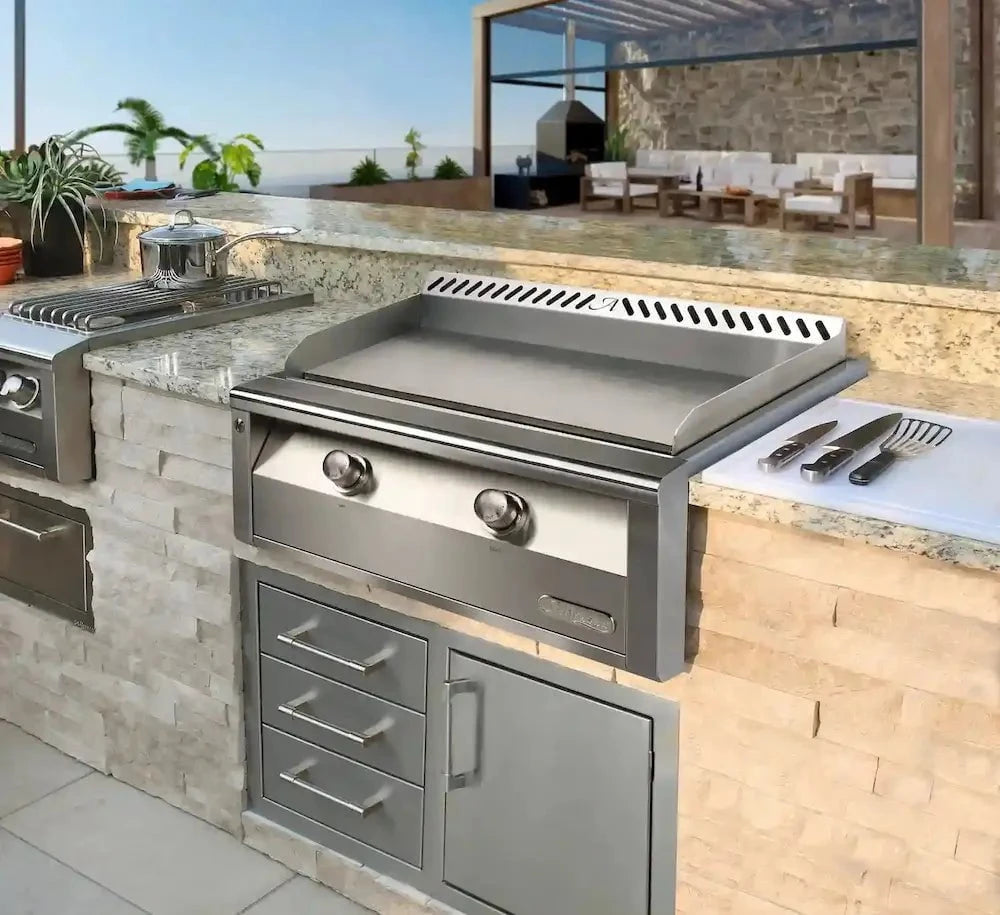
A drop-in gas grill is a built-in grill designed to fit seamlessly into outdoor kitchen countertops. It offers a sleek, integrated look and provides efficient cooking with gas heat. This setup saves space and enhances the outdoor cooking experience.
How Do I Install A Drop-in Gas Grill Safely?
Install your drop-in gas grill on a sturdy, heat-resistant surface. Ensure proper ventilation and follow the manufacturer’s instructions. Connect the gas supply carefully and check for leaks. Hiring a professional for installation is recommended to guarantee safety and compliance.
What Are The Benefits Of Drop-in Gas Grills?
Drop-in gas grills offer convenience, durability, and an elegant look. They save space and integrate well with outdoor kitchens. These grills provide quick heat control and consistent cooking, making them ideal for outdoor entertaining and family gatherings.
Can I Convert A Drop-in Grill From Propane To Natural Gas?
Yes, many drop-in grills can be converted from propane to natural gas. Conversion kits are usually available from the manufacturer. Make sure to follow instructions carefully or hire a professional to ensure a safe and effective conversion.
Conclusion
A drop-in gas grill fits perfectly in any outdoor kitchen space. It offers easy cooking and quick heat. You can enjoy grilling without the hassle of setup. These grills bring convenience and style to your backyard. Choose one that matches your needs and budget.
A well-chosen grill makes outdoor meals more fun. Cooking outside becomes simple and enjoyable for everyone. Your outdoor kitchen will feel complete with a drop-in gas grill.