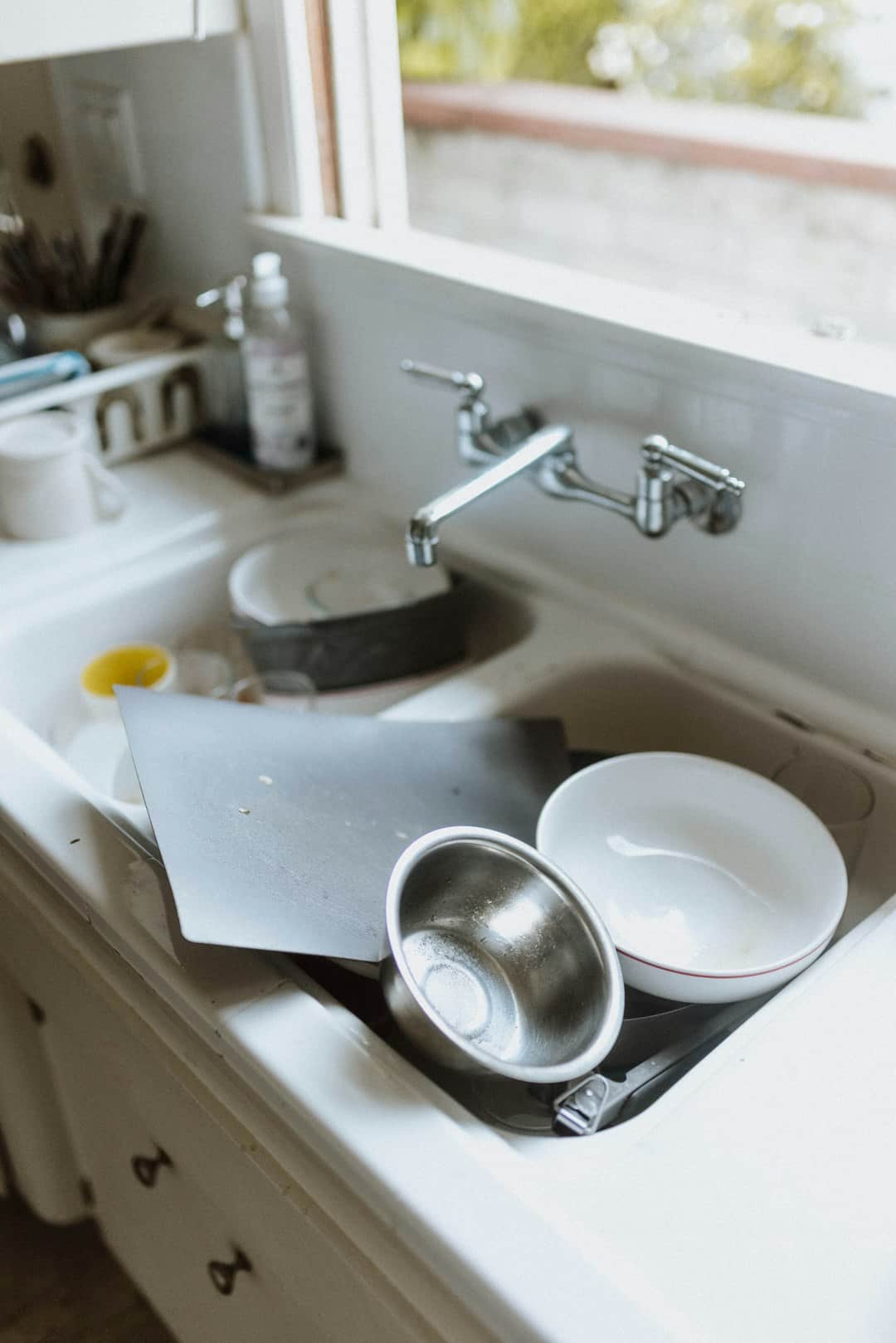
Imagine this: You've just finished a delicious meal, and now it's time to tackle the dishes. But as you turn on the tap, you notice the water isn't draining.
Your kitchen sink is clogged. It's a frustrating situation, but don't worry—you've got this. In this guide, you'll discover a clever solution using something you already have at home: your dishwasher. Yes, that trusty appliance can do more than just clean your dishes.
It can help you unclog your kitchen sink, saving you time, money, and a call to the plumber. Curious about how it works? Keep reading to learn a step-by-step process that's simple and effective. You'll be back to your normal routine in no time, with a clear sink and peace of mind. Let's dive in and get your kitchen back in action!

Credit: drano.com
Common Causes Of Kitchen Sink Clogs
Kitchen sink clogs are a common problem in many homes. They slow down water flow and can cause bad smells.
Understanding what causes these clogs helps you fix them faster. Some clogs come from food, grease, or dishwasher issues.
Food Particles And Grease
Food bits often get stuck in the drain pipes. Small pieces of food can build up over time and block water flow.
Grease from cooking is also a major cause. When hot grease cools, it hardens and sticks inside pipes.
- Leftover food scraps washed down the sink
- Fat, oil, and grease poured into the drain
- Sticky residues trapping other debris
Dishwasher Drain Issues
The dishwasher shares the drain with the kitchen sink. If its drain hose is clogged, water can back up into the sink.
Sometimes the dishwasher drain hose gets blocked with soap scum or food. This causes slow drainage and clogs.
- Clogged dishwasher drain hose
- Poor connection between dishwasher and sink drain
- Build-up of detergent residue
Foreign Objects In Pipes
Small objects like bottle caps or pieces of plastic can accidentally fall into the sink. These items block pipes easily.
Other items such as twist ties or coffee grounds may also cause blockages if they accumulate inside the drain.
- Accidental drops of small objects
- Non-food items flushed down the drain
- Debris trapped in pipe bends
Tools And Materials Needed
Unclogging a kitchen sink connected to a dishwasher needs the right tools. Using proper materials makes the task easier and safer.
This guide lists the basic plumbing tools, household cleaning items, and safety gear you will need.
Basic Plumbing Tools
These tools help you access and clear the clog in your sink and dishwasher drain pipe.
- Plunger – creates suction to loosen clogs
- Pipe wrench – for gripping and turning pipes
- Bucket – to catch water when disconnecting pipes
- Adjustable wrench – for loosening nuts and bolts
- Drain snake or auger – to remove blockages deep in pipes
- Screwdriver – to open drain covers or remove clamps
Household Items For Cleaning
Common items in your home can help clean the sink and dishwasher drain safely.
| Item | Purpose |
| Baking soda | Breaks down grime and odors |
| White vinegar | Dissolves grease and kills bacteria |
| Hot water | Flushes loosened debris |
| Dish soap | Removes grease and food particles |
| Old toothbrush | Scrubs small parts and crevices |
Safety Gear
Wear safety gear to protect yourself from dirt and sharp objects while unclogging.
- Rubber gloves – protect hands from chemicals and germs
- Safety glasses – shield eyes from splashes
- Old clothes or apron – keep your clothes clean
- Face mask – avoid inhaling dust or fumes
Step-by-step Diy Unclogging Methods
A clogged kitchen sink with a dishwasher can disrupt your daily routine. Fixing it yourself saves time and money.
Follow these simple methods to clear the blockage safely and effectively at home.
Using Baking Soda And Vinegar
Baking soda and vinegar create a natural cleaning reaction that helps break down clogs. This method is safe and easy to use.
- Pour half a cup of baking soda into the drain.
- Follow with half a cup of white vinegar.
- Cover the drain and wait 15 minutes.
- Flush the drain with boiling water.
- Repeat if necessary until water drains freely.
Manual Removal With A Plunger
A plunger can dislodge clogs by creating pressure. It works best for minor to moderate blockages.
- Fill the sink with enough water to cover the plunger cup.
- Place the plunger over the drain opening firmly.
- Push and pull the plunger quickly several times.
- Lift the plunger to see if water drains.
- Repeat as needed until the clog clears.
Clearing The Trap
The trap under the sink often collects debris causing clogs. Cleaning it can restore water flow.
- Place a bucket under the trap to catch water.
- Use a wrench to loosen the slip nuts on both sides.
- Remove the trap carefully and empty its contents.
- Clean the trap with a brush and rinse it well.
- Reinstall the trap and check for leaks.
Inspecting And Cleaning Dishwasher Drain Hose
The dishwasher drain hose can block the sink drain if it is clogged or kinked. Checking it helps avoid backups.
| Action | Details |
|---|---|
| Locate Hose | Find the hose connecting dishwasher to sink drain. |
| Disconnect Hose | Unscrew the hose clamp and detach the hose. |
| Check for Kinks | Straighten any bends or twists in the hose. |
| Clear Blockages | Flush the hose with water or use a pipe cleaner. |
| Reconnect Hose | Secure the hose clamp tightly to prevent leaks. |
Preventing Future Clogs
Keeping your kitchen sink and dishwasher clear helps avoid blockages. Regular care saves time and money on repairs.
Learn simple ways to maintain your sink and dishwasher. These tips reduce clog risks and keep water flowing smoothly.
Regular Maintenance Tips
Check your sink and dishwasher pipes often. Remove debris and clean the drain area regularly to stop buildup.
- Pour boiling water down the sink weekly to clear grease.
- Use a sink strainer to catch food scraps.
- Clean the garbage disposal by grinding ice cubes and citrus peels.
- Inspect pipes for leaks or damage every few months.
Proper Disposal Practices
Throwing the right items away helps prevent sink clogs. Avoid putting grease, coffee grounds, or large food pieces into the drain.
- Never pour cooking oil or grease down the drain.
- Scrape plates into the trash before rinsing.
- Dispose of coffee grounds and eggshells in the compost or trash.
- Use a trash bin for fibrous or starchy food waste.
Dishwasher Care
| Dishwasher Care Task | Frequency |
|---|---|
| Clean filter to remove food debris | Monthly |
| Check and clean spray arms | Every 3 months |
| Run dishwasher with vinegar to clear buildup | Quarterly |
| Inspect and clear drain hose | Every 6 months |
Following these steps keeps your dishwasher working well. It stops clogs and protects your pipes from damage.
When To Call A Professional
Unclogging a kitchen sink with a dishwasher can work for small blockages. Sometimes clogs are too big to fix alone. Knowing when to call a professional saves time and money.
Professionals have tools and skills to clear tough blockages safely. Avoid making the problem worse by trying to fix severe clogs yourself.
Signs Of Severe Blockages
Severe blockages show clear signs that a simple fix won't work. Watch for these signs before trying to unclog the sink yourself.
- Water drains very slowly or not at all
- Water backs up into the dishwasher or other sinks
- Unpleasant odors come from the drain
- Gurgling noises when water runs
- Repeated clogs after cleaning attempts
Avoiding Damage
Using wrong tools or chemicals can damage pipes and appliances. A professional knows how to protect your plumbing system.
They avoid harsh chemicals that can corrode pipes. Professionals also prevent leaks and water damage during repairs.
- Do not use strong drain cleaners without advice
- Avoid forcing tools down the drain
- Keep dishwasher and sink connections intact
- Call a plumber if unsure about fixing
Cost Considerations
Calling a professional may seem costly at first. It can save money by preventing bigger repairs later.
DIY fixes might cause damage that costs more to repair. Professionals can also fix the problem faster, saving time.
- Small clogs can be fixed cheaply by a plumber
- Severe blockages might need more costly tools
- Regular maintenance reduces future costs
- Ask for a price estimate before work starts

Credit: www.youtube.com

Credit: www.youtube.com
Frequently Asked Questions
How Can A Dishwasher Cause Kitchen Sink Clogs?
Dishwashers drain into the kitchen sink’s plumbing, which can cause clogs. Food particles and grease from dishwasher water often build up. This buildup restricts water flow, leading to slow drainage or blockages in your sink.
What’s The Best Way To Unclog A Sink With A Dishwasher?
Start by checking the dishwasher drain hose for blockages. Use a plunger on the sink drain to clear minor clogs. For tougher blockages, a plumber’s snake or natural drain cleaner can help without damaging pipes.
Can Baking Soda And Vinegar Unclog Dishwasher Sink Drains?
Yes, baking soda and vinegar create a fizzing reaction that helps break down grease and grime. Pour half a cup of baking soda followed by half a cup of vinegar down the drain. Let it sit for 15 minutes, then flush with hot water.
How Often Should I Clean Dishwasher Drain To Prevent Clogs?
Clean the dishwasher drain and hose every 3 to 6 months. Regular maintenance prevents food buildup and keeps water flowing smoothly. This simple habit reduces the risk of kitchen sink clogs linked to your dishwasher.
Conclusion
Unclogging a kitchen sink with a dishwasher is simple and effective. Using the dishwasher’s water flow helps push blockages away. Regular cleaning can prevent future clogs. Remember to check for trapped food or grease. Quick action saves time and avoids costly repairs.
Keep these easy steps in mind for a clear sink. A smooth-running kitchen makes daily tasks easier and less stressful. Try this method next time your sink slows down.